Side-by-Side Cognitive Profiles
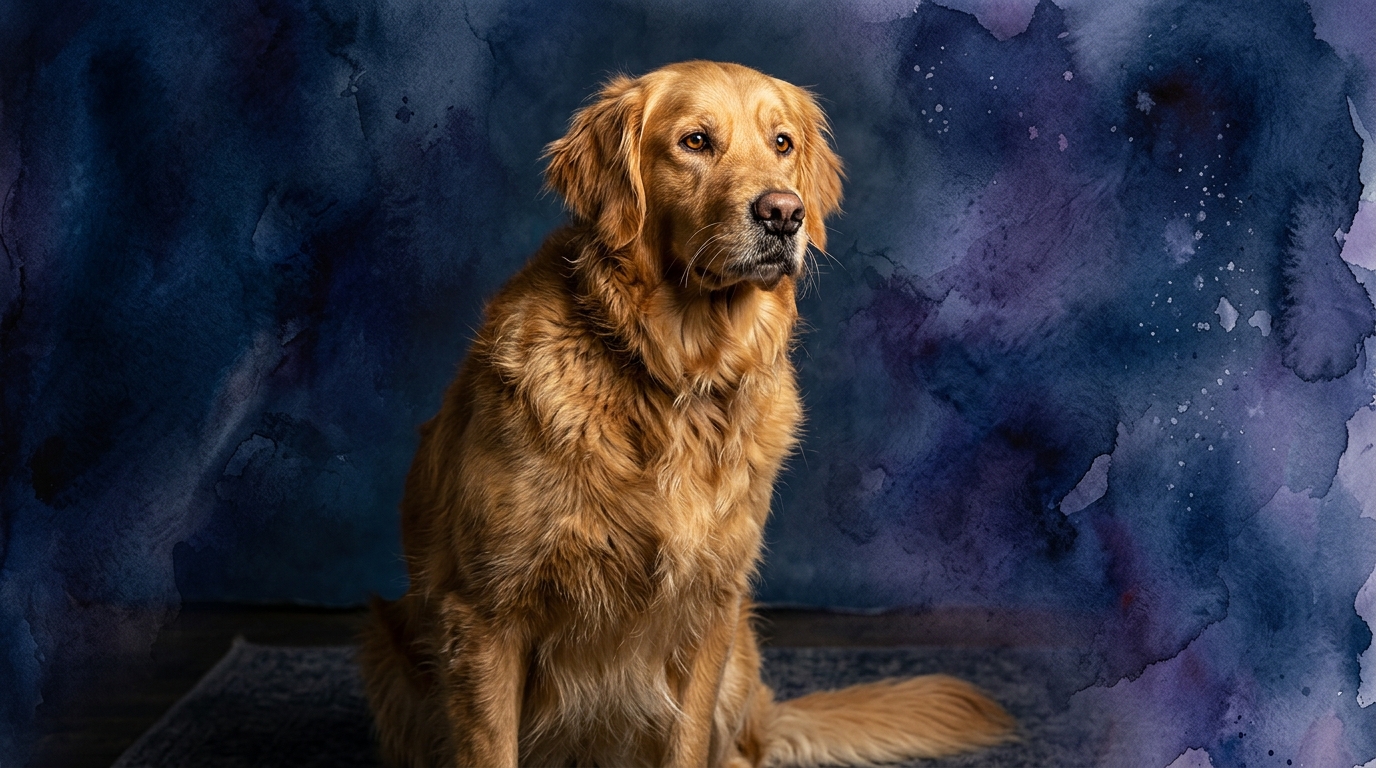
The Cosmic Pet Pet IQ Lab assesses canine cognition across five key dimensions, providing a granular view into a breed’s mental landscape. For the Golden Retriever, a Sporting group dog with a Coren rank of #4, their profile reflects a generally cooperative and adaptable mind. They score 4/5 for Problem Solving, indicating an aptitude for navigating new situations and learning complex sequences. Their Training Speed is an impressive 5/5, showcasing their rapid absorption of new commands and routines. Social Intelligence also stands at 5/5, highlighting an exceptional attunement to human emotions and social cues, alongside an eagerness to cooperate. Their Instinctive Drive is 4/5, primarily focused on retrieving and companion work, while their Memory is 4/5, enabling them to retain information well and recall elaborate task chains.
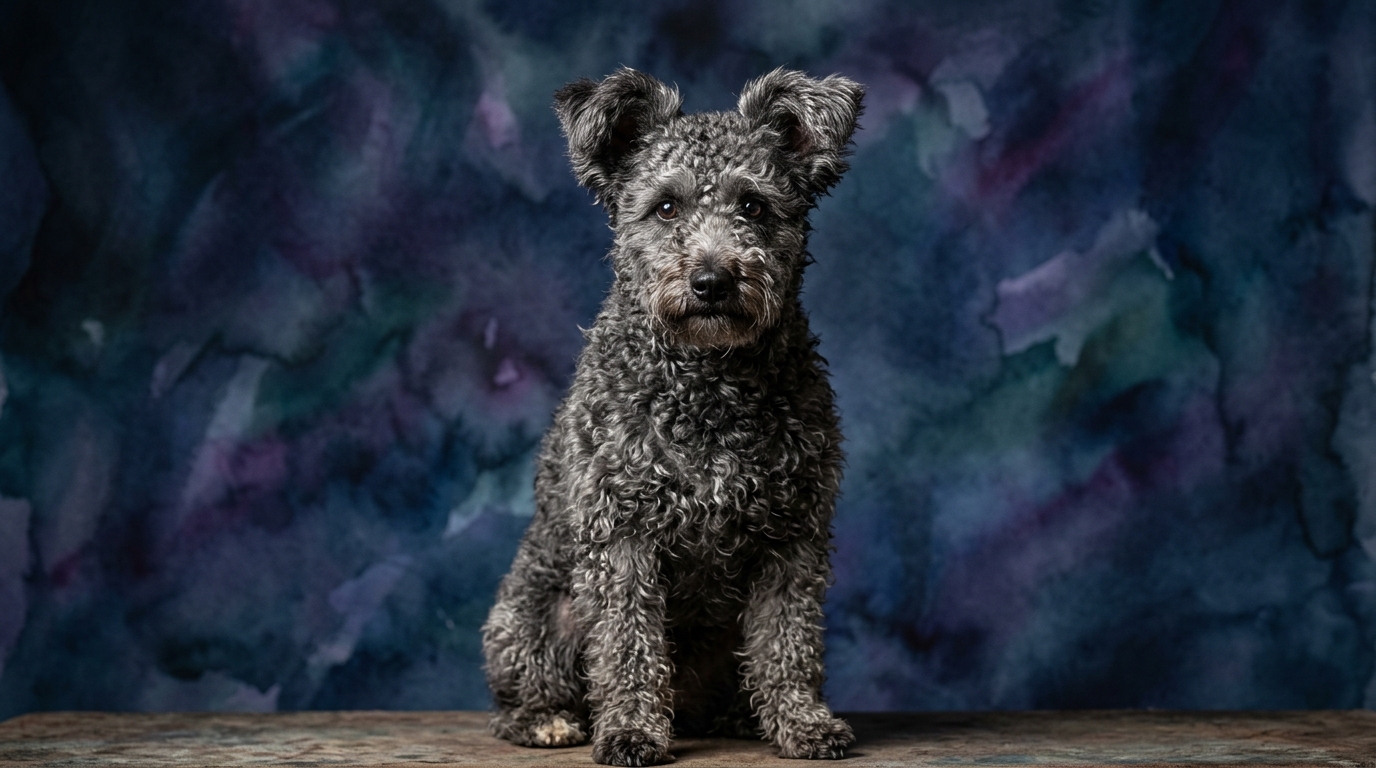
In contrast, the Pumi, a Herding group dog not specifically Coren-ranked, exhibits a cognitive profile tailored to its working heritage, emphasizing independence and task-oriented thinking. They score 3/5 for Problem Solving, capable of independent thought, particularly in practical, real-world scenarios, though abstract concepts might require more repetition. Their Training Speed is 3/5, indicating steady learning but with a degree of self-will, necessitating consistent, engaging methods. Social Intelligence is 3/5; Pumis are aware of human presence but often more focused on their environment or task than direct social appeasement. Their Instinctive Drive is 3/5, centered on their strong herding impulses, driving them to observe and manage their surroundings. Finally, their Memory is 3/5, remembering commands and experiences, though perhaps not with the same immediate recall for intricate, multi-step tasks as a Golden.
Where the Golden Retriever Excels Cognitively
The Golden Retriever’s paramount strength lies in their social intelligence (5/5). These dogs possess an innate ability to read human intentions, emotions, and subtle body language with remarkable precision, making them exceptionally cooperative partners. This translates into a profound understanding of social cues, allowing them to anticipate requests and adapt their behavior to fit human expectations seamlessly, fostering a deep connection with their human families.
Another key cognitive advantage is their rapid training speed (5/5), which is closely linked to their social attunement and eagerness to engage. Goldens typically absorb new commands and complex routines with fewer repetitions than many other breeds, demonstrating a strong capacity for associative learning and generalization across different contexts. This quick uptake makes them particularly suitable for various dog sports, service work, and advanced obedience.
Their problem-solving ability (4/5) often manifests in their aptitude for intricate tasks, such as guide work, search and rescue, or elaborate obedience routines, where they must apply learned concepts to novel situations. Coupled with a robust memory (4/5), they can recall extensive repertoires of behaviors and apply them effectively, even after a significant time lapse, making them reliable and consistent performers.
Where the Pumi Excels Cognitively
While the Pumi's scores might appear moderate in a general context, their cognitive strengths are highly specialized, stemming directly from their herding heritage. Their problem-solving (3/5) and instinctive drive (3/5) are not about broad adaptability but about focused, independent action within a working environment. A Pumi excels at assessing dynamic situations, like managing livestock, and making on-the-spot decisions, often without constant human instruction. This requires a distinct form of practical intelligence and quick environmental assessment, showcasing their capacity for autonomous thought and action.
The Pumi's social intelligence (3/5), while not as effusive as a Golden's, fosters a relationship built on partnership and mutual respect rather than constant appeasement. They are observant and can gauge a handler's intent, but their internal motivation often stems from their task-oriented drive. This independence can be a cognitive win for owners seeking a dog that thinks for itself and is less prone to "velcro dog" tendencies, offering a more self-reliant companionship.
Their memory (3/5) and training speed (3/5), though moderate, are sufficient for learning complex herding patterns and retaining environmental knowledge crucial for their work. They learn by doing and through consistent, task-focused engagement, developing a deep understanding of their roles and boundaries within a defined working environment. This specialized learning style means they might not be quick to generalize abstract commands but are deeply competent in the specific tasks they are bred for.
Training Dynamics: Ease and Behavioral Differences
The Golden Retriever stands out as significantly easier to train due to their exceptional training speed (5/5) and unparalleled social intelligence (5/5). They possess an intrinsic desire to cooperate and engage with their human companions, making them highly receptive to instruction. Their strong social bond translates into a keen attention to human cues, allowing them to quickly grasp what is expected. Goldens are generally forgiving of handler errors and maintain enthusiasm through repetitive drills, readily forming strong associations between commands and actions. Their moderate instinctive drive (4/5) is also easily channeled into desirable behaviors, such as retrieving specific items or performing complex sequences in dog sports, making the training process a rewarding collaborative effort.
In contrast, the Pumi, with a training speed of 3/5 and social intelligence of 3/5, presents a different training dynamic. While capable and willing to learn, they possess a more independent and sometimes opinionated nature rooted in their herding instincts. They may question commands or try to 'improve' upon them based on their own assessment of a situation, requiring a trainer who is consistent, clear, and engaging. Pumis respond best to training that taps into their problem-solving abilities and herding drive, such as agility, flyball, or actual herding work, where they can apply their mental energy and physical prowess. Their learning might be slower initially, but once a Pumi understands the 'why' behind a task, they perform it with dedicated precision, albeit with a touch more self-direction and less inherent desire to please purely for human approval.
Matching Breeds to Lifestyles: Active vs. Relaxed Owners
For relaxed owners seeking a companion that integrates smoothly into a less demanding daily rhythm, the Golden Retriever is often the more fitting choice. While they certainly benefit from regular exercise and mental engagement, their innate social cooperation and lower need for constant, specialized work mean they adapt well to varied activity levels, as long as their fundamental needs for companionship and basic activity are met. Their social intelligence allows them to be content with family interactions, walks, and playtime in the yard, making them versatile companions for a wide range of lifestyles where the focus is on shared presence rather than intense, structured activity.
Active owners, particularly those interested in dog sports, herding, or a canine partner for extensive outdoor adventures, will find the Pumi a more suitable match. Their herding background imbues them with substantial energy, sharp mental acuity, and a strong desire for purposeful activity. A Pumi thrives on having a 'job' to do, whether it's agility, flyball, or actual herding, and requires significant daily physical exertion combined with challenging mental stimulation to prevent boredom and destructive behaviors. Their independent problem-solving and instinctive drive mean they need an owner who can channel their boundless energy and sharp wits into constructive outlets, making them ideal for dynamic, engaged lifestyles that appreciate a dog with a clear purpose.
The Verdict
Choose a Golden Retriever if you prioritize a highly cooperative, socially attuned canine partner that excels in general obedience, thrives on family interaction, and adapts readily to a moderately active lifestyle.
Choose a Pumi if you are an active individual seeking an independent, task-oriented companion with a strong work ethic, prepared to provide consistent, engaging training and ample outlets for their substantial physical and mental energy.
🧠 Find Your Pet's IQ Score
Our Pet IQ Lab assessment covers 25+ tests across 5 cognitive dimensions — personalized to your breed.
Take the Full IQ Test →Frequently Asked Questions
Are Golden Retrievers better for first-time dog owners?
Generally, yes. Their high social intelligence and training speed make them more forgiving of novice handlers, learning basic commands and house rules relatively quickly with consistent positive reinforcement. Their eagerness to please often simplifies the initial stages of dog ownership, making them a more manageable option for those new to canine companionship.
Do Pumis bark more than Golden Retrievers?
Pumis, being herding dogs, are often more vocal than Golden Retrievers. Their instinct to alert and manage their environment can lead to more frequent barking, especially if not adequately exercised or mentally stimulated. Golden Retrievers tend to be less prone to excessive barking and are generally quieter companions.
How do their grooming needs compare?
Golden Retrievers have a dense double coat that requires regular brushing (2-3 times a week) to prevent matting and manage shedding, particularly during seasonal changes. Pumis have a unique, curly, and corded coat that needs brushing every few weeks and professional grooming or clipping every 2-4 months to maintain its texture and prevent matting, but they are generally low-shedding.