
A Side-by-Side Look at Cognitive Profiles
The Cosmic Pet Pet IQ Lab provides a unique lens through which to compare canine cognitive strengths. For the Golden Retriever, a breed consistently ranked high in canine intelligence surveys (Coren rank #4), their profile includes a problem-solving score of 4/5, indicating an aptitude for navigating complex situations and learning multi-step tasks efficiently. Their training speed is exceptional at 5/5, reflecting a strong eagerness to learn and rapid command acquisition, while their social intelligence also scores a perfect 5/5, showcasing an profound ability to read human cues and form cooperative bonds. Instinctive drive, particularly for retrieving, stands at 4/5, and their memory is robust at 4/5, allowing them to retain learned behaviors and associations effectively over time.
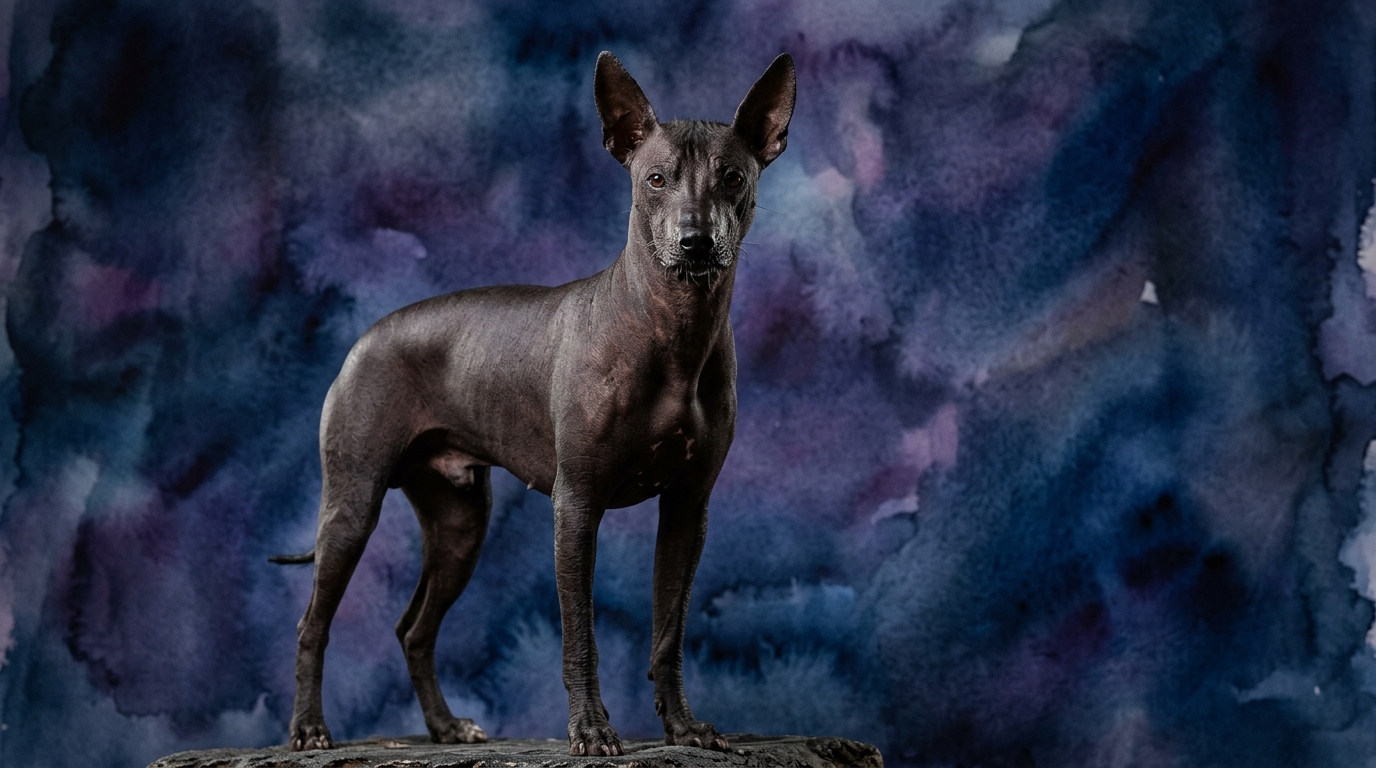
In contrast, the Xoloitzcuintli, an ancient breed without a Coren ranking, presents a different cognitive blueprint. Their problem-solving ability is rated 3/5, suggesting they can learn but might require more patience and simpler steps to grasp new concepts. Training speed is a moderate 3/5, meaning consistent, positive reinforcement methods are crucial for success, as they learn at a steadier pace. Their social intelligence, also 3/5, indicates they form deep, loyal bonds with their immediate family but can be reserved or aloof with strangers, valuing their independence. Instinctive drive is 3/5, reflecting a moderate prey drive and less emphasis on cooperative working tasks, while their memory, also 3/5, requires regular reinforcement to keep learned behaviors sharp.
Where the Golden Retriever's Cognition Excels
The Golden Retriever's cognitive strengths are particularly evident in their capacity for cooperative learning and social engagement. Their 5/5 training speed is a direct result of their profound desire to interact and please their human companions, making them exceptionally responsive to instruction. This is not merely obedience but a deep understanding of human intent and a willingness to participate in shared activities. Their 4/5 problem-solving score means they can adeptly navigate obstacles, figure out how to access desired objects, or understand sequences of commands, demonstrating a flexible and adaptive intellect when directed by a person.
Furthermore, their superior social intelligence (5/5) means Golden Retrievers are masters at reading body language and vocal cues, allowing for seamless integration into family life and various social settings. This cognitive trait makes them highly adaptable to different routines and environments, as they are quick to understand expectations and adjust their behavior accordingly. Their strong memory (4/5) ensures that once a lesson is learned or a routine established, it sticks, making long-term training and consistent behavior a hallmark of the breed.
Unique Cognitive Strengths of the Xoloitzcuintli
While the Xoloitzcuintli may not exhibit the same eagerness for cooperative work as a Golden Retriever, their cognitive profile reveals distinct advantages, particularly in areas of self-reliance and focused loyalty. Their 3/5 social intelligence, while lower in broader contexts, translates into a profound, almost singular bond with their primary family. This selective social focus can result in an unwavering devotion and a keen awareness of their inner circle's needs, often acting as vigilant, observant companions without requiring constant reciprocal interaction.
The Xolo's moderate instinctive drive (3/5) means they are generally less prone to demanding specific outlets for intense working behaviors like retrieving or herding, which can be a cognitive 'win' for owners not seeking a highly task-oriented companion. Their independence, a facet of their problem-solving (3/5) and social intelligence, allows them to be self-sufficient and comfortable in their own company, mitigating issues like separation anxiety that can plague more co-dependent breeds. They possess an ancient wisdom, often observing and processing information from a distance before engaging.
Trainability: A Tale of Two Temperaments
When it comes to ease of training, the Golden Retriever holds a clear advantage, largely due to their exceptional training speed (5/5) and social intelligence (5/5). They are naturally inclined to engage with humans, seeking to understand and respond to commands, often thriving on positive reinforcement and the opportunity to participate. Their strong memory (4/5) means they quickly internalize lessons, making complex sequences and advanced commands achievable with relatively consistent effort. This eagerness to please and high motivation make them a rewarding breed for novice and experienced trainers alike.
The Xoloitzcuintli, with its 3/5 scores across problem-solving, training speed, and social intelligence, requires a different approach to training. Their more independent nature means they may not always see the immediate 'point' of a command or be as intrinsically motivated by human approval. Patience, consistency, and highly motivating rewards are essential. While they are capable of learning, their selective attention and occasional stubbornness mean training sessions need to be engaging, positive, and sometimes shorter to maintain focus. Understanding their inherent guarding instincts and reserved nature is key to building trust and encouraging cooperation.
Matching Canine Cognition with Owner Lifestyles
The distinct cognitive profiles of these two breeds naturally align with different owner lifestyles. Golden Retrievers, with their high social intelligence and strong instinctive drive, are ideally suited for active owners who thrive on companionship and enjoy engaging in shared activities. Their capacity for problem-solving and rapid learning makes them excellent candidates for dog sports, obedience trials, therapy work, or simply being an active family member who participates enthusiastically in hikes, swims, and daily games. They require consistent mental stimulation and thrive when given a 'job' to do, even if that job is simply being a well-mannered family dog.
The Xoloitzcuintli, conversely, appeals to owners who appreciate a more independent yet deeply loyal companion. While they benefit from regular exercise, their cognitive makeup suggests they are less driven by cooperative tasks and more content with being observant guardians and affectionate family members within the home. Their moderate instinctive drive means they may not constantly seek out strenuous activity, making them suitable for owners who enjoy a calm presence but still provide opportunities for exploration and bonding walks. They thrive in a predictable environment with a strong, consistent leader who respects their sometimes reserved nature and appreciates their quiet devotion.
The Verdict
Choose a Golden Retriever if you seek a highly trainable, socially adept companion eager for cooperative activities and consistent mental engagement.
Opt for a Xoloitzcuintli if you value an independent, deeply loyal, and observant companion who thrives in a calm environment and forms profound, selective bonds.
🧠 Find Your Pet's IQ Score
Our Pet IQ Lab assessment covers 25+ tests across 5 cognitive dimensions — personalized to your breed.
Take the Full IQ Test →Frequently Asked Questions
Do Golden Retrievers need a lot of mental stimulation?
Yes, Golden Retrievers thrive on mental challenges and cooperative tasks due to their high problem-solving and social intelligence. Daily training, puzzle toys, and interactive play are crucial to keep their minds engaged and prevent boredom-related behaviors.
Are Xoloitzcuintli difficult to train because of their independence?
Xoloitzcuintli are not inherently difficult, but their independence means they respond best to patient, consistent, and positive reinforcement methods. They may require more repetition and motivation compared to breeds that are naturally more eager to please.
Which breed is better for a first-time dog owner?
A Golden Retriever is generally more forgiving and adaptable for first-time owners due to their high social intelligence and eagerness to learn. A Xoloitzcuintli might be better suited for owners with some dog experience who understand how to work with a more independent and sometimes reserved temperament.