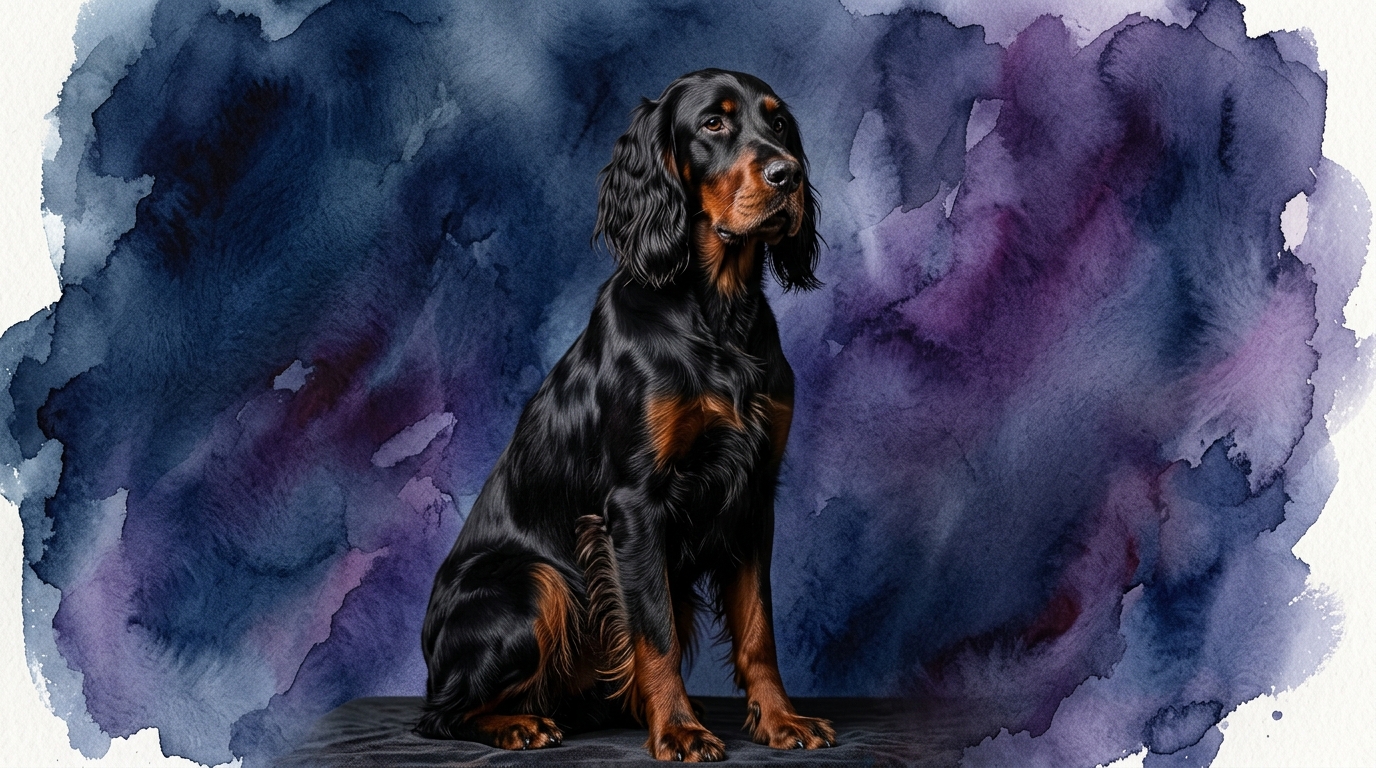
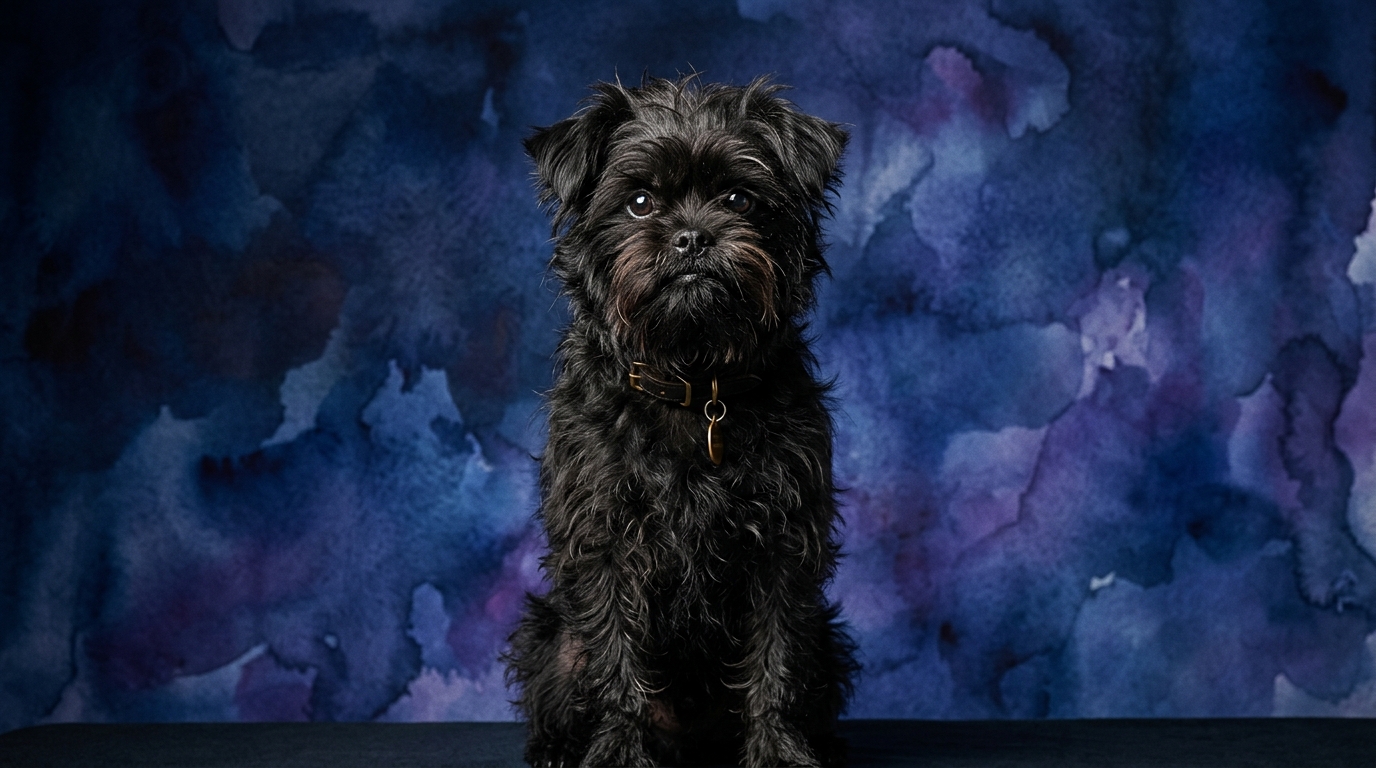
Side-by-Side IQ Profile
**Gordon Setter:** This breed, steeped in a history of field work, demonstrates robust cognitive abilities tailored for its purpose. Their **Problem Solving (4/5)** capacity means they excel at navigating complex environments and devising solutions to novel challenges, often with independence. Their **Training Speed (4/5)** is impressive; they generally grasp new commands and routines with notable alacrity, requiring fewer repetitions to solidify behaviors. In terms of **Social Intelligence (3/5)**, they form strong bonds and interpret human cues effectively, though their working heritage lends them an independent streak. Their **Instinctive Drive (3/5)** is moderate but discernible, primarily focused on scent and retrieve, guiding their engagement. Finally, their **Memory (4/5)** is strong, enabling them to retain a wide array of commands, routines, and spatial information over extended periods, crucial for sustained learning and recall.
**Affenpinscher:** This charming toy breed brings a balanced and practical set of cognitive skills to the companionship role. Their **Problem Solving (3/5)** capability allows them to capably navigate typical household challenges and learn routines, proving adept at figuring out everyday situations. Their **Training Speed (3/5)** suggests they learn at a steady pace, capable of mastering basic obedience and tricks with consistent, positive reinforcement, though they may require more varied approaches. For **Social Intelligence (3/5)**, Affenpinschers connect deeply with their families and are observant of their surroundings, often using their understanding of human emotions to their advantage. Their **Instinctive Drive (3/5)** is present, often expressed as playful curiosity or a moderate prey drive for small critters, reflecting their historical role as ratters, but it is generally manageable. Their **Memory (3/5)** is dependable for commands, routines, and preferred locations, contributing to their adaptability within a family environment.
Where Gordon Setter Wins Cognitively
The Gordon Setter clearly outshines the Affenpinscher in several key cognitive dimensions, reflecting its heritage as a dedicated working dog. Their Problem Solving score of 4/5, compared to the Affenpinscher's 3/5, indicates a more robust capacity for independent thought and strategic planning. This manifests in their ability to quickly adapt to changing conditions in the field or to figure out multi-step puzzles, often requiring less human intervention to reach a solution. For instance, a Gordon Setter might more readily devise a novel way to retrieve a toy from an inaccessible spot or navigate an intricate obstacle course with minimal prior exposure, showcasing their analytical prowess.
Furthermore, the Gordon Setter's Training Speed (4/5 vs. 3/5) and Memory (4/5 vs. 3/5) provide a significant advantage in learning and retention. This means a Gordon Setter typically requires fewer repetitions to master a new command and will remember it more reliably over time, even after periods of inactivity. This cognitive efficiency is crucial for complex scent work, advanced obedience, or competitive dog sports where rapid learning and consistent recall are paramount. Their superior memory aids in building upon previous lessons, allowing for the progressive accumulation of a vast repertoire of behaviors and responses, making them exceptional candidates for specialized training roles.
Where Affenpinscher Wins Cognitively
While the Affenpinscher's individual cognitive scores might be numerically lower than the Gordon Setter's in some areas, their overall cognitive profile represents a distinct "win" in terms of adaptability for a specific lifestyle, particularly regarding their instinctive drive and social intelligence within a companion context. Both breeds share a 3/5 for Social Intelligence, suggesting they are equally adept at understanding and responding to human cues. However, the Affenpinscher's compact size and historical role as a companion and ratter mean this social intelligence is often channeled into more intimate, family-focused interactions, making them exceptionally attuned housemates without the demanding need for a "job" that a Sporting dog might possess.
Their Instinctive Drive, also rated 3/5, is typically less intense and more domestically oriented than a Setter’s. While they retain a playful prey drive for small objects, it’s rarely expressed with the same powerful focus or endurance required for tracking game over long distances. This translates to less potential for the obsessive pursuit of squirrels or birds during walks, making them generally easier to manage in urban or suburban environments. Their balanced cognitive profile across the board, without extreme highs in working-oriented traits, allows them to excel as engaging, charming companions whose mental faculties are perfectly suited to a rich, interactive home life rather than demanding field work. Their 3/5 in problem-solving is entirely adequate for navigating a domestic environment and engaging in interactive toys, without the potential for overthinking or creating complex "mischief" that a higher-scoring problem solver might devise.
Which is Easier to Train and Why
Based on their Pet IQ Lab scores, the Gordon Setter generally presents as the easier breed to train. Their 4/5 Training Speed indicates they grasp new concepts and commands more quickly, requiring fewer repetitions to solidify learning. This efficiency stems from their historical purpose as working dogs, where responsiveness and quick learning were essential for effective collaboration with hunters. They typically exhibit a strong desire to please and focus intently on their handler, traits that streamline the training process. Their superior Memory (4/5) further enhances trainability, as they retain a broad array of commands and routines reliably over time, allowing for more advanced and intricate training without constant re-teaching.
The Affenpinscher, with a 3/5 Training Speed and Memory, will certainly learn, but may require more patience, creativity, and consistency from their trainer. Their independent spirit, sometimes described as a "big dog in a small body," means they might not always be as intrinsically motivated by pleasing their handler; instead, they often need high-value rewards and engaging, varied training sessions to maintain focus. While capable of mastering obedience, their learning curve might be shallower, and they may occasionally display a stubborn streak or a shorter attention span, characteristic of many toy breeds. Successful training with an Affenpinscher relies heavily on making the process fun and rewarding, appealing to their playful nature rather than relying solely on their desire to cooperate.
Which Suits Active Owners vs. Relaxed Owners
The distinction between these two breeds in terms of owner suitability is quite pronounced, largely driven by their cognitive profiles and the behaviors they enable. The Gordon Setter is an ideal match for active owners. Their 4/5 Problem Solving and 3/5 Instinctive Drive, coupled with their physical prowess as a Sporting breed, mean they thrive on regular, vigorous physical exercise combined with stimulating mental challenges. Owners who enjoy long hikes, running, field work, or competitive dog sports will find a Gordon Setter a willing and capable partner. Their cognitive abilities demand engagement; without sufficient mental and physical outlets, they can become restless or channel their problem-solving skills into less desirable behaviors. An active owner can leverage their quick training speed and strong memory for advanced activities, keeping their minds sharp and bodies satisfied.
Conversely, the Affenpinscher aligns well with more relaxed owners, though "relaxed" doesn't mean sedentary. While spirited and playful, their energy requirements are considerably lower than a Setter's, making them content with indoor play, short walks, and interactive puzzle toys. Their 3/5 scores across the board mean they are adaptable and engaging companions without the intense drive or cognitive demands that necessitate a "job." They are perfectly happy to cuddle on the couch after a moderate stroll, and their problem-solving skills are more often applied to figuring out how to get attention or a treat than to tracking game. Owners who prefer a less physically demanding canine companion but still appreciate an engaging, charming, and mentally present dog will find the Affenpinscher a delightful fit.
The Verdict
Select the Gordon Setter if you lead an active lifestyle, seek a cognitively driven canine partner for outdoor adventures or dog sports, and appreciate a highly trainable dog that thrives on mental and physical challenges.
Opt for the Affenpinscher if you desire a spirited yet manageable companion for a less strenuous home life, valuing their charming personality and adaptability in a smaller package.
🧠 Find Your Pet's IQ Score
Our Pet IQ Lab assessment covers 25+ tests across 5 cognitive dimensions — personalized to your breed.
Take the Full IQ Test →Frequently Asked Questions
Does Coren rank apply to the Affenpinscher?
No, the Affenpinscher is not ranked on Stanley Coren's "The Intelligence of Dogs" list, which primarily focused on working and obedience intelligence. Our Pet IQ Lab provides a more granular breakdown of their cognitive dimensions.
Are Affenpinschers difficult to train due to their lower training speed score?
Affenpinschers are not inherently difficult to train, but their 3/5 training speed suggests they may require more patience and engaging, reward-based methods than breeds with higher scores. Consistency and positive reinforcement are key to their learning success.
Do Gordon Setters require constant mental stimulation?
Gordon Setters, with their 4/5 problem-solving and memory scores, certainly benefit from consistent mental stimulation. While they don't need "constant" engagement, daily puzzles, training sessions, and opportunities to use their natural instincts are crucial for their well-being and to prevent boredom.