Side-by-Side IQ Profile: Gordon Setter vs. Chow Chow
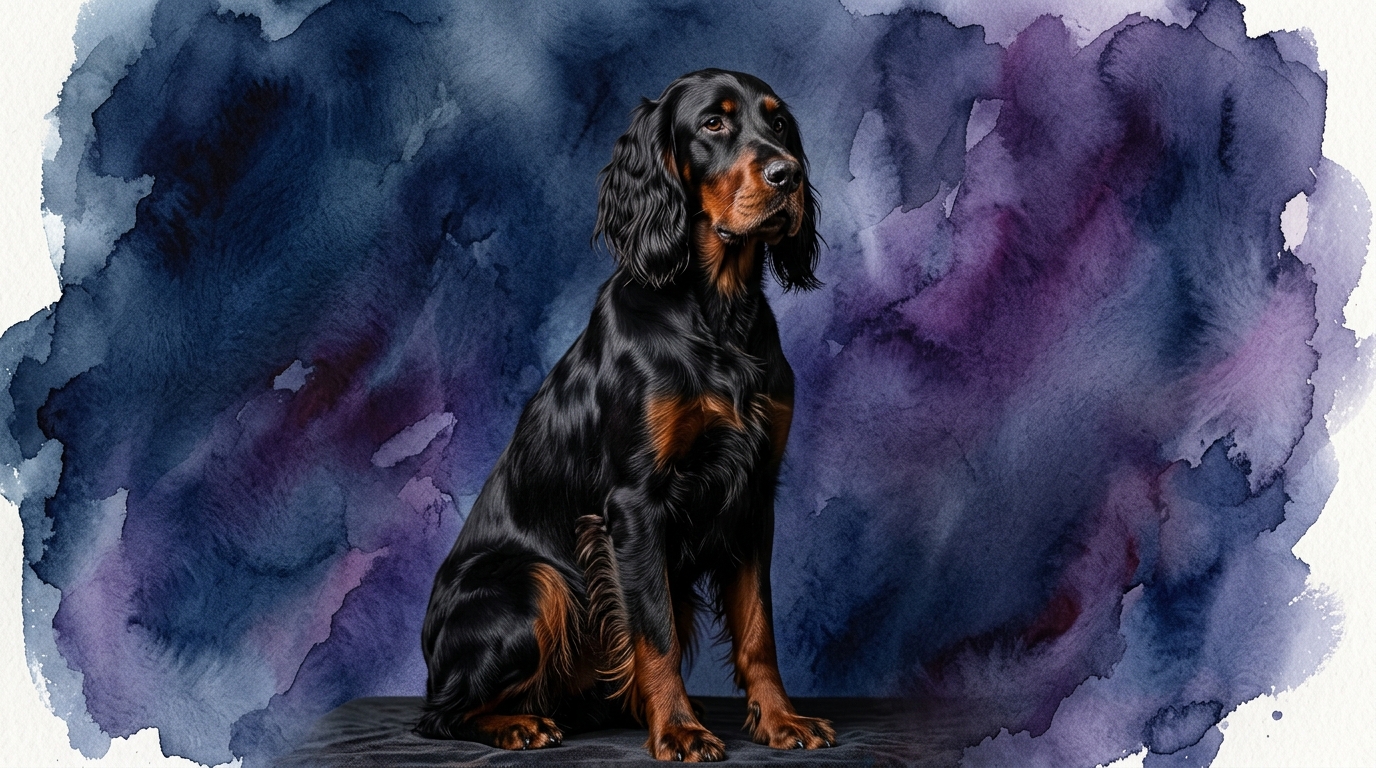
The Gordon Setter, ranking #39 on Coren's scale, showcases a cognitive profile geared towards active partnership and task execution. Their Problem Solving is rated 4/5, indicating a strong aptitude for navigating complex environments and figuring out solutions to obstacles, particularly those related to tracking game or retrieving. Training Speed stands at 4/5, as these dogs are remarkably quick to grasp new commands and routines, processing information efficiently and associating actions with desired outcomes. Social Intelligence is 3/5; while generally amiable, they possess a focused working demeanor. Their Instinctive Drive is 3/5, channeling attention towards hunting and retrieving. Finally, Memory is 4/5, allowing them to retain learned behaviors and complex sequences with impressive accuracy over extended periods.
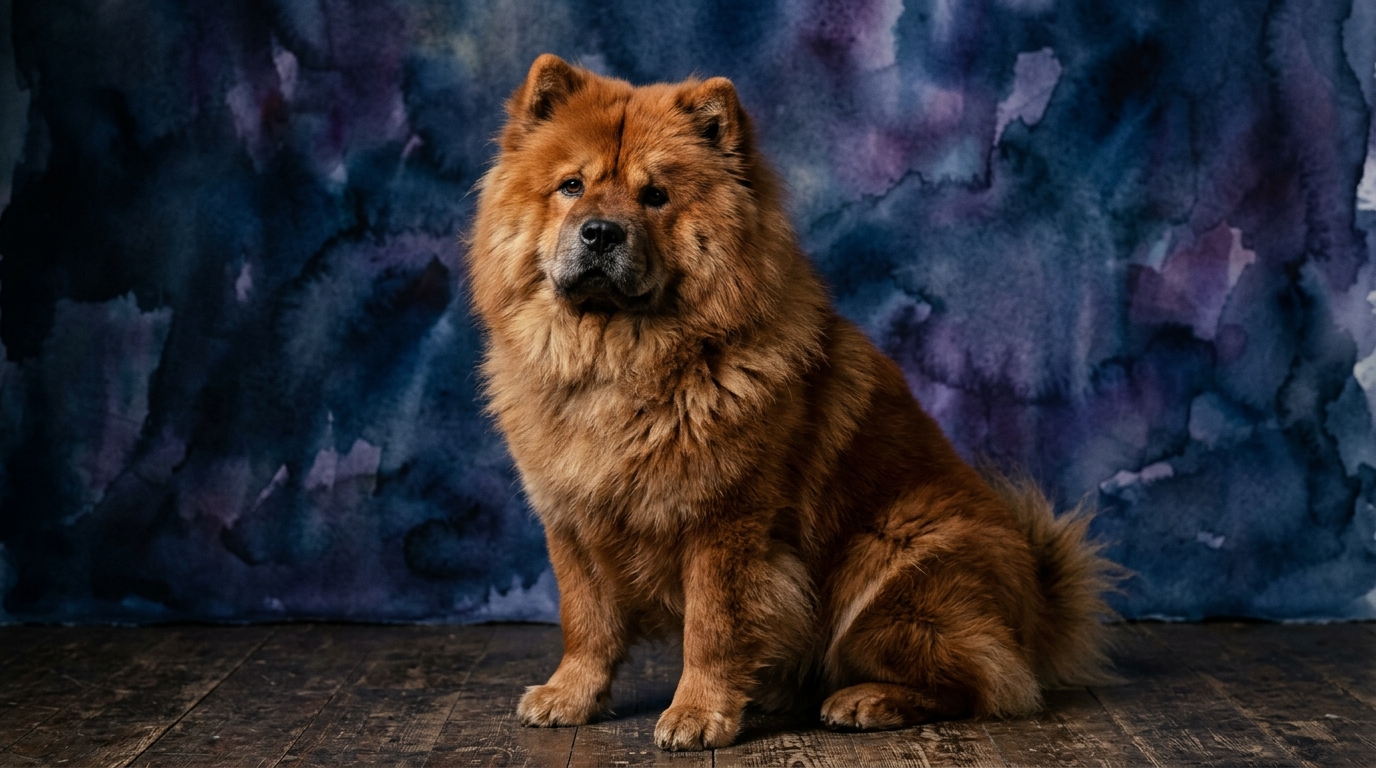
In contrast, the Chow Chow, with a Coren rank of #76, presents a cognitive profile rooted in independence and discernment. Their Problem Solving is 3/5, as they are capable of solving problems but often approach challenges with a degree of independent thought, preferring to devise their own solutions. Training Speed is 3/5; these dogs learn at a moderate pace, often requiring more repetition and consistent motivation due to their self-possessed nature. Social Intelligence is 3/5, reserved and discerning, they form deep, loyal bonds with their chosen family but are not typically overtly demonstrative. Instinctive Drive is 3/5, leaning towards territoriality and guarding rather than prey drive. Their Memory is 3/5, functional for established routines and commands within their accepted framework, but perhaps less fluid for complex, human-initiated sequences.
Where the Gordon Setter Wins Cognitively
The Gordon Setter's superior problem-solving acumen shines brilliantly in scenarios demanding intricate sequential actions or precise navigation, particularly within dynamic environments. Their cognitive strength lies in their ability to process multiple sensory inputs simultaneously—scent, sight, sound—and integrate this data to execute complex tasks like tracking game over varied terrain or mastering elaborate agility courses. Furthermore, their robust memory allows them to recall intricate hunting patterns, specific commands, and the layout of training grounds with impressive consistency, making them exceptionally proficient in tasks demanding sustained mental engagement, precise execution, and long-term recall of learned behaviors.
Where the Chow Chow Wins Cognitively
While not excelling in human-directed, cooperative problem-solving, the Chow Chow demonstrates a unique cognitive strength in independent decision-making and self-sufficiency. Their reserved nature fosters a keen observational intelligence, allowing them to assess situations and make choices based on their own internal logic, often without immediate human intervention. This translates into an ability to manage their environment and personal comfort with a remarkable degree of autonomy. Their specific social intelligence, though selective, allows them to discern subtle cues and intentions within their trusted human companions with great precision, forming incredibly deep, nuanced bonds that might not be outwardly expressive but are profoundly perceptive and loyal.
Training Dynamics: Which is Easier and Why
The Gordon Setter’s inherent eagerness to please, coupled with their high work drive and biddable nature, makes them generally easier and more rewarding to train. They respond enthusiastically to positive reinforcement, quickly connecting actions with desired outcomes and retaining commands thanks to their superior training speed and memory. Their strong desire for partnership and their innate focus on tasks streamline the training process, allowing them to progress rapidly through various levels of obedience, field work, or dog sports. They thrive on collaborative learning, viewing training as an engaging activity shared with their human.
The Chow Chow, conversely, presents a more nuanced training challenge primarily due to their profound independence and lower inclination for immediate, unquestioning compliance. Training a Chow Chow requires immense patience, unwavering consistency, and a deep understanding of their self-possessed nature. They learn, but often on their own terms and timeline, requiring motivation tailored specifically to their interests rather than universal praise or simple repetition. Their cognitive strength lies in their ability to think for themselves, which means trainers must be adept at making desired behaviors seem like the Chow's own idea, rather than forcing compliance. This distinct behavioral trait necessitates a different, more persuasive training approach.
Matching Breeds to Lifestyles: Active vs. Relaxed Owners
An active owner seeking a canine partner for demanding sports, extensive hiking, or dedicated field activities will find the Gordon Setter an ideal match. Their robust physical stamina, combined with a keen cognitive drive that thrives on challenges, makes them perfect companions for an engaged, outdoor-oriented lifestyle. These dogs require consistent and substantial mental and physical outlets to prevent boredom and channel their considerable energy and intelligence constructively. Owners who enjoy long walks, runs, agility, or hunting will find a Gordon Setter's cognitive and physical needs align perfectly with their own active pursuits, fostering a truly symbiotic relationship.
The Chow Chow, while certainly not a sedentary breed, is better suited for owners who appreciate a more relaxed pace and an independent companion. Their moderate energy demands mean they do not require marathon runs or constant high-intensity activity, making them compatible with a less physically demanding lifestyle. However, they still benefit significantly from regular, moderate exercise and consistent mental enrichment that respects their self-possessed nature. Owners who value a calm, dignified presence and are prepared for a dog that forms deep, selective bonds will find the Chow Chow a loyal and discerning companion, thriving with consistent, calm interaction rather than constant, high-energy engagement.
The Verdict
Choose a Gordon Setter if you're an active, engaged owner seeking a biddable, intelligent working partner eager for collaboration and ready to tackle complex mental and physical challenges alongside you.
Opt for a Chow Chow if you are a patient owner who appreciates an independent, reserved, yet deeply loyal companion, valuing their self-possessed nature and unique, discerning social intelligence.
🧠 Find Your Pet's IQ Score
Our Pet IQ Lab assessment covers 25+ tests across 5 cognitive dimensions — personalized to your breed.
Take the Full IQ Test →Frequently Asked Questions
Are Gordon Setters good family dogs?
Yes, Gordon Setters are generally affectionate and can be wonderful family dogs, good with children and other pets, especially when well-socialized from a young age and given sufficient exercise. Their social intelligence helps them integrate smoothly into a family unit, forming strong bonds.
Do Chow Chows shed a lot?
Yes, Chow Chows are heavy seasonal shredders, experiencing significant coat blow twice a year, and requiring regular grooming to maintain their dense double coat and prevent matting. Their independent nature often extends to grooming, so early positive experiences are crucial for cooperative sessions.
What kind of mental stimulation do Chow Chows need?
Chow Chows benefit greatly from puzzle toys, scent work, and consistent, short training sessions that appeal to their independent problem-solving skills, rather than repetitive drills. This respects their unique cognitive style, keeps them engaged without overwhelming their self-reliant nature, and prevents boredom.