Side-by-Side IQ Profile: Gordon Setter vs. Finnish Spitz
The Cosmic Pet Pet IQ Lab employs five key dimensions to evaluate canine cognition, offering a granular view into how different breeds process information and interact with their world. For the Gordon Setter, a Sporting group member, its Coren rank of #39 already suggests a certain cognitive aptitude, while the Finnish Spitz, from the Non-Sporting group, has not been similarly ranked.
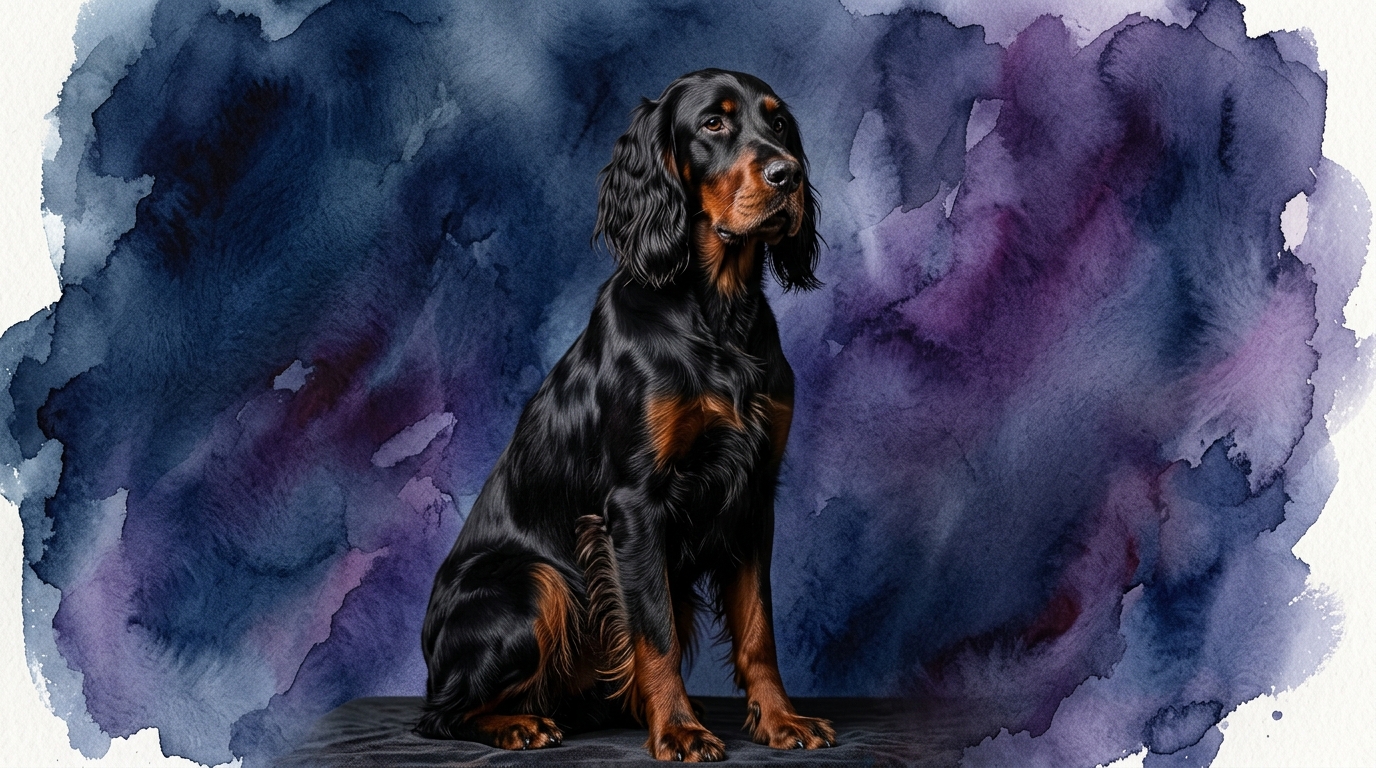
**Gordon Setter IQ Profile:** This breed demonstrates a significant capacity for independent thought and learning. Its Problem Solving score of 4/5 indicates a strong ability to navigate novel situations, figure out complex puzzles, and adapt strategies. The Training Speed of 4/5 reflects a quick grasp of new commands and an eagerness to learn, making them highly receptive to instruction. Social Intelligence at 3/5 suggests they understand human cues well and form strong bonds, though they maintain a degree of independence. An Instinctive Drive of 3/5 points to their heritage as bird dogs, with keen scenting abilities and moderate prey drive, balanced for a companion role. Finally, a Memory score of 4/5 means they retain commands, routines, and experiences over extended periods, contributing to their trainability.
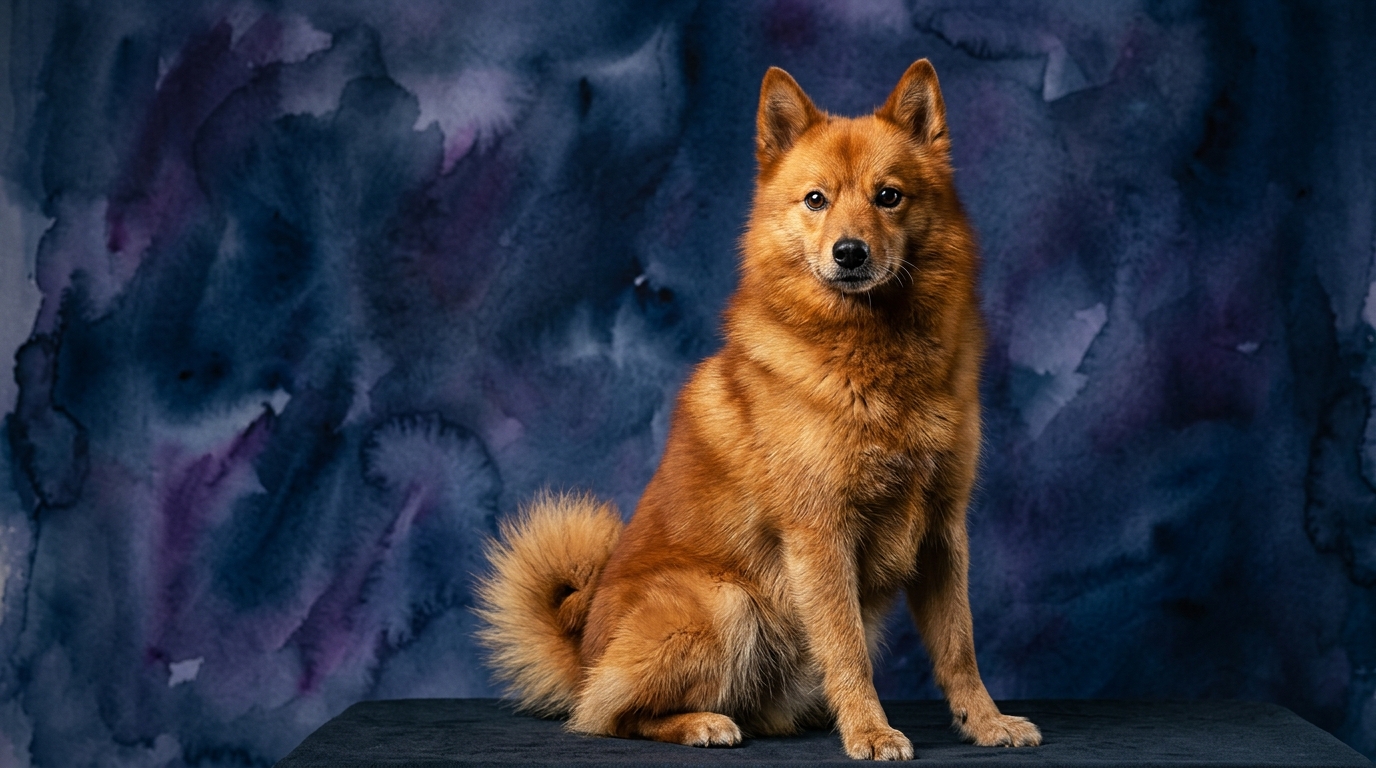
**Finnish Spitz IQ Profile:** This spirited breed presents a distinct cognitive makeup. Its Problem Solving score of 3/5 indicates they can solve challenges, often through a blend of instinct and learned experience, but might take longer to generalize solutions compared to more analytically inclined breeds. A Training Speed of 3/5 suggests they learn at a steady pace, requiring consistent and patient instruction, as their independent streak can sometimes overshadow a desire to please. Social Intelligence, also at 3/5, means they connect with their humans and understand social cues, but are often described as self-reliant and less overtly dependent. Their Instinctive Drive, rated 3/5, is notably channeled into their vocalizations – a fundamental part of their bird-hunting heritage – and a strong desire to explore. A Memory score of 3/5 implies they retain information, though perhaps not with the same immediate recall or long-term precision as breeds with higher scores, potentially needing more frequent refreshers.
Where the Gordon Setter Wins Cognitively
The Gordon Setter’s cognitive profile clearly excels in areas demanding analytical thinking and rapid learning. Their Problem Solving score of 4/5 means they are more adept at navigating complex environments or figuring out intricate puzzle toys without extensive prior experience. This translates into a dog that can independently assess situations and devise solutions, whether it’s finding a hidden treat or maneuvering around an obstacle.
Furthermore, the Gordon Setter's superior Training Speed (4/5) and Memory (4/5) collectively create a highly efficient learner. They absorb new commands and multi-step routines with impressive alacrity and retain that knowledge reliably over time. This cognitive advantage makes them exceptionally well-suited for advanced obedience, competitive dog sports like agility, or intricate field work, where understanding and executing complex sequences quickly is paramount.
Where the Finnish Spitz Wins Cognitively
While the Finnish Spitz's scores might appear lower in direct comparison, their cognitive strengths lie in their unique adaptive abilities and specific instinctive drives. Their Instinctive Drive (3/5), though numerically equal, is profoundly specialized in vocalization and bird-flushing, a deep-seated cognitive program for their ancestral role. Their problem-solving, while rated 3/5, is often geared towards independent decision-making in the field, relying on keen senses and quick, often vocal, reactions rather than complex, human-directed strategies.
The Finnish Spitz's moderate Social Intelligence (3/5) combined with their steady Training Speed (3/5) indicates a self-sufficient temperament. This independence can be a cognitive win for owners who appreciate a dog that isn't overly clingy or prone to separation anxiety, capable of entertaining themselves or making their own decisions when not actively engaged by a human. Their problem-solving might manifest as clever ways to achieve their own goals, showcasing a distinct, often charming, willfulness that requires a different kind of cognitive engagement from their owners.
Which is Easier to Train and Why
Based on their IQ profiles, the Gordon Setter is unequivocally easier to train for most conventional tasks and advanced sports. Their Training Speed of 4/5 signifies that they grasp new concepts and commands quickly, often requiring fewer repetitions. This is bolstered by their 4/5 Memory, ensuring that once a lesson is learned, it is retained for extended periods. Their higher Problem Solving score also means they are more likely to understand the *intent* behind a command and generalize learned behaviors to new contexts, making them highly responsive and eager partners in training.
The Finnish Spitz, with a Training Speed of 3/5 and Memory of 3/5, requires a more patient and consistent approach. They possess an independent streak, sometimes described as 'cat-like,' which means they might weigh whether obeying a command is worth their while. Their strong vocalization instinct, a core part of their heritage, can also present a training challenge if not managed from a young age with positive reinforcement. Owners will find success by making training sessions engaging, fun, and varied, focusing on building a strong relationship rather than expecting immediate, unwavering obedience.
Which Suits Active Owners vs. Relaxed Owners
The Gordon Setter is a clear choice for active owners who relish outdoor adventures and mental engagement. As a Sporting breed, their physical stamina is considerable, requiring significant daily exercise beyond a simple walk. Their high Problem Solving and Training Speed scores mean they thrive on structured activities like long hikes, running, competitive dog sports (agility, obedience, rally), or field work. Owners who can provide consistent mental challenges and a 'job' for their Gordon Setter will find them to be incredibly rewarding and well-adjusted companions.
While not a sedentary breed, the Finnish Spitz caters to a different kind of active owner – one who appreciates a spirited companion with a unique personality, and who can manage their specific needs. They require daily exercise, enjoying varied walks, exploring scents, and supervised outdoor play. However, their independence means they might not demand constant human-directed activity in the same way a Gordon Setter might. They are best suited for owners who understand and appreciate their vocal nature and strong instincts, willing to provide stimulating but perhaps less rigorously structured activities, allowing them opportunities for independent exploration and expression.
The Verdict: When to Choose Each Breed
The Verdict
Choose the Gordon Setter if you seek a highly trainable, responsive dog for dog sports, advanced obedience, or field activities, and are committed to providing consistent physical and mental challenges.
Opt for the Finnish Spitz if you appreciate an independent, spirited, and vocal companion with a unique personality, and are prepared to invest in patient, consistent training to channel their distinctive instincts.
🧠 Find Your Pet's IQ Score
Our Pet IQ Lab assessment covers 25+ tests across 5 cognitive dimensions — personalized to your breed.
Take the Full IQ Test →Frequently Asked Questions
Are Gordon Setters good for first-time dog owners?
Gordon Setters can be suitable for first-time owners who are committed to providing consistent training and ample exercise. Their responsiveness and eagerness to learn make them rewarding, but their energy and need for mental engagement require dedication.
What are the main challenges of owning a Finnish Spitz?
The primary challenges with a Finnish Spitz often stem from their independent nature and strong vocalization instinct. Consistent, positive reinforcement training is essential to manage their barking and ensure they respect boundaries, as they can be quite opinionated.
Do either of these breeds excel in dog sports?
Gordon Setters are excellent candidates for various dog sports like obedience, agility, and field trials, owing to their high training speed and memory. Finnish Spitz can participate in sports, but their independence might make them less enthusiastic about highly structured, repetitive tasks compared to the Gordon.