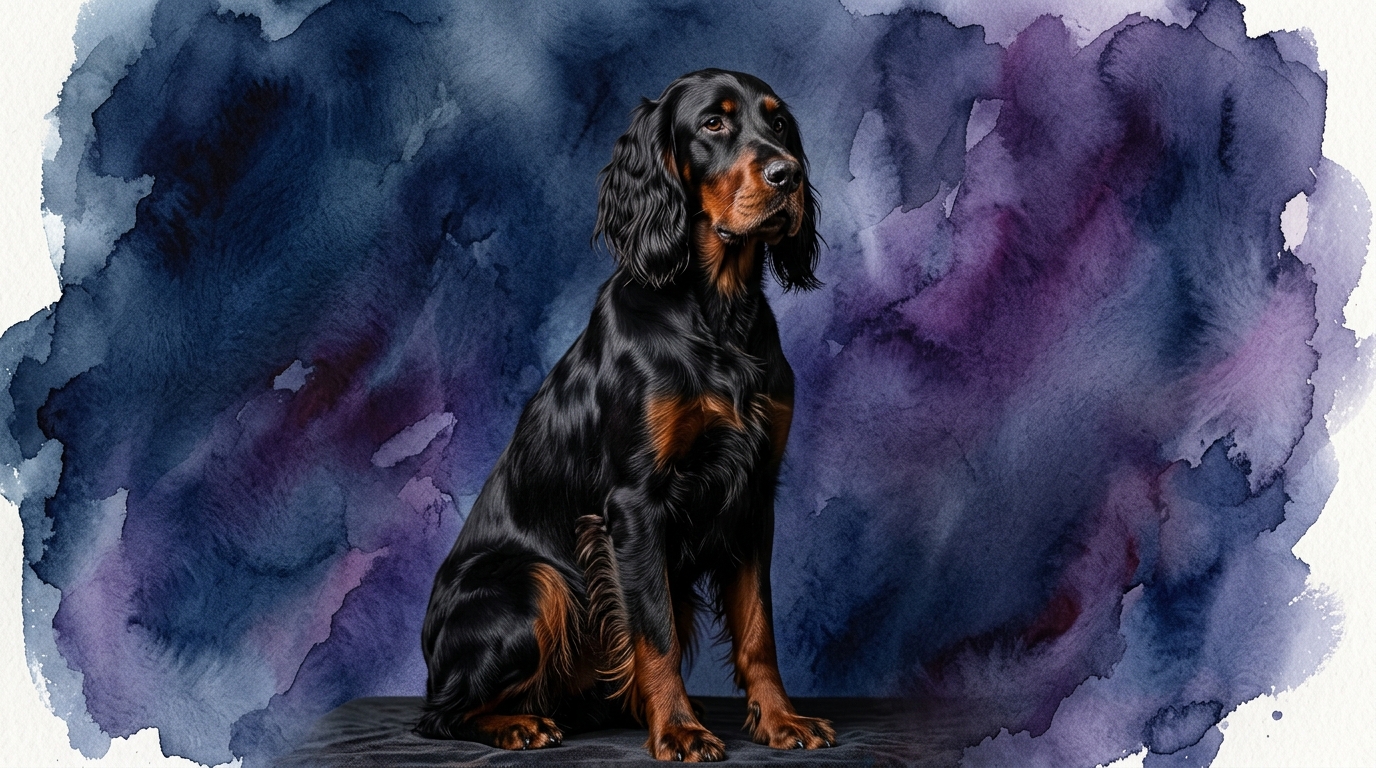
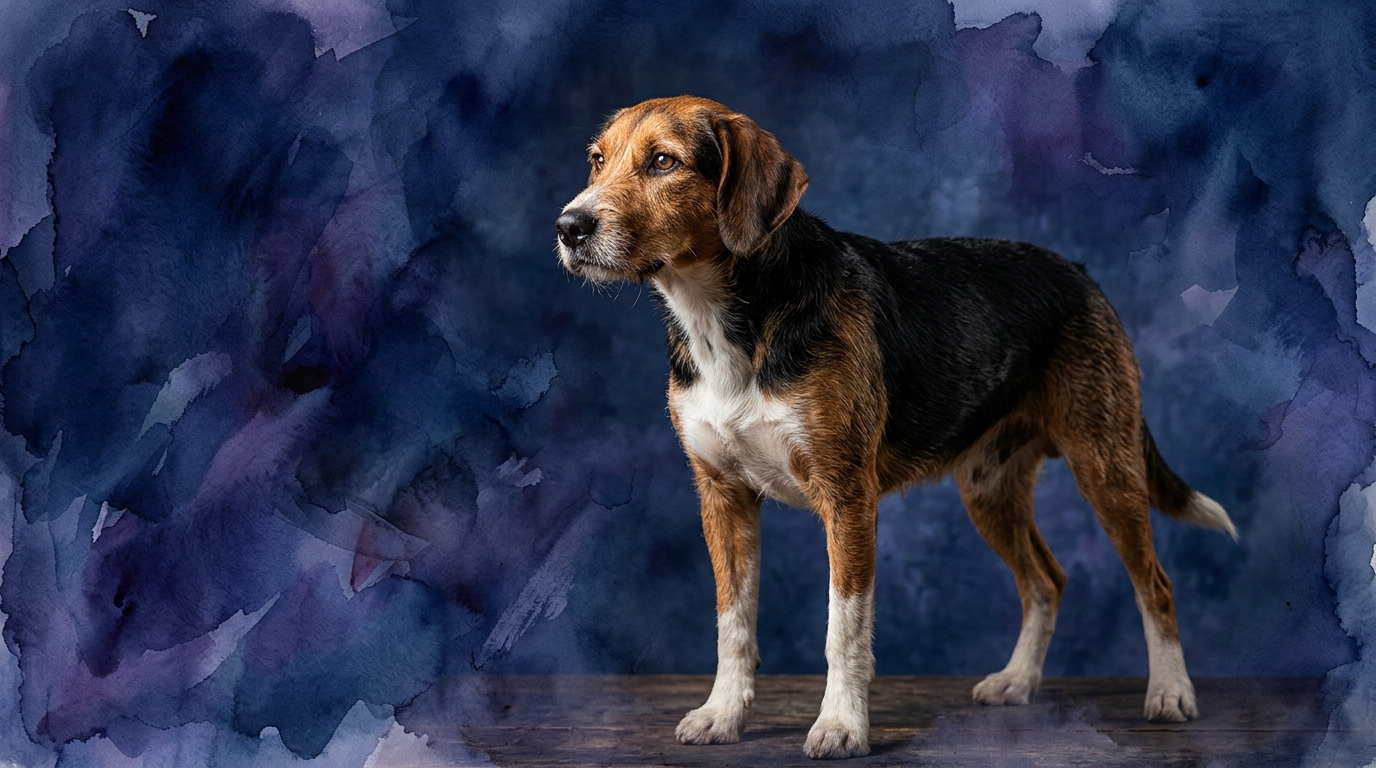
Side-by-Side IQ Profile: Gordon Setter vs. Harrier
The Cosmic Pet Pet IQ Lab offers a fascinating lens through which to compare the cognitive strengths of these two breeds, revealing how their historical roles have influenced their intellectual makeup. The Gordon Setter, a distinguished Sporting dog, earns a Coren rank of #39, indicating a strong capacity for obedience and working intelligence. In contrast, the Harrier, a robust Hound, is not Coren-ranked, which doesn't diminish its intelligence but rather highlights a different manifestation of cognitive prowess.
For the **Gordon Setter**, problem-solving registers at 4/5, reflecting a keen analytical mind capable of navigating complex field scenarios and understanding intricate commands. Their training speed also scores 4/5, indicating a quick grasp of new concepts and an eagerness to learn. Social intelligence is rated 3/5, suggesting a moderate but responsive connection to human cues, while instinctive drive is 3/5, manifesting as a controlled, cooperative hunting focus. Memory, crucial for complex tasks, stands at an impressive 4/5, allowing them to recall routines and sequences reliably.
The **Harrier**, on the other hand, presents a unique cognitive blueprint. Its problem-solving ability is 3/5, primarily geared towards practical, scent-driven challenges rather than abstract reasoning. Training speed is 3/5, reflecting a capable but often independent learner who requires consistent motivation. Social intelligence is 3/5, typically expressed within pack dynamics and family bonds, though less focused on individual human-dog communication than some breeds. Instinctive drive is 3/5, but profoundly rooted in an unwavering pursuit of scent. Memory for the Harrier is 3/5, strong for scent trails and familiar routes, but perhaps less for abstract commands when a compelling scent takes precedence.
Where the Gordon Setter Wins Cognitively
The Gordon Setter’s cognitive strengths shine in areas demanding adaptable learning, precision, and a strong partnership with their handler. Their superior problem-solving (4/5) isn't just about raw intellect; it's about applying learned behaviors to novel situations and understanding multi-step instructions. This means they are adept at tasks requiring foresight, such as maneuvering through an agility course with changing obstacles or mastering complex obedience routines where sequence and timing are critical.
Furthermore, the Gordon Setter's higher training speed (4/5) and memory (4/5) allow them to internalize commands and routines with fewer repetitions. This efficiency makes them exceptionally well-suited for competitive disciplines like field trials, hunt tests, or advanced obedience, where remembering intricate patterns and responding promptly to subtle cues are paramount. Their cognitive profile suggests a dog that not only learns quickly but also retains that knowledge robustly, building a reliable foundation for consistent performance.
Where the Harrier Wins Cognitively
While the Harrier's IQ scores may appear lower in generalized metrics, their cognitive wins are profound within their specialized domain. Their problem-solving (3/5) is intensely focused on the nuances of scent, terrain, and pack coordination. This isn't about solving human-devised puzzles; it's about the intricate, real-time analysis required to follow a faint trail over varied landscapes, deciphering scent changes and making split-second decisions to maintain the pursuit.
The Harrier's instinctive drive (3/5) is an unparalleled asset, manifesting as relentless determination and endurance. This cognitive strength allows them to maintain focus on a scent for extended periods, often ignoring distractions that would deter other breeds. Their memory (3/5), while not as broad as the Gordon Setter's, is acutely attuned to remembering complex scent patterns and successful hunting routes, showcasing a specialized form of intelligence that is highly effective in their ancestral role as a formidable hunting hound. They excel at the 'doing' of the hunt, demonstrating an unwavering, singular purpose.
Which is Easier to Train and Why?
When considering ease of training, the Gordon Setter generally presents a more straightforward experience for most owners. Their training speed of 4/5, coupled with a strong memory and inclination to work cooperatively, means they tend to grasp new commands and concepts with relative ease and enthusiasm. Gordon Setters are often eager to please and respond well to positive reinforcement, making them rewarding partners for consistent, structured training sessions. They are more likely to offer behaviors proactively and maintain focus on their handler.
The Harrier, with a training speed of 3/5, can be more challenging due to its deeply ingrained independence and powerful scent drive. While intelligent, a Harrier's mind is often singularly focused on its nose, meaning that a compelling scent can easily override any command, regardless of how well-practiced. Training a Harrier requires immense patience, creativity, and highly motivating rewards to compete with their natural instincts. Handlers must be prepared for a more persistent approach, working to channel rather than suppress their hound nature, often feeling more like negotiating than commanding. Their independent streak means they might choose to follow a scent over a known command if not adequately motivated.
Which Suits Active Owners vs. Relaxed Owners?
Both the Gordon Setter and the Harrier are breeds that require significant activity, but the *nature* of that activity differs, influencing which type of owner they suit. The Gordon Setter thrives with active owners who enjoy structured outdoor pursuits like long hikes, running, or field work. They benefit immensely from mental stimulation through training, puzzle toys, and learning new skills. While they need consistent exercise, a well-exercised Gordon Setter is generally content to settle indoors, making them suitable for owners who appreciate a balance of activity and calm companionship within the home.
The Harrier, however, is unequivocally a breed for very active, experienced owners. Their profound need for vigorous, sustained exercise, often requiring off-leash opportunities to run and explore scents, cannot be overstated. Harriers are not suited for relaxed owners or those unable to provide daily, intense physical and mental outlets for their tireless energy and strong prey drive. Owners must be prepared for a dog with incredible stamina and a singular focus on scent, requiring a lifestyle that embraces long, energetic outdoor adventures and dedicated management of their hound instincts.
The Verdict
Choose the Gordon Setter if you desire a highly trainable, intelligent companion for structured activities, enjoy mental challenges, and appreciate a dog that is generally more responsive to direction.
Choose the Harrier if you are an experienced, active owner who revels in endurance activities, appreciates a dog with formidable scenting abilities and independence, and is prepared for dedicated, persistent training to channel their deep-seated instincts.
🧠 Find Your Pet's IQ Score
Our Pet IQ Lab assessment covers 25+ tests across 5 cognitive dimensions — personalized to your breed.
Take the Full IQ Test →Frequently Asked Questions
Is the Gordon Setter a good choice for first-time dog owners?
The Gordon Setter can be a good choice for first-time owners who are committed to consistent training and providing ample exercise. Their biddable nature and eagerness to learn make them receptive to guidance, but their energy levels require a dedicated owner.
How much exercise does a Harrier typically need daily?
A Harrier typically needs a substantial amount of vigorous exercise daily, often an hour or more of intense activity like running, hiking, or off-leash exploration in a secure area. Their high stamina and strong scent drive necessitate extensive physical and mental outlets to prevent boredom and destructive behaviors.
Can Harriers be trained for competitive obedience or agility?
While Harriers are capable of learning, their independent nature and strong scent drive can make competitive obedience or agility more challenging than with breeds like the Gordon Setter. Success requires exceptional patience, highly motivating rewards, and a deep understanding of hound psychology to keep them engaged and focused.