Side-by-Side IQ Profile: Gordon Setter vs. Miniature Bull Terrier
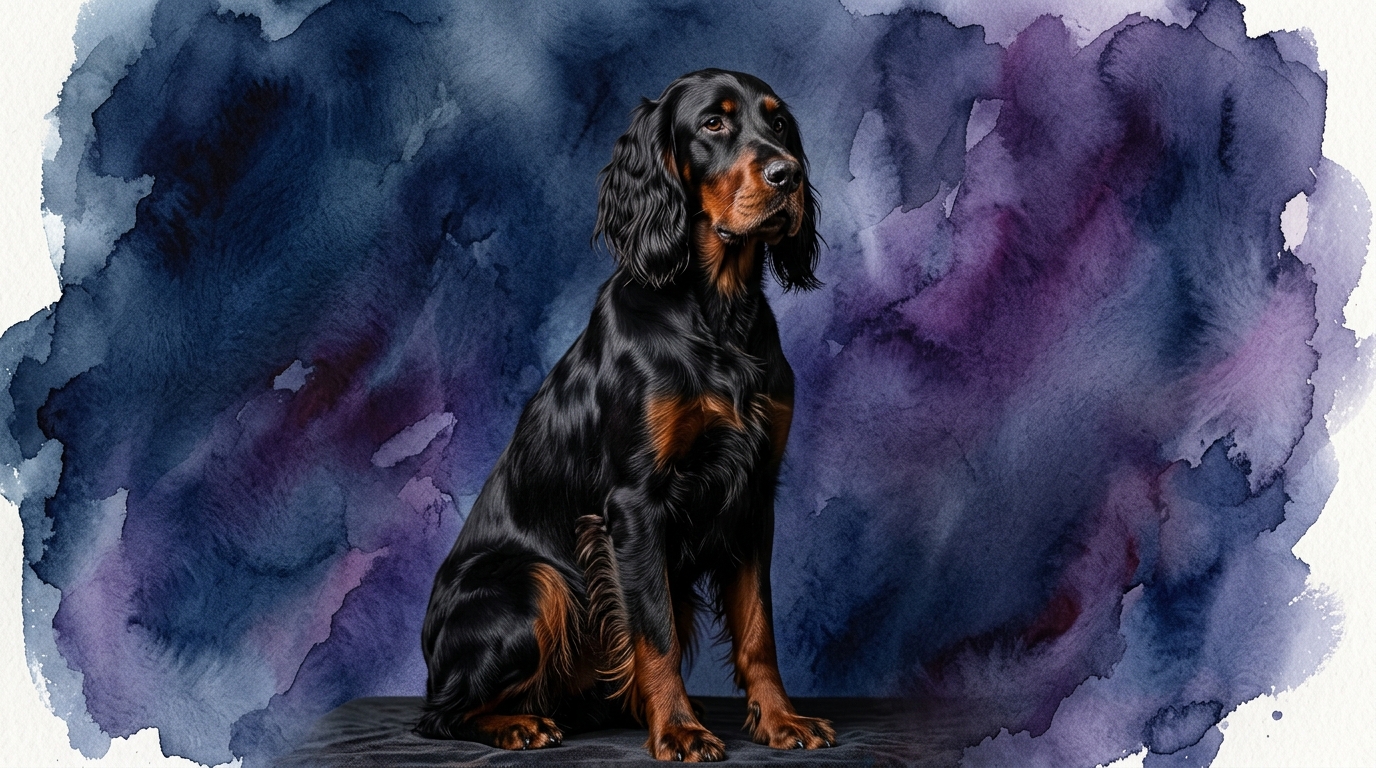
The Gordon Setter, a distinguished member of the Sporting Group, carries a proud heritage of field work, reflected in its Coren rank of #39, indicating its strong capacity for working and obedience. Its problem-solving ability, rated at 4/5, suggests a dog adept at navigating complex situations and figuring out solutions independently. With a training speed of 4/5, these dogs typically grasp new commands and routines with remarkable quickness, eager to engage with their handlers. Social intelligence, at 3/5, indicates a balanced capacity for reading human cues and interacting, though they can retain a dignified independence. Their instinctive drive, also 3/5, points to a moderate but present prey drive, rooted in their bird dog lineage. Finally, a memory score of 4/5 ensures they retain learned behaviors and past experiences efficiently, building upon their training.
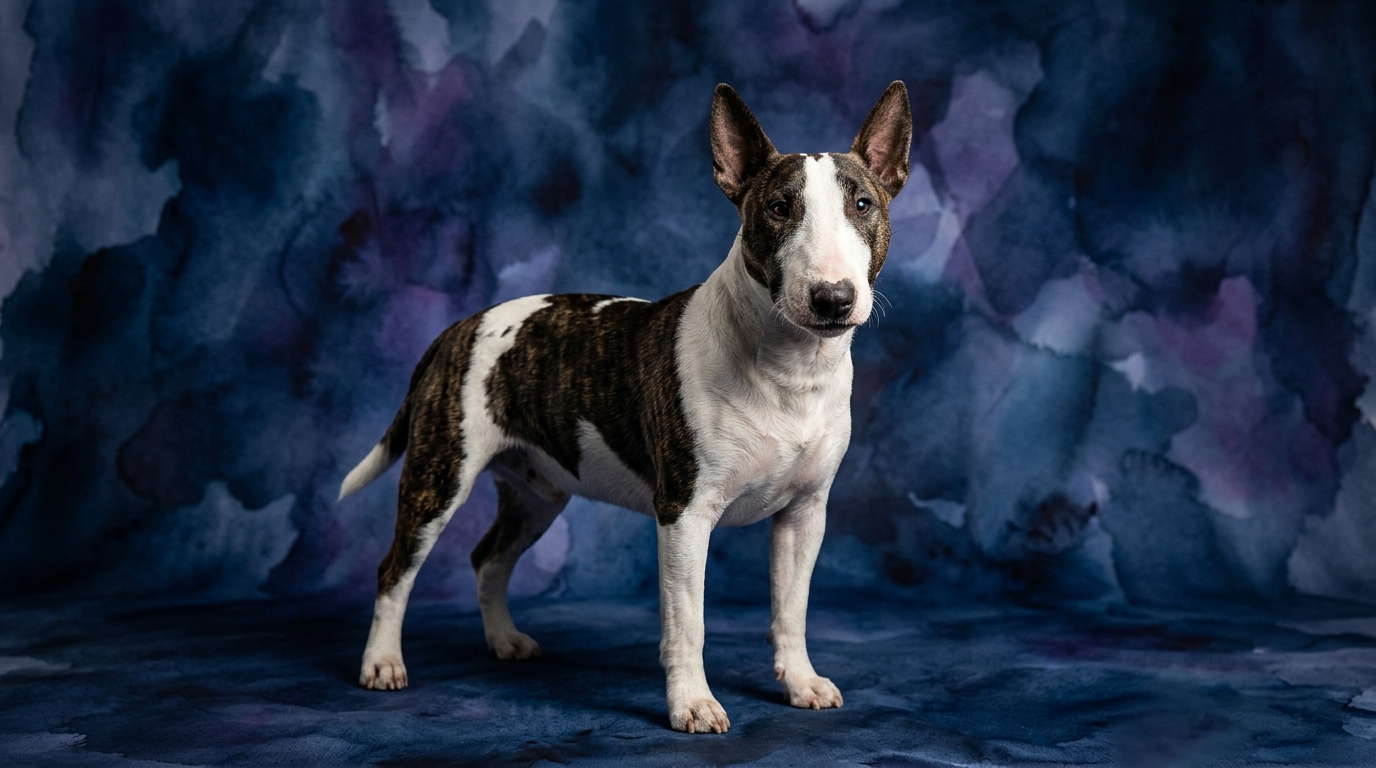
Hailing from the Terrier Group, the Miniature Bull Terrier presents a unique cognitive blueprint, not appearing on the Coren ranking, which often suggests a different kind of working intelligence than obedience-focused breeds. Its problem-solving ability, rated at 3/5, implies a capable but perhaps less conventional approach, often characterized by determination rather than quick strategic thinking. A training speed of 3/5 means they are certainly trainable, but they require more patience, consistency, and engaging methods to master new tasks. Their social intelligence, at 3/5, reflects a strong bond with their immediate family but can be selective or reserved with strangers, showcasing a distinct social dynamic. An instinctive drive of 3/5 highlights their terrier roots, encompassing traits like digging and a chase instinct, though perhaps less focused than a scent-driven setter. Their memory, rated at 3/5, suggests they learn and retain information, but might benefit from more frequent refreshers compared to breeds with higher scores.
Where the Gordon Setter Wins Cognitively
The Gordon Setter demonstrates clear cognitive advantages, particularly in areas valued for structured tasks and cooperation. Their superior problem-solving (4/5) allows them to more readily adapt to novel situations and independently devise strategies, whether it's navigating an agility course or figuring out how to retrieve a toy from a tricky spot. This breed's elevated training speed (4/5) makes them exceptionally responsive to instruction, absorbing new commands and sequences with fewer repetitions. This translates into a more fluid and less frustrating training experience for both dog and owner. Furthermore, their stronger memory (4/5) ensures that once a lesson is learned, it is retained for the long term, building a robust foundation of knowledge and skills. This combination of quick learning, effective problem-solving, and reliable retention provides a distinct edge in environments requiring consistent performance and adaptability.
Where the Miniature Bull Terrier Wins Cognitively
While the Miniature Bull Terrier's scores might appear lower in traditional metrics, their cognitive strengths lie in their tenacity and unique approach to challenges. Their problem-solving (3/5) is often characterized by an unwavering determination; rather than seeking the most efficient path, they will persistently try different angles until a solution is found, a trait invaluable in situations requiring sheer grit. This breed often exhibits a profound, almost intuitive understanding of their specific human companions, a deep social intelligence (3/5) that, while not broadly applied, creates an incredibly strong, empathetic bond within their trusted circle. Their distinctive terrier drive (3/5) fuels a focused pursuit of interests, whether it's a favorite toy or a scent, showcasing a singular dedication that, when harnessed, can be a powerful motivator. This unique blend of persistence and selective social acumen defines their cognitive character, making them profoundly capable in their own unique way.
Which is Easier to Train and Why?
When it comes to ease of training, the Gordon Setter generally presents a more straightforward path. Their higher training speed (4/5) means they are quicker to pick up on new commands and cues, often requiring fewer repetitions before mastering a behavior. This is largely due to their sporting heritage, which has instilled a natural inclination to work cooperatively with a handler and respond to direction. They often find the process of learning and performing tasks mentally stimulating and rewarding, making them eager participants. In contrast, the Miniature Bull Terrier, with a training speed of 3/5, requires a more patient, creative, and consistent approach. Their independent and sometimes stubborn nature, a hallmark of many terrier breeds, means they might question the necessity of a command or simply decide they have other priorities. Training a Mini Bull Terrier often involves making the process highly engaging, leveraging positive reinforcement and varying routines to prevent boredom and maintain their interest. Owners must be prepared for a longer, more nuanced training journey with the Miniature Bull Terrier, focusing on building trust and making training feel like a shared game rather than a command performance.
Which Suits Active Owners vs. Relaxed Owners?
The choice between these two breeds also hinges significantly on an owner's lifestyle and activity level. The Gordon Setter is unequivocally suited for active owners. As a sporting breed, they possess considerable stamina and require substantial daily exercise to remain content and well-adjusted. This includes long runs, brisk hikes, or engaging in field activities that tap into their natural instincts. Owners who enjoy outdoor adventures, dog sports like agility or obedience, or even hunting, will find the Gordon Setter a willing and energetic companion. A relaxed, sedentary owner would likely struggle to meet the Gordon Setter's physical and mental needs, potentially leading to boredom and behavioral issues. The Miniature Bull Terrier, while not as demanding as a Gordon Setter, still requires a moderately active owner. They thrive on daily walks, structured play sessions, and opportunities to burn off their terrier energy. While they can enjoy lounging with their family, neglecting their exercise needs can lead to destructive behaviors or excessive barking. They are less suited for purely relaxed owners but can adapt to a slightly less intense activity schedule than the Gordon Setter, as long as their mental stimulation needs are met.
The Verdict
Choose the Gordon Setter if you seek a highly responsive, cooperative companion for outdoor adventures and dog sports, appreciating a dog that learns quickly and enjoys working closely with you.
Choose the Miniature Bull Terrier if you are drawn to a unique, tenacious, and devoted personality, are prepared for a patient, consistent training approach, and value a dog that offers both spirited play and deep companionship on its own terms.
🧠 Find Your Pet's IQ Score
Our Pet IQ Lab assessment covers 25+ tests across 5 cognitive dimensions — personalized to your breed.
Take the Full IQ Test →Frequently Asked Questions
Is the Gordon Setter a good family dog?
Yes, Gordon Setters are generally very loyal and affectionate with their families. They are good with children, especially if raised with them, but their energy and size mean supervision is wise with very young kids.
Are Miniature Bull Terriers good with other pets?
Miniature Bull Terriers can be good with other pets, particularly if socialized from a young age. However, their strong prey drive and potential for dog-dog aggression mean careful introductions and supervision are often necessary, especially with smaller animals.
What kind of mental stimulation does a Miniature Bull Terrier need?
Miniature Bull Terriers benefit greatly from mental challenges like puzzle toys, interactive games, and trick training. Their independent nature means varied activities keep them engaged, preventing boredom and channeling their determination positively.