Side-by-Side IQ Profile: Gordon Setter vs. Skye Terrier
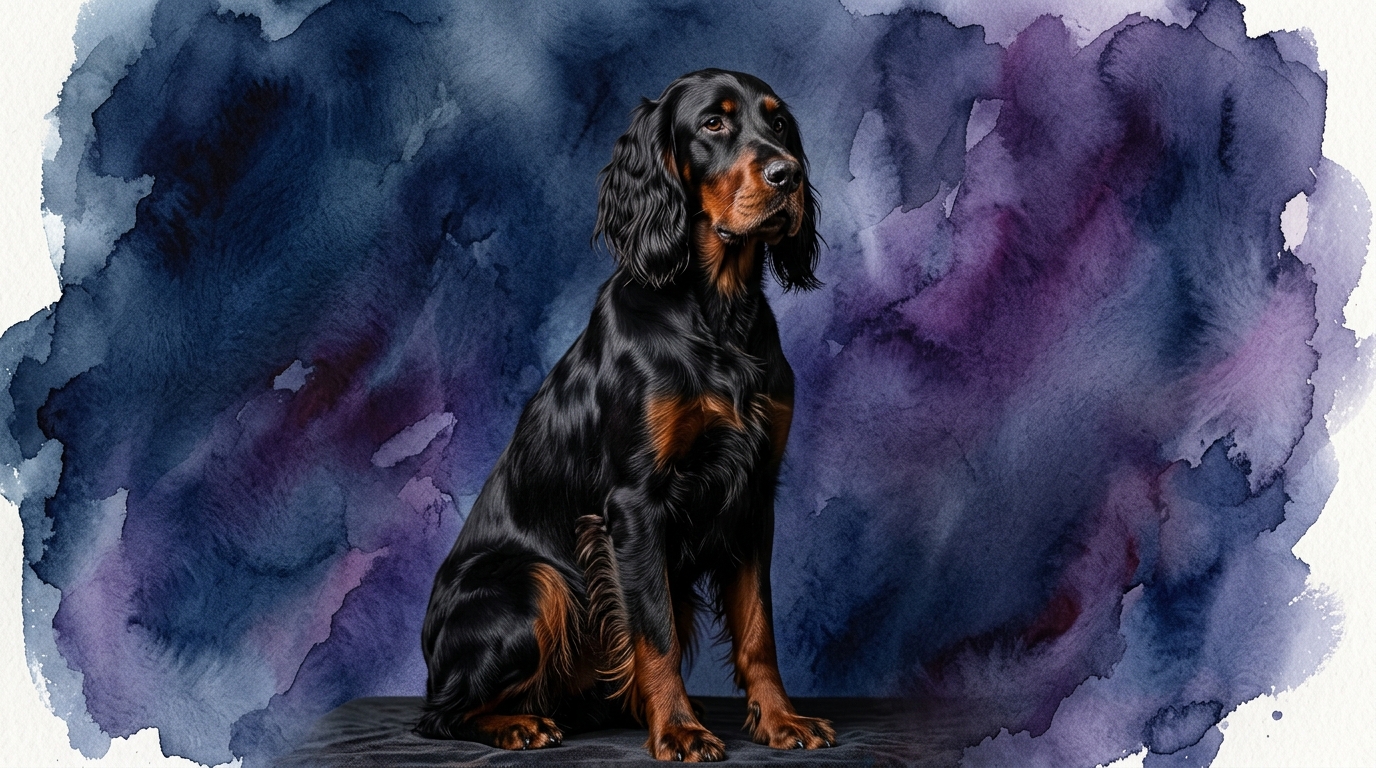
From The Cosmic Pet Pet IQ Lab, the Gordon Setter, a Sporting group member with a Coren rank of #39, presents a cognitive profile indicating strong capabilities. Their Problem Solving is rated 4/5, reflecting a solid capacity for navigating novel situations and understanding complex tasks. Training Speed also scores 4/5, suggesting a rapid grasp of commands and routines, often eager to comply. Social Intelligence is rated 3/5, indicating a moderate understanding of human cues and emotional states, while their Instinctive Drive is 3/5, reflecting a balanced drive for hunting and tracking. A Memory score of 4/5 demonstrates good retention of learned behaviors and experiences.
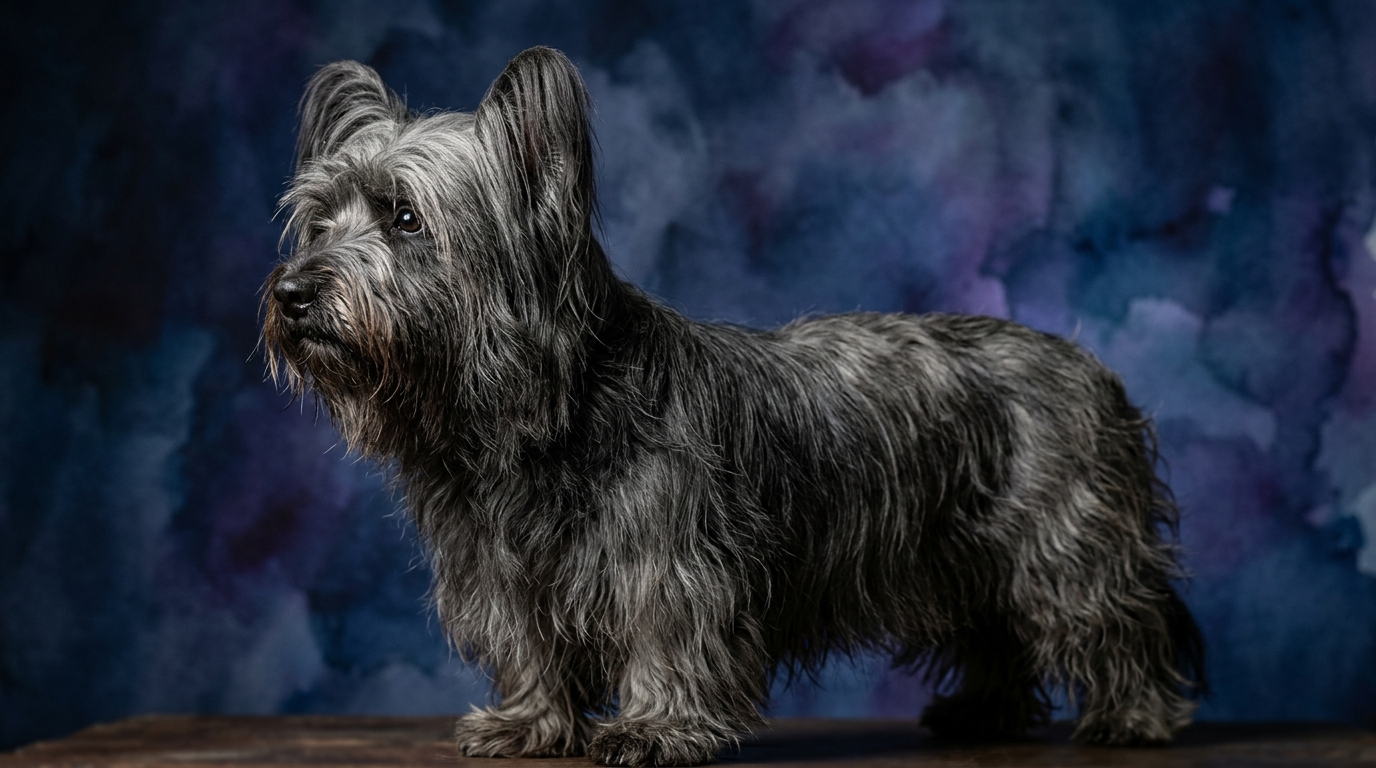
The Skye Terrier, a Terrier group member not Coren-ranked, showcases a distinct set of cognitive strengths. Their Problem Solving is rated 3/5, displaying a respectable ability to figure things out, often with an independent streak. Training Speed is 3/5, indicating a steady, though perhaps not lightning-fast, learning pace. Social Intelligence matches the Gordon at 3/5, suggesting a moderate attunement to social signals, often expressed with terrier reserve and deep loyalty. Their Instinctive Drive is 3/5, pointing to a persistent, purposeful drive typical for a vermin hunter. Finally, their Memory is rated 3/5, a solid capacity for recall, though potentially less expansive than the Gordon Setter.
Where the Gordon Setter Wins Cognitively
The Gordon Setter’s cognitive profile generally exhibits a more pronounced aptitude for cooperative learning and complex task execution. Its 4/5 rating in Problem Solving reflects a breed eager to engage with new challenges, often seeking human input to resolve them—a trait invaluable for a field dog needing to adapt to varied terrains and game scenarios. This is further complemented by its 4/5 Training Speed, meaning new commands and elaborate sequences are absorbed quickly, making them responsive partners in activities like obedience, agility, or field trials.
The superior Memory score of 4/5 ensures that once learned, these behaviors are retained reliably over time, reducing the need for constant re-training. This combination of mental agility, rapid learning, and strong recall positions the Gordon Setter as a breed capable of mastering a broad repertoire of skills, from intricate hunting patterns to complex household routines, making them particularly receptive to structured learning environments. Their ability to process and act upon information swiftly, coupled with a desire to work alongside their human, gives them an edge in tasks requiring sustained focus and intricate coordination.
Where the Skye Terrier Wins Cognitively
While the Skye Terrier's scores are generally a point lower in several categories compared to the Gordon Setter, their cognitive strengths lie in a different, equally valuable domain: independent problem-solving and tenacious focus. Their 3/5 rating in Problem Solving, though numerically lower, speaks to a breed that often prefers to tackle challenges on its own terms, a hallmark of their terrier heritage where self-reliance was crucial for hunting vermin without direct human guidance. This self-sufficiency means they excel in situations where persistence and individual initiative are paramount, rather than strict adherence to commands.
Their equal 3/5 Instinctive Drive, when channeled appropriately, translates into an unwavering determination in pursuing tasks they deem worthwhile, whether investigating a scent or mastering a puzzle toy. This drive, combined with their adequate 3/5 Memory, allows them to remember and repeat successful independent strategies. The Skye Terrier's social intelligence, also rated 3/5, often manifests as a discerning loyalty, forming deep bonds with their chosen few, and while not overtly effusive, they possess a quiet perceptiveness to their family's moods, offering a profound, understated companionship. Their cognitive 'win' is in their robust mental fortitude and self-directed approach, making them excellent companions for those who appreciate an independent spirit that thinks for itself.
Which Is Easier to Train and Why
Based on the IQ metrics, the Gordon Setter holds a distinct advantage in terms of ease of training. Its 4/5 rating in Training Speed directly indicates a quicker uptake of new commands and routines, meaning fewer repetitions are typically needed for a Gordon Setter to understand and perform a desired behavior. This is intrinsically linked to their problem-solving ability (4/5) and memory (4/5); they grasp the 'how' and 'why' of a task more readily and retain that information effectively. As a sporting dog, the Gordon Setter was historically bred to work in close partnership with hunters, requiring a cooperative temperament and a responsiveness to human direction. Their inherent desire to please, coupled with their cognitive strengths, makes them generally more amenable to traditional obedience training, positive reinforcement methods, and learning complex sequences.
In contrast, the Skye Terrier's 3/5 Training Speed, while respectable, suggests a more deliberate learning pace. Terriers, by nature, possess a strong independent streak and a formidable instinctive drive (3/5), bred to make decisions autonomously when pursuing quarry. This can translate into a 'what’s in it for me?' attitude, requiring more patience, consistency, and highly motivating rewards from trainers. While they are certainly capable of learning, their self-reliant problem-solving (3/5) means they might question commands or prioritize their own instincts over human directives, making training a more engaging, albeit sometimes challenging, endeavor that demands creativity and understanding of the terrier psyche.
Active Owners vs. Relaxed Owners: Finding the Right Cognitive Match
The choice between a Gordon Setter and a Skye Terrier largely depends on an owner's lifestyle and their preferred level of engagement with their dog's mental and physical needs. The Gordon Setter, with its sporting heritage and higher cognitive scores in problem-solving and training speed, is an ideal match for active owners who thrive on outdoor adventures and enjoy consistent, structured engagement. Their moderate instinctive drive (3/5) means they benefit from outlets like long hikes, retrieving games, scent work, or participation in dog sports such as agility or obedience. These activities not only provide the necessary physical exercise but also stimulate their keen minds, preventing boredom and channeling their cooperative nature. An owner who enjoys teaching new tricks, refining behaviors, and dedicating time to advanced training will find a Gordon Setter a highly rewarding and capable partner.
Conversely, the Skye Terrier, while not a couch potato, is generally better suited for owners who might prefer a more relaxed pace but still appreciate a dog with character and a moderate, consistent need for activity. Their independent problem-solving (3/5) and strong instinctive drive (3/5) mean they appreciate purposeful walks, exploring new scents, and engaging with puzzle toys that challenge their self-reliant nature. While they enjoy their family's company, they are often content to observe and guard their domain, making them suitable for owners who value a loyal, discerning companion that doesn't demand constant, high-intensity interaction. They require regular exercise but are less likely to need the extensive, vigorous daily workouts of a sporting breed, fitting well into a home that offers consistent walks and mental stimulation without requiring extreme athleticism.
The Verdict
Opt for the Gordon Setter if you are an active individual or family seeking a cooperative, eager-to-please companion for outdoor adventures and structured training, valuing a quick learner and a responsive partner.
Select the Skye Terrier if you appreciate an independent, discerning companion with a quiet loyalty, are prepared for a more self-reliant approach to problem-solving, and seek a dog with moderate exercise needs and a strong sense of purpose.
🧠 Find Your Pet's IQ Score
Our Pet IQ Lab assessment covers 25+ tests across 5 cognitive dimensions — personalized to your breed.
Take the Full IQ Test →Frequently Asked Questions
How do the social intelligence scores of the Gordon Setter and Skye Terrier compare?
Both breeds share a 3/5 rating in social intelligence, suggesting a moderate capacity for understanding human cues. However, a Gordon Setter's expression of this might be more openly affectionate and cooperative, while a Skye Terrier's social understanding often manifests as a discerning loyalty and a more reserved, yet deeply perceptive, bond with its chosen family.
Does the Gordon Setter's Coren rank influence its training ease?
Yes, the Gordon Setter's Coren rank of #39 reflects its above-average working and obedience intelligence, aligning with its 4/5 training speed. This indicates a breed generally more responsive to commands and quicker to learn complex tasks, making the training process often smoother and more rewarding for owners.
What specific activities would best engage a Skye Terrier's problem-solving and instinctive drive?
To engage a Skye Terrier's 3/5 problem-solving and instinctive drive, activities like scent work, earthdog trials (if available and suitable), or puzzle toys that require manipulation to dispense treats are excellent. These tap into their natural inclination for independent investigation and persistence, providing mental stimulation without demanding constant human direction.