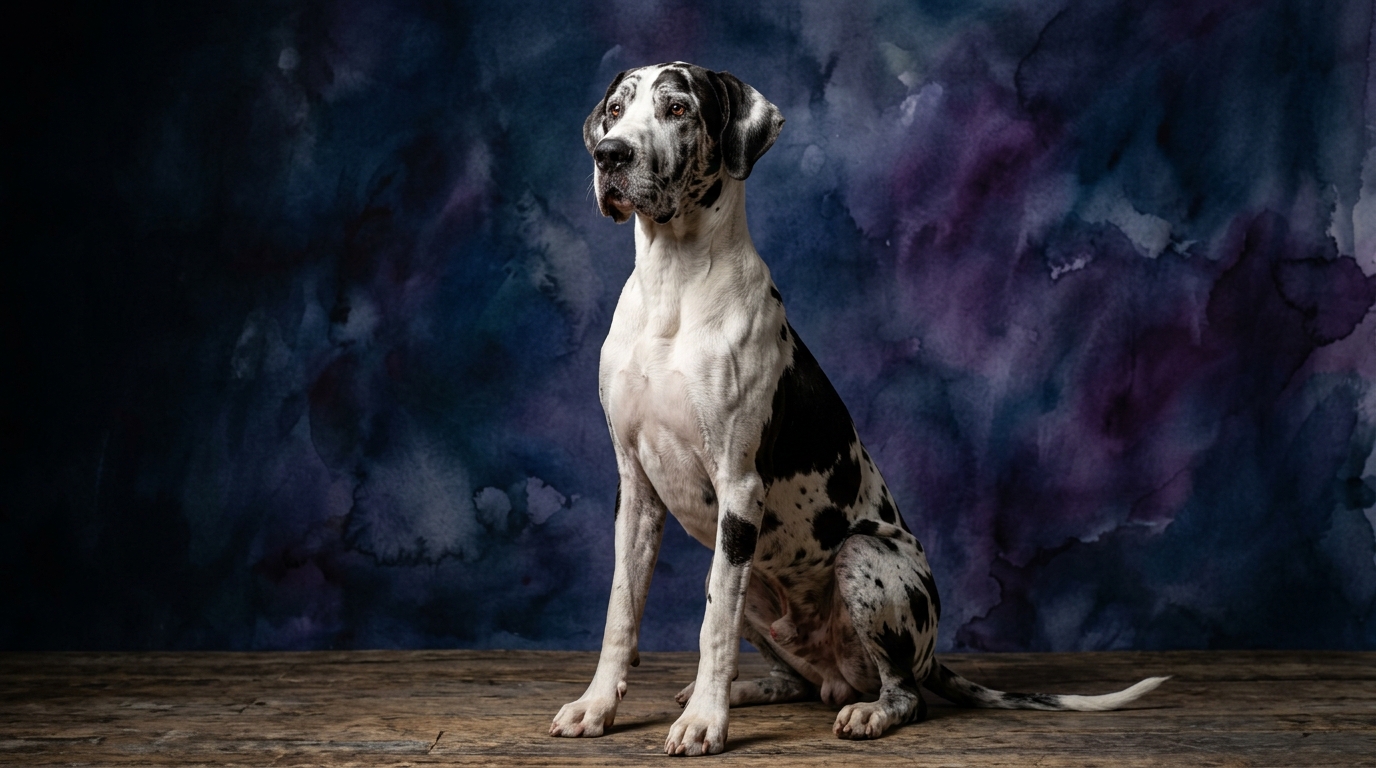
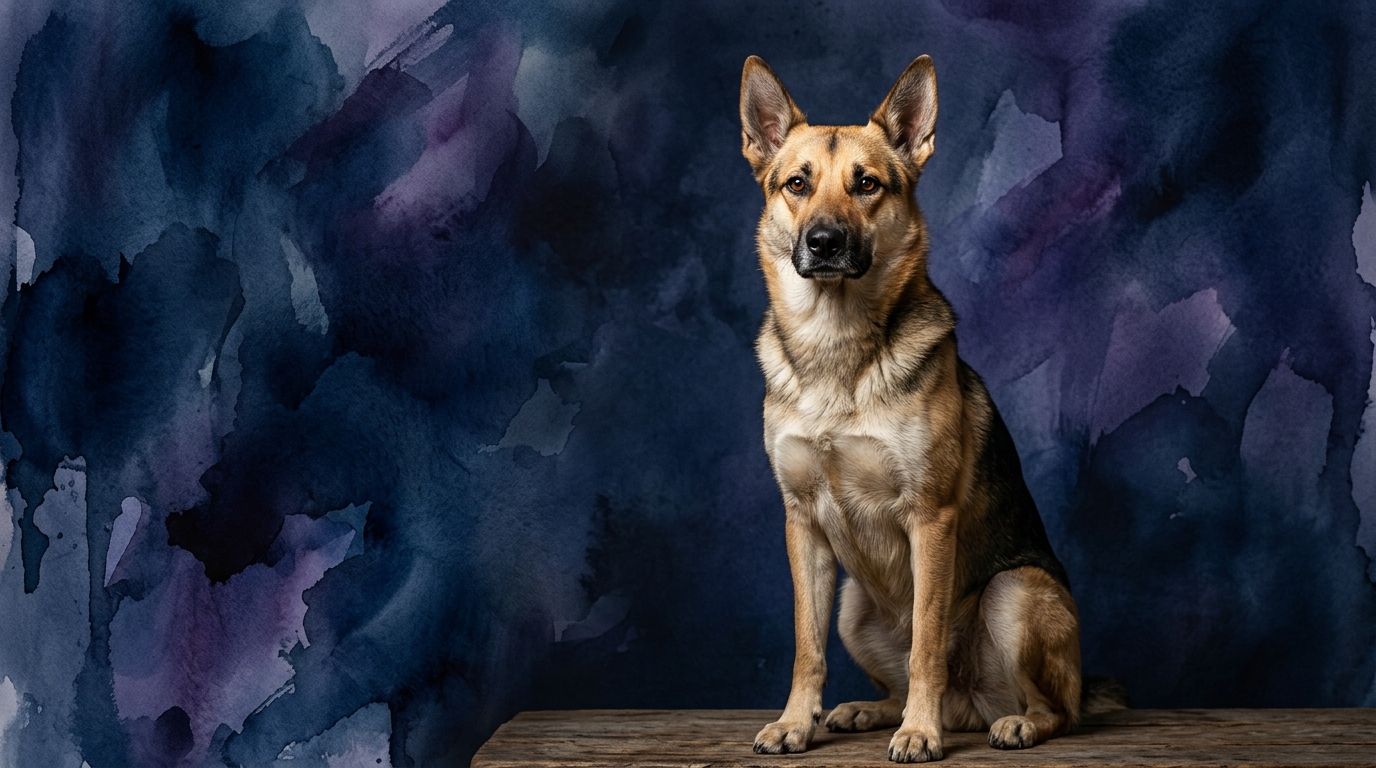
Side-by-Side IQ Profile: Great Dane vs. Canaan Dog
The Great Dane, ranked #48 by Dr. Stanley Coren, presents a cognitive profile characterized by a balanced yet notably socially-oriented intellect. Their Problem Solving ability is rated at 3/5, indicating a capacity for moderately complex tasks, though they often lean on human guidance or established routines rather than forging independent solutions. Training Speed also sits at 3/5, meaning they absorb new commands at a steady, consistent pace, thriving with patient, positive reinforcement. Where Great Danes truly shine is in Social Intelligence, scoring an impressive 4/5; they are exceptionally attuned to human emotions and social cues, often seeking deep connection and exhibiting profound empathy. Their Instinctive Drive is a moderate 3/5, primarily focused on companionship and family protection rather than intense prey pursuit or herding, and their Memory at 3/5 ensures they hold onto learned behaviors and routines reasonably well, though occasional refreshers might be beneficial for less frequently practiced skills.
In contrast, the Canaan Dog, holding a slightly higher Coren rank of #43, showcases a mind shaped by millennia of independent survival and herding duties. Their Problem Solving is also 3/5, but this manifests as a resourceful, independent thought process, often leading them to find creative solutions to obstacles, a direct reflection of their ancient self-reliance. Training Speed matches the Dane at 3/5, yet their independent spirit means they might require more engaging and varied methods, sometimes displaying a 'what's in it for me?' attitude before fully committing. Social Intelligence for the Canaan Dog is 3/5; while observant of their human companions, they tend to be more reserved, forming deep bonds with their immediate family while maintaining a distinct degree of independence. Their Instinctive Drive is a moderate 3/5, often expressed as keen alertness, territoriality, and a natural guarding inclination rooted in their pastoral heritage. The Canaan Dog's standout cognitive dimension is Memory, rated at 4/5, demonstrating strong retention of learned information and experiences, often recalling commands and routines even after long periods, and effectively drawing upon past events.
Where the Great Dane Wins Cognitively
When evaluating their cognitive strengths, the Great Dane clearly holds an edge in Social Intelligence, scoring a 4/5 compared to the Canaan Dog's 3/5. This isn't merely about being 'friendly'; it signifies a profound capacity to read and respond to human emotions and social cues with remarkable precision. Great Danes are adept at understanding subtle shifts in tone, body language, and mood, making them exceptionally empathetic companions who often mirror their owner's emotional state. This heightened social awareness contributes to their reputation as 'velcro dogs,' as they are not just present but actively engaged in the human social sphere. Their ability to connect on such an intimate emotional level means they are often more compliant and eager to please in social interactions and training, driven by a desire to maintain harmony within their human pack. This cognitive advantage translates into a dog that intuitively offers comfort and companionship, making them unparalleled in their capacity for emotional support.
Where the Canaan Dog Wins Cognitively
The Canaan Dog's cognitive superiority lies distinctly in their Memory, which is rated 4/5 compared to the Great Dane's 3/5. This isn't just about remembering a few tricks; it speaks to an impressive capacity for long-term retention of learned information, experiences, and associations. A Canaan Dog is more likely to recall a command or a routine accurately even after a significant lapse in practice, suggesting a durable and efficient memory system. This robust memory also significantly impacts their Problem Solving abilities (both breeds at 3/5), as it allows them to effectively store and retrieve past successful strategies and apply them to new challenges. Their ability to learn from experience and retain those lessons contributes to their independent nature; they can draw upon a rich internal database of knowledge to navigate their environment and make decisions, rather than constantly relying on external cues. This cognitive strength makes them remarkably self-sufficient learners, capable of building a complex understanding of their world over time.
Which is Easier to Train and Why
Evaluating ease of training requires a closer look at the interplay between several cognitive dimensions. Both the Great Dane and the Canaan Dog share a Training Speed rating of 3/5, suggesting they absorb new commands at a moderate pace. However, their approaches to learning, and therefore the experience of training them, differ significantly due to their distinct social intelligence and independent problem-solving styles. The Great Dane's superior Social Intelligence (4/5) makes them generally more amenable to training. They are inherently eager to please their human companions and are highly motivated by positive social reinforcement and the desire for connection. This means they are more likely to comply with commands not just for a treat, but because they value the interaction and the positive feedback from their owner. Their willingness to cooperate and their attentiveness to human cues can make the initial stages of training feel smoother and more rewarding for the owner, fostering a sense of joint effort. They are less likely to question the purpose of a command and more inclined to follow direction simply because it strengthens their bond.
Conversely, while the Canaan Dog also learns at a moderate pace (Training Speed 3/5) and possesses a superior Memory (4/5), their independent nature and slightly lower Social Intelligence (3/5) can present unique training challenges. A Canaan Dog is more likely to assess a situation and decide if a command is truly necessary or beneficial from their perspective. Their problem-solving capacity, coupled with their strong memory, means they learn quickly when motivated, but that motivation often needs to be intrinsic or highly rewarding, rather than solely based on pleasing their owner. They may require more varied and engaging training methods to prevent boredom and to convince them that cooperation is worthwhile. Once a Canaan Dog understands and accepts a command, their excellent memory ensures it sticks, often requiring fewer refreshers than a Great Dane. Therefore, while Great Danes might be perceived as 'easier' to train due to their cooperative spirit and social drives, Canaan Dogs, though potentially more challenging in initial motivation, offer the reward of deeply ingrained learning once they commit. Training a Canaan Dog demands patience, creativity, and a deep understanding of their independent and resourceful mindset.
Which Suits Active Owners vs. Relaxed Owners
The cognitive profiles of these two breeds also offer clear indicators for their suitability with different owner lifestyles. The Great Dane, despite its imposing size, often aligns well with relaxed owners once it moves past its energetic puppy phase. Their moderate instinctive drive (3/5) and high social intelligence (4/5) mean their primary need is for companionship and close physical proximity to their family. They are generally content with daily walks for exercise and thrive on indoor cuddles and being an integral part of the household's social fabric. Their calm demeanor and desire for connection make them excellent 'couch potatoes,' perfectly suited for owners who enjoy a gentle, affectionate presence and are happy with moderate physical activity, prioritizing shared quiet moments and emotional bonding over high-octane adventures. Their cognitive landscape is geared towards social harmony and comfortable coexistence.
The Canaan Dog, on the other hand, with its strong memory (4/5), independent problem-solving (3/5), and moderate instinctive drive (3/5) rooted in a history of self-sufficiency, is better suited for active owners. This breed thrives on mental and physical engagement, requiring purposeful activities that challenge their intellect and satisfy their inherent alertness and resourcefulness. Simply providing physical exercise might not be enough; they need opportunities to use their minds, whether through agility, scent work, advanced obedience, or exploring new environments. Their independent streak means they benefit from owners who can provide consistent structure and engaging tasks to prevent boredom and channeling their cognitive energies constructively. Owners who enjoy hiking, exploring, or participating in dog sports will find a fulfilling partnership with a Canaan Dog, as this breed truly flourishes when given a 'job' to do and opportunities to exercise both body and mind.
The Verdict
Choose the Great Dane if you seek a deeply empathetic companion who is highly attuned to your emotional state, thrives on close social bonds, and offers a gentle, calm presence in the home after their youthful exuberance. They are ideal for owners who value profound social connection and a dog that seamlessly integrates into the family's emotional landscape.
Choose the Canaan Dog if you appreciate an independent, resourceful companion with a remarkable memory, who thrives on mental engagement and purposeful activity. They are suited for owners who can provide consistent, engaging training and enjoy a dog with a strong sense of self and an alert, problem-solving demeanor.
🧠 Find Your Pet's IQ Score
Our Pet IQ Lab assessment covers 25+ tests across 5 cognitive dimensions — personalized to your breed.
Take the Full IQ Test →Frequently Asked Questions
Are Great Danes good with children?
Their high social intelligence and gentle nature often make them excellent family companions, capable of understanding and adapting to the dynamics of a household with children. Supervision is always recommended due to their sheer size, but their empathetic qualities shine through in their interactions.
Do Canaan Dogs need a lot of grooming?
Canaan Dogs possess a double coat designed for harsh desert climates, requiring moderate grooming to maintain its health and manage shedding. Regular brushing, especially during seasonal changes, is necessary to remove loose hair and prevent matting.
Which breed is more vocal?
Canaan Dogs, with their alert and territorial instincts, tend to be more vocal, often using barks to communicate warnings or express their observations of their environment. Great Danes are generally less vocal, usually reserving barks for specific alerts or expressions of excitement, or when seeking attention.