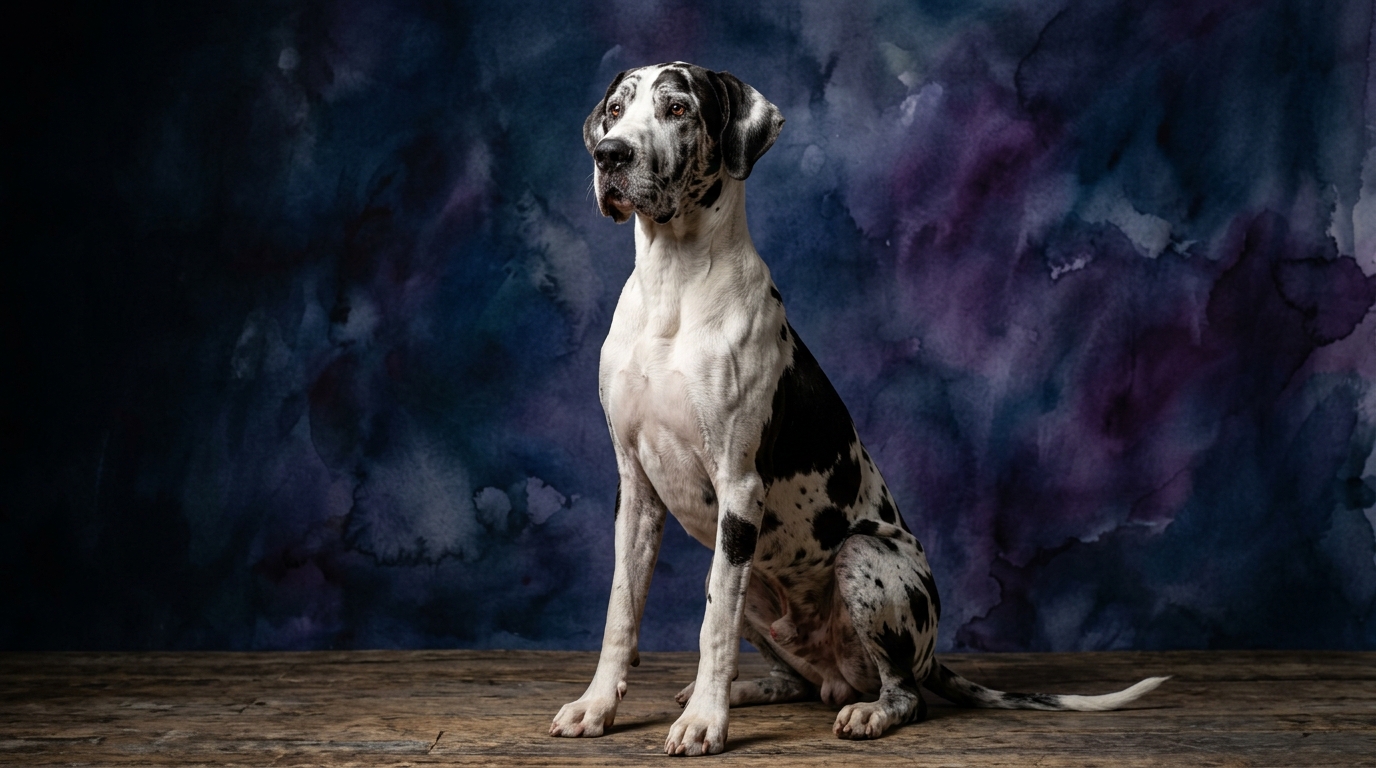
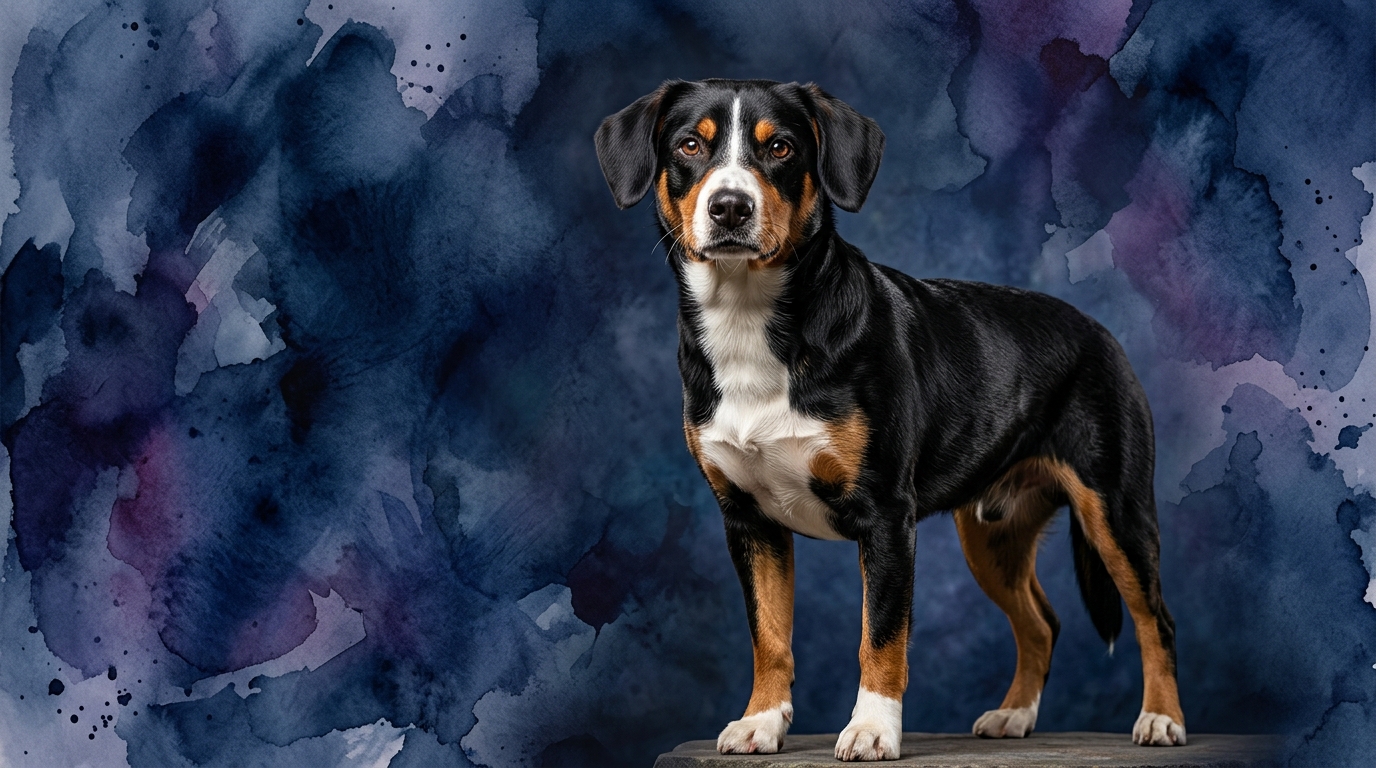
Side-by-Side IQ Profile: Great Dane vs. Entlebucher Mountain Dog
**Great Dane (Working Group):** This breed, ranked #48 by Coren, demonstrates a balanced cognitive toolkit. Its Problem Solving ability stands at 3/5, indicating a capacity for navigating moderately complex challenges, often relying on learned strategies rather than innate ingenuity for novel situations. Training Speed is also 3/5, suggesting they absorb commands at a steady pace, benefiting from consistent, positive reinforcement. Where the Great Dane truly shines is in Social Intelligence, scoring an impressive 4/5. This reflects a profound understanding of human emotions and social cues, making them highly attuned to their family's dynamics and intentions. Their Instinctive Drive, rated 3/5, points to a moderate inclination towards their historical roles, like guardianship, which translates into a protective yet generally calm demeanor. Memory, at 3/5, means they retain learned behaviors and experiences well over time, contributing to their reliability as companions.
**Entlebucher Mountain Dog (Herding Group):** Unlike the Great Dane, the Entlebucher is not yet ranked by Coren, perhaps due to its lesser-known status globally, but its IQ profile provides valuable insights. Its Problem Solving score mirrors the Great Dane's at 3/5, indicating a similar capacity for navigating practical challenges, often with a focus on efficiency and task completion inherent to herding work. Training Speed also registers at 3/5, suggesting a solid, if not exceptionally rapid, learning curve for commands and routines. Social Intelligence, at 3/5, shows a good understanding of social cues, though perhaps less nuanced or expansive than the Great Dane's, often geared towards working partnerships rather than broad emotional resonance. The Instinctive Drive, also 3/5, is strongly channeled towards its herding heritage, manifesting as a desire to organize and control movement, even if it's just family members. Memory, like the Dane's, is 3/5, ensuring they recall learned tasks and boundaries effectively, crucial for their working roles.
Where the Great Dane Wins Cognitively
The Great Dane's most significant cognitive advantage lies in its elevated Social Intelligence, scoring 4/5 compared to the Entlebucher's 3/5. This superior capacity for understanding and responding to human emotions and social cues makes them exceptional at forming deep, empathetic bonds. A Great Dane often anticipates its owner's mood, offering comfort or space as needed, demonstrating a nuanced grasp of interpersonal dynamics. This isn't just about being "friendly"; it's about processing complex social information and reacting appropriately. For instance, a Dane might intuitively understand the difference between a playful shout and a distressed cry, adjusting its behavior instantly. Their social perceptiveness can also make them more cooperative in daily life, as they are highly motivated by positive human interaction and approval. This deep social awareness translates into a companion who is not just present but truly engaged with the emotional fabric of their human family, often acting as a sensitive barometer for household harmony.
Where the Entlebucher Mountain Dog Wins Cognitively
While sharing several identical IQ scores with the Great Dane, the Entlebucher Mountain Dog's cognitive strengths are distinctly shaped by its herding heritage, giving it a unique edge in practical application. Despite a 3/5 for Problem Solving, this score in an Entlebucher is often coupled with a tenacious, results-oriented mindset. They excel at deciphering environmental puzzles related to managing movement, such as figuring out how to direct a flock or, in a home setting, how to "herd" children from one room to another. Their Instinctive Drive, also 3/5, is not just about general protection like the Dane's, but specifically about purposeful action and control, requiring acute spatial awareness and quick decision-making under dynamic conditions. This means their 3/5 Problem Solving and Memory are often applied to sequential tasks and strategic planning, making them adept at agility sports or complex obedience routines where precision and follow-through are paramount. The Entlebucher's "win" is in the specialized, focused application of its cognitive abilities towards tasks requiring consistent effort and a clear objective, often demonstrating impressive focus and determination despite its moderate numerical scores.
Which is Easier to Train and Why
Both the Great Dane and the Entlebucher Mountain Dog share a Training Speed score of 3/5, suggesting neither is exceptionally quick or particularly slow to pick up new commands. However, practical ease of training can differ significantly due to their distinct social intelligence and instinctive drives. The Great Dane, with its 4/5 Social Intelligence, often proves easier to train in a household context because it is highly motivated by pleasing its human companions and thrives on positive social feedback. Their deep understanding of human cues means they are often more receptive to subtle corrections and praise, making relationship-based training highly effective. Conversely, the Entlebucher's 3/5 Social Intelligence, while perfectly adequate for forming strong bonds, is often paired with a strong, independent herding drive (3/5 Instinctive Drive). This means an Entlebucher might require more consistent motivation and a clearer understanding of the "why" behind a command, as their inherent drive is to perform a task rather than simply comply for social approval. They might test boundaries more, requiring a handler who can channel their natural tenacity and focus into desired behaviors with firm, fair, and engaging methods. For a novice owner, the Great Dane's social eagerness might feel more forgiving, while the Entlebucher demands a more structured and perhaps more experienced training approach to harness its inherent working intelligence.
Which Suits Active Owners vs. Relaxed Owners
The choice between a Great Dane and an Entlebucher for active versus relaxed owners largely hinges on the *type* of activity and the intensity of engagement desired. A Great Dane, despite its impressive size and working group classification, often suits a more relaxed owner, or one whose activity leans towards companionship. While they need regular exercise to maintain muscle mass and joint health, their Instinctive Drive of 3/5 doesn't typically manifest as an insatiable need for high-octane work. Their higher Social Intelligence means they are content with being close to their people, often enjoying leisurely walks, car rides, and simply lounging nearby. They adapt well to a home environment where mental stimulation comes from social interaction and moderate enrichment. On the other hand, the Entlebucher Mountain Dog, with its 3/5 Instinctive Drive rooted in herding, demands a significantly more active and engaged owner. Their energy is purposeful, requiring outlets that challenge both their bodies and minds. They thrive on activities like agility, obedience, hiking, or even urban herding games. A relaxed owner who cannot provide consistent mental and physical stimulation might find an Entlebucher channeling its drive into less desirable behaviors, such as excessive barking or "herding" household members. For an owner who enjoys structured activities and can commit to daily, engaging exercise, the Entlebucher will be a fulfilling partner; for those seeking a more serene, yet still interactive, companion, the Great Dane is often a better fit.
The Verdict
Choose a Great Dane if you prioritize a deeply empathetic companion who is highly attuned to your emotional state and thrives on social connection, and you prefer moderate exercise tailored to their calm demeanor.
Opt for an Entlebucher Mountain Dog if you are an active individual seeking a determined, focused partner for structured activities and enjoy channeling a strong working drive into productive tasks.
🧠 Find Your Pet's IQ Score
Our Pet IQ Lab assessment covers 25+ tests across 5 cognitive dimensions — personalized to your breed.
Take the Full IQ Test →Frequently Asked Questions
Do Great Danes need a lot of mental stimulation despite their moderate IQ scores?
Absolutely. While their Problem Solving and Memory are rated 3/5, Great Danes benefit immensely from mental enrichment that leverages their high Social Intelligence, such as interactive games with their owners or learning new tricks that deepen their bond.
Is the Entlebucher Mountain Dog difficult to live with due to its herding drive?
Not necessarily difficult, but demanding. Their 3/5 Instinctive Drive for herding means they require consistent outlets for their energy and intelligence, which, if not met, can lead to behaviors like nipping at heels or excessive chasing.
How does a Great Dane's size impact its cognitive needs compared to an Entlebucher?
A Great Dane's size means its cognitive needs often revolve around managing its physical presence gracefully and understanding spatial boundaries, while an Entlebucher's smaller size and agility allow its cognitive focus to be on rapid environmental assessment and precise movement control.