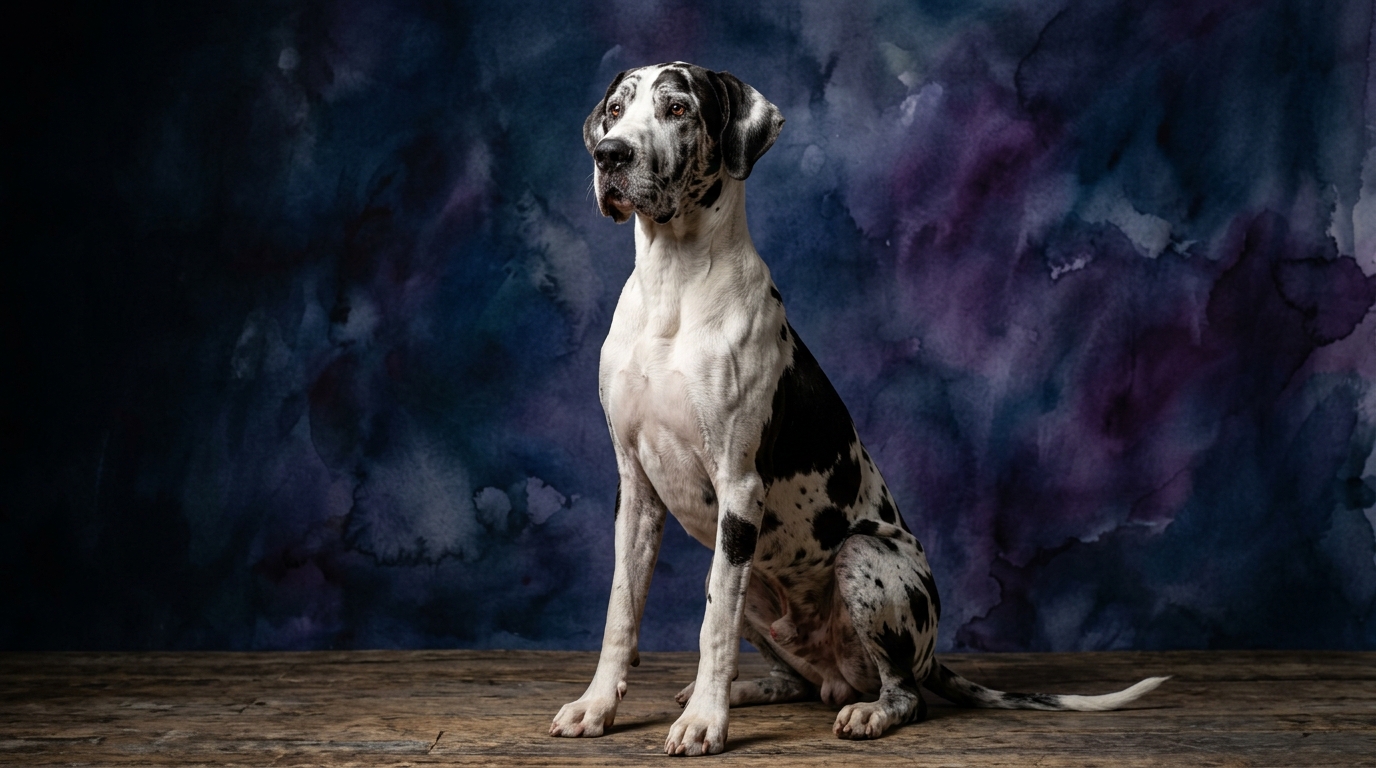
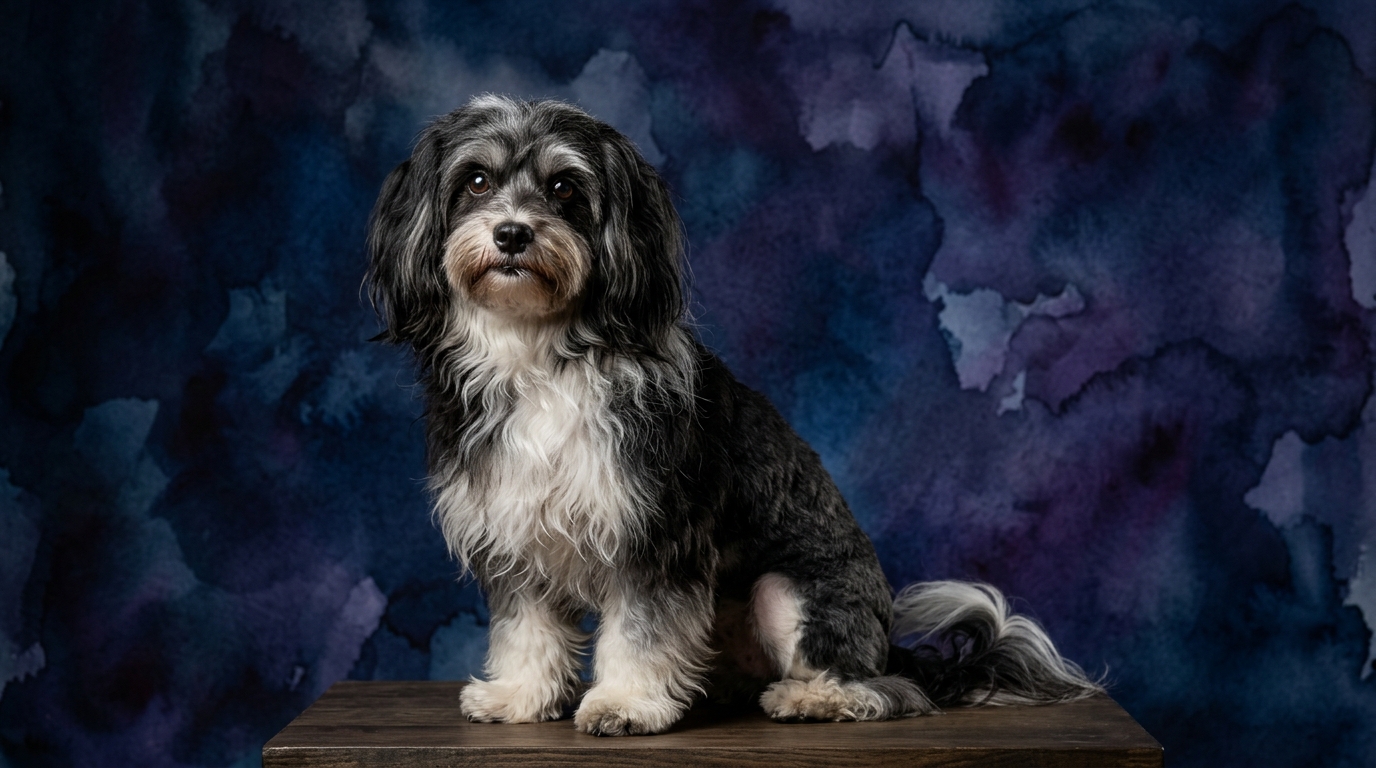
Side-by-Side Cognitive Profile
**Great Dane Cognitive Profile:**
**Problem Solving (3/5):** Great Danes exhibit practical problem-solving, often using their size to navigate obstacles or reach rewards. Their solutions are direct, driven by motivation for comfort or treats rather than intricate strategy.
**Training Speed (3/5):** They learn at a moderate pace, responding to consistent, positive reinforcement. Their independent processing style might lead to brief deliberation before compliance, requiring patient, clear instruction.
**Social Intelligence (4/5):** A standout trait, Great Danes possess exceptional sensitivity to human emotions and social cues. They anticipate needs, offering comfort or presence based on subtle shifts in their owner's mood.
**Instinctive Drive (3/5):** Modern Danes have moderate drives, often expressed as a desire to protect their family. They generally lack intense prey drive, preferring to be a watchful, gentle presence near their “pack.”
**Memory (3/5):** They maintain solid memory for routines, commands, and familiar individuals, recalling associations effectively. This contributes to their steady integration into the household, though not for complex sequences.
**Löwchen Cognitive Profile:**
**Problem Solving (3/5):** Löwchens approach problem-solving with clever, opportunistic flair. They are adept at finding creative ways to get attention or access toys through charming persistence and nimble maneuvering.
**Training Speed (3/5):** They learn moderately, eager to please but easily distracted by their playful nature. Short, fun, and varied training sessions are essential to maintain their interest and focus.
**Social Intelligence (3/5):** Highly sociable and people-oriented, Löwchens enjoy interaction and companionship. They excel at making their needs known, though their emotional attunement is less subtle than the Great Dane's.
**Instinctive Drive (3/5):** As companion dogs, their drives focus on interaction and play. They may alert to sounds or visitors, reflecting their role as watchful, engaging family members rather than strong hunters.
**Memory (3/5):** Löwchens have reliable memory for commands, routines, and familiar individuals. Their memory is practical, supporting their consistent and engaging role within the family structure.
Where the Great Dane Wins Cognitively
The Great Dane's superior social intelligence, scoring a 4/5, is its defining cognitive advantage. This allows them to read human emotions and social cues with remarkable sensitivity, often anticipating needs and offering comfort without direct commands. Their deep empathy fosters intuitive bonds, making them exceptional emotional support companions and seamlessly integrated family members. This isn't merely affection; it's a sophisticated processing of social information that enables them to act as a calming, grounding presence, discerning subtle shifts in mood and responding appropriately.
Where the Löwchen Wins Cognitively
While matching scores in many areas, the Löwchen's problem-solving (3/5) uniquely shines through their agile, compact size, enabling clever, opportunistic maneuvering. They excel at figuring out how to access coveted toys from tight spots or charmingly persuade an owner into an extra treat, demonstrating a highly practical and often endearing form of ingenuity. Their spirited nature and moderate social intelligence also make them masters of initiating and sustaining joyful, engaging interactions with persistent charm, often "winning" by being the most delightful and persistent presence in a room.
Which is Easier to Train and Why
Comparing their training speeds, both breeds are rated 3/5, indicating neither holds a definitive advantage in ease of training, but their challenges and strengths differ significantly. The Great Dane, despite its gentle nature, requires early and consistent training due to its immense size. A moderately stubborn Great Dane can be physically imposing, making early leash manners and recall imperative. Their high social intelligence means they often understand *what* is being asked and *why*, but their independent processing can sometimes lead to a moment of deliberation before compliance, necessitating patient and firm leadership.
The Löwchen, on the other hand, while equally rated 3/5 for training speed, presents a different set of considerations. Their spirited, playful temperament means they can be easily distracted by their environment or their own exuberance. Training must be kept fun, engaging, and relatively short to maintain their interest. While less physically demanding to manage if they exhibit stubbornness, their charming willfulness requires an owner who can consistently provide positive reinforcement and make learning feel like a game, rather than a chore. Both breeds benefit immensely from reward-based methods.
Suited for Active vs. Relaxed Owners
For owners leading a more relaxed lifestyle, the Great Dane often proves to be an ideal companion, particularly once they mature past their energetic puppy phase. Despite their imposing stature, adult Great Danes are frequently described as "couch potatoes" indoors, content to lounge near their family. They require moderate daily exercise, such as a leisurely walk or some supervised playtime in a secure yard, but are not built for intense, prolonged athletic endeavors. Their calm demeanor and preference for comfort make them well-suited to households that value a tranquil, affectionate presence without demanding constant high-energy engagement.
Conversely, the Löwchen, while small, possesses a surprisingly robust and lively spirit, making them an excellent match for more active owners. They thrive on regular walks, engaging playtime, and can excel in dog sports like agility or obedience. Their energetic disposition means they truly enjoy being involved in family activities and appreciate opportunities to explore and interact. Owners who enjoy frequent outings, interactive games, and a companion with a zest for life will find the Löwchen's vivacity a perfect fit.
The Verdict
For those seeking a profoundly empathetic, calm, and majestic companion who thrives on close family bonds and gentle daily routines, offering a significant, reassuring presence within a spacious home, the Great Dane is an excellent choice.
For individuals desiring a spirited, agile, and charming companion who enjoys engaging activities and thrives on consistent interaction and playful adventures, fitting perfectly into a lively household, the Löwchen will be a delightful match.
🧠 Find Your Pet's IQ Score
Our Pet IQ Lab assessment covers 25+ tests across 5 cognitive dimensions — personalized to your breed.
Take the Full IQ Test →Frequently Asked Questions
Are Great Danes good with children?
Yes, their high social intelligence and gentle nature often make them excellent family dogs, though their large size always necessitates supervision with very young children to prevent accidental bumps. They are typically patient and tolerant, forming strong protective bonds.
Do Löwchens bark a lot?
Löwchens can be alert barkers, using their voice to announce visitors or unusual sounds, a trait common in many companion breeds. Consistent training and early socialization can help manage excessive barking, channeling their vocal tendencies appropriately.
How much exercise does a Great Dane need?
Great Danes require moderate daily exercise, typically a good walk or playtime in a secure yard, to maintain muscle tone and mental well-being. While not extreme athletes, regular activity prevents boredom and promotes their overall health without exhausting them.