Side-by-Side IQ Profile: Great Dane vs. Redbone Coonhound
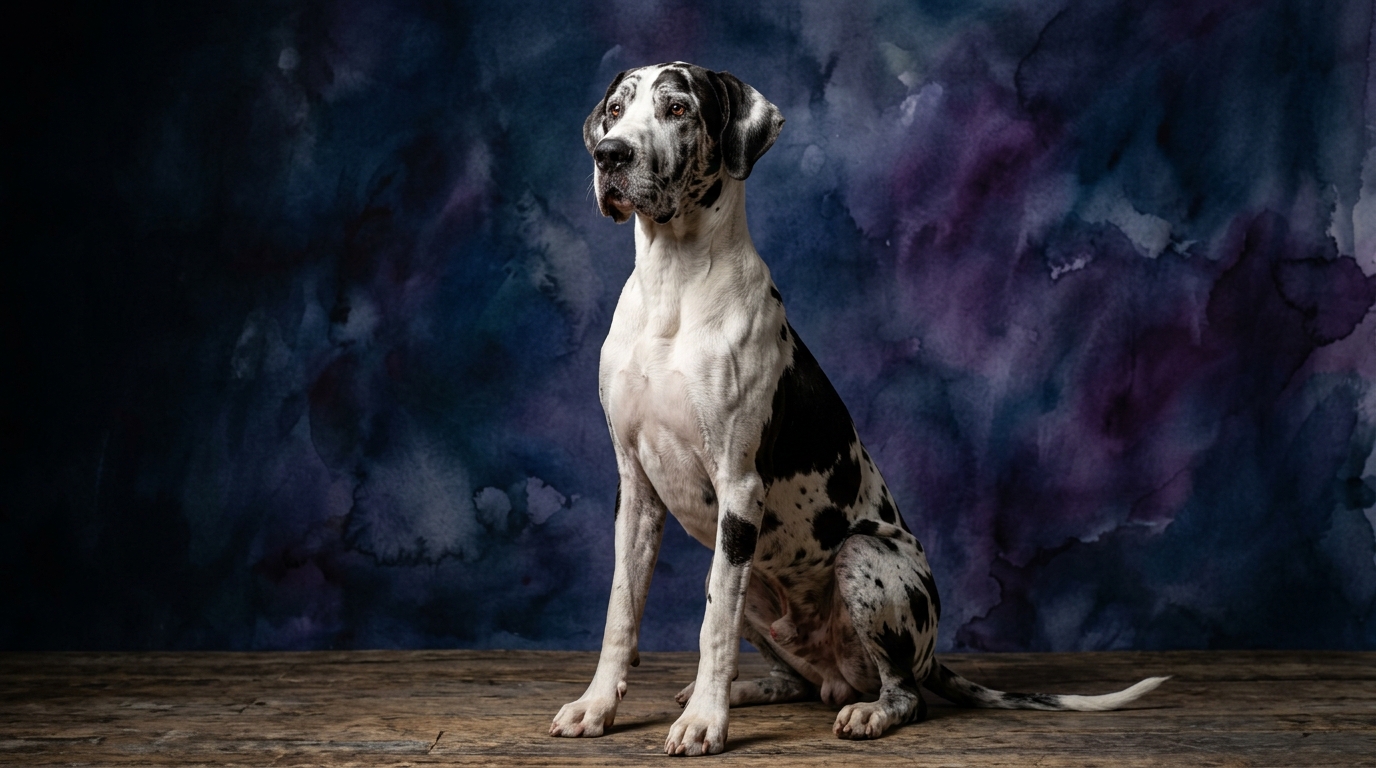
At The Cosmic Pet Pet IQ Lab, we evaluate canine cognition across five key dimensions. For the Great Dane, a breed associated with noble companionship and a Coren ranking of #48, their cognitive profile reveals insights into their unique mental landscape. Their Problem Solving is rated at 3/5, indicating a capacity to learn complex tasks and follow human direction, but they typically rely on owner guidance rather than self-initiated solutions. Training Speed also registers at 3/5; they absorb new commands at an average pace, thriving with consistent, positive reinforcement. A standout trait for the Great Dane is their Social Intelligence, scoring 4/5. This reflects a profound ability to understand human emotions and intentions, fostering deep, empathetic bonds and navigating intricate social dynamics within a family unit with remarkable sensitivity. Their Instinctive Drive is 3/5, primarily channeled into companionship and gentle guarding. Memory for the Great Dane is 3/5, meaning they retain learned behaviors, routines, and social connections reliably over time.
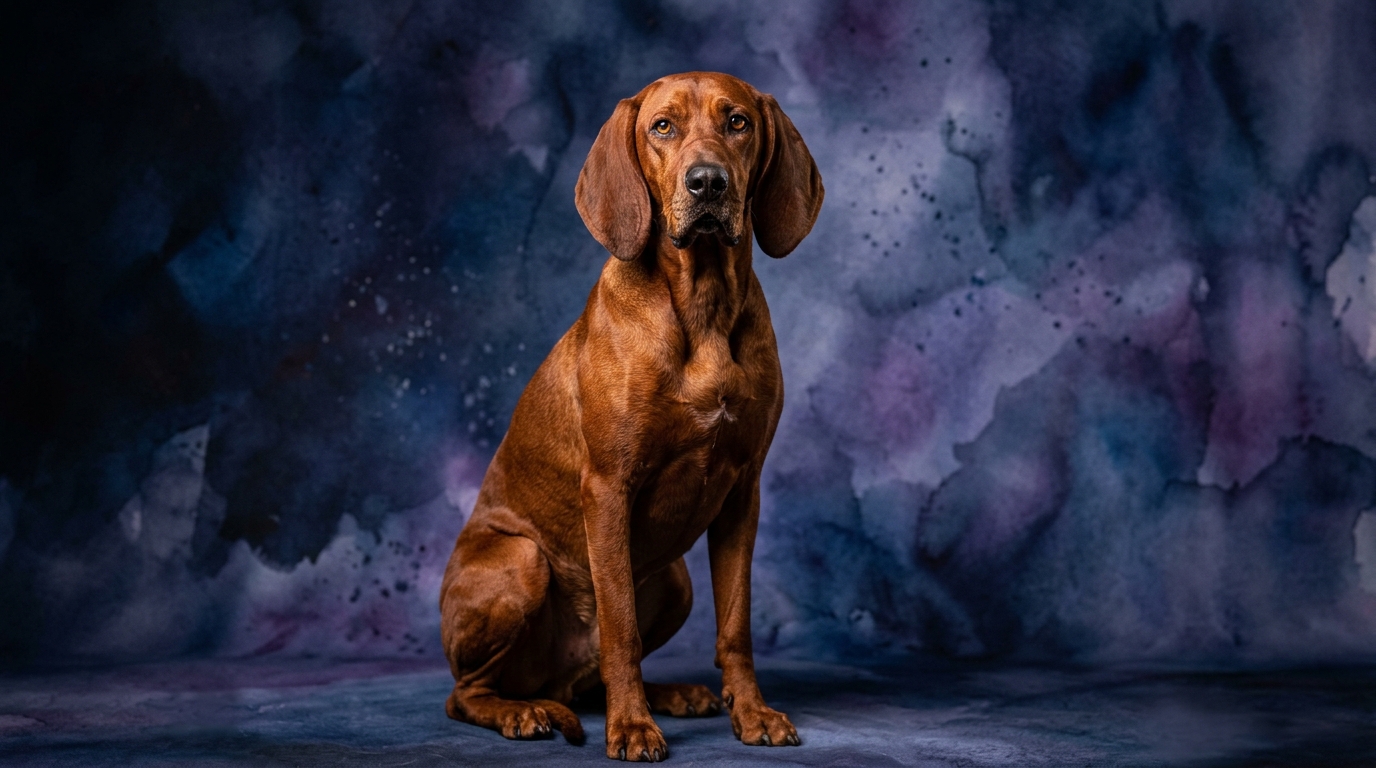
The Redbone Coonhound, a dedicated hound breed without a Coren ranking, presents a cognitive profile finely tuned to its ancestral purpose. Their Problem Solving is rated 3/5, manifesting as practical, persistent application of hunting strategies to overcome obstacles in pursuit of a scent, rather than abstract puzzle-solving. Training Speed for the Redbone Coonhound is also 3/5; they can learn new commands at an average rate, but their independent nature and powerful instinctive drives often require more patience and creative motivational techniques. Their Social Intelligence scores 3/5, meaning they form strong, affectionate bonds with their family, yet their social cues might be more direct and less nuanced. The Redbone's Instinctive Drive, also 3/5, is a defining characteristic, intensely focused on scent work, tracking, and the chase, often overriding other stimuli with relentless determination. Memory for the Redbone Coonhound is 3/5, particularly robust for recalling scent trails, specific hunting locations, and established routines, serving their specialized working role effectively.
Where the Great Dane Wins Cognitively
The Great Dane distinguishes itself primarily through its superior Social Intelligence, scoring a 4/5 compared to the Redbone Coonhound's 3/5. This higher score signifies a deeper cognitive capacity for emotional reciprocity and understanding. A Great Dane often demonstrates an uncanny ability to read subtle human expressions and vocal tones, allowing them to anticipate needs or offer comfort during distress. This advanced social acumen translates into a more intuitive partnership, where the dog seems to genuinely understand and respond to the nuances of human interaction. For instance, a Great Dane might instinctively lean into a sad owner, offering quiet companionship without explicit prompting. Their Coren ranking at #48 also suggests a greater aptitude for understanding and executing human directives in a structured environment, making them generally more responsive to obedience training that relies on social engagement. This makes them exceptionally adept at integrating seamlessly into complex family dynamics.
Where the Redbone Coonhound Wins Cognitively
While the Redbone Coonhound's cognitive scores are consistently 3/5, its wins lie in the specialized application and intensity of these traits within its hunting context. Its Problem Solving, rated 3/5, is exceptionally geared towards navigating intricate environments and overcoming physical barriers to follow a scent trail. This isn't abstract puzzle-solving, but a highly practical, tenacious application of intellect in a dynamic, real-world scenario. A Redbone Coonhound might meticulously work through tangled underbrush or cleverly retrace steps to pick up a lost trail, demonstrating a focused, independent cognitive strategy. Similarly, its Instinctive Drive (3/5), while numerically matching the Great Dane, is a concentrated force of nature. This drive fuels an unparalleled focus and endurance in scent work, allowing them to maintain concentration on a single, faint odor over long distances. Their Memory (3/5) also shines in this specialized domain, exhibiting impressive recall for specific scent profiles and geographical markers associated with past hunts, essential for a successful tracking breed. These cognitive strengths are less about human-centric cooperation and more about autonomous, goal-directed pursuit.
Which is Easier to Train and Why
When considering ease of training, the Great Dane generally presents a more straightforward path for the average owner. Both breeds score 3/5 in Training Speed, meaning they learn at an average pace, but the Great Dane's significant advantage in Social Intelligence (4/5) makes a crucial difference. Their strong desire to please their human companions, coupled with their ability to keenly interpret human cues and emotions, fosters a more cooperative training dynamic. They are often highly motivated by praise and positive interaction, making them eager to engage in obedience exercises and respond to commands. Their working group heritage also implies a historical predisposition towards working with humans, even if not in the same physically demanding way as some other working breeds.
The Redbone Coonhound, despite also scoring 3/5 in Training Speed, can be more challenging due to its independent nature and powerful, scent-driven Instinctive Drive (3/5). While affectionate, their primary motivation often lies in following a compelling scent, which can make sustained focus on human-directed tasks difficult. They are less inherently inclined to simply 'obey' for the sake of pleasing and may require higher-value rewards and more patient, consistent methods to compete with the allure of a captivating smell. Training a Redbone often involves harnessing, rather than suppressing, their natural drives, perhaps by incorporating scent work into their training regimen. Owners must be prepared for a dog whose attention can be instantly diverted by an interesting odor, requiring persistent redirection and a deep understanding of hound motivation.
Which Suits Active Owners vs. Relaxed Owners
The choice between a Great Dane and a Redbone Coonhound also hinges significantly on an owner's lifestyle. The Great Dane, while a large and powerful animal, often fits well with owners who appreciate a balance of activity and calm companionship. They require regular daily exercise – typically long walks or structured play – to maintain physical health and mental well-being, but they are not typically hyperactive and are often content to relax indoors with their family. Their lower, more generalized Instinctive Drive (3/5) means their energy isn't constantly seeking an outlet in intense, demanding activities. They suit owners who enjoy a steady routine, daily engagement, and the comforting presence of a gentle giant lounging nearby.
Conversely, the Redbone Coonhound is decidedly suited for highly active owners. Their powerful Instinctive Drive (3/5), intensely focused on scent and pursuit, demands significant physical and mental exertion. These dogs thrive on long, vigorous walks, opportunities for off-leash exploration in secure areas where they can follow scents, and engagement in activities like tracking, agility, or canicross. A Redbone Coonhound that doesn't receive adequate outlets for its energy and innate drives can become restless, vocal, or engage in undesirable behaviors. They are ideal for owners who embrace an outdoor, adventurous lifestyle and are committed to providing consistent, challenging activities that tap into their hound heritage.
The Verdict
Choose the Great Dane if you desire a highly socially attuned, empathetic family member who integrates deeply into your household, offering gentle companionship and a desire to please, comfortable with a balance of activity and relaxation.
Choose the Redbone Coonhound if you lead an active, outdoor-oriented life and are prepared to channel a powerful, independent scent drive into stimulating activities, appreciating a tenacious partner with a strong, focused work ethic.
🧠 Find Your Pet's IQ Score
Our Pet IQ Lab assessment covers 25+ tests across 5 cognitive dimensions — personalized to your breed.
Take the Full IQ Test →Frequently Asked Questions
Are Great Danes generally good with children and other pets?
Yes, Great Danes often excel in family environments due to their high social intelligence and gentle nature, forming strong bonds with children and often coexisting peacefully with other pets. However, their immense size always necessitates careful supervision, especially with very young children, to prevent accidental bumps during play.
What are the primary challenges in owning a Redbone Coonhound?
The main challenges with Redbone Coonhounds stem from their strong instinctive drive and independent nature, which can lead to selective hearing when a scent is present and a tendency to bay. Owners must be prepared for consistent training, secure containment, and providing ample outlets for their energy and scenting abilities.
How much daily exercise do these breeds typically need?
Great Danes require moderate daily exercise, such as one or two substantial walks totaling an hour or more, along with indoor playtime, to stay healthy and content. Redbone Coonhounds, on the other hand, demand significantly more vigorous activity, often needing an hour or more of intense exercise, like running or scent work, daily to satisfy their high energy and hunting instincts.