
Side-by-Side IQ Profile: Great Dane vs. Rottweiler
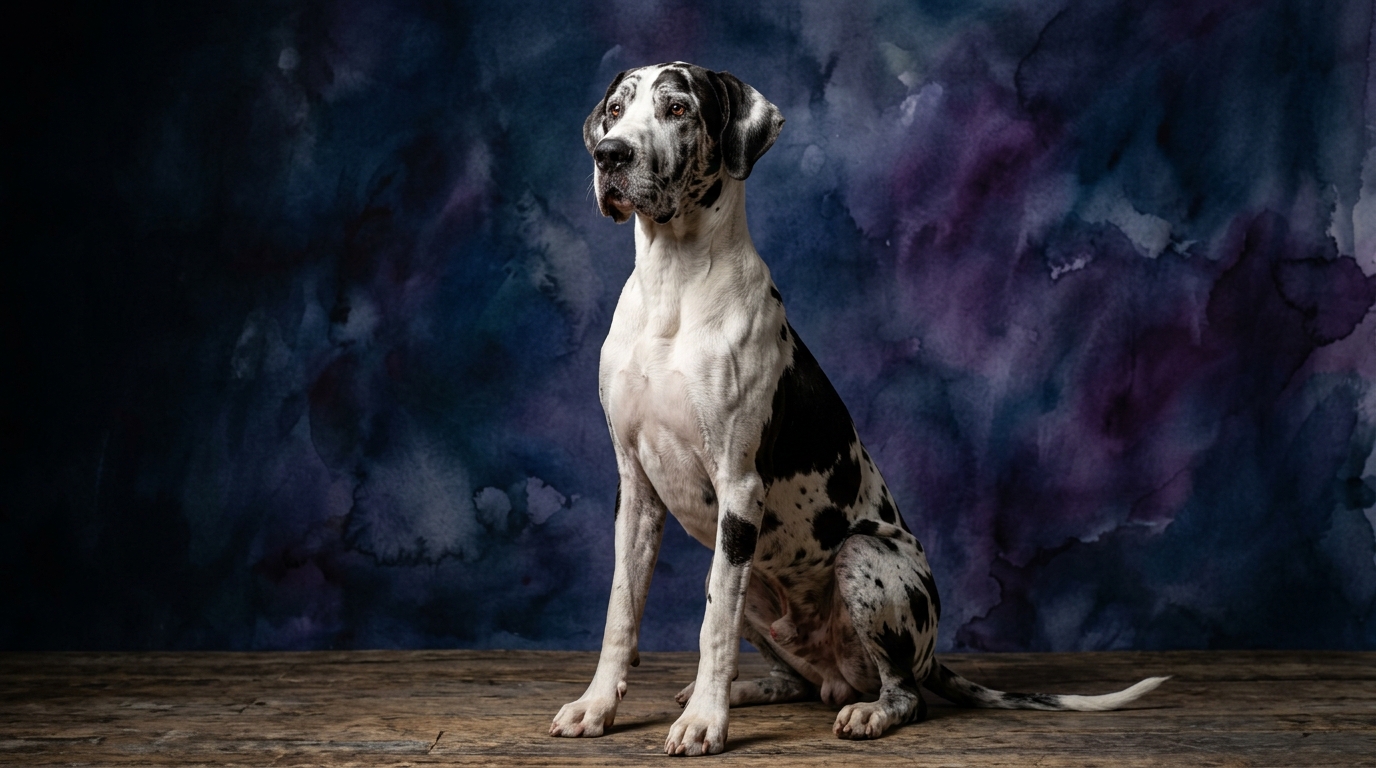
The Cosmic Pet Pet IQ Lab provides a granular look at canine cognition, moving beyond broad descriptors to understand how specific mental faculties contribute to a dog’s overall nature. For the Great Dane, our assessment shows a Problem Solving score of 3/5, indicating an ability to navigate moderate challenges but perhaps not to independently devise complex solutions quickly. Their Training Speed registers at 3/5, suggesting that consistent, patient methods yield results, yet rapid learning of numerous new commands might require time and repetition. Social Intelligence is a notable strength at 4/5, pointing to a profound capacity for reading human cues and forming deep, empathetic bonds. Instinctive Drive stands at 3/5, reflecting a moderate inclination for inherent behaviors like guarding or retrieving, which are present but not overwhelming. Memory, at 3/5, implies they retain learned information effectively with reinforcement, though intricate sequences may benefit from solid establishment.
In contrast, the Rottweiler presents a robust cognitive profile with a Problem Solving score of 5/5, demonstrating a keen aptitude for figuring out novel situations and devising strategies. Their Training Speed is 4/5, signifying an efficient grasp of new commands and routines. Social Intelligence, matching the Dane at 4/5, indicates a similar sharp awareness of human social dynamics. A standout characteristic is their Instinctive Drive, rated 5/5, which highlights a strong intrinsic motivation for specific breed-typical tasks, often requiring a directed outlet. Their Memory also scores a remarkable 5/5, pointing to an exceptional ability to recall intricate sequences, commands, and past experiences with minimal refresher needed.
Where the Great Dane Excels Cognitively
The Great Dane’s cognitive strengths truly shine in the realm of social interaction and emotional attunement. With a Social Intelligence score of 4/5, they exhibit a remarkable capacity for understanding human emotions and intentions, often responding with comforting presence or subtle cues. This makes them highly sensitive companions, capable of forming profound, nuanced relationships. While not leading in problem-solving or training speed, their perceptive social nature allows them to anticipate human needs and react appropriately within a familial context, making them deeply empathetic household members. Their moderate instinctive drive (3/5) also means they are less compelled to invent their own “jobs” or activities if not directly prompted, often preferring a calm, companionable existence indoors once their basic exercise requirements are satisfied. This cognitive disposition can translate to a wonderfully serene presence for owners seeking a responsive, emotionally intelligent companion over a task-oriented partner.
Where the Rottweiler Excels Cognitively
The Rottweiler's cognitive strengths lie in their exceptional capacity for independent thought, rapid learning, and robust memory. Their Problem Solving score of 5/5 means they are highly adept at assessing new situations, devising effective strategies, and adapting to novel challenges without constant human intervention. This makes them capable of complex tasks and independent decision-making when properly trained. Complementing this is their 5/5 Instinctive Drive, which fuels a strong motivation to engage in purposeful activities, whether it's herding, guarding, or advanced obedience work. This drive, combined with a 4/5 Training Speed and 5/5 Memory, allows them to absorb and retain intricate command sequences and multi-step tasks with impressive efficiency. They grasp concepts quickly and reliably recall what they've learned, making them exceptionally responsive and consistent partners in structured activities.
Training Aptitude: Which is Easier to Guide?
When evaluating ease of training, the Rottweiler’s cognitive profile presents a distinct advantage. Their Problem Solving (5/5), Training Speed (4/5), and Memory (5/5) combine to create a dog that can master an extensive repertoire of commands and tasks with fewer repetitions. They quickly understand the cause-and-effect of their actions and the desired outcomes of training exercises. Their strong Instinctive Drive (5/5) means they are often eager to engage and work, which can be a powerful motivator, though it also necessitates consistent, clear guidance to channel their energy appropriately and prevent self-directed behaviors. This breed, recognized for its working intelligence (Coren rank #9), often thrives on the mental challenge of structured learning.
The Great Dane, with a Coren rank of #48, learns effectively but at a more deliberate pace. Their Problem Solving (3/5) and Training Speed (3/5) indicate that they benefit from patient, consistent positive reinforcement methods. While they are certainly trainable, their process of acquiring and solidifying new behaviors may take more repetition than a Rottweiler. Their Memory (3/5) suggests that learned behaviors need solid establishment before they become second nature, requiring ongoing review. However, their high Social Intelligence (4/5) aids training by fostering a strong desire to please and connect with their human companions, making them responsive to praise and encouragement.
Ideal Companions: Matching Cognitive Profiles to Lifestyles
For owners with a relaxed lifestyle, the Great Dane often presents an ideal companion. Their strong Social Intelligence (4/5) ensures they are highly attuned to their human family, offering deep emotional connection and a calm, understanding presence. Their moderate Instinctive Drive (3/5) and Problem Solving (3/5) mean they are less likely to become restless or destructive if not constantly challenged with complex tasks, preferring comfortable companionship and moderate physical activity. They adapt well to a serene home environment once their daily exercise needs are met, often content to lounge alongside their owners, providing gentle and perceptive company.
Conversely, active owners who relish engaging their dog in structured activities, advanced obedience, or dog sports will find the Rottweiler’s cognitive profile highly rewarding. Their high Problem Solving (5/5), Training Speed (4/5), Instinctive Drive (5/5), and Memory (5/5) mean they thrive on purpose and mental engagement. Owners who enjoy teaching complex skills, participating in canine events, or simply providing regular, challenging mental stimulation will find the Rottweiler an eager, capable, and enthusiastic partner. This breed needs consistent opportunities to engage both their minds and bodies to remain well-adjusted and fulfilled.
The Verdict
Choose a Great Dane if you prioritize a profound emotional bond, a calm demeanor, and a companion whose social intelligence fosters a deeply empathetic presence within a relaxed household.
Opt for a Rottweiler if you desire a driven, highly trainable partner eager for joint tasks, mental challenges, and an active lifestyle involving consistent engagement.
🧠 Find Your Pet's IQ Score
Our Pet IQ Lab assessment covers 25+ tests across 5 cognitive dimensions — personalized to your breed.
Take the Full IQ Test →Frequently Asked Questions
Are Great Danes difficult to train due to their IQ scores?
Great Danes are not difficult to train, but they do learn at a more deliberate pace compared to some breeds, as indicated by their 3/5 Training Speed and Memory. They respond best to consistent, patient positive reinforcement methods and thrive when training leverages their strong social intelligence and desire to connect with their owner.
Do Rottweilers require a lot of mental stimulation?
Yes, Rottweilers benefit significantly from consistent mental stimulation, given their 5/5 Problem Solving and Instinctive Drive scores. They thrive when given tasks, advanced obedience training, or opportunities to engage their minds in problem-solving activities to prevent boredom and channel their natural drives constructively.
Which breed is generally better with children, considering their intelligence profiles?
Both breeds can be excellent with children, depending on individual temperament and proper socialization. The Great Dane's high Social Intelligence (4/5) often makes them naturally gentle and perceptive with children, while the Rottweiler's strong Problem Solving (5/5) and trainability (4/5 Training Speed) allow them to learn appropriate interactions when guided by consistent training and supervision.