Side-by-Side Cognitive Profiles
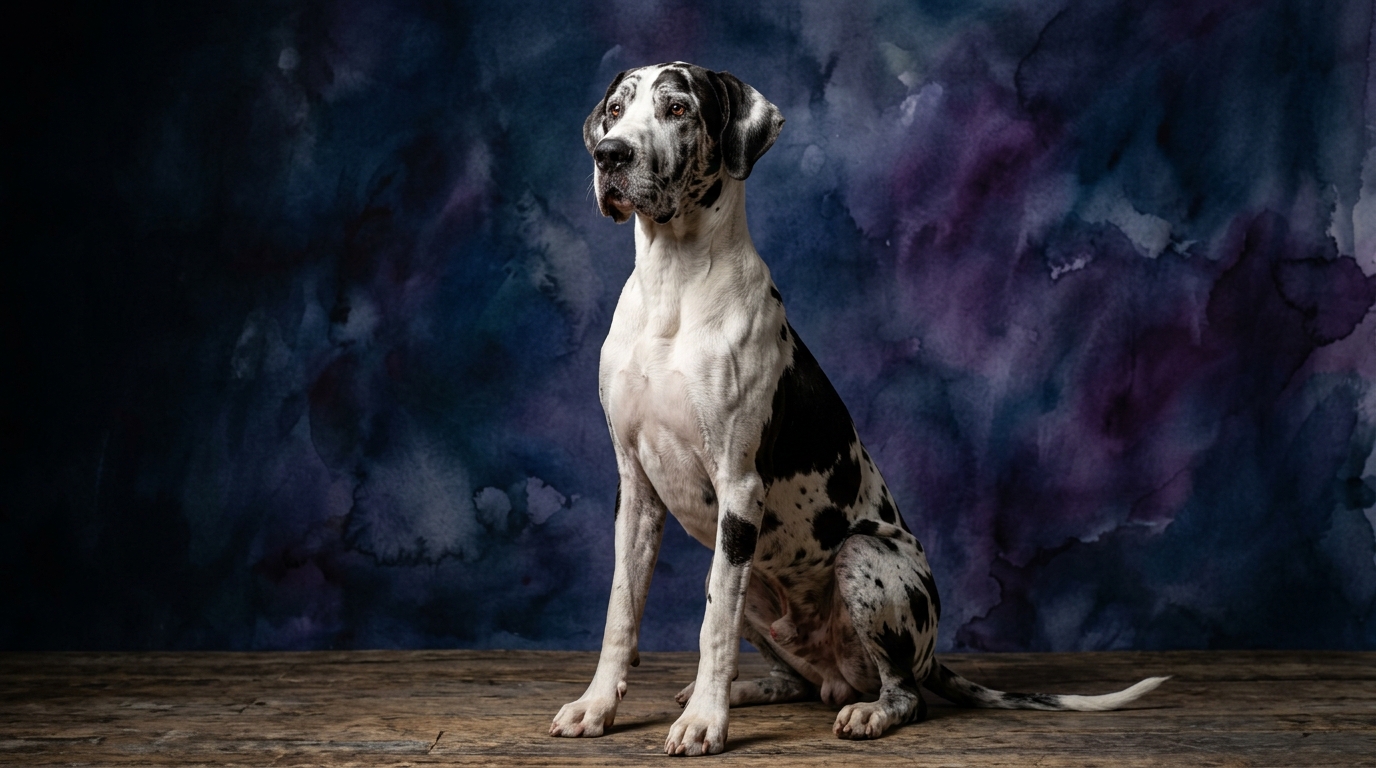
The Great Dane, ranked #48 by Dr. Stanley Coren for working and obedience intelligence, demonstrates a balanced cognitive profile. Their Problem Solving score of 3/5 suggests they are capable of navigating straightforward challenges and learning established routines, though complex novel situations might require more guidance. With a Training Speed of 3/5, Great Danes benefit from consistent, patient repetition to master new commands, rather than rapid assimilation. Their Social Intelligence at 4/5 indicates a keen ability to read human emotions and interact harmoniously within a social structure, often forming strong bonds. An Instinctive Drive of 3/5 means their natural inclinations, such as guarding or companionship, are present but not overwhelmingly dominant, allowing for versatility. Finally, a Memory score of 3/5 implies they retain learned information and experiences reasonably well, but might not recall intricate details over long periods.
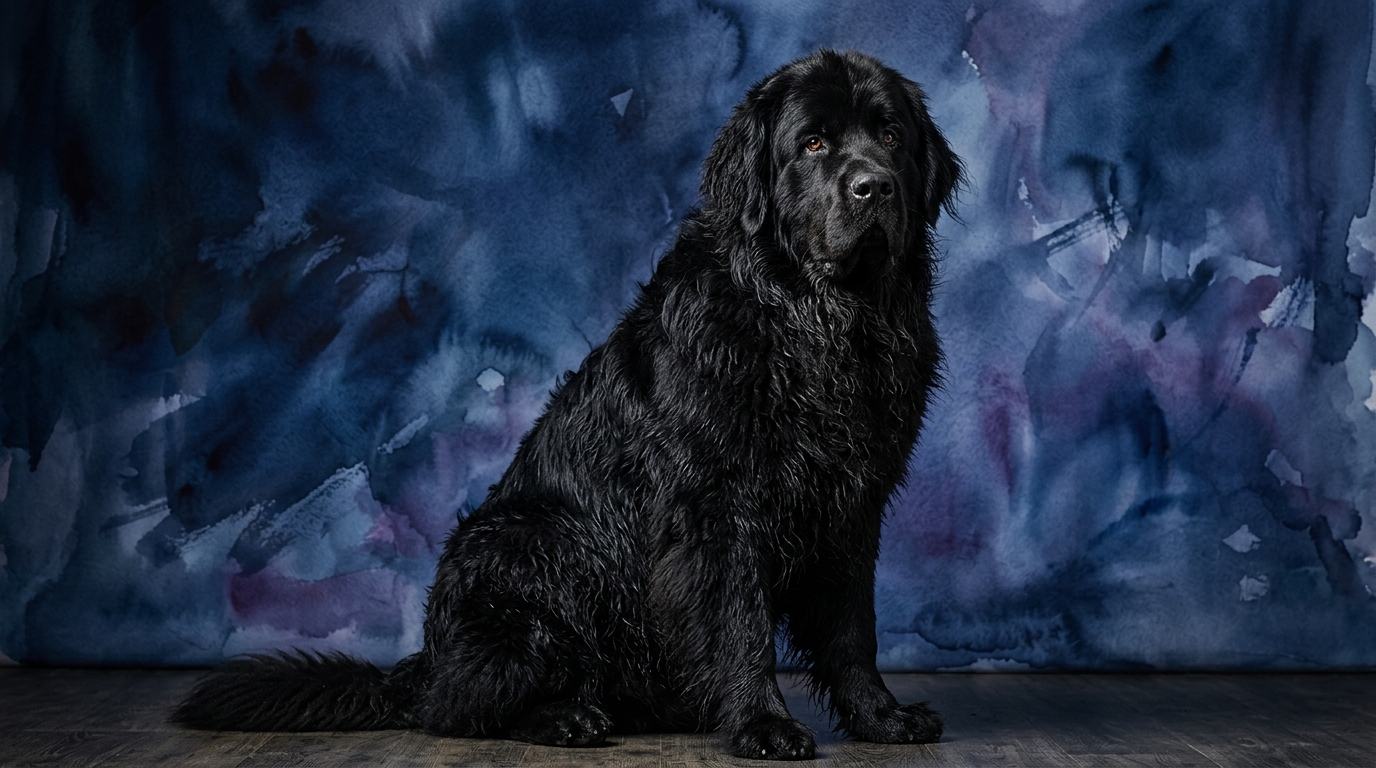
The Newfoundland, holding a higher Coren rank at #34, presents a distinctly different cognitive emphasis. While their Problem Solving mirrors the Great Dane at 3/5, suggesting similar capabilities in tackling moderate mental tasks, their other dimensions show notable strengths. A Training Speed of 4/5 means Newfoundlands typically grasp new commands and concepts more quickly, often eager to please and respond to instruction. Their Social Intelligence is exceptional at 5/5, reflecting an unparalleled capacity for empathy, understanding social cues, and engaging harmoniously with a wide range of individuals and animals. The breed's Instinctive Drive is particularly strong at 5/5, showcasing powerful natural tendencies, especially their well-documented life-saving water rescue instincts and protective nature. A Memory score of 4/5 indicates a superior ability to recall past training, experiences, and social interactions with greater detail and longevity.
Where the Great Dane Shines Cognitively
While the Newfoundland often outranks the Great Dane in specific cognitive areas, the Great Dane's balanced profile gives it a unique edge in adaptability to less structured or less demanding roles. Their lower Instinctive Drive (3/5) means they are generally less driven by deep-seated natural impulses compared to the Newfoundland's powerful water rescue instincts. This can translate to a calmer, more 'go-with-the-flow' temperament in day-to-day living, where a strong, specific drive might need careful management. A Great Dane's slightly lower memory score (3/5) might paradoxically be an asset in certain contexts; they may be less prone to dwelling on past negative experiences or lingering anxieties, allowing for easier redirection. Their solid Social Intelligence (4/5) combined with moderate drives allows them to integrate into various social settings without a dominant working agenda, making them particularly adept at simply being a gentle, observant companion.
Where the Newfoundland Excels Cognitively
The Newfoundland’s cognitive strengths are pronounced, particularly in areas crucial for their historical working roles. Their standout Social Intelligence (5/5) means they excel at reading complex human emotions and intentions, often anticipating needs or reacting with profound empathy. This acute social awareness fosters deep, nuanced bonds and makes them exceptionally intuitive companions in family settings. Furthermore, their superior Instinctive Drive (5/5), especially in water rescue, provides a powerful internal motivation that can be channeled into focused, purposeful activities, making them highly responsive to tasks aligned with these innate tendencies. The Newfoundland's quicker Training Speed (4/5) means they generally absorb and respond to new commands more efficiently than Great Danes, making skill acquisition a smoother process. Complementing this is their stronger Memory (4/5), which ensures learned behaviors and social lessons are retained more effectively over time, contributing to a consistently reliable and well-adjusted demeanor.
Training Aptitude: Which Breed is More Responsive?
Considering their respective IQ profiles, the Newfoundland generally presents as the more responsive breed to training, primarily due to their higher Training Speed (4/5) and potent Instinctive Drive (5/5). Newfoundlands often demonstrate a strong desire to please and respond readily to positive reinforcement, quickly grasping new commands and linking actions to consequences. Their deep-seated working instincts mean that tasks involving retrieving, helping, or even 'rescuing' can be highly motivating, making training feel less like a chore and more like fulfilling a natural purpose. In contrast, the Great Dane's Training Speed (3/5) indicates they require more patience and consistency. While perfectly capable of learning, they might take longer to internalize commands and require more repetitions. Their moderate instinctive drive means training might not tap into the same deep well of innate motivation, relying more on external motivators and the bond with their handler. For instance, teaching a Newfoundland to retrieve a dropped item might come more naturally due to their inherent helpfulness, while a Great Dane might require more deliberate encouragement and practice.
Family Companionship: Active vs. Relaxed Lifestyles
For active owners, the Newfoundland often aligns better, especially if 'active' includes water-based activities or engaging in tasks that leverage their powerful drives. While they aren't necessarily high-energy dogs for constant running, their desire for purposeful work and their strong water rescue instincts make them ideal companions for hiking, swimming, or even canine sports like draft work. Their exceptional social intelligence also makes them highly adaptable to varied family dynamics and public outings. For relaxed owners, the Great Dane might be the more fitting choice. While they appreciate regular walks, their lower instinctive drive means they are generally content with a more laid-back lifestyle, often happy to lounge alongside their humans. Their good social intelligence ensures they remain amiable and connected without demanding constant structured engagement, making them excellent, gentle companions for a quiet home environment. They are typically less prone to seeking out 'work' and more inclined towards calm companionship once their moderate exercise needs are met.
The Verdict
Choose the Great Dane if your lifestyle calls for a calm, gentle companion whose moderate drives make them adaptable to a relaxed home environment and consistent, patient training.
Opt for the Newfoundland if you seek a deeply empathetic, highly trainable partner who thrives on purposeful engagement, especially in activities that tap into their powerful natural instincts like water work.
🧠 Find Your Pet's IQ Score
Our Pet IQ Lab assessment covers 25+ tests across 5 cognitive dimensions — personalized to your breed.
Take the Full IQ Test →Frequently Asked Questions
Are Great Danes and Newfoundlands equally good with children?
Both breeds are renowned for their gentle nature with children. However, the Newfoundland's exceptional social intelligence (5/5) means they are often more intuitively aware of a child's delicate nature and emotional cues, making them particularly patient and empathetic companions.
Which breed is more prone to 'nuisance' barking?
Neither breed is typically known for excessive nuisance barking. Great Danes, with their moderate instinctive drive, may bark to alert, while Newfoundlands might use their voice more to communicate needs or in response to their protective instincts, but neither are usually considered overly vocal without reason.
Do these breeds have different needs for mental stimulation?
Yes, their cognitive profiles suggest slightly different needs. Newfoundlands, with their higher training speed and strong instinctive drive, often benefit from purposeful tasks and training to keep their minds engaged, while Great Danes thrive on social interaction and consistent routines rather than complex problem-solving.