Side-by-Side IQ Profile: Great Dane vs. Saint Bernard
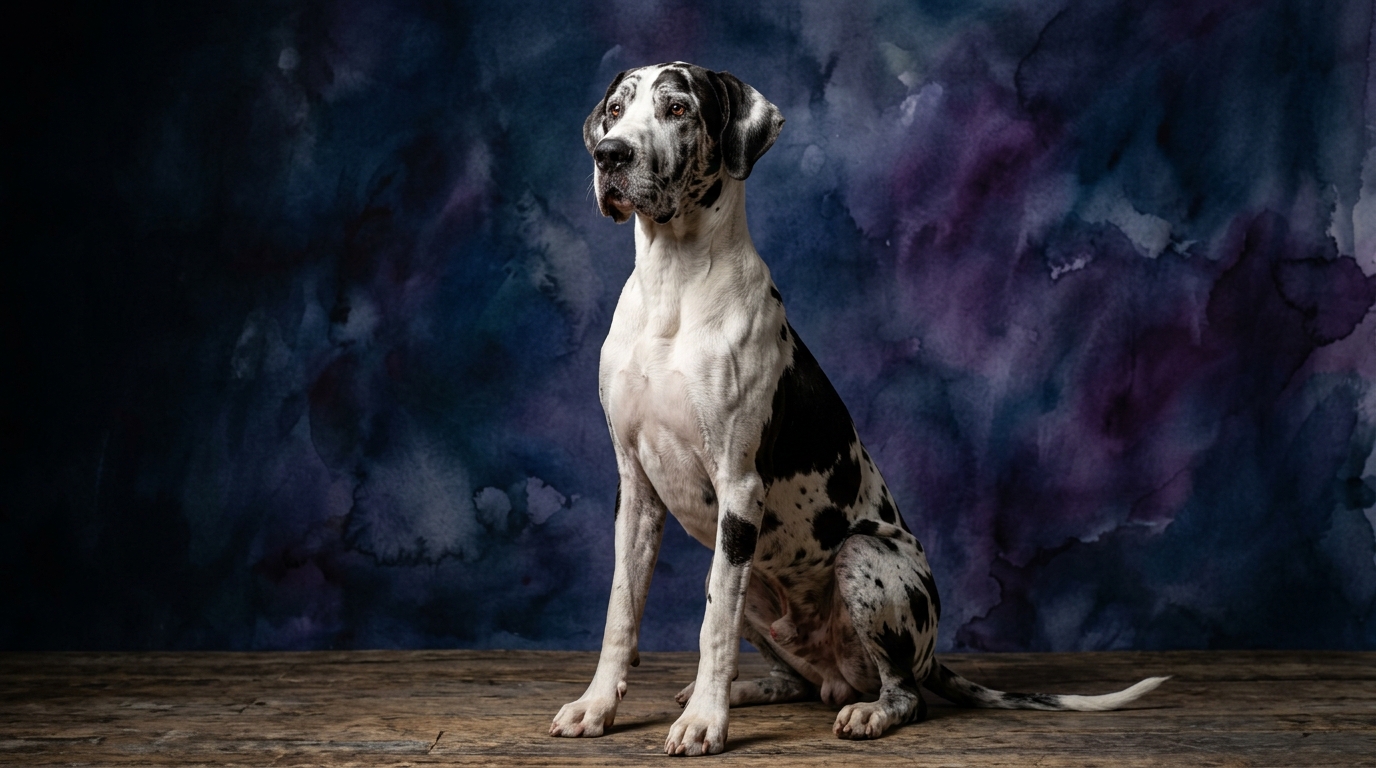
At Coren rank #48, the Great Dane presents a balanced cognitive profile. Problem Solving rates at 3/5, indicating a capacity to figure out moderately complex situations with consistent guidance. Training Speed also sits at 3/5, suggesting they grasp new commands and routines at a reasonable pace, responding well to positive reinforcement. Social Intelligence shines at 4/5, highlighting their strong ability to interpret human cues, form deep bonds, and adapt to family dynamics. Instinctive Drive is moderate at 3/5, meaning while they possess natural dog behaviors, these are generally manageable and less overwhelming. Memory is an average 3/5, allowing retention of learned behaviors and recognition of familiar people and places effectively.
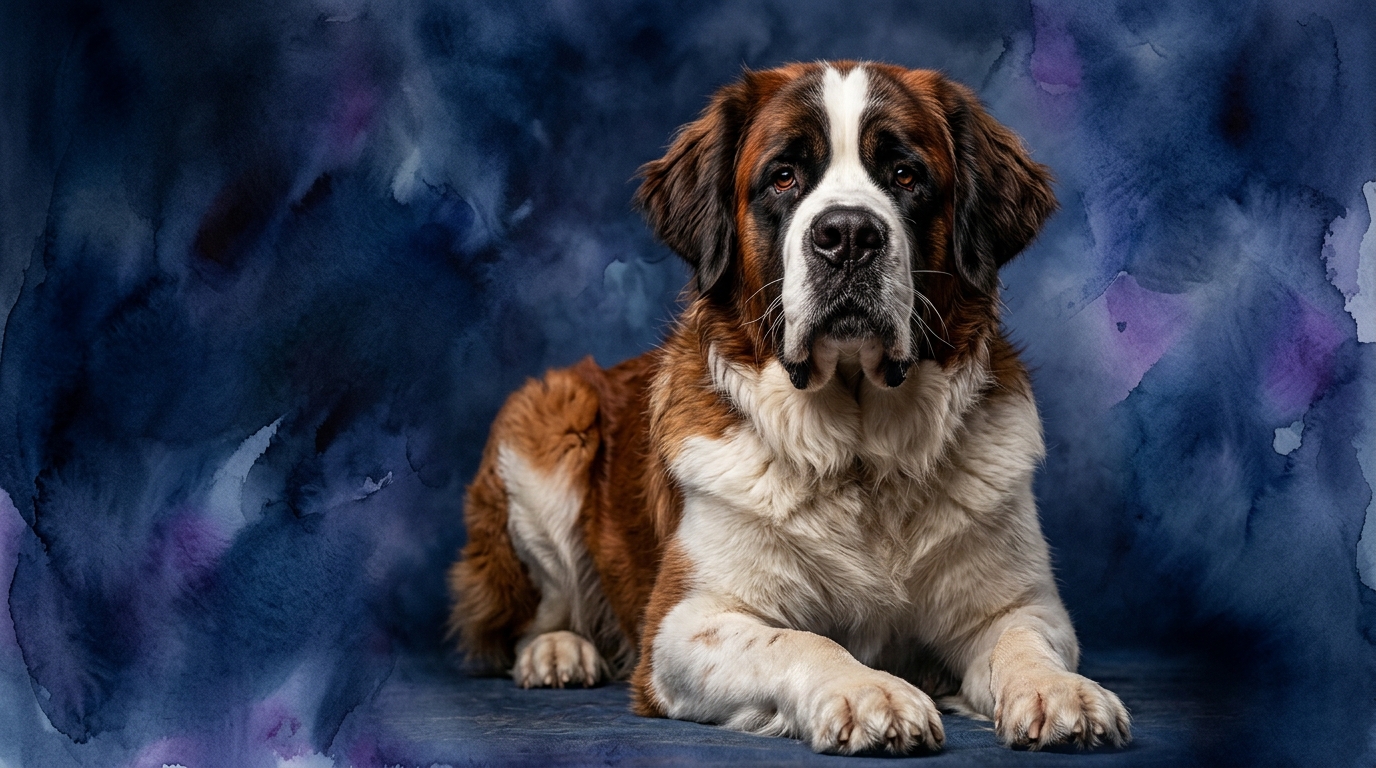
Occupying Coren rank #65, the Saint Bernard exhibits a distinct cognitive makeup. Problem Solving mirrors the Great Dane at 3/5, showing a similar baseline ability to navigate challenges. However, Training Speed is rated lower at 2/5, implying they might require more repetition and patience to master new commands, often preferring a deliberate rhythm. Social Intelligence is equally strong at 4/5, underscoring their profound empathy and connection with humans, integral to their historical roles. Where the Saint Bernard truly stands out is its Instinctive Drive, scoring an exceptional 5/5. This reflects a powerful intrinsic motivation, historically channeled into rescue work, translating to a deep-seated purposefulness. Memory, like the Great Dane, is a consistent 3/5, allowing them to remember learned lessons and form lasting associations.
Where the Great Dane Wins Cognitively
The Great Dane's cognitive edge primarily lies in its slightly quicker Training Speed and more balanced Instinctive Drive. With a Training Speed of 3/5, Great Danes generally pick up new commands and house rules with more alacrity than their Saint Bernard counterparts, potentially progressing through basic obedience in fewer repetitions. Furthermore, their Instinctive Drive of 3/5 suggests a more adaptable nature regarding intrinsic motivations. While they have natural dog behaviors, these are typically less intense and more easily redirected, making them versatile for various family activities without an overwhelming urge to fulfill a specific purpose. This balance can make them amenable to a wider range of interactions.
Where the Saint Bernard Wins Cognitively
The Saint Bernard's profound cognitive strength is unequivocally anchored in its remarkable 5/5 Instinctive Drive. This isn't merely a preference; it's a deep, intrinsic motivation that historically made them unparalleled alpine rescuers. This powerful drive translates into an unwavering sense of duty and steadfast commitment once a task or role is understood. For owners who can tap into this profound purposefulness, perhaps through structured "work" like therapy dog duties, the Saint Bernard's dedication is unparalleled. While their Problem Solving is on par, their strong social intelligence (4/5) combined with this immense drive makes them exceptionally empathetic and reliable when their natural inclinations are engaged. They possess a deep-seated capacity for loyalty and a desire to be useful, manifesting as a calm, confident presence.
Training Ease: Great Dane vs. Saint Bernard
Based on The Cosmic Pet Pet IQ Lab data, the Great Dane, with a Training Speed of 3/5, holds a slight advantage in ease of training compared to the Saint Bernard's 2/5. This difference indicates Great Danes are generally more receptive to learning new commands, often requiring fewer repetitions. Their moderate Instinctive Drive (3/5) also plays a role, as their intrinsic motivations are less intense, making them potentially less prone to distraction during training. Conversely, the Saint Bernard's 2/5 Training Speed suggests a more patient and persistent approach is necessary. They learn at a more deliberate pace; owners should anticipate needing more time and consistency. Their formidable Instinctive Drive (5/5), while a strength, can sometimes mean they focus more on internal motivations than immediate human directives, especially if those don't align with their perceived "purpose." Effective training for a Saint Bernard often involves understanding and leveraging this drive.
Matching Cognitive Profiles to Owner Lifestyles
The choice between these breeds, considering their cognitive profiles, often depends on the owner's lifestyle. The Great Dane, with its balanced Instinctive Drive (3/5) and quicker Training Speed (3/5), fits owners who enjoy moderate activity and engaging training. They appreciate structured walks, play, and mental stimulation without overwhelming natural drives. They thrive with owners prepared for regular, positive reinforcement training to manage their large size. For more relaxed owners, the Saint Bernard might be surprisingly suitable, provided their profound Instinctive Drive (5/5) is understood. While large, their energy levels are often lower, preferring steady, purposeful activity. They excel with owners who appreciate a calm, steadfast presence and are willing to engage in activities that fulfill their deep-seated desire to be useful, even as a watchful family member. Their slower Training Speed (2/5) means relaxed owners must be patient and consistent, understanding learning takes time but becomes deeply ingrained.
The Verdict
Choose the Great Dane if you appreciate a dog that learns a bit more quickly and has a balanced, adaptable drive, fitting well into a moderately active family life with consistent, engaging training.
Opt for the Saint Bernard if you value an incredibly loyal, calm companion with a profound sense of purpose, and you are prepared for patient training that respects their deliberate learning pace and powerful intrinsic motivations.
🧠 Find Your Pet's IQ Score
Our Pet IQ Lab assessment covers 25+ tests across 5 cognitive dimensions — personalized to your breed.
Take the Full IQ Test →Frequently Asked Questions
Do Great Danes or Saint Bernards bark more frequently?
Both breeds can be vocal, but frequency often depends more on individual temperament and training than breed alone. Great Danes may use their bark to alert, while Saint Bernards might use it to communicate their presence or needs, often with a deeper, more resonant sound.
Are Great Danes or Saint Bernards better with children?
Both breeds possess strong social intelligence (4/5) and are generally gentle giants with children, given proper socialization and supervision. Their calm demeanor and patience make them suitable family companions, though their sheer size necessitates careful interaction to prevent accidental bumps.
What kind of mental stimulation do these breeds need?
Great Danes benefit from varied training, puzzle toys, and consistent interaction to engage their balanced drive. Saint Bernards thrive on tasks that tap into their strong instinctive drive, such as "helping" around the house or therapy work, where they feel they have a purposeful role.