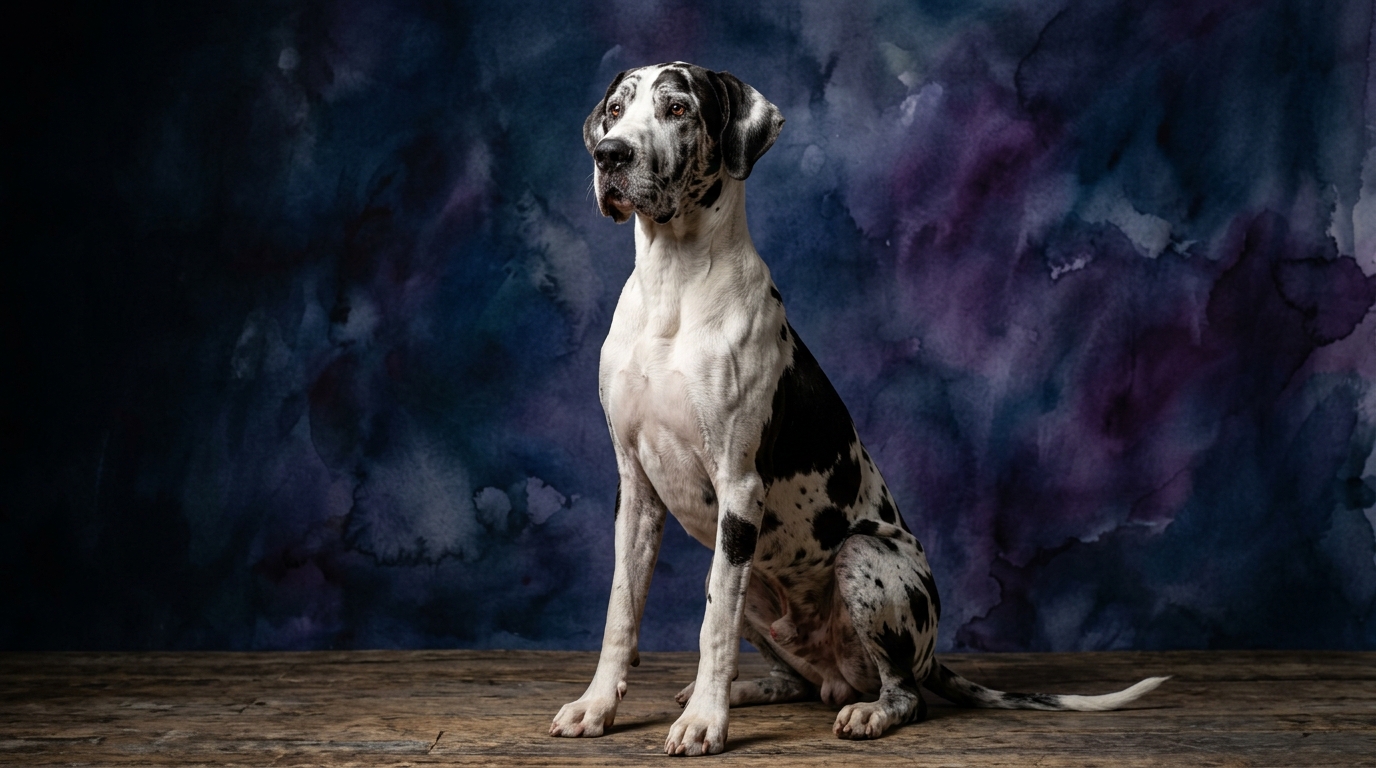
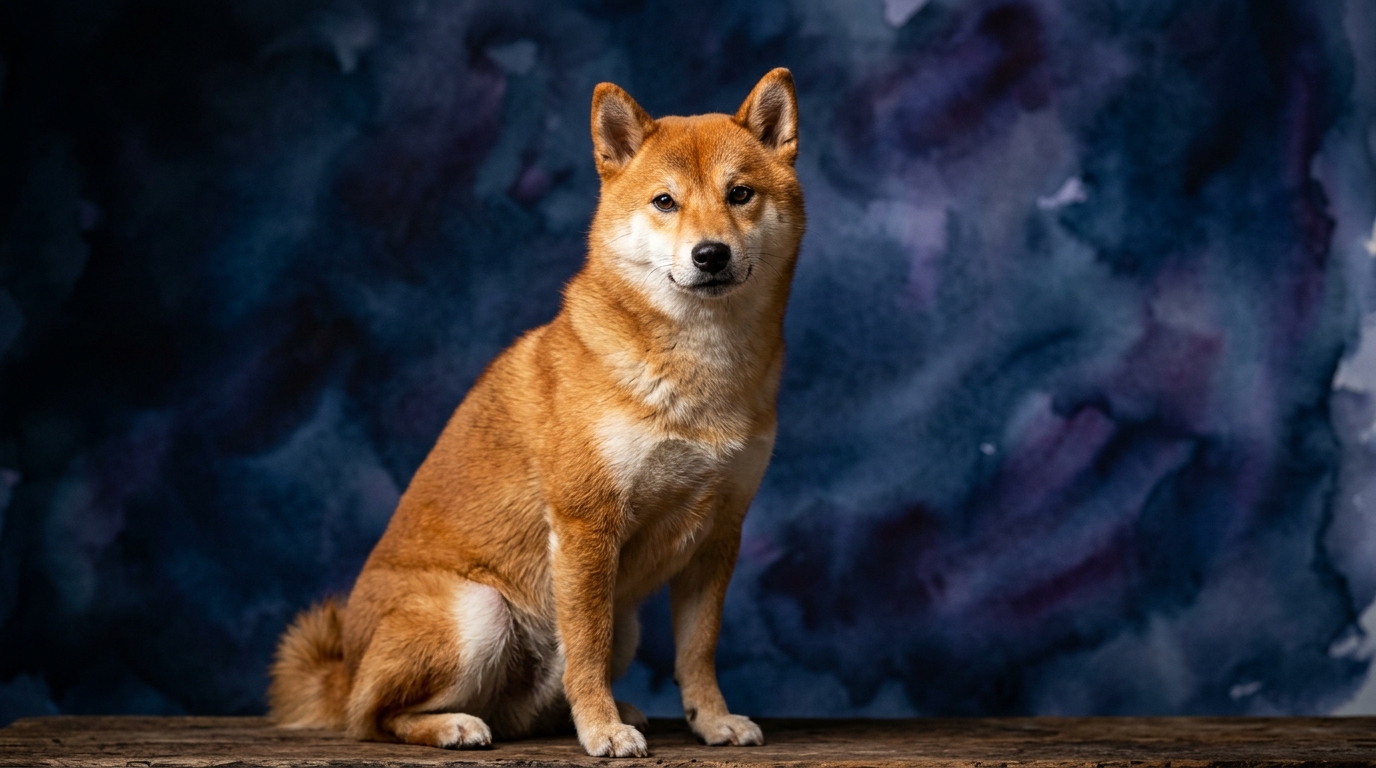
Side-by-Side IQ Profile: Great Dane vs. Shiba Inu
At the heart of our comparison lies the Great Dane, a Working group dog with a Coren ranking of #48, suggesting a solid capacity for obedience and working intelligence. Their problem-solving ability is rated 3/5, indicating they can navigate moderately complex tasks, often relying on established routines or human guidance rather than independent innovation. Training speed for the Great Dane is also 3/5; they absorb new commands at a steady, consistent pace, responding well to clear instruction and positive reinforcement. Where the Great Dane truly shines is in social intelligence, scoring 4/5. They are adept at reading human emotions, forming deep bonds, and adapting their behavior to social cues, making them highly empathetic companions. Their instinctive drive is 3/5, meaning while they possess natural dog instincts, these are generally manageable and less dominant in their daily decision-making. Memory for Great Danes sits at 3/5, allowing them to retain learned information and experiences effectively, though perhaps not with the intricate recall of some other breeds.
In stark contrast, the Shiba Inu, a Non-Sporting breed without a Coren ranking, presents a different cognitive landscape. Their problem-solving ability is a robust 4/5, highlighting a strong capacity for independent thought and creative solutions, often figuring out challenges on their own terms. However, their training speed is 2/5; their independent nature and occasional stubbornness can make learning new commands a slower process, demanding patience and inventive motivation from their owners. Social intelligence for the Shiba Inu is 3/5; they understand social cues but tend to be more reserved or selective in their interactions, often valuing their independence over constant human engagement. Their instinctive drive is a remarkable 5/5, manifesting as a powerful prey drive, territoriality, and an unwavering independent spirit that governs much of their behavior. Finally, the Shiba Inu's memory is 4/5, indicating excellent retention of experiences and learned behaviors, remembering both positive and negative associations vividly and for extended periods.
Where the Great Dane Wins Cognitively
The Great Dane's cognitive strengths primarily center around their exceptional social intelligence and more malleable instinctive drives. Scoring 4/5 in social intelligence, Great Danes possess a profound capacity for empathy and emotional attunement, readily understanding human moods and desires. This makes them incredibly intuitive companions, often appearing to anticipate their owner's needs or offering comfort without explicit prompting. Their willingness to engage and cooperate stems from this deep social connection, making them natural family members who strive for harmony within their human pack. Furthermore, their instinctive drive of 3/5 means they are less compelled by an overwhelming urge to hunt, roam, or act independently based purely on instinct. This moderated drive translates into a dog less prone to chasing squirrels across busy streets or exhibiting strong territorial behaviors, making them generally more predictable and easier to integrate into varied social environments. Their cognitive profile leans towards collaboration and companionship, valuing the human bond above solitary pursuits.
Where the Shiba Inu Wins Cognitively
The Shiba Inu's cognitive advantages are rooted in their sharp problem-solving skills, formidable instinctive drive, and superior memory. With a problem-solving score of 4/5, Shibas exhibit a remarkable ability to assess situations and devise their own solutions, often showcasing impressive ingenuity and resourcefulness. This independent thought means they are less likely to wait for human direction and more inclined to figure things out, whether it's escaping a yard or opening a cabinet. Their instinctive drive, rated at a perfect 5/5, fuels their acute awareness of their surroundings, their strong prey drive, and their inherent self-reliance. While this can be a challenge for owners, it also means Shibas are incredibly alert, resilient, and capable of navigating complex environments, relying on their primal senses and instincts effectively. Coupled with a memory score of 4/5, Shibas retain experiences and lessons with remarkable clarity. This means they quickly learn what works and what doesn't, remembering both positive reinforcement cues and any negative associations, shaping their behavior based on a rich internal database of past events.
Which is Easier to Train and Why
Comparing training ease, the Great Dane generally presents a more straightforward experience due to their higher social intelligence and moderate instinctive drive. Their social intelligence (4/5) translates into a strong desire to please and a keen ability to interpret human body language and vocal tones. They respond well to positive reinforcement, praise, and a consistent routine, often eager to learn and cooperate. Their training speed of 3/5 means they pick up new commands steadily, requiring patience but not excessive repetition. The Great Dane's instinctive drive (3/5) is less dominant, meaning fewer ingrained behaviors to counteract, making them more receptive to human direction. For instance, while a Great Dane might notice a squirrel, their impulse to chase is often overridden by their desire to remain with their owner.
Conversely, the Shiba Inu's training journey is typically more demanding, primarily due to their independent nature, lower training speed, and powerful instinctive drive. Their training speed of 2/5 reflects a tendency to prioritize their own agenda, making them less inclined to blindly follow commands. This is compounded by their exceptional instinctive drive (5/5), which means their natural urges, such as a high prey drive or a desire to explore, often take precedence over human requests. A Shiba Inu seeing a squirrel will likely act on that instinct immediately, requiring significant prior training and impulse control work. Their social intelligence (3/5) is sufficient for understanding, but their inherent independence often means they will choose not to comply if they don't see the immediate benefit or if something more interesting captures their attention. Successful Shiba training requires creative, highly motivating rewards, short engaging sessions, and a deep understanding of their self-reliant personality, rather than expecting eager obedience.
Which Suits Active Owners vs. Relaxed Owners
The cognitive profiles of these breeds suggest suitability for different owner lifestyles. The Great Dane, despite its imposing size, often aligns well with more relaxed owners who appreciate a deeply connected, emotionally responsive companion. Their high social intelligence (4/5) means they thrive on human companionship and interaction within the home, often content to lounge nearby. While they require regular, moderate exercise to maintain their health, they are not typically high-octane dogs needing constant strenuous activity. Their moderate instinctive drive (3/5) means they are generally content with a predictable routine and less driven by an urge for endless exploration or intense mental puzzles, making them excellent companions for those seeking a gentle presence in their daily life.
The Shiba Inu, on the other hand, is better suited for active owners who relish engaging with a clever, independent, and spirited dog. Their high problem-solving ability (4/5) and powerful instinctive drive (5/5) mean they require significant mental and physical stimulation to prevent boredom and destructive behaviors. They thrive with owners who can provide consistent, challenging training, engage them in varied activities like agility or scent work, and understand their need for both structured exercise and opportunities to exercise their independent mind. An owner who appreciates a dog that thinks for itself, and is prepared to channel that intelligence and drive through engaging activities, will find a rewarding partnership with a Shiba Inu. Their cognitive makeup demands an owner who is proactive in providing enrichment and managing their strong innate impulses.
The Verdict
For individuals or families seeking a deeply empathetic, emotionally attuned companion who integrates seamlessly into family life and enjoys a steady, predictable routine, offering comfort and unwavering loyalty, the Great Dane is an ideal choice.
For owners who appreciate an independent, clever, and spirited dog, willing to invest significant time in understanding and engaging their keen mind and managing their strong, innate drives through consistent, creative training and enrichment, the Shiba Inu will be a rewarding partner.
🧠 Find Your Pet's IQ Score
Our Pet IQ Lab assessment covers 25+ tests across 5 cognitive dimensions — personalized to your breed.
Take the Full IQ Test →Frequently Asked Questions
Are Great Danes easy to live with?
Yes, their high social intelligence and moderate instinctive drives make them generally adaptable family members. They thrive on companionship and can be quite content with a relaxed home environment once their exercise needs are met, often becoming gentle giants indoors.
Why are Shiba Inus considered difficult to train?
Their strong independent nature and powerful instinctive drives mean they often prefer their own agenda over human commands, requiring significant motivation and patience. They learn quickly but only if they perceive value in the task, making consistent, positive, and engaging training methods essential to overcome their natural self-reliance.
Do Shiba Inus need a lot of exercise?
While not endurance athletes, Shiba Inus possess a high instinctive drive and keen problem-solving ability that benefits from regular physical and mental stimulation. Daily walks, puzzle toys, and engaging training sessions are essential to keep their minds and bodies active and prevent boredom, channeling their natural resourcefulness.