Side-by-Side IQ Profile: Unpacking the 3/5 Score
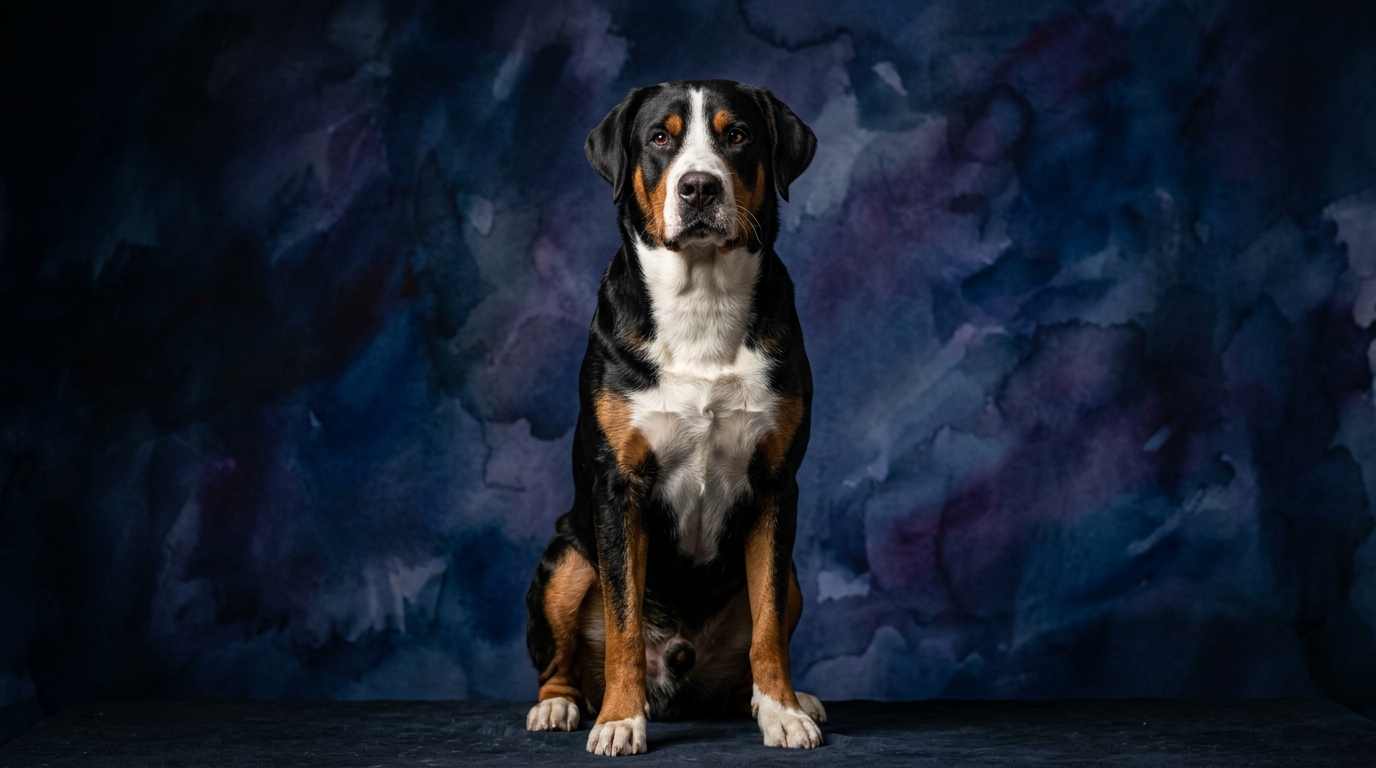
Both the Greater Swiss Mountain Dog (GSMD) and the Bluetick Coonhound register a consistent 3 out of 5 across all five intelligence dimensions, indicating a solid, functional cognitive capacity rather than exceptional brilliance or significant challenge. However, the *application* of this 3/5 score varies dramatically between these two breeds, reflecting their heritage. For the Greater Swiss Mountain Dog, a working breed, a 3/5 in Problem Solving often translates to a steady, deliberate approach to tasks. They can figure out how to open a gate or navigate a familiar obstacle course, especially if there's a clear reward or a perceived 'job' involved, relying on their physical presence and methodical nature. Their Training Speed at 3/5 means they are capable learners who respond well to consistent, positive reinforcement, but they aren't instant obedience champions; repetition and clear communication are key. Social Intelligence at 3/5 for a GSMD suggests a strong awareness of their human family's emotions and expectations, often leading to a desire to participate and protect. Their Instinctive Drive at 3/5 leans towards guarding, companionship, and a desire for purpose within their family unit, manifesting as vigilance and loyalty. Finally, their Memory at 3/5 indicates they retain learned commands, routines, and social structures effectively over time, contributing to their reliability.
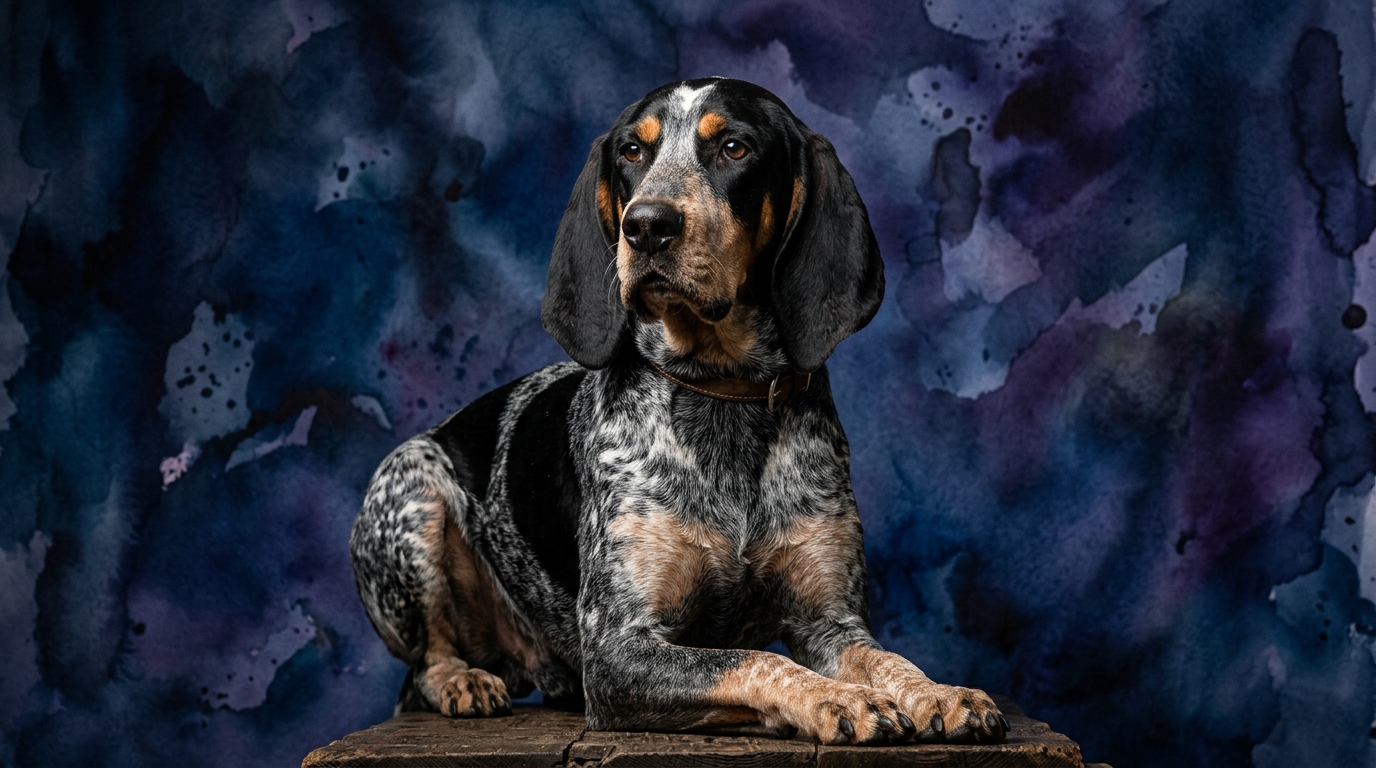
Conversely, for the Bluetick Coonhound, a hound breed, the 3/5 in Problem Solving is heavily skewed towards independent, scent-driven challenges. They excel at figuring out how to follow a complex, broken trail, navigating varied terrain and obstacles with singular focus—a form of problem-solving entirely different from the GSMD's. Their Training Speed at 3/5 means they *can* learn commands, but their primary motivation is often their nose, making training a constant negotiation against powerful olfactory distractions. They require patient, engaging methods to capture their attention away from the world of scent. Social Intelligence at 3/5 for a Bluetick typically means they are affable and good-natured within their established 'pack,' be it human or canine, but their attention can be easily pulled away by an interesting scent, sometimes appearing less attuned to subtle human cues. Their Instinctive Drive at 3/5 is overwhelmingly dominated by their prey drive and an insatiable desire to track and bay, a primal urge that dictates much of their behavior and cognitive effort. Their Memory at 3/5 is particularly strong for scent trails and locations associated with hunting or interesting smells, remembering where a squirrel was last seen or a particular scent was encountered, but may be less focused on remembering complex human-initiated routines if not strongly reinforced.
Where the Greater Swiss Mountain Dog Wins Cognitively
The Greater Swiss Mountain Dog's cognitive strengths shine in environments requiring consistent, reliable presence and a more direct partnership with their human. Their 3/5 Problem Solving, while not groundbreaking, is particularly effective in tasks involving spatial awareness within a structured setting, such as navigating a cart-pulling course or understanding the boundaries of a yard. They demonstrate a thoughtful approach to physical obstacles, often observing before acting, which is a valuable trait for a dog expected to work alongside people. Their social intelligence, combined with their instinctive drive for companionship and protection, means they are often more adept at reading human body language and vocal tones, making them more responsive to subtle cues in a family setting. This allows them to anticipate needs or potential threats, contributing to their reputation as dependable family guardians. They also tend to excel in retaining complex routines and multi-step commands, especially when those tasks align with a perceived 'job' or contribute to the cohesion of their human 'pack.' Their memory for sequences and specific verbal commands, when consistently taught, can be quite robust, leading to a more predictable and cooperative companion in daily life.
Where the Bluetick Coonhound Wins Cognitively
The Bluetick Coonhound's cognitive prowess is unequivocally centered around their extraordinary olfactory capabilities and the independent problem-solving required for tracking. Their 3/5 Problem Solving score, though numerically identical to the GSMD's, manifests as a highly specialized intelligence for deciphering complex scent puzzles. A Bluetick can follow a faint, hours-old trail across varied and challenging terrain, making intricate decisions about direction, intensity, and contamination, a feat of cognitive processing that few breeds can match. This involves an impressive ability to filter out irrelevant sensory information and maintain focus on a single, elusive goal. Their instinctive drive, overwhelmingly scent-focused, provides the relentless motivation needed to pursue these cognitive challenges for extended periods. This persistence, combined with their memory for specific scent profiles and the location of past successful hunts, makes them unparalleled in tasks requiring sustained, independent environmental navigation based on smell. While their social intelligence might seem less outwardly focused on human emotional nuance, they demonstrate a profound understanding of their hunting partners' roles and signals within a working context, showcasing a different but equally valid form of social cognition centered on cooperative pursuit.
Which is Easier to Train and Why
When considering ease of training, the Greater Swiss Mountain Dog generally presents a more straightforward path for the average owner. Their working breed heritage imbues them with a desire to collaborate and please their human partners. While their training speed is a moderate 3/5, they are typically attentive in structured training sessions and respond well to clear, consistent instruction. Their social intelligence helps them tune into their handler's expectations, and their instinctive drive for purpose means they appreciate having a job to do, even if that job is simply 'sit' or 'stay.' This inherent cooperative nature means they often perceive training as a shared activity, making them more amenable to learning basic obedience and more complex tasks.
The Bluetick Coonhound, despite sharing the same 3/5 training speed, presents a different set of challenges due to their profound independent nature and overpowering scent drive. A Bluetick's world is primarily dictated by its nose, and once a compelling scent is encountered, all other stimuli, including a handler's commands, often become secondary. Training a Bluetick requires immense patience, creativity, and a willingness to compete with their primary instinct. While they are capable of learning, their attention is easily diverted, and their problem-solving skills are often applied to finding ways to follow a scent rather than adhering strictly to human directives. Owners must harness their innate drives, often through scent work or activities that engage their tracking abilities, to achieve consistent results. Their training is less about compliance and more about channeling their powerful, independent will.
Which Suits Active Owners vs. Relaxed Owners
The choice between a Greater Swiss Mountain Dog and a Bluetick Coonhound significantly depends on an owner's lifestyle and activity levels. The Greater Swiss Mountain Dog, while robust and capable, is often a better fit for active owners who enjoy structured outdoor activities but also appreciate a dog that can settle calmly indoors. They thrive on having a routine and participating in family life, enjoying hikes, carting, or even competitive obedience. Their need for physical and mental engagement is significant, but it's typically satisfied through consistent walks, play, and training sessions that involve their human companions. They are generally adaptable to various home environments, provided their need for exercise and companionship is met.
The Bluetick Coonhound, on the other hand, is unequivocally suited for highly active, outdoors-oriented owners. Their boundless energy and relentless drive to explore with their nose demand extensive daily exercise, often requiring hours of vigorous activity, long walks, or dedicated scent work. A 'relaxed' owner who cannot provide consistent outlets for their intense instinctive drive will quickly find a Bluetick becoming bored, restless, and potentially destructive. They are not content with short strolls around the block; they need to run, sniff, and use their incredible stamina. Their independent nature also means they often prefer to be 'doing' rather than simply 'being,' making them ideal companions for hunters, hikers, or those engaged in canine sports like tracking or agility.
The Verdict
Choose the Greater Swiss Mountain Dog if you seek a steadfast, cooperative companion for a moderately active family life, one that thrives on routine and purposeful engagement with its humans.
Opt for the Bluetick Coonhound if you are an intensely active, outdoor enthusiast eager to embrace a dog's independent, scent-driven nature and provide extensive outlets for its boundless energy and tracking instincts.
🧠 Find Your Pet's IQ Score
Our Pet IQ Lab assessment covers 25+ tests across 5 cognitive dimensions — personalized to your breed.
Take the Full IQ Test →Frequently Asked Questions
Do Greater Swiss Mountain Dogs or Bluetick Coonhounds learn tricks faster?
While both breeds have a 3/5 training speed, Greater Swiss Mountain Dogs might appear to learn human-centric tricks faster due to their cooperative nature and desire to please. Bluetick Coonhounds can learn, but their focus is often on scent, requiring more engaging and consistent methods to hold their attention for trick training.
Which breed is better for problem-solving in a home environment?
For typical household problem-solving, like figuring out how to open a treat container or navigate new furniture, the Greater Swiss Mountain Dog's methodical approach often gives it an edge. The Bluetick Coonhound's problem-solving is primarily focused on intricate scent-tracking, which isn't as applicable to domestic puzzles.
How does their social intelligence differ with the 3/5 rating?
The GSMD's 3/5 social intelligence often means they are attuned to human emotional cues and family dynamics, seeking to be an integrated member. The Bluetick's 3/5 typically manifests as a friendly, but often more independently focused, social demeanor, where their primary 'social' drive might be towards scent-related activities alongside their human 'pack' rather than constant emotional mirroring.