Side-by-Side IQ Profile: Greyhound vs. Airedale Terrier
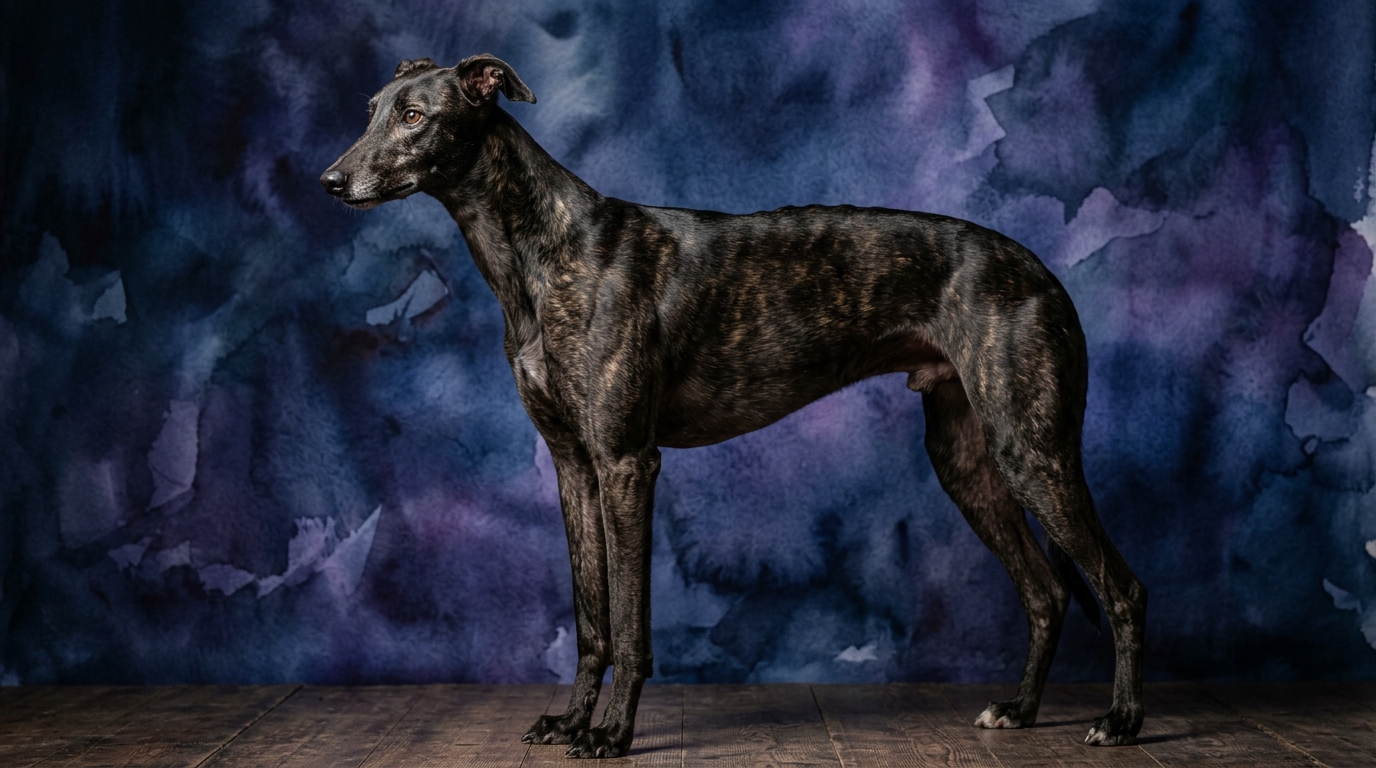
The Greyhound's cognitive blueprint is intrinsically linked to its heritage as a sighthound. Their Problem Solving is rated 3/5, indicating an efficiency in resolving immediate, practical challenges, often related to movement or access, rather than intricate puzzles. This practical intelligence manifests in quick decisions when navigating open spaces or responding to visual cues, optimizing for energy conservation and speed. Training Speed, at 2/5, suggests they learn at their own pace, often requiring consistent, positive reinforcement methods tailored to their sensitive nature, and may not always prioritize human commands over instinct. Social Intelligence, a 3/5, means they comprehend human cues and social structures, yet often form deep bonds with a select few, maintaining a reserved demeanor with strangers. Their Instinctive Drive scores a perfect 5/5, reflecting an unparalleled genetic predisposition for chasing anything that moves, a defining characteristic that shapes much of their cognitive processing. Memory, at 3/5, enables them to recall routines and specific contexts, though complex multi-step commands might require more repetition.
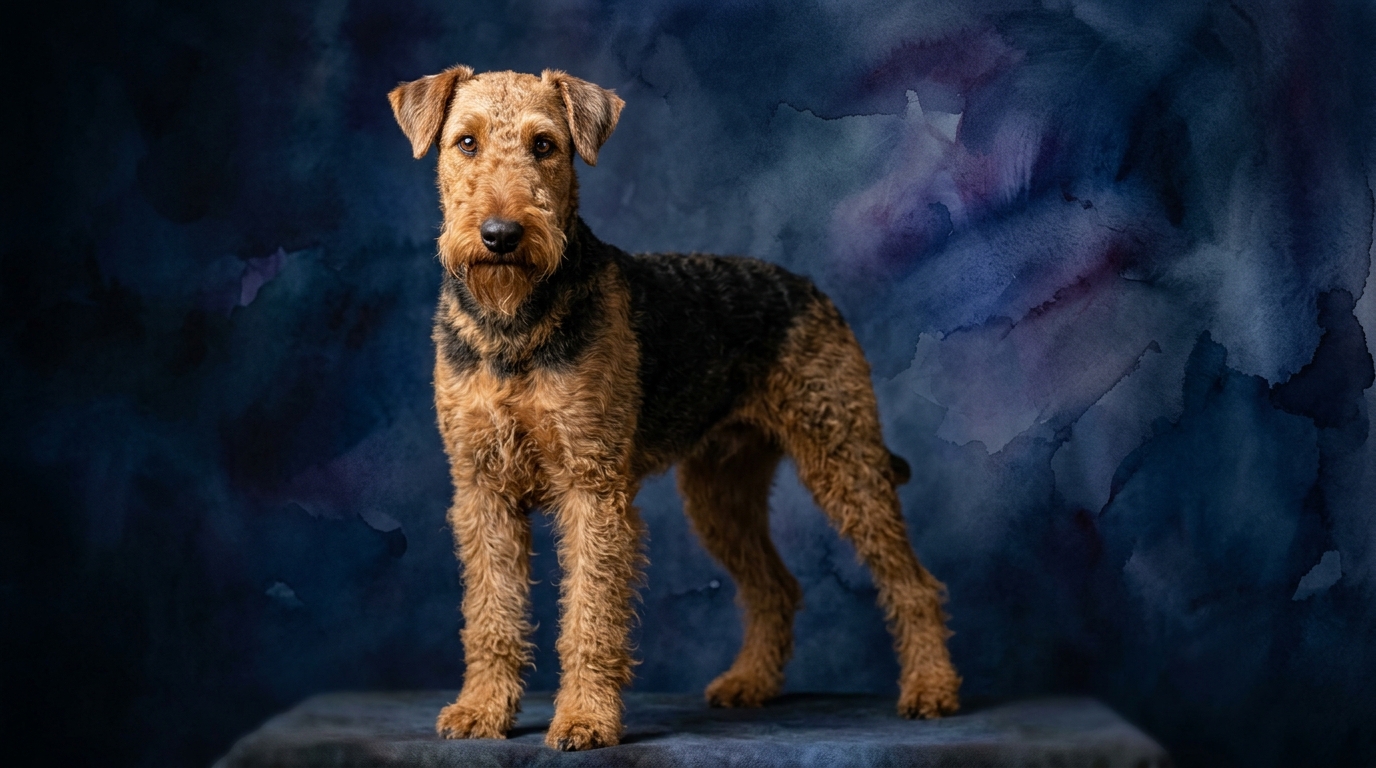
The "King of Terriers," the Airedale, presents a robust and versatile cognitive makeup. Their Problem Solving is a strong 4/5, showcasing a breed that is adept at figuring out how to achieve its goals, often using cunning and persistence to overcome obstacles, whether it's opening a gate or finding a hidden toy. Training Speed also scores 4/5, indicating a quick grasp of new commands and concepts, though their independent streak means compliance isn't always a given without proper motivation and engagement. Social Intelligence, matching the Greyhound at 3/5, signifies their ability to read and respond to social cues, but often with a confident, sometimes assertive, personality. Their Instinctive Drive is a solid 3/5, reflecting a strong prey drive typical of terriers, geared towards hunting small game, but not the singular, all-consuming chase of a sighthound. Memory, at 4/5, suggests they retain learned behaviors and experiences effectively, making them capable of mastering complex sequences and tricks.
Where the Greyhound Excels Cognitively
The Greyhound's cognitive strengths shine brightest in areas tied to its primary function: speed and observation. Their perfect 5/5 Instinctive Drive isn't just about raw speed; it's a sophisticated cognitive system that processes visual stimuli at an incredible rate, allowing them to track and react to moving objects with unmatched precision. This specialization means their problem-solving, while rated 3/5, is highly efficient in scenarios demanding immediate, direct action, such as navigating an open field to intercept a lure, rather than engaging in abstract thought. Their minds are wired for visual pursuit, making them masters of tracking and reacting to motion.
Furthermore, their reserved Social Intelligence, though a 3/5, often translates into a calm, observant nature indoors, a cognitive state that allows them to conserve energy and process their environment with quiet contemplation. This quietude is a distinct form of contextual awareness, where they excel at understanding subtle environmental shifts and anticipating routine. They demonstrate a quiet, efficient intelligence, prioritizing energy conservation and focused bursts of activity.
Where the Airedale Terrier Holds the Cognitive Edge
The Airedale Terrier demonstrates superior cognitive versatility, particularly in areas demanding wit and adaptability. Their 4/5 Problem Solving score highlights a breed that doesn't just react but actively strategizes, often finding creative solutions to get what they want. This manifests in their ability to outsmart owners by figuring out complex latches or devising ways to reach forbidden items, showcasing a persistent, goal-oriented mind. Their terrier cunning allows them to analyze situations and devise solutions, whether it's figuring out a gate latch or retrieving a hidden toy.
The Airedale's 4/5 Training Speed means they quickly grasp new commands and concepts, making initial learning phases often smoother and faster than with Greyhounds. Coupled with their 4/5 Memory, they excel at retaining a wide array of commands and can perform intricate sequences, demonstrating a capacity for more complex learning and recall. Their generalist intelligence allows them to adapt to diverse tasks and environments with a keen, inquisitive mind, always ready for a new challenge and capable of building on previous lessons.
Training Dynamics: Greyhound vs. Airedale Terrier
When considering ease of training, the Airedale Terrier generally presents a more direct path to learning obedience, though not without its specific challenges. Their 4/5 Training Speed means they absorb new commands quickly, often eager to engage in mental exercises. However, their strong terrier personality and independent streak mean that while they understand what you want, they might choose not to comply if they find a task boring or prefer to pursue their own agenda. Effective Airedale training requires consistent engagement, varied tasks, and a firm yet fair approach to channel their cleverness and ensure compliance.
The Greyhound, with a 2/5 Training Speed, often requires more patience and a nuanced approach. They are sensitive and respond best to positive reinforcement, gentle guidance, and short, focused sessions. Their primary drive is often visual, meaning distractions in the form of movement can easily override learned commands. While they may take longer to master traditional obedience, once a command is ingrained and associated with a positive experience, they are generally reliable. Their "ease" of training is more about understanding their sighthound nature – minimal repetitions, quiet environments, and making training feel like a game rather than a chore.
Lifestyle Match: Active vs. Relaxed Owners
The choice between a Greyhound and an Airedale Terrier often comes down to an owner's lifestyle and energy levels. The Greyhound, despite its racing heritage, is surprisingly suited for owners who appreciate a relaxed home environment. While they absolutely require opportunities for short, intense bursts of running in a secure area – satisfying that 5/5 instinctive drive – indoors they are often calm, quiet, and content to lounge. They thrive with owners who enjoy quiet companionship and can provide controlled, safe outlets for their speed, rather than continuous activity or demanding mental engagement throughout the day.
Conversely, the Airedale Terrier is a match for genuinely active and engaged owners. Their 4/5 Problem Solving and 3/5 Instinctive Drive mean they need consistent mental and physical stimulation to prevent boredom and destructive behaviors. They excel in activities like agility, hiking, and advanced obedience, requiring owners who are prepared to dedicate significant time to training, play, and varied outdoor adventures. An Airedale thrives on being a working partner, making them ideal for individuals or families who embrace an energetic, hands-on approach to dog ownership and can provide ample opportunities for their inquisitive minds.
The Verdict
If you seek a calm, affectionate companion who appreciates quiet home life punctuated by exhilarating, safe sprints, and you value a dog that processes the world with a reserved, observant intelligence, the Greyhound is an ideal choice.
For those who desire an active, clever, and highly engaged partner capable of mastering complex tasks and thriving on varied mental and physical challenges, and who are prepared for a strong, independent personality, the Airedale Terrier will prove to be a rewarding companion.
🧠 Find Your Pet's IQ Score
Our Pet IQ Lab assessment covers 25+ tests across 5 cognitive dimensions — personalized to your breed.
Take the Full IQ Test →Frequently Asked Questions
Does a Greyhound's lower training speed mean it's not intelligent?
Not at all. A Greyhound's intelligence is specialized, excelling in visual processing and efficient action for its specific purpose. Their lower training speed for traditional obedience simply reflects a different learning style and a strong, context-dependent instinctive drive, rather than a lack of cognitive capacity.
Does the Airedale's higher problem-solving score make it inherently "smarter" or a better family pet?
The Airedale's superior problem-solving indicates a clever, adaptable mind, but "smarter" is subjective and depends on the task. While this trait can make them engaging family members, it also means they require consistent mental stimulation and clear boundaries to prevent them from "outsmarting" their owners in undesirable ways.
How do their instinctive drives impact daily life for owners?
For Greyhounds, their 5/5 instinctive drive means an absolute need for secure, fenced areas for running, as they will pursue anything that moves. For Airedales, their 3/5 instinctive drive means a strong prey drive for small animals and a need for consistent leash training and mental engagement to channel their energy productively, preventing them from creating their own "fun."