Side-by-Side Cognitive Profiles
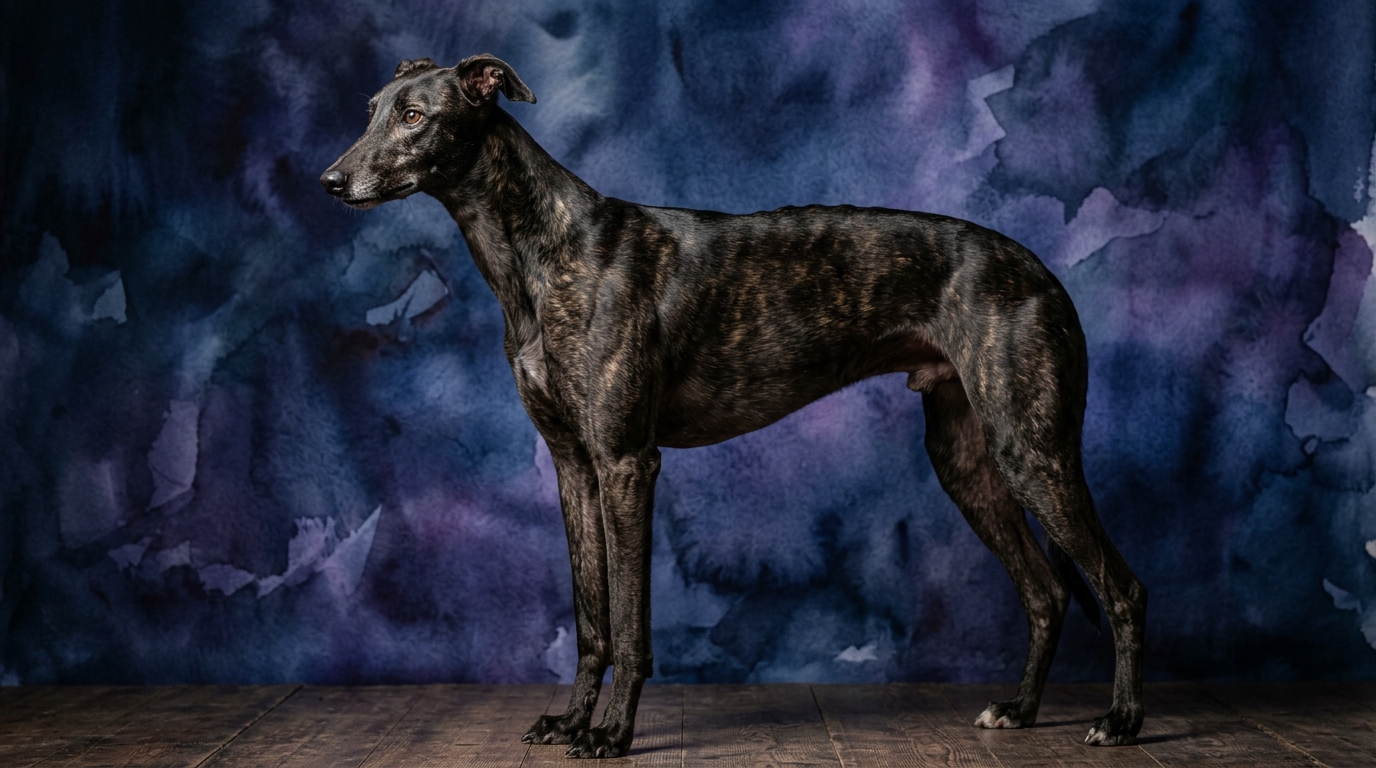
At The Cosmic Pet Pet IQ Lab, we evaluate canine cognition across five distinct dimensions, providing a granular view beyond simple 'smartness.' For the Greyhound, we observe a Problem Solving score of 3/5, indicating an ability to navigate moderately complex situations, often in pursuit of a goal. Its Training Speed is rated 2/5, suggesting a more independent learning style that requires patience and consistent motivation. Social Intelligence stands at 3/5, meaning Greyhounds can form strong bonds and understand human cues, though they might not seek constant interaction. The breed's Instinctive Drive is a formidable 5/5, overwhelmingly centered on the chase, a remnant of millennia of selective breeding for speed. Finally, its Memory is 3/5, allowing it to recall routes, routines, and experiences effectively.
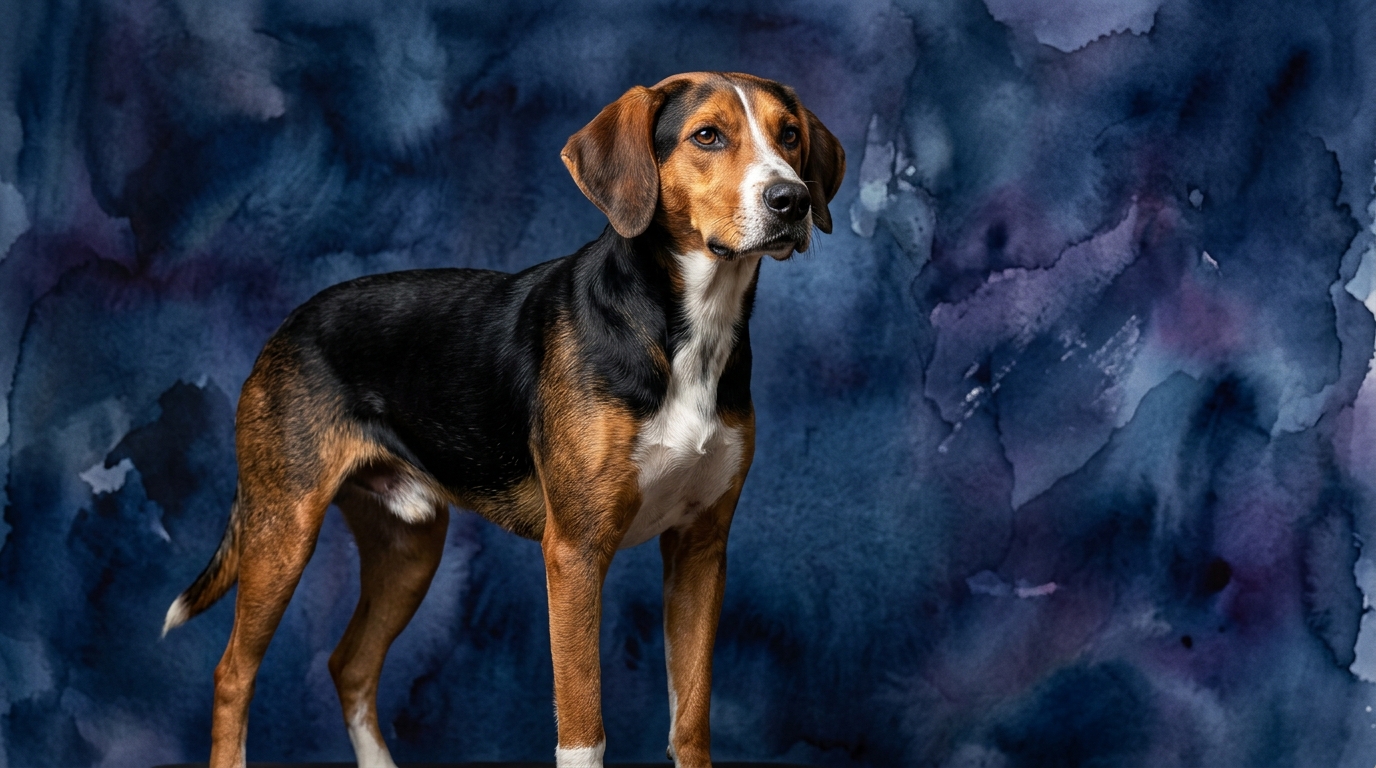
The American Foxhound, while not featured in Coren's ranking, presents a distinct cognitive profile based on its working heritage. Its Problem Solving ability is also rated 3/5, reflecting a capacity to overcome obstacles, particularly when following a scent trail. Training Speed for the American Foxhound is a slightly higher 3/5, indicating a more cooperative and responsive learner compared to its sighthound cousin. Social Intelligence matches the Greyhound at 3/5, highlighting their pack-oriented nature and ability to integrate within a family unit. The Instinctive Drive for the American Foxhound is 3/5, primarily focused on scent tracking and endurance, a powerful but less singular drive than the Greyhound's. Its Memory, like the Greyhound's, is 3/5, crucial for remembering complex scent patterns and terrain.
Where the Greyhound's Mind Excels
The Greyhound's cognitive strengths are profoundly shaped by its primary function: high-speed pursuit. Its 5/5 Instinctive Drive isn't just a desire to run; it's a sophisticated mental architecture for identifying, tracking, and intercepting fast-moving targets. This involves rapid visual processing, predictive analysis of prey movement, and an immediate, decisive response. While its general Problem Solving is 3/5, within the context of a chase, a Greyhound demonstrates exceptional, instinct-driven problem-solving – finding the most efficient path, anticipating turns, and conserving energy for the final sprint. This breed’s memory, rated at 3/5, often manifests as a precise recall of specific courses or a keen awareness of environmental changes that might indicate prey, making them adept at navigating familiar terrains with impressive efficiency. They exhibit a quiet observational intelligence, often processing their surroundings with a calm detachment before reacting with explosive speed.
Where the American Foxhound's Mind Shines
The American Foxhound's cognitive prowess is rooted in endurance, cooperation, and an unparalleled dedication to scent work. Its 3/5 Instinctive Drive, while lower than the Greyhound's, is a testament to its sustained focus on a single, complex task: following a trail for hours, if not days. This requires a specific type of problem-solving (3/5) that involves filtering out irrelevant scents, remembering previous track segments, and adapting to changing environmental conditions. Their 3/5 Training Speed, higher than the Greyhound's, suggests a greater willingness to work alongside a human partner, reflecting their pack hunting heritage where communication and cooperation are paramount. This means they are often more amenable to learning complex sequences of commands that aid in tracking or field work. The American Foxhound's memory, also 3/5, is particularly robust for recalling intricate scent patterns and the locations of various game, allowing them to return to a trail even after a significant distraction.
Trainability: Greyhound vs. American Foxhound
When it comes to formal training, the American Foxhound generally presents a more straightforward experience for the average owner due to its 3/5 Training Speed. Their pack mentality fosters a desire to please and cooperate with their 'leader,' making them more responsive to positive reinforcement and consistent guidance. While their scent drive can be a distraction, they are often more focused on their handler's directives in a structured training environment. Their robust memory (3/5) allows them to retain commands and routines effectively, especially when they understand the purpose or reward.
The Greyhound, with a Training Speed of 2/5, can be more challenging. Their independent nature and powerful 5/5 Instinctive Drive mean they are often internally motivated by the chase rather than external commands. Their quiet, observant demeanor can be mistaken for disinterest, but it's often a sign of their selective attention. Training Greyhounds requires immense patience, understanding of their sighthound instincts, and a focus on making training sessions rewarding and engaging without demanding prolonged, repetitive obedience. Real behavioral differences include the Greyhound's tendency to 'tune out' if a scent or visual stimulus captures their attention, whereas the American Foxhound, while scent-driven, often maintains a stronger connection to its handler's presence in a working context.
Suitability for Active vs. Relaxed Owners
The Greyhound, surprisingly for such a fast breed, can suit owners who appreciate both intense bursts of activity and prolonged periods of relaxation. Their need for speed is typically satisfied by short, intense sprints in a secure area, followed by extensive lounging. Inside the home, Greyhounds are often calm, quiet, and content to nap for hours, making them excellent companions for relaxed owners who can provide a safe space for their daily 'zoomies.' Their moderate social intelligence (3/5) means they enjoy company but aren't typically demanding of constant interaction.
Conversely, the American Foxhound is best suited for highly active owners who can meet its substantial needs for physical exercise and mental stimulation, particularly through scent work. Their endurance and instinctive drive (3/5) mean they require long, vigorous walks, runs, or opportunities for tracking. They thrive in environments where their powerful nose can be put to use, whether in formal scent sports or simply exploring extensive outdoor areas. Owners who lead a more relaxed lifestyle may find themselves overwhelmed by the American Foxhound's persistent energy and vocal nature if not adequately exercised and engaged.
The Verdict
Choose a Greyhound if you admire independent thinkers who excel in short bursts of speed and enjoy long, peaceful indoor companionship, provided you can safely unleash their running instinct.
Opt for an American Foxhound if you are an active individual or family seeking an enduring, cooperative partner for extensive outdoor adventures and scent-based activities.
🧠 Find Your Pet's IQ Score
Our Pet IQ Lab assessment covers 25+ tests across 5 cognitive dimensions — personalized to your breed.
Take the Full IQ Test →Frequently Asked Questions
Are Greyhounds difficult to train because of their independent nature?
Greyhounds, with a Training Speed of 2/5, require a patient and understanding approach. Their independence stems from their specialized hunting role, meaning they respond best to positive reinforcement and clear, concise commands, rather than repetitive drills. Owners should focus on making training engaging and respecting their inherent drive.
How does the American Foxhound's scent drive affect its home life?
The American Foxhound's strong instinctive drive (3/5) for scent work means they are highly motivated by smells. This can lead to persistent tracking behavior, both indoors and out, and a tendency to 'follow their nose.' Owners must provide ample mental stimulation through scent games and secure outdoor spaces to manage this natural inclination effectively.
Which breed is better for a first-time dog owner?
Neither breed is typically recommended as an 'easy' first-time dog, but if forced to choose, the American Foxhound's slightly higher Training Speed (3/5) and cooperative nature might make it marginally more manageable for a dedicated novice who is prepared for its high energy and vocal tendencies. Greyhounds require specific understanding of their sighthound quirks.