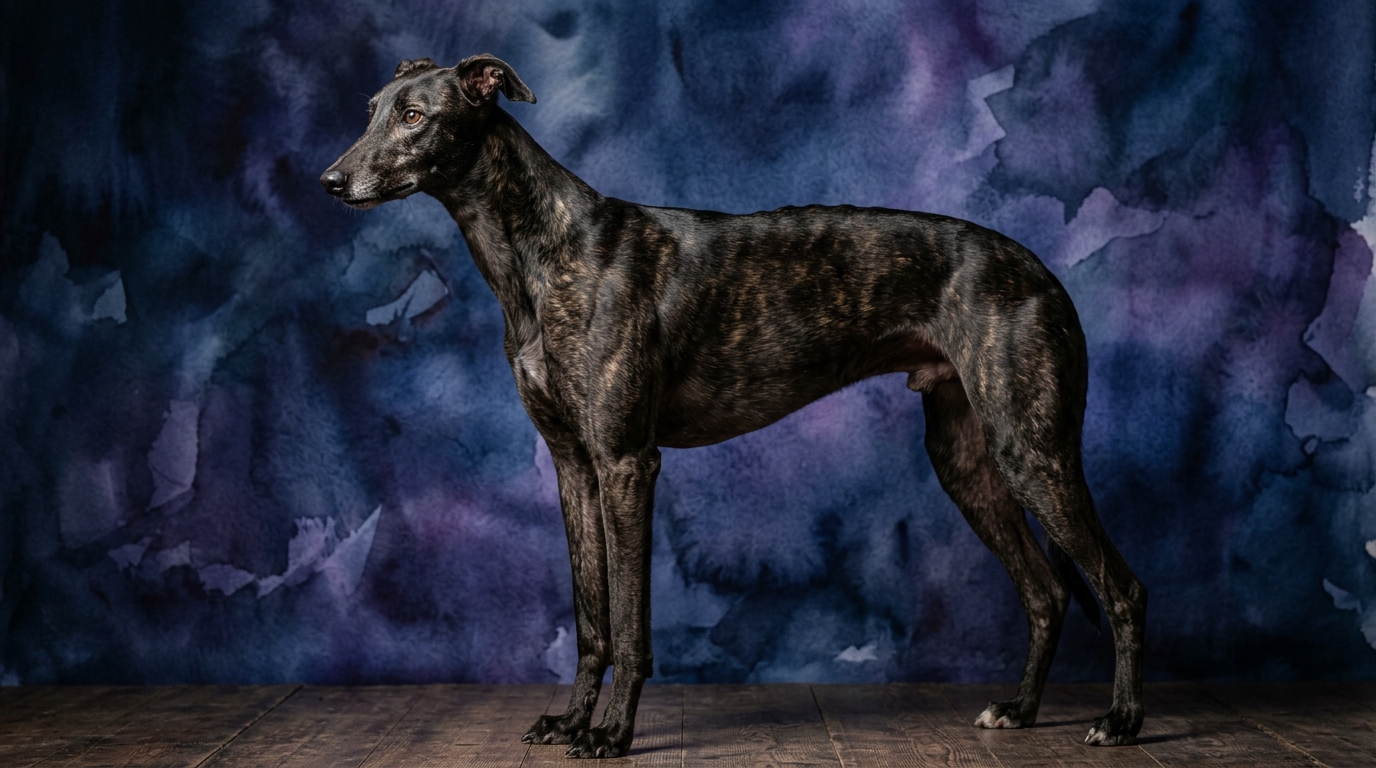
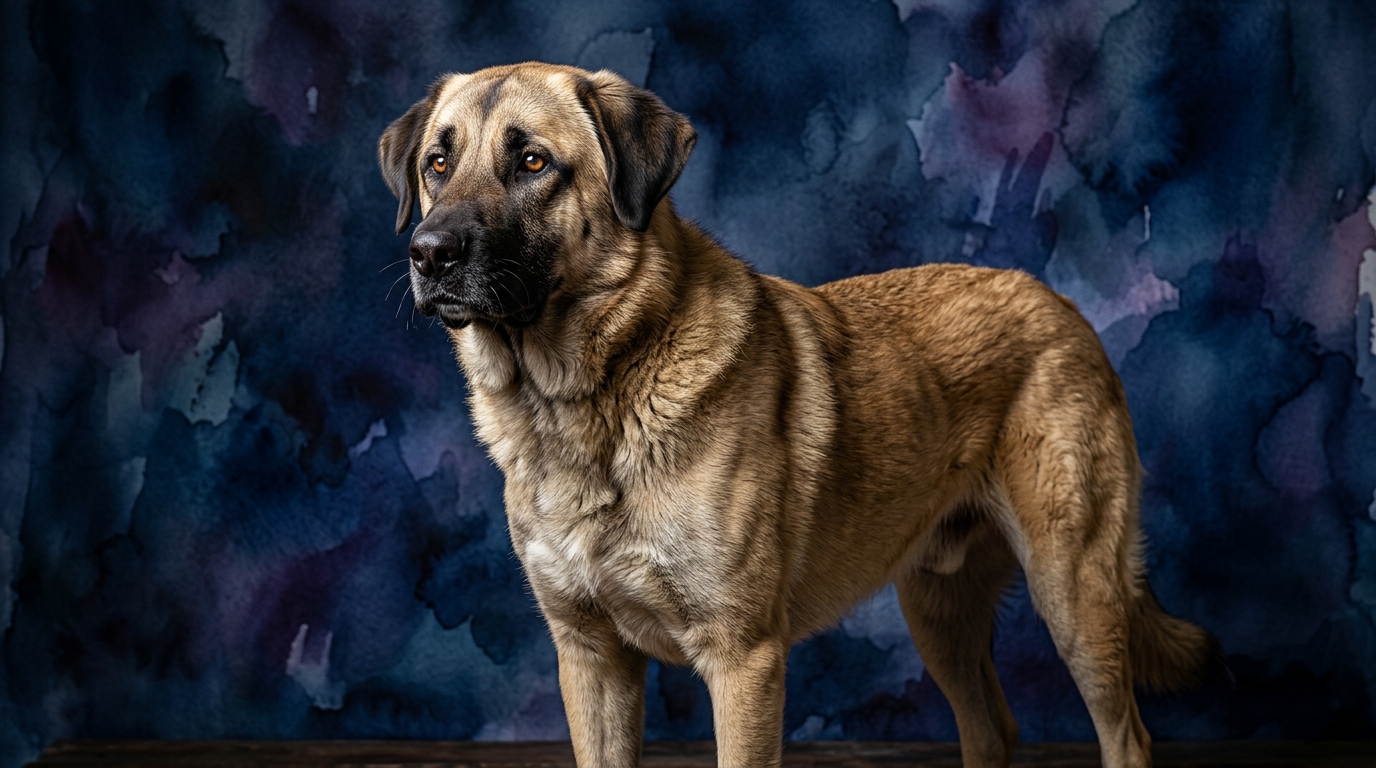
Side-by-Side IQ Profile: Greyhound vs. Anatolian Shepherd Dog
**Problem Solving (Greyhound 3/5, Anatolian Shepherd Dog 3/5):** The Greyhound's problem-solving acumen, rated at 3/5, manifests in its ability to quickly assess and navigate complex environments during a chase, identifying the most efficient path to its quarry or avoiding obstacles at high speeds. This involves rapid spatial reasoning and on-the-fly decision-making, crucial for its sighthound lineage. Similarly rated 3/5, the Anatolian Shepherd Dog's problem-solving skills are geared towards its guardian role, requiring independent thought to evaluate threats, strategically position itself within its territory, and determine the most effective response to protect its flock. This involves a calculated, observant approach rather than impulsive action.
**Training Speed (Greyhound 2/5, Anatolian Shepherd Dog 3/5):** With a training speed of 2/5, Greyhounds can learn commands but often require patient, positive reinforcement and an understanding of their independent, somewhat sensitive nature. They are not typically driven by a strong desire to please and may find repetitive drills less engaging than their instinctual pursuits, making consistent training a deliberate effort. The Anatolian Shepherd Dog scores 3/5 in training speed, indicating a reasonable capacity to learn and retain commands, especially when tasks align with their protective instincts or provide a clear purpose. While capable of understanding complex instructions, their independent guardian mindset means they are not always quick to obey if they perceive a command as unnecessary or contrary to their duties.
**Social Intelligence (Greyhound 3/5, Anatolian Shepherd Dog 3/5):** Both breeds share a 3/5 rating for social intelligence. For the Greyhound, this translates to a deep, often quiet, bond with their immediate human family, demonstrating sensitivity to moods and routines. They can be reserved or aloof with strangers, preferring the company of their trusted circle. The Anatolian Shepherd Dog’s social intelligence, also 3/5, is characterized by a discerning nature, forming profound attachments to their 'flock' – be it human family or livestock – while maintaining a watchful, often wary, demeanor towards outsiders. They are astute observers of social dynamics within their established group and can be incredibly loyal.
**Instinctive Drive (Greyhound 5/5, Anatolian Shepherd Dog 3/5):** The Greyhound excels with a 5/5 in instinctive drive, dominated by an incredibly powerful prey drive and an inherent impulse to chase anything that moves quickly. This deep-seated instinct is central to their being, dictating much of their behavior and requiring careful management in environments with small animals or unsecured spaces. The Anatolian Shepherd Dog, with a 3/5 in instinctive drive, possesses a strong protective and territorial instinct, driving them to guard their charges and boundaries. While they have a natural inclination to deter threats, their drive is less about predatory pursuit and more about vigilant oversight and strategic defense.
**Memory (Greyhound 3/5, Anatolian Shepherd Dog 3/5):** A 3/5 memory score for the Greyhound means they recall routines, familiar people, and specific locations with consistency. They remember past positive and negative experiences, which can influence their future interactions and responses to training cues or environmental triggers. The Anatolian Shepherd Dog's 3/5 memory is crucial for its role, allowing it to remember specific threats, the layout of its territory, and the individual members of its flock. They retain knowledge of boundaries and perceived dangers, contributing to their effective long-term guardianship.
Where the Greyhound Wins Cognitively
The Greyhound’s cognitive strengths are deeply intertwined with its unparalleled speed and sighthound heritage. Its 5/5 instinctive drive isn't just about raw chasing; it’s a finely tuned cognitive system for rapid perception and reaction. A Greyhound excels at split-second decision-making during a high-speed pursuit, processing visual stimuli at an incredible rate to adjust its trajectory, anticipate prey movements, and navigate obstacles without losing momentum. This involves superior spatial awareness and predictive capabilities, allowing them to calculate complex intercepts. Furthermore, their ability to conserve mental and physical energy when not actively engaged is a cognitive asset; they can 'switch off' from intense vigilance, entering states of deep relaxation, only to be instantly alert when a trigger appears. This efficient energy management means they can deploy their intense focus and speed on demand, without constant, draining vigilance.
Where the Anatolian Shepherd Dog Wins Cognitively
The Anatolian Shepherd Dog’s cognitive triumphs lie in its independent judgment and sophisticated environmental awareness, critical for a livestock guardian. Its problem-solving at 3/5, while numerically matching the Greyhound, is applied to complex, dynamic scenarios involving threat assessment and strategic defense. An Anatolian can independently analyze a situation, distinguishing between harmless wildlife, potential predators, and innocent passersby, often making nuanced decisions without direct human command. Their memory (3/5) is particularly strong regarding territorial boundaries and the recognition of specific individuals, both friend and foe, allowing for consistent protective behavior over extended periods. Their social intelligence, though rated 3/5, includes a profound capacity for assessing the well-being of their 'flock,' reacting to subtle cues of distress or danger from animals and humans alike. This blend of vigilance, discernment, and independent action represents a highly specialized form of intelligence.
Which is Easier to Train and Why
When considering ease of training, the Anatolian Shepherd Dog generally presents a more straightforward path than the Greyhound, primarily due to its higher training speed score of 3/5 compared to the Greyhound's 2/5. Anatolians, while independent thinkers, often possess a foundational desire to understand and fulfill a purpose, especially if it aligns with their protective instincts. They can absorb complex commands and routines that contribute to their guardian role, responding well to consistent, firm but fair guidance that respects their intelligence. Their willingness to engage in structured learning, even if they sometimes ponder the necessity of a command, makes them amenable to a wider range of training techniques. In contrast, the Greyhound's lower training speed stems from its independent nature and a strong intrinsic motivation often separate from human directives. Their intense 5/5 instinctive drive for chasing means that recall or obedience commands can be severely tested in the presence of tempting moving objects. Training a Greyhound requires immense patience, understanding their sensitivity, and employing purely positive reinforcement methods, often making it feel like a more delicate and less direct process, especially when attempting to override their deep-seated chase instinct.
Which Suits Active Owners vs. Relaxed Owners
The choice between these breeds significantly depends on an owner's definition of 'active' and 'relaxed.' For owners seeking intense bursts of physical activity followed by profound calm, the Greyhound is an excellent fit. They require opportunities for sprinting in a secure, fenced area for 20-30 minutes daily, but once their running needs are met, they are famously quiet, relaxed, and low-energy indoors, making them suitable for owners who appreciate a serene housemate but can provide dedicated, high-intensity exercise. They are not suited for endless walks or hiking but thrive on short, explosive runs. Conversely, the Anatolian Shepherd Dog demands a different kind of 'active' ownership. Their 3/5 instinctive drive for guarding means they need consistent mental stimulation, purposeful activity, and a substantial, well-fenced property to patrol. They are not content with short sprints; they need daily, moderate exercise, often involving long walks, 'working' tasks, or monitoring their territory. An Anatolian is ill-suited for a truly 'relaxed' owner who cannot dedicate significant time to their physical and mental engagement, as their guardian instincts require consistent oversight and management to prevent undesirable behaviors. They are vigilant and always 'on duty,' making them a more demanding companion for a relaxed lifestyle.
The Verdict
Choose a Greyhound if you admire an elegant companion who thrives on intense, short bursts of speed and then transforms into a calm, quiet housemate, provided you can safely manage their powerful chase instinct. They fit owners who appreciate independence and a serene home environment after dedicated exercise.
Opt for an Anatolian Shepherd Dog if you seek a vigilant, independent guardian with a strong sense of purpose, are prepared for consistent training and socialization, and can provide a secure, spacious environment for them to patrol. They suit experienced owners who value a protective companion and can meet their demanding mental and physical needs.
🧠 Find Your Pet's IQ Score
Our Pet IQ Lab assessment covers 25+ tests across 5 cognitive dimensions — personalized to your breed.
Take the Full IQ Test →Frequently Asked Questions
Are Greyhounds difficult to train due to their independence?
Greyhounds can present unique training challenges primarily due to their strong prey drive and independent nature, which scores 2/5 in training speed. They respond best to positive reinforcement and patience, as they are sensitive and not always motivated by a strong desire to please, especially when their chase instinct is triggered.
How does the Anatolian Shepherd Dog's guardian instinct affect its daily life?
The Anatolian Shepherd Dog's 3/5 instinctive drive for guarding means they are naturally vigilant and territorial, constantly assessing their environment for potential threats. This impacts daily life by requiring a secure property, consistent socialization to differentiate friends from perceived foes, and owners who understand and can manage their protective tendencies.
Which breed adapts better to apartment living?
Neither breed is ideally suited for small apartment living, but if forced to choose, a retired Greyhound might adapt better due to their indoor calmness after sufficient exercise. The Anatolian Shepherd Dog's strong territorial instincts and need for purposeful patrolling make apartment life generally unsuitable for their well-being.