Side-by-Side Cognitive Profile: Greyhound vs. Border Terrier
Our Pet IQ Lab analysis offers a granular view into the distinct cognitive architectures of the Greyhound and the Border Terrier, utilizing five key dimensions to map their intellectual strengths and tendencies.
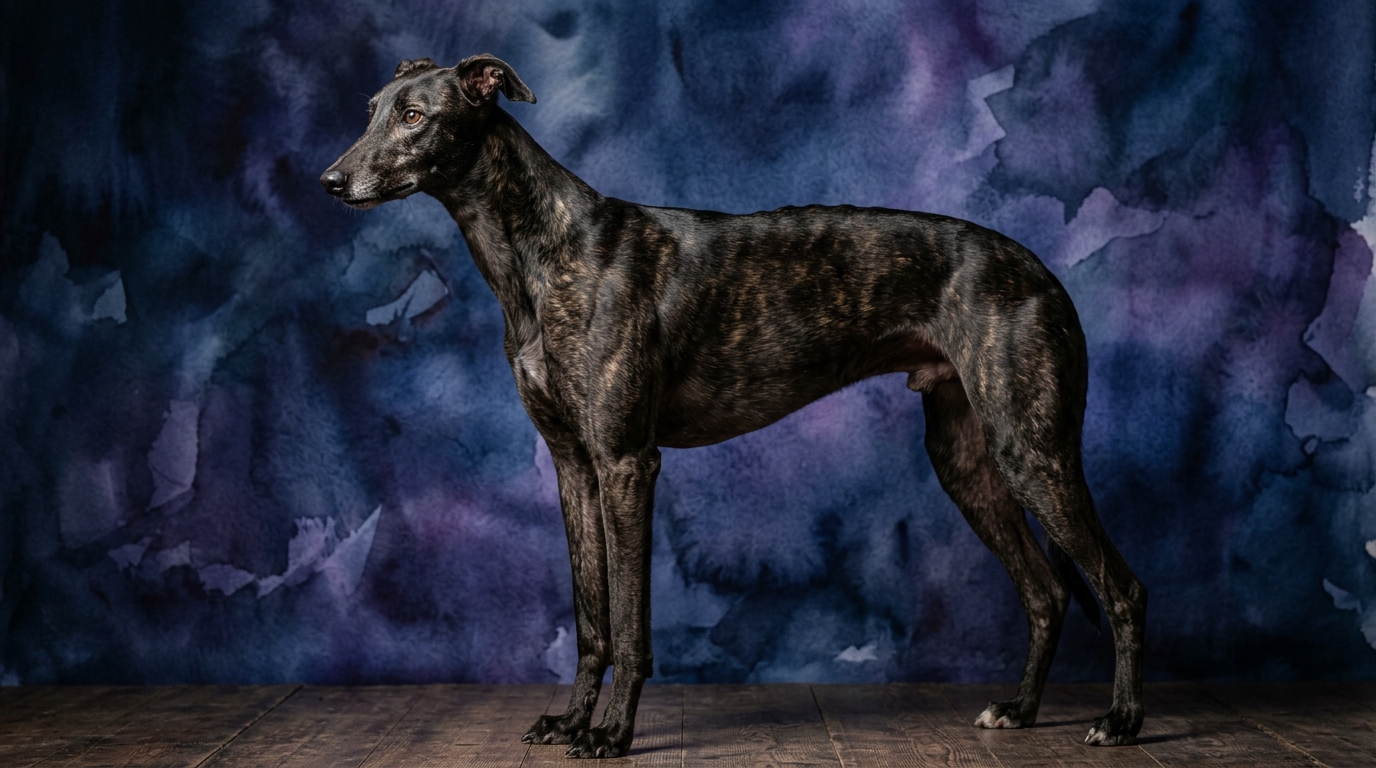
For the **Greyhound (Coren Rank #46)**:
Problem Solving (3/5): This score indicates a moderate capacity for independently navigating novel challenges, suggesting they often prefer guidance or established routines over creatively devising new solutions. Their approach to new situations tends to be more direct, relying on learned patterns.
Training Speed (2/5): Greyhounds typically exhibit a slower uptake of new commands, necessitating patient, consistent repetition to embed new behaviors effectively. Their motivation is often not centered on human-directed obedience in the initial stages.
Social Intelligence (3/5): Possessing a solid, yet not exceptional, capacity to interpret human and canine social cues, Greyhounds form bonds and understand interactions without demanding overly complex communicative exchanges.
Instinctive Drive (5/5): This is their defining cognitive trait. An overwhelming, deeply ingrained urge to chase and course dictates much of their environmental focus, shaping their reactions to movement and their inherent motivations.
Memory (3/5): Greyhounds generally retain learned behaviors and experiences moderately well, benefiting significantly from regular reinforcement to ensure long-term recall and application of commands.
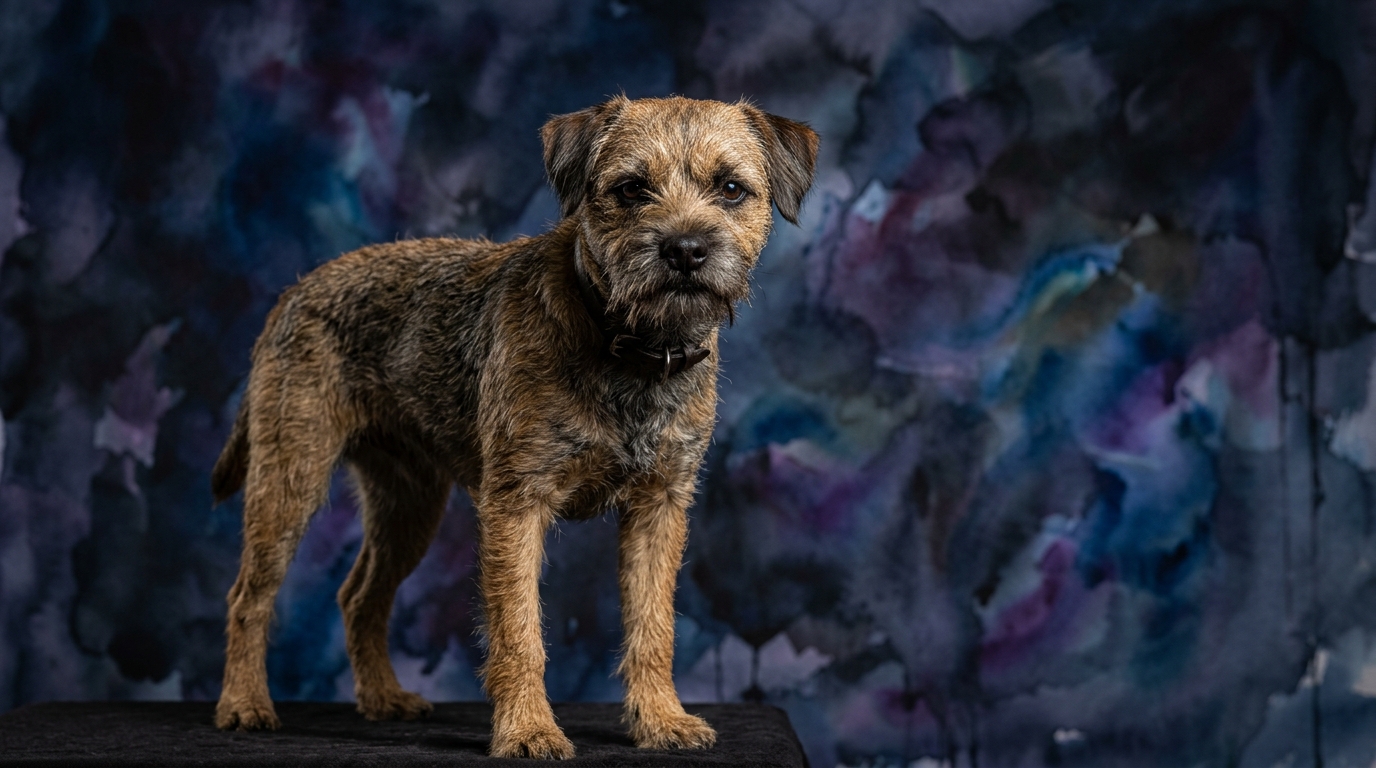
For the **Border Terrier (Coren Rank #30)**:
Problem Solving (4/5): This breed demonstrates a strong aptitude for independent thought and creative solutions. Border Terriers actively engage with environmental challenges, often figuring out inventive ways to achieve their objectives.
Training Speed (4/5): Border Terriers are notably quick to grasp new commands, showing a keen willingness to learn and respond effectively to positive reinforcement. They generally enjoy the process of interactive learning.
Social Intelligence (3/5): Similar to the Greyhound, the Border Terrier exhibits a solid capacity for understanding social dynamics and cues within their family or pack, capable of forming strong, clear relationships.
Instinctive Drive (3/5): A moderate but present drive for hunting, digging, and exploring is characteristic of their terrier heritage. While present, this drive is generally less overwhelmingly dominant than a sighthound's chase instinct.
Memory (4/5): Border Terriers display a robust capacity for remembering complex commands, sequences, and past experiences, which contributes to their reliability and ability to build upon prior learning.
Where the Greyhound Shines Cognitively
The Greyhound's unparalleled cognitive specialization lies in its extraordinary Instinctive Drive, rated a perfect 5 out of 5. This isn't just a physical attribute; it's a profoundly wired cognitive program for pursuit. Their brains are finely tuned instruments for detecting the slightest movement, instantly calculating trajectories, and executing explosive bursts of speed with remarkable precision. This specialized intelligence manifests as an acute environmental awareness focused intensely on potential prey, an almost instantaneous reaction time to visual stimuli, and an unwavering, single-minded focus once engaged in the chase. While they may not be strategizing complex puzzles, their cognitive resources are overwhelmingly dedicated to this primal, elegant hunting algorithm, making them unmatched in tasks requiring explosive, directed pursuit and a profound connection to their sighthound heritage.
Where the Border Terrier Holds the Cognitive Edge
The Border Terrier demonstrates a clear cognitive advantage in areas demanding adaptable thinking and efficient learning. Their Problem Solving score of 4 out of 5 indicates a mind that actively engages with challenges, often finding inventive ways around obstacles, whether it's figuring out how to access a forbidden treat or navigating a complex scent trail. This terrier tenacity translates into impressive cognitive flexibility. Coupled with a Training Speed of 4 out of 5, they exhibit a notable aptitude for quickly grasping new concepts and commands, thriving on mental engagement. Furthermore, their Memory, also rated 4 out of 5, suggests they retain these learned behaviors and experiences effectively, building a robust internal map of their world and its rules. This combination fosters a dog that learns efficiently and applies that learning resourcefully.
Ease of Training: Greyhound vs. Border Terrier
When evaluating ease of training, the Border Terrier emerges as the more amenable student, largely due to its superior Training Speed (4/5) and robust Problem Solving capacity (4/5). Border Terriers tend to pick up new commands with relative swiftness, eager to engage in interactive learning sessions and responsive to consistent, positive reinforcement. Their inherent drive to figure things out, combined with a willingness to work alongside their human, makes them highly trainable for a variety of tasks.
In contrast, the Greyhound, with a Training Speed of 2/5, generally requires more repetition and patience. Their primary motivation often isn't human-directed obedience but rather their profound Instinctive Drive (5/5) for pursuit. While they can and do learn, their focus might be momentarily diverted by a distant rustle or movement, making sustained attention in a training context more challenging. Training a Greyhound often means working with, rather than against, their natural instincts, finding ways to channel their drive rather than suppress it, which can be a more nuanced approach than training a terrier eager to please and problem-solve.
Matching Breeds to Owner Lifestyles: Active vs. Relaxed
The choice between a Greyhound and a Border Terrier depends significantly on an owner's lifestyle and their approach to canine companionship. For the more relaxed owner who appreciates serene companionship and short bursts of intense activity, the Greyhound might be an ideal fit. Despite their reputation as racers, Greyhounds are often described as '45 mph couch potatoes,' content with a brisk sprint or two daily, followed by extended periods of calm relaxation. Their moderate social intelligence means they appreciate companionship without demanding constant, complex interaction, making them suitable for quieter households. However, their powerful instinctive drive (5/5) means they require a secure, fenced area for safe off-leash running and careful management around smaller animals.
Conversely, the Border Terrier is better suited for an active owner who thrives on engaging their dog both physically and mentally. Their combination of robust problem-solving skills (4/5), quick training speed (4/5), and solid memory (4/5) means they require consistent mental stimulation beyond mere physical exercise. They enjoy learning tricks, participating in dog sports like agility or earthdog trials, and engaging in puzzle toys. While their instinctive drive (3/5) is less overwhelming than a Greyhound's, it still manifests as a desire to explore, dig, and chase, necessitating an owner who can provide structured outlets for these natural behaviors. A Border Terrier will flourish with an owner who enjoys interactive play, consistent training, and providing varied challenges to satisfy their curious and resourceful mind.
The Verdict
Opt for a Greyhound if you seek a calm, gentle companion who thrives on intense, short bursts of activity and appreciates extended periods of quiet relaxation, provided you can safely manage their powerful chase instinct.
Select a Border Terrier if you desire an engaging, resourceful partner eager for continuous mental and physical challenges, and you're prepared to invest in consistent training and varied activities to satisfy their keen intellect.
🧠 Find Your Pet's IQ Score
Our Pet IQ Lab assessment covers 25+ tests across 5 cognitive dimensions — personalized to your breed.
Take the Full IQ Test →Frequently Asked Questions
Do Greyhounds truly need extensive daily exercise?
Despite their speed, Greyhounds are typically sprinters, not endurance runners; they usually prefer short, intense bursts of activity followed by long periods of rest, often making them excellent companions for relaxed households. A secure, fenced area for safe running is crucial to satisfy their powerful chase instinct, but they are not marathoners.
What kind of mental stimulation benefits a Border Terrier most?
Border Terriers thrive on activities that engage their problem-solving abilities and memory, such as trick training, puzzle toys, scent work, and dog sports like agility or earthdog trials. Consistent, varied mental challenges help prevent boredom and channel their natural terrier drive constructively, keeping their keen minds engaged.
How does instinctive drive affect daily life with these breeds?
A Greyhound's profound instinctive drive for pursuit (5/5) means they require strict leash discipline outside secure areas and careful management around small, fast-moving objects, as their chase instinct is powerful. A Border Terrier's moderate instinctive drive (3/5) translates to a keen interest in digging and exploring, necessitating secure yards and consistent training to manage these natural, deeply ingrained behaviors.