Side-by-Side IQ Profile: Greyhound vs. Boston Terrier
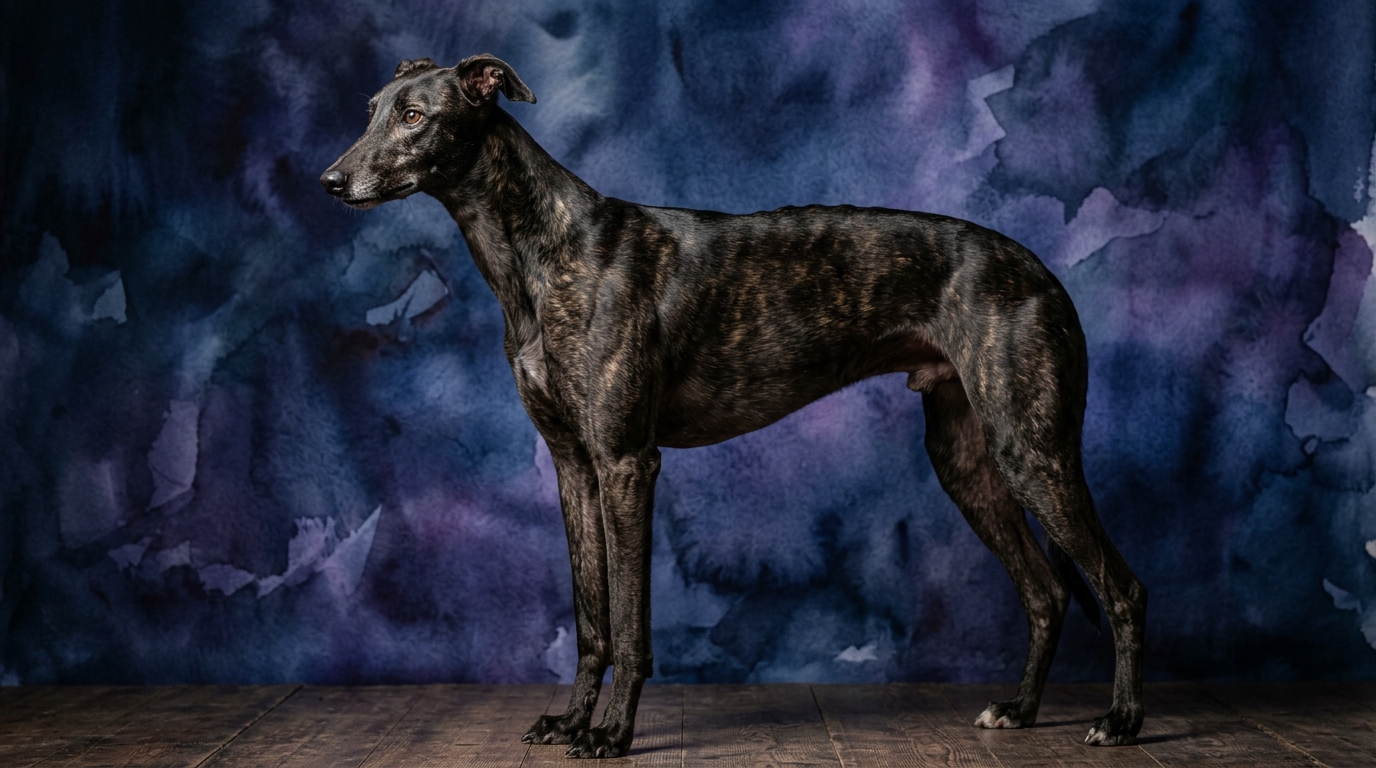
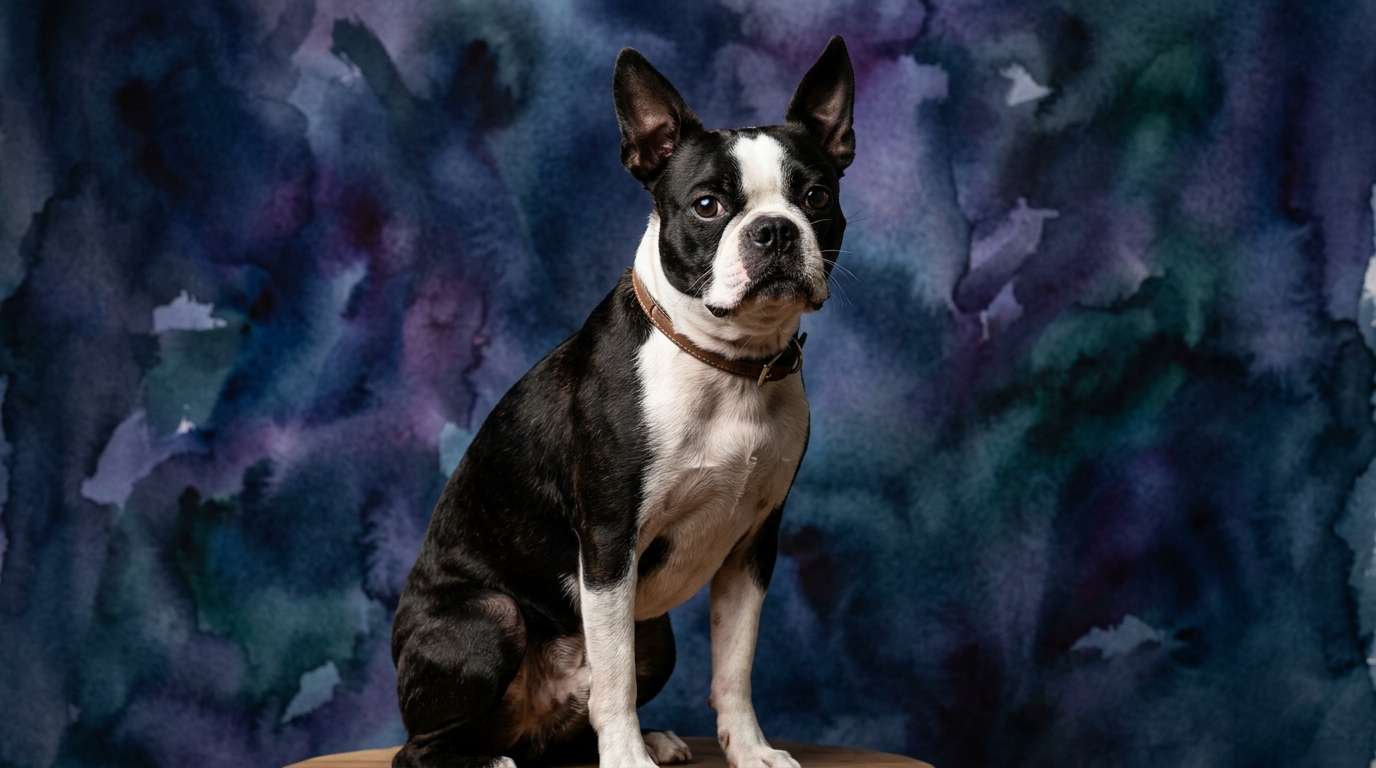
At The Cosmic Pet Pet IQ Lab, we dissect canine cognition across five key dimensions. The Greyhound, a Hound breed with a Coren rank of #46, presents a unique cognitive blueprint, while the Boston Terrier, a Non-Sporting breed ranked #54, offers a contrasting set of intellectual strengths.
Greyhound (Hound, Coren Rank #46): Problem Solving (3/5): Greyhounds exhibit practical problem-solving, particularly when it involves spatial awareness and navigating open spaces during a chase. They are adept at finding the most efficient path to a moving target, but may be less inclined towards abstract puzzles. Training Speed (2/5): While capable of learning, Greyhounds often possess an independent streak. Their learning is typically motivated by consistency and positive reinforcement, but they might not always prioritize human directives over their own instincts. Social Intelligence (3/5): These sighthounds are gentle and affectionate with their families, often forming deep bonds. They are observant of human moods but might not be overtly demonstrative, preferring quiet companionship over constant interaction. Instinctive Drive (5/5): This is where Greyhounds truly shine. Their powerful prey drive and unparalleled chase instinct are deeply ingrained, making them incredibly focused on anything that moves quickly. Memory (3/5): Greyhounds effectively recall routines, familiar people, and specific commands, especially when those commands are associated with positive experiences or their established patterns.
Boston Terrier (Non-Sporting, Coren Rank #54): Problem Solving (3/5): Boston Terriers exhibit cleverness in navigating their home environment, figuring out how to access preferred spots or manipulate objects to their advantage. They can be quite resourceful in solving everyday household challenges. Training Speed (3/5): Eager to please and generally cooperative, Boston Terriers typically pick up new commands and tricks at a good pace. Their desire for interaction makes them responsive to engaging training methods. Social Intelligence (4/5): These companion dogs excel in social settings. They are highly attuned to human emotions, thrive on interaction, and actively seek to be involved in family activities, making them excellent communicators with their people. Instinctive Drive (2/5): Compared to many breeds, Boston Terriers have a relatively low instinctive drive, particularly for predatory behaviors. Their focus is primarily on human interaction and companionship, not chasing or hunting. Memory (3/5): Boston Terriers remember people, routines, and previously learned commands reliably. Their recall is strong for social cues and the sequences of daily life within their family unit.
Where the Greyhound Wins Cognitively
The Greyhound's cognitive strengths are deeply rooted in its ancient purpose as a sighthound. Their instinctive drive, rated at a perfect 5/5, is a testament to millennia of selective breeding for unparalleled pursuit. This isn't merely about speed; it's a complex cognitive process involving rapid visual processing, immediate decision-making, and an unwavering focus on a moving target. While their problem-solving scores 3/5, it manifests specifically in their ability to efficiently calculate trajectories and navigate obstacles during a high-speed chase, demonstrating a distinct form of practical, dynamic intelligence. This specialized cognitive architecture allows them to excel in activities like lure coursing, where their visual acuity, explosive acceleration, and strategic pursuit are put to the ultimate test, an area where the Boston Terrier simply cannot compete.
Where the Boston Terrier Wins Cognitively
Where the Boston Terrier truly shines cognitively is in its social intelligence, boasting a 4/5 rating. This breed possesses an exceptional ability to read human emotions, interpret subtle cues, and adapt their behavior to fit family dynamics. Their eager-to-please nature and strong desire for companionship are direct manifestations of this heightened social awareness, making them remarkably empathetic and intuitive partners. Furthermore, their training speed, rated 3/5, edges out the Greyhound, indicating a greater inherent willingness to engage in cooperative learning. This cognitive predisposition for social engagement and responsiveness makes them particularly adept at navigating complex human households, understanding routines, and forming deep, reciprocal bonds with their owners, often anticipating needs before they are even vocalized.
Which is Easier to Train and Why
Considering their respective cognitive profiles, the Boston Terrier is generally easier to train for a typical companion lifestyle. Their higher social intelligence (4/5) means they are inherently motivated by human approval and interaction, making them highly responsive to positive reinforcement. Their 3/5 training speed reflects a quicker uptake of commands and a greater eagerness to cooperate in structured learning environments. In contrast, the Greyhound, with a 2/5 training speed, can be more independent. While they are certainly capable of learning, their powerful instinctive drive (5/5) can sometimes override their attention to human commands, especially if a potential 'chase' opportunity presents itself. Training a Greyhound often requires more patience, a deeper understanding of their sighthound instincts, and a clear motivation that can compete with their prey drive, whereas the Boston Terrier's primary motivation is often simply to please and connect with their human.
Which Suits Active Owners vs. Relaxed Owners
For owners with an active lifestyle that appreciates intense, short bursts of activity, the Greyhound is an excellent match. While they aren't endurance athletes in the hiking sense, they thrive on opportunities to stretch their legs in a secure, fenced area or participate in activities like lure coursing, where their instinctive drive and physical prowess can be fully expressed. After their exhilarating sprints, Greyhounds are famously content to lounge, making them surprisingly relaxed housemates for the majority of the day. Conversely, the Boston Terrier is better suited for owners seeking a consistently engaged, adaptable companion. Their moderate exercise needs are easily met with daily walks and indoor play, making them ideal for urban dwellers or those who prefer a more relaxed pace. Their high social intelligence means they thrive on constant human interaction, preferring to be involved in whatever their family is doing, whether it's a brisk walk or a quiet evening at home.
The Verdict
If your lifestyle embraces short bursts of intense activity and you appreciate a calm, independent companion who excels in visual pursuit, the Greyhound is your ideal choice.
If you seek a highly social, adaptable, and eager-to-please partner for consistent interaction and urban living, the Boston Terrier will undoubtedly enrich your life.
🧠 Find Your Pet's IQ Score
Our Pet IQ Lab assessment covers 25+ tests across 5 cognitive dimensions — personalized to your breed.
Take the Full IQ Test →Frequently Asked Questions
Do Greyhounds require a lot of exercise daily?
Greyhounds are sprinters, not marathon runners. They thrive on short, intense bursts of running in a secure area, followed by long periods of rest. Daily walks and occasional opportunities for a good run are usually sufficient for their physical and mental well-being.
Are Boston Terriers good with children and other pets?
With their high social intelligence and adaptable nature, Boston Terriers generally get along well with children and other pets when properly socialized. They enjoy being part of the family and can be patient and playful companions.
What is the biggest training challenge for a Greyhound?
The Greyhound's strong instinctive drive, especially their prey drive, often presents the biggest training challenge. This powerful instinct can make off-leash reliability difficult in unsecured areas and requires consistent, reward-based training to manage effectively.