Side-by-Side Cognitive Profiles
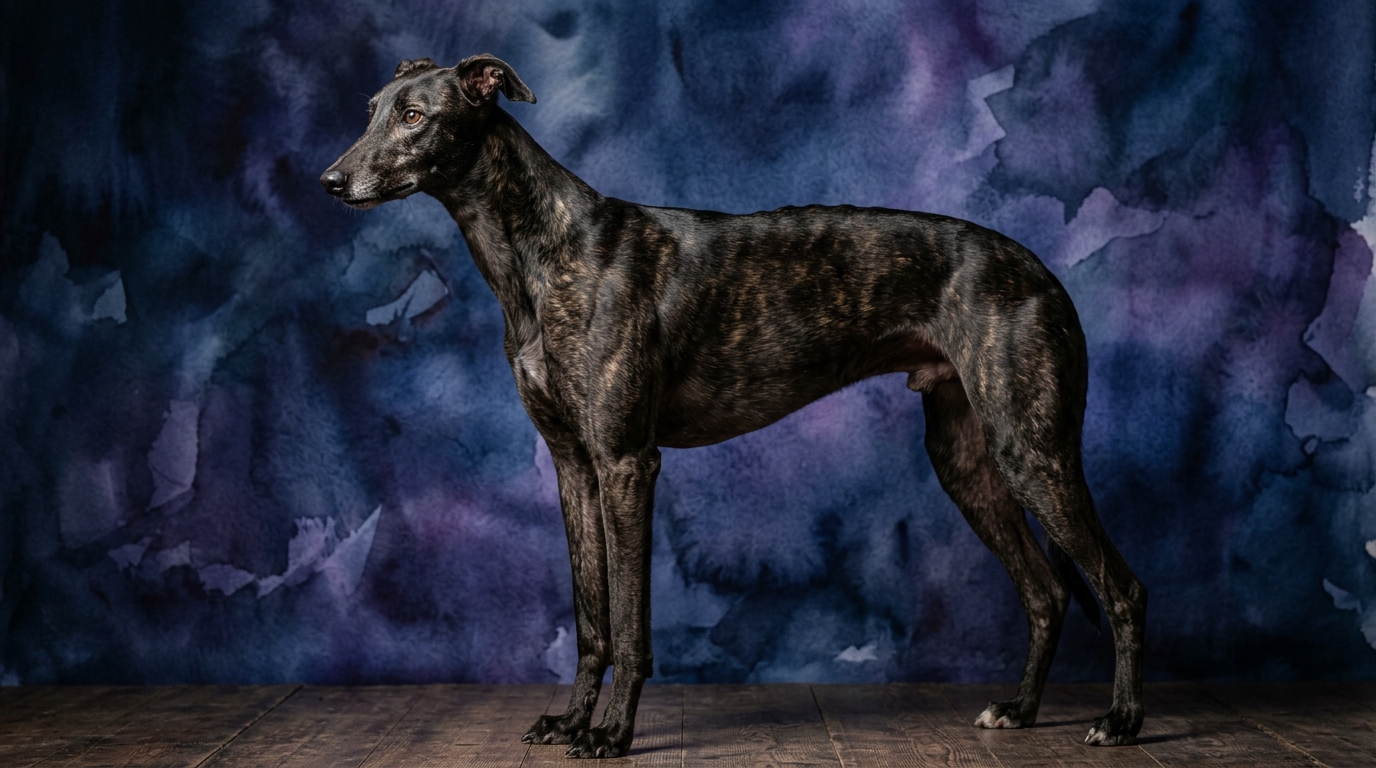
The Cosmic Pet Pet IQ Lab employs a five-dimensional framework to assess canine cognition, providing a nuanced view beyond a simple 'smart' label. For the Greyhound, ranked #46 by Coren, their cognitive makeup includes a Problem Solving score of 3/5, indicating an average capacity to navigate novel situations or puzzles. Their Training Speed stands at 2/5, suggesting they may require more repetitions to grasp new commands. Social Intelligence is rated 3/5, showing a moderate ability to understand human cues and social hierarchies. However, their Instinctive Drive is a remarkable 5/5, reflecting their powerful, innate urge for pursuit, while Memory is an average 3/5, meaning they retain information adequately but not exceptionally.
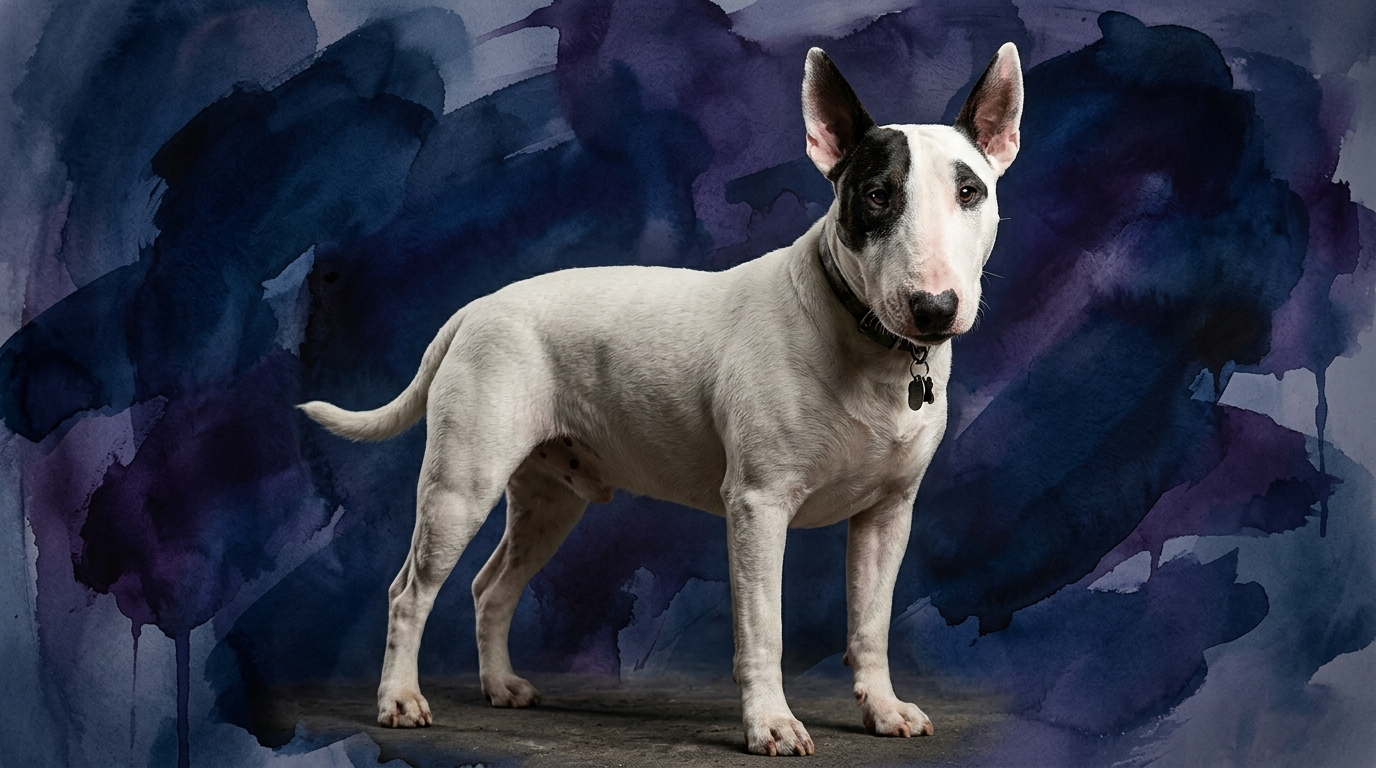
In contrast, the Bull Terrier, with a Coren rank of #66, presents a slightly different cognitive architecture. Their Problem Solving ability matches the Greyhound at 3/5, demonstrating similar capacities for independent thought in challenging scenarios. Where they diverge significantly is in Training Speed, scoring 3/5, which implies a quicker uptake of new commands compared to the Greyhound. Social Intelligence is also 3/5, mirroring the Greyhound's moderate understanding of social dynamics. Their Instinctive Drive is 3/5, a balanced level that is present but not as singularly focused as the Greyhound's. Finally, their Memory also registers at 3/5, indicating a comparable ability to recall learned behaviors and experiences.
Where the Greyhound's Cognition Shines
The Greyhound's cognitive strengths are profoundly tied to their specialized evolutionary purpose. Their Instinctive Drive, rated at a perfect 5/5, is their most prominent cognitive asset. This isn't just a physical attribute; it's a deep-seated mental programming for scanning horizons, identifying movement, and executing complex chase sequences with incredible focus and precision. While their problem-solving is average, it manifests acutely within this high drive, allowing them to calculate trajectories and intercept targets over vast distances, often adapting their pursuit strategy in real-time based on the 'prey's' movements. This intense, specialized drive means they excel in activities that tap into this primal instinct, such as lure coursing, where their minds are fully engaged in the hunt.
Their moderate Social Intelligence and Memory, while not outstanding, are sufficient to form strong bonds with their human companions and recall routines. However, these are often secondary to their primary cognitive focus. When a Greyhound's instinctive drive is activated, their attention becomes singularly fixated, demonstrating a powerful mental filtering capability that allows them to block out distractions and concentrate on the pursuit. This hyper-focus, while a challenge in some training contexts, is a testament to their refined cognitive specialization, making them unparalleled in tasks requiring sustained, high-speed concentration on a moving target.
Where the Bull Terrier's Cognition Excels
The Bull Terrier's cognitive advantages stem from a more generalized, adaptable mental framework. Their Training Speed, at 3/5, is notably quicker than the Greyhound's, indicating a greater readiness and aptitude for learning varied commands and routines. This quicker cognitive processing for instruction makes them more amenable to diverse training methods and disciplines, from obedience to agility. Their Problem Solving at 3/5, while matching the Greyhound, is often applied in more varied domestic or interactive contexts, such as figuring out how to open a cabinet or manipulate a puzzle toy, rather than solely focusing on a chase scenario.
Their Instinctive Drive of 3/5, though lower than the Greyhound's, provides a balanced motivation that can be channeled into a wider array of activities without the singular intensity of a sighthound's prey drive. This moderate drive, combined with average Social Intelligence and Memory, allows them to be highly engaged companions who thrive on mental stimulation through interaction and problem-solving games. The Bull Terrier's cognitive profile suggests a dog that is consistently curious and engaged with its immediate environment, seeking out interaction and opportunities to apply their moderate yet versatile intellectual capacities.
Ease of Training: Greyhound vs. Bull Terrier
When it comes to ease of training, the Bull Terrier generally presents a more straightforward path for most owners. Their Training Speed of 3/5 means they tend to pick up new commands and behaviors with fewer repetitions compared to the Greyhound's 2/5. This isn't to say Greyhounds are incapable of learning; rather, their learning style is often described as requiring more patience and consistency. A key factor is the Greyhound's overwhelming Instinctive Drive (5/5). When a strong scent or a moving object captures their attention, their deeply ingrained pursuit instinct can override learned commands, making off-leash reliability a significant challenge in unfenced areas.
Bull Terriers, with their more moderate Instinctive Drive (3/5) and quicker training uptake, are often more responsive to conventional positive reinforcement methods. While they still possess a terrier's characteristic independent streak, their motivation is more readily channeled into human-directed activities. They are often more interested in engaging with their handler during training sessions, seeing it as an interactive game rather than a distraction from their primary instincts. This difference in intrinsic motivation and responsiveness makes the Bull Terrier generally easier to integrate into a structured training regimen, leading to quicker and more consistent results.
Suitability for Active vs. Relaxed Owners
Understanding these cognitive differences is crucial for matching a breed to an owner's lifestyle. For active owners who enjoy bursts of intense activity followed by significant downtime, the Greyhound can be an excellent fit. While their Instinctive Drive demands outlets like secure off-leash running in a fenced area or lure coursing, they are often surprisingly calm and relaxed indoors. They are sprinters, not endurance runners, meaning a good 20-30 minute dash can often satisfy their physical and mental need for speed, after which they are content to lounge for hours. Owners must be prepared to manage their powerful prey drive responsibly, ensuring their safety and the safety of smaller animals.
Conversely, the Bull Terrier is generally better suited for owners who seek a more consistently engaged and interactive companion. While they don't possess the Greyhound's extreme speed, their moderate Instinctive Drive and quicker Training Speed mean they thrive on regular, varied activities that involve both physical exertion and mental stimulation. Daily walks, interactive play, and training sessions are essential to keep their minds and bodies active. They are often more boisterous and require consistent guidance and enrichment to prevent boredom and destructive behaviors. Owners looking for a sturdy, playful, and trainable companion who enjoys being at the center of family activities will likely find a strong connection with a Bull Terrier.
The Verdict
Choose a Greyhound if you appreciate a dog with an unparalleled, specialized drive for pursuit, understanding that their intense bursts of activity are balanced by a calm, relaxed demeanor indoors, provided their chase instincts are managed responsibly.
Opt for a Bull Terrier if you desire a robust, engaging companion who thrives on consistent, varied training and interaction, offering a more balanced energy profile and a quicker uptake of commands across diverse activities.
🧠 Find Your Pet's IQ Score
Our Pet IQ Lab assessment covers 25+ tests across 5 cognitive dimensions — personalized to your breed.
Take the Full IQ Test →Frequently Asked Questions
Are Greyhounds difficult to train due to their low Training Speed score?
Greyhounds are not necessarily difficult, but their Training Speed of 2/5 means they may require more patience and consistent repetition than some other breeds. Their high instinctive drive can also make them easily distracted by moving objects, requiring focused training in controlled environments.
Do Bull Terriers need a lot of mental stimulation?
Yes, Bull Terriers, with their 3/5 Problem Solving and 3/5 Instinctive Drive, thrive on regular mental stimulation. They benefit from interactive toys, puzzle feeders, and consistent training to keep their curious minds engaged and prevent boredom-related behaviors.
How does the Instinctive Drive difference impact daily life with these breeds?
The Greyhound's 5/5 Instinctive Drive means a powerful urge to chase, requiring secure leashes and fenced areas, and careful management around small animals. The Bull Terrier's 3/5 Instinctive Drive is more moderate, allowing for greater flexibility in varied environments, though they still enjoy activities that tap into their natural terrier instincts.