Side-by-Side IQ Profile
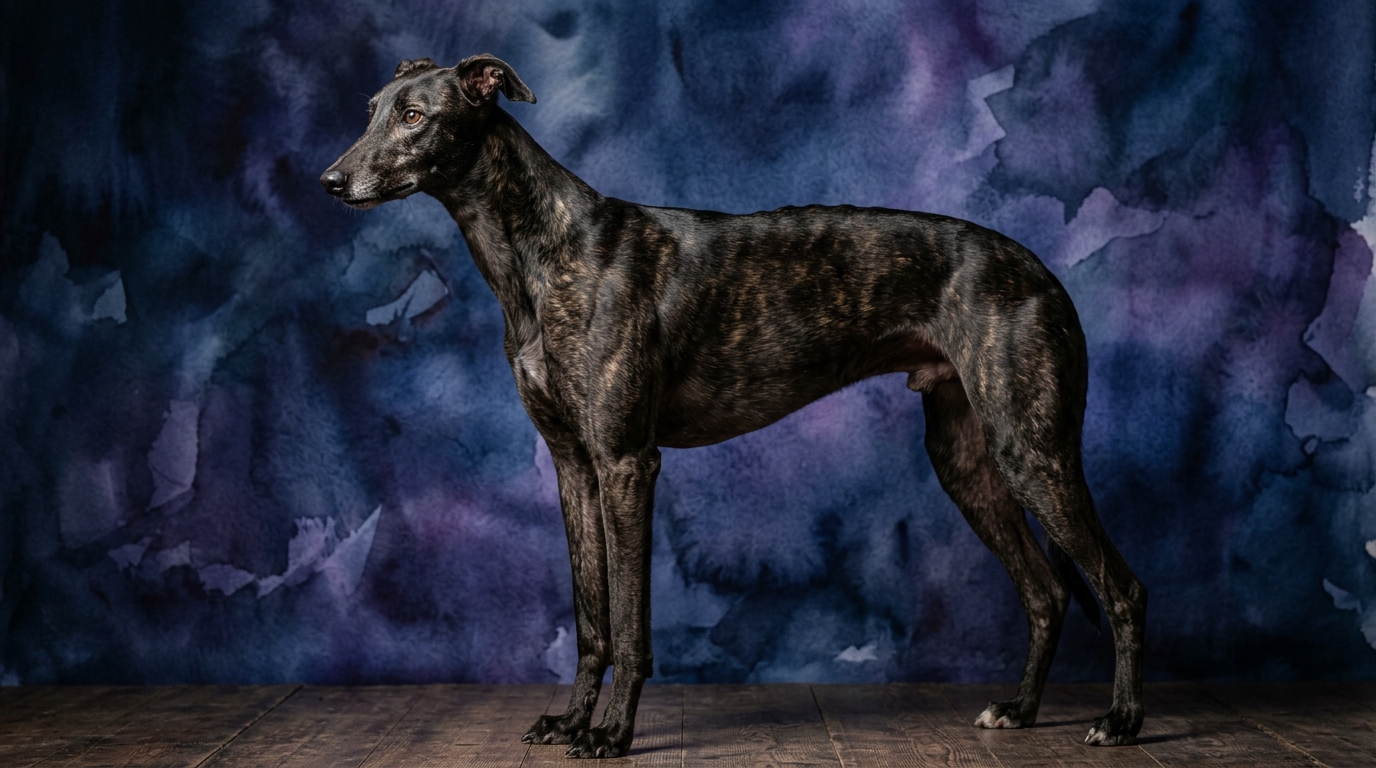
Greyhound (Coren Rank #46): Problem Solving (3/5): Greyhounds exhibit moderate problem-solving skills, often preferring direct action over complex strategizing. Their solutions tend to be efficient and straightforward, typical of a breed whose historical role involved swiftly overcoming obstacles in pursuit. For instance, they might quickly find the easiest path around a barrier rather than attempting to manipulate it. Training Speed (2/5): While capable of learning, Greyhounds are not known for rapid acquisition of new commands. Their independent nature and focus on immediate gratification mean that consistency and patience are crucial in training. They learn best with positive reinforcement and short, engaging sessions that leverage their natural inclinations rather than demanding repetitive drills. Social Intelligence (3/5): Greyhounds possess a moderate level of social intelligence. They are generally polite and sensitive, forming strong bonds with their immediate family. They understand subtle human cues and can be quite empathetic, though they might be reserved with strangers and less inclined to engage in complex social games with unfamiliar dogs. Instinctive Drive (5/5): This is where the Greyhound truly shines. Their prey drive is exceptionally strong, manifesting as an intense desire to chase anything that moves quickly. This instinctive drive is a core part of their being, honed over centuries for coursing, making them formidable athletes with an unparalleled focus on pursuit. Memory (3/5): Greyhounds have a moderate memory capacity. They can recall learned behaviors and past experiences, but their retention might not be as sharp for intricate sequences or less impactful events. They remember routines and familiar people well, but might require more refreshers for less frequently practiced commands.
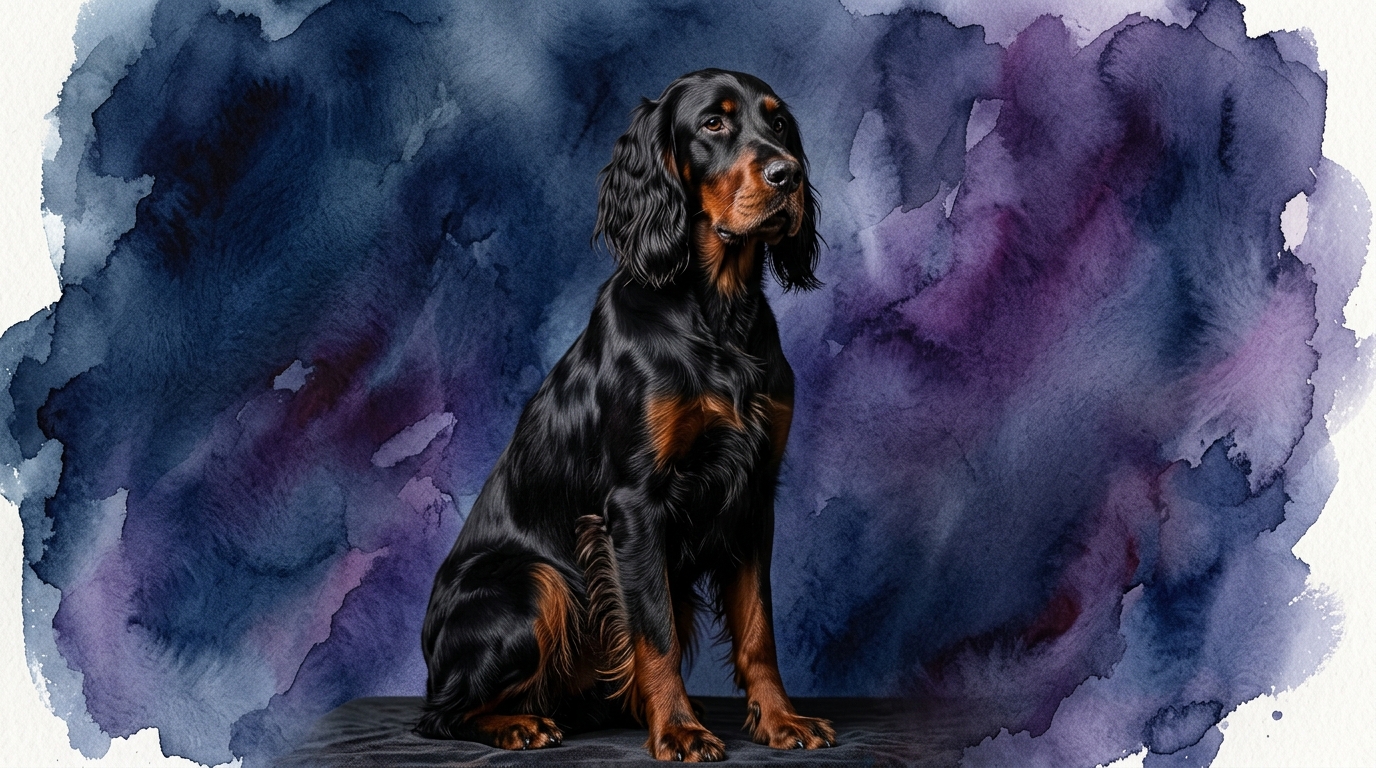
Gordon Setter (Coren Rank #39): Problem Solving (4/5): Gordon Setters demonstrate a higher aptitude for problem-solving. They are often more analytical, capable of figuring out solutions to novel situations, especially those involving scent work or retrieving. This might involve navigating complex terrain to locate a hidden object or strategizing how to get a toy from a difficult spot. Training Speed (4/5): Gordon Setters generally learn new commands and behaviors quite readily. Their eager-to-please nature and focus make them responsive students. They thrive on engaging training sessions and can quickly grasp new concepts, making them enjoyable partners for various dog sports and advanced obedience. Social Intelligence (3/5): Similar to Greyhounds, Gordon Setters show moderate social intelligence. They are loyal and affectionate with their families, often forming deep connections. They can be outgoing and friendly, but also possess a sensitive side, responding well to positive social interactions and fair treatment. They generally get along well with other dogs and people. Instinctive Drive (3/5): Gordon Setters possess a strong, but more controlled, instinctive drive compared to Greyhounds. Their drive is primarily focused on scenting, pointing, and retrieving game birds. While they have an inherent desire to work, it's channeled into specific tasks and can be more readily directed by a handler. Memory (4/5): Gordon Setters exhibit good memory capabilities. They can retain a wide range of commands, routines, and past experiences with solid recall. This strong memory contributes to their trainability and their ability to perform complex sequences in field work or obedience, remembering specific cues and patterns over time.
Where Greyhound Wins Cognitively
The Greyhound's cognitive profile reveals a singular, potent strength: its instinctive drive, rated at a perfect 5/5. This isn't just about speed; it's a deep-seated, hardwired compulsion to identify, pursue, and capture moving targets. When a Greyhound spots something in motion, its entire cognitive processing shifts to that singular objective, filtering out distractions with remarkable efficiency. This hyper-focus on pursuit means they excel in activities like lure coursing, where their natural instincts are fully engaged. Their cognitive strength lies in this specialized, almost primal, form of intelligence – a swift, decisive, and unwavering focus on the chase, demanding minimal complex thought once the target is identified. This isn't about solving a puzzle; it's about executing a perfectly refined, ancient behavioral pattern with unmatched dedication.
Where Gordon Setter Wins Cognitively
The Gordon Setter demonstrates a broader spectrum of cognitive strengths compared to the Greyhound, particularly in problem-solving (4/5), training speed (4/5), and memory (4/5). Their problem-solving prowess is evident in their ability to strategically navigate complex environments, such as dense cover in a field, to locate game birds using scent. This requires evaluating sensory information, making decisions based on past experiences, and adapting their approach. Their quicker training speed suggests a higher capacity for associative learning and an eagerness to engage with human instruction, making them adaptable to learning diverse tasks and complex routines. Furthermore, their superior memory allows them to retain a vast repertoire of commands and learned behaviors over time, crucial for intricate field work. These combined abilities make the Gordon Setter a more versatile cognitive partner.
Which is Easier to Train and Why
Based on their respective IQ profiles, the Gordon Setter is generally easier to train than the Greyhound. The Gordon Setter boasts a training speed rating of 4/5, significantly higher than the Greyhound's 2/5. This difference stems from several behavioral distinctions. Gordon Setters are typically more eager to please their owners, possess a stronger desire to collaborate, and exhibit better focus during training sessions. Their higher problem-solving skills also mean they can more readily understand and connect actions with consequences, accelerating the learning process. Conversely, Greyhounds, with their independent sighthound nature and lower training speed, often require more patience, creativity, and consistent positive reinforcement. They can be easily distracted by visual stimuli and may not see the inherent value in performing repetitive tasks unless highly motivated by rewards. Training a Greyhound often means finding ways to make the training itself a form of play or chase, aligning with their instinctive drives, whereas a Gordon Setter is often content to simply learn and perform for praise and partnership.
Which Suits Active Owners vs Relaxed Owners
The choice between a Greyhound and a Gordon Setter largely depends on an owner's lifestyle regarding activity levels and engagement preferences. A Greyhound, despite its supreme athletic prowess, can surprisingly suit a more relaxed owner, provided their specific needs are met. While they require short bursts of intense exercise – a secure, fenced area for a good run daily is non-negotiable – they are also renowned "45 mph couch potatoes" indoors. They thrive on comfort and long naps, making them excellent companions for owners who enjoy a relaxed home environment but are committed to providing dedicated, high-intensity outdoor sprints. Their lower overall cognitive engagement needs, beyond their chase instinct, mean they don't constantly demand intricate mental puzzles.
The Gordon Setter, on the other hand, is a better fit for active owners who enjoy consistent, varied outdoor activities and are prepared for more sustained mental and physical engagement. With an instinctive drive (3/5) focused on scenting and working, and higher problem-solving and training speed, they thrive on activities like hiking, field trials, agility, or extensive walks that allow them to use their nose and intellect. A Gordon Setter will not be content with only short sprints; they need regular, prolonged exercise that stimulates both their body and mind. Owners who are less active or who prefer a purely sedentary indoor companion might find a Gordon Setter's energy and cognitive demands overwhelming.
The Verdict
Choose a Greyhound if you appreciate a dog with an unparalleled, laser-focused instinctive drive for pursuit, are prepared to provide secure sprinting opportunities, and desire a calm, affectionate "couch potato" indoors who doesn't demand constant mental stimulation beyond their core instincts.
Choose a Gordon Setter if you are an active owner who enjoys consistent outdoor adventures, seeks a responsive and trainable partner for varied activities like hiking or dog sports, and values a dog with strong problem-solving skills and an eagerness to engage in collaborative learning.
🧠 Find Your Pet's IQ Score
Our Pet IQ Lab assessment covers 25+ tests across 5 cognitive dimensions — personalized to your breed.
Take the Full IQ Test →Frequently Asked Questions
Are Greyhounds difficult to train because of their low training speed?
While Greyhounds have a lower training speed rating (2/5), they are not untrainable. Their independent nature means training requires more patience, consistency, and positive reinforcement, often leveraging their love for chase or comfort. They learn best when training is engaging and rewarding, rather than repetitive.
Do Gordon Setters need a lot of exercise daily?
Yes, Gordon Setters are an active sporting breed with a strong work drive. They require significant daily exercise, typically an hour or more of vigorous activity like running, hiking, or mentally stimulating games, to keep them physically fit and mentally content.
Can a Greyhound live in an apartment?
Surprisingly, many Greyhounds adapt well to apartment living due to their calm indoor demeanor and love for napping. The critical factor is ensuring they still receive their essential daily opportunities for high-speed, off-leash running in a securely fenced area, regardless of dwelling size.