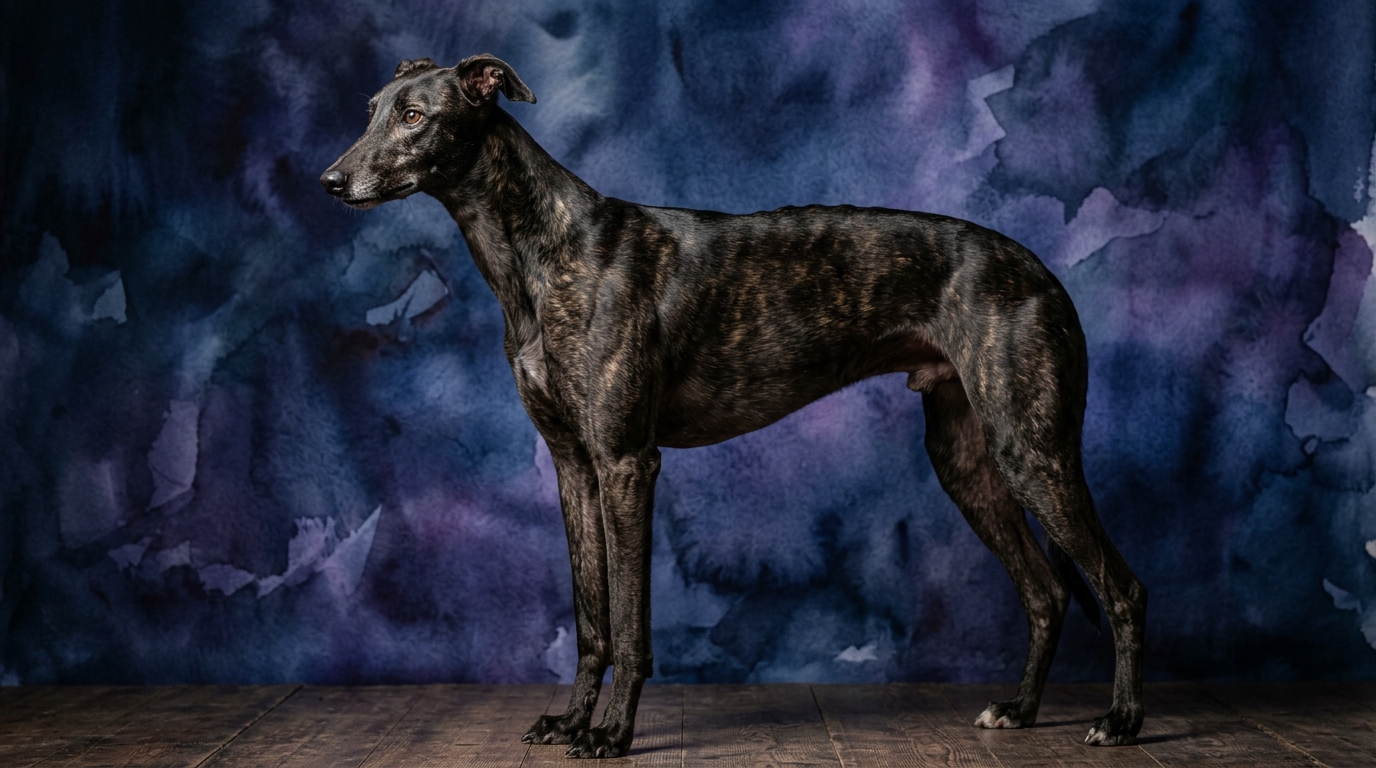
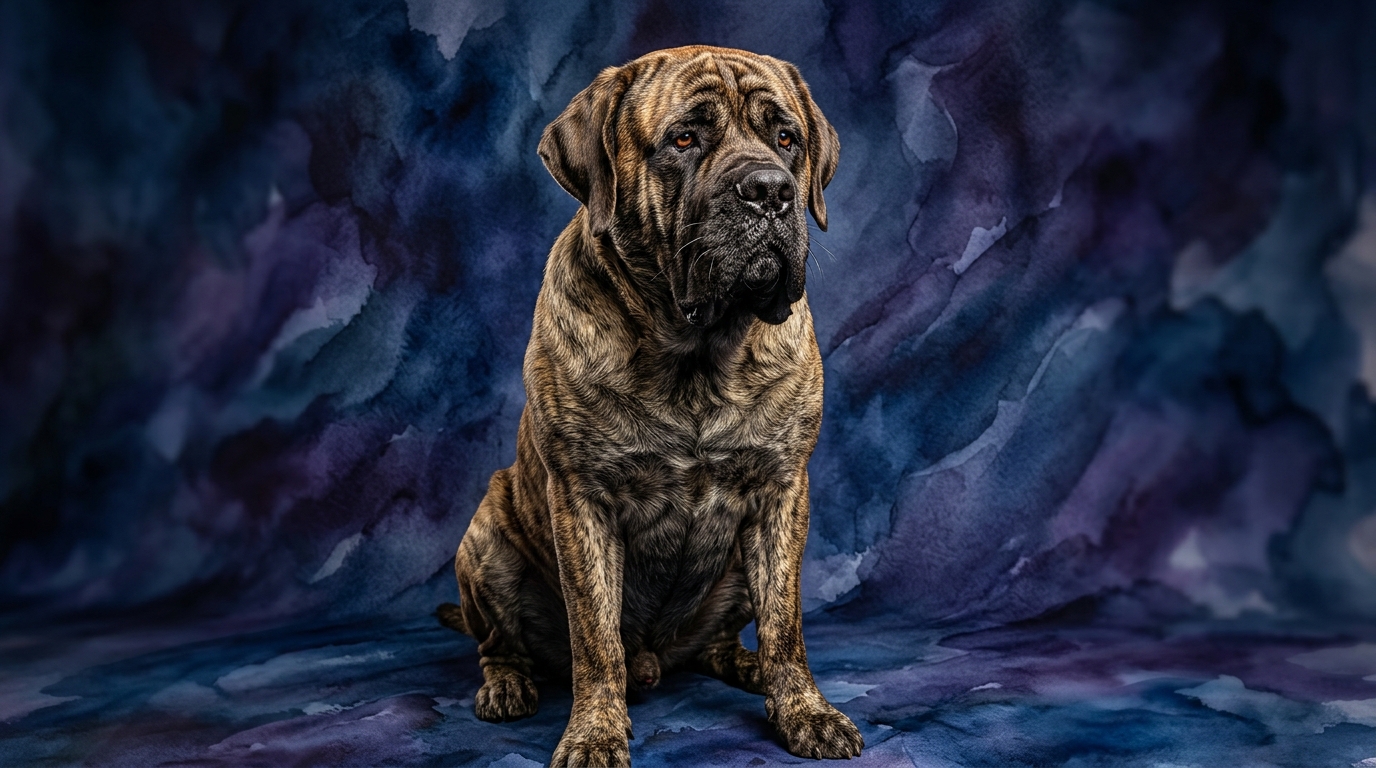
Side-by-Side IQ Profile: Greyhound vs. Mastiff
The Cosmic Pet Pet IQ Lab employs a multi-dimensional approach to assess canine cognition, moving beyond simplistic notions of 'smartness.' For the Greyhound, ranked #46 by Coren, we observe a profile honed for speed and pursuit. Their Problem Solving is rated 3/5, indicating a moderate ability to navigate novel situations or puzzles, often relying on instinctual responses rather than complex strategizing. Training Speed for Greyhounds scores 2/5, suggesting they may take longer to grasp new commands, often prioritizing their independent nature or sensory input over immediate compliance. Social Intelligence is 3/5, meaning they are capable of forming strong bonds and reading familiar human cues, though they can be reserved with strangers. Their Instinctive Drive is a profound 5/5, reflecting an overwhelming genetic imperative for chasing, which defines much of their cognitive landscape. Memory sits at 3/5, allowing them to recall routines and familiar faces, but perhaps not intricate sequences over extended periods.
In contrast, the Mastiff, with a Coren rank of #72, presents a cognitive profile geared towards guardianship and calm vigilance. Their Problem Solving also registers 3/5, similar to the Greyhound, implying a practical approach to challenges within their environment, but not necessarily inventive solutions. The Mastiff's Training Speed is 3/5, a point higher than the Greyhound, suggesting a more amenable disposition to structured learning, albeit with their own pace and potential for stubbornness. Social Intelligence is 3/5, enabling them to be perceptive companions within their family unit, displaying loyalty and a nuanced understanding of their human pack dynamics. Their Instinctive Drive is 3/5, moderate yet focused on protection and territorial awareness, rather than the relentless prey drive seen in sighthounds. Finally, their Memory is 3/5, allowing them to retain information relevant to their family, territory, and established rules, contributing to their steadfast nature.
Where the Greyhound Wins Cognitively
The Greyhound's cognitive strengths are profoundly linked to their primary function: sighting and pursuing fast-moving objects. Their 5/5 Instinctive Drive isn't merely a physical attribute; it's a cognitive imperative, manifesting as an unparalleled focus and rapid decision-making under high-speed conditions. A Greyhound’s brain is wired for immediate threat assessment in terms of movement – identifying a distant blur, calculating its trajectory, and initiating an intercept course in fractions of a second. This rapid visual processing and reaction time represent a significant cognitive advantage within their specialized domain. While their problem-solving score is moderate, it's highly specialized: a Greyhound excels at 'solving' the problem of how to catch a lure or a rabbit, utilizing an innate understanding of physics and speed to predict movements and execute complex maneuvers at full gallop. Their memory, while rated 3/5, is particularly adept at recalling the layout of a secure running space, remembering pathways and boundaries essential for safe, high-speed exertion, which contributes to their overall welfare and enjoyment.
Where the Mastiff Wins Cognitively
The Mastiff's cognitive advantages lie in their measured judgment and protective discernment. While their Instinctive Drive is a moderate 3/5, it's channeled into a sophisticated understanding of their territory and family, allowing them to assess situations with a calm, watchful intelligence. Their problem-solving (3/5) often manifests in situations requiring a nuanced response, such as evaluating a new visitor at the gate – discerning intent through body language and tone rather than reacting impulsively. This breed excels in 'situational awareness' within their home environment, capable of noticing subtle changes or unusual sounds and determining if a response is necessary. Their slightly higher Training Speed (3/5 compared to Greyhound's 2/5) indicates a greater willingness to engage with human instruction, suggesting a cognitive framework more inclined towards cooperation and understanding established rules, which is crucial for a large guardian breed. This adaptability in learning allows them to integrate complex social protocols and boundaries more readily into their daily lives, making them reliable family members.
Which is Easier to Train and Why
Based on our IQ data, the Mastiff is generally considered easier to train compared to the Greyhound. The Mastiff's training speed rating of 3/5, a point higher than the Greyhound's 2/5, reflects a more receptive disposition to learning commands and routines. Mastiffs often possess a desire to please their family and respond well to consistent, positive reinforcement. Their moderate instinctive drive means that while they have protective instincts, these are typically manageable and can be shaped through training, allowing for a more focused learning experience. They are less likely to be distracted by external stimuli like a distant moving object, which can entirely derail a Greyhound's attention during a training session.
Greyhounds, on the other hand, present a unique training challenge due to their profound 5/5 instinctive drive. This drive, focused on chasing, can often override any learned commands when a suitable trigger appears. Their independent nature, a hallmark of sighthounds, means they may not always see the immediate value in performing a task on command if it doesn't align with their intrinsic motivations. While Greyhounds are certainly capable of learning, their training requires immense patience, understanding of their breed-specific motivations, and a highly structured environment where distractions are minimized. Their lower training speed score isn't an indicator of an inability to learn, but rather a reflection of their selective engagement and the powerful pull of their inherent instincts.
Which Suits Active Owners vs. Relaxed Owners
For owners with an active lifestyle, but one that understands specific needs, the Greyhound presents a compelling choice. While they are often depicted as couch potatoes, this is only part of their truth. Greyhounds thrive with owners who can provide opportunities for short, intense bursts of running in a securely fenced area, allowing them to engage their powerful instinctive drive (5/5). Their activity needs are not about endurance running with their owner, but about explosive sprints. Once these needs are met, they are content to be very relaxed companions, often preferring long naps. Owners who appreciate a unique blend of high-octane athleticism and calm indoor demeanor, and who are diligent about managing their strong prey drive, will find a Greyhound rewarding.
The Mastiff is an ideal fit for more relaxed owners who appreciate a steadfast, calm, and protective presence. Their moderate instinctive drive (3/5) means they are generally less prone to sudden, uncontrollable urges to chase, making them suitable for environments where high-speed pursuits are not feasible or desired. Their exercise requirements are moderate, consisting of regular, leisurely walks and playtime in a secure yard, rather than intense athletic endeavors. Owners who value a loyal, watchful companion that enjoys quiet companionship, is content with a slower pace of life, and provides a comforting, imposing presence will find the Mastiff to be an excellent match. They are often described as 'gentle giants,' embodying a calm strength that suits a more tranquil household.
The Verdict
Choose a Greyhound if you appreciate an independent spirit, understand their profound drive for speed, and can provide secure outlets for their unique athleticism balanced with a desire for calm indoor companionship.
Opt for a Mastiff if you seek a loyal, calm, and protective companion who thrives on a steady routine, appreciates a more relaxed pace of life, and offers a reassuring, watchful presence in your home.
🧠 Find Your Pet's IQ Score
Our Pet IQ Lab assessment covers 25+ tests across 5 cognitive dimensions — personalized to your breed.
Take the Full IQ Test →Frequently Asked Questions
Do Greyhounds require a lot of exercise daily?
Greyhounds need short, intense bursts of exercise, such as a sprint in a securely fenced area, rather than long, sustained runs. After these energetic outings, they are typically quite content to relax and nap for extended periods indoors, making them surprisingly low-key housemates once their specific exercise needs are met.
Are Mastiffs good with children and other pets?
Mastiffs can be excellent family companions, known for their gentle and patient nature with children when properly socialized from a young age. Their social intelligence allows them to integrate well into a family structure; however, due to their sheer size, supervision is always essential, and early introductions to other pets are crucial for harmonious living.
What is the biggest training challenge for a Greyhound?
The most significant training challenge for a Greyhound often stems from their very high instinctive drive (5/5) to chase and their independent sighthound nature. This means that consistent recall can be difficult to achieve when a perceived 'prey' object is in sight, necessitating secure, enclosed spaces for off-leash exercise to ensure their safety and prevent them from acting on their powerful chase instinct.