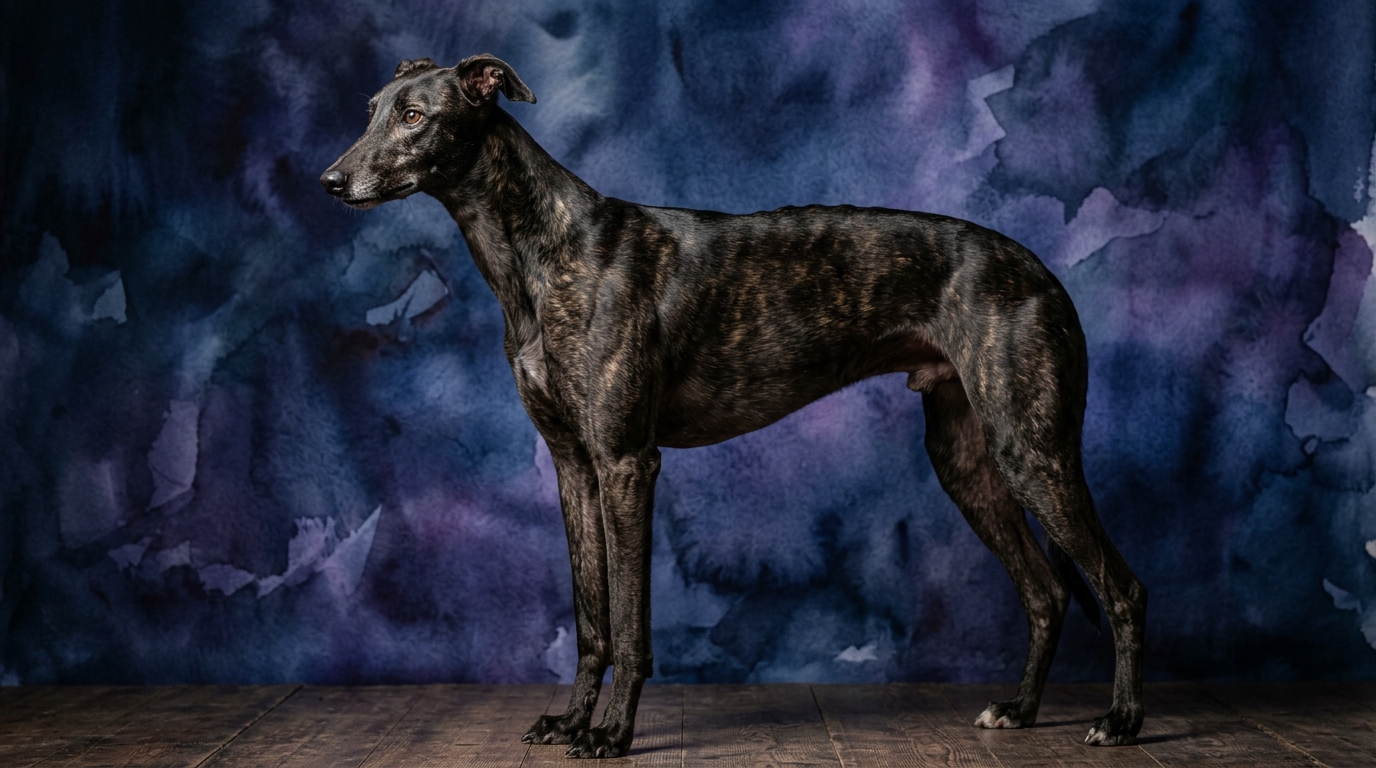
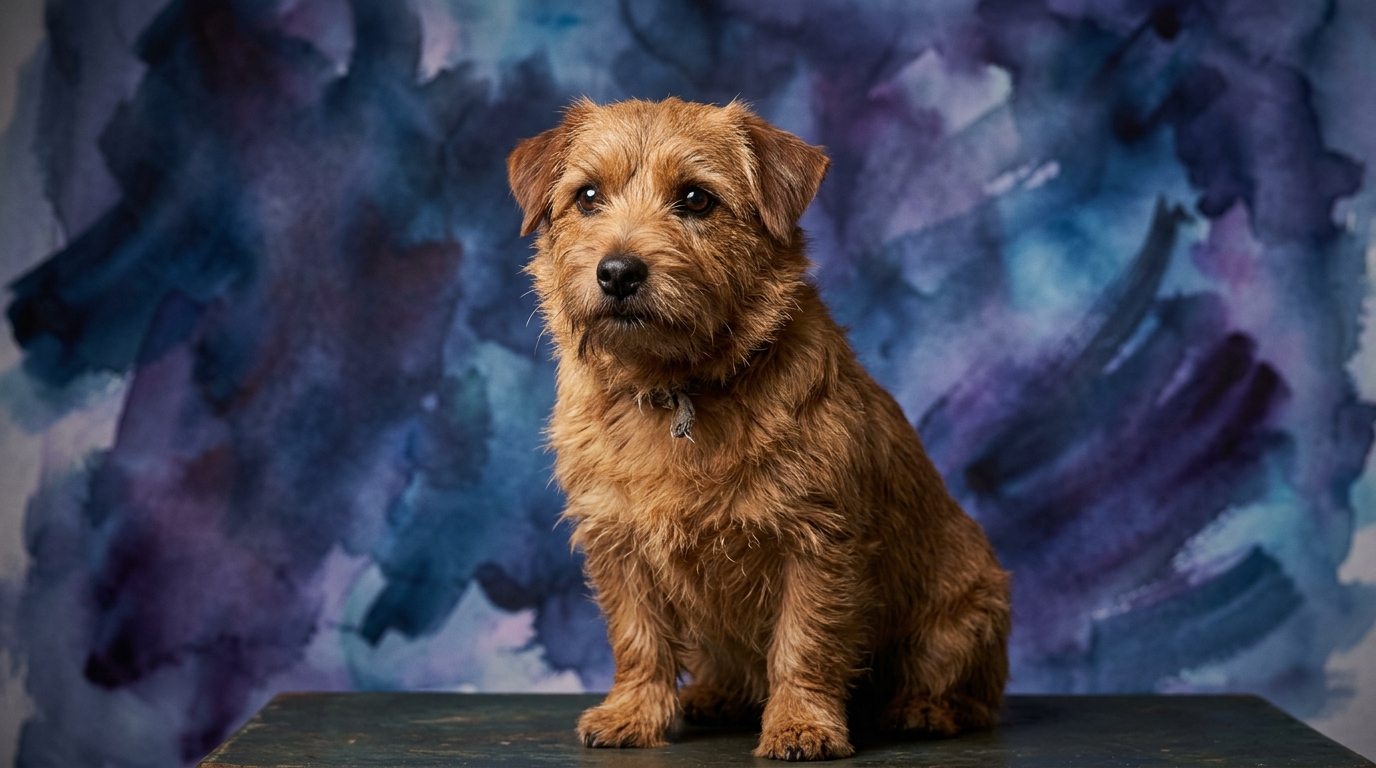
Side-by-Side IQ Profile: Greyhound vs. Norfolk Terrier
Delving into The Cosmic Pet Pet IQ Lab’s five cognitive dimensions provides a clear picture of each breed’s mental strengths and tendencies. For the Greyhound, its Problem Solving rates at 3/5, typically manifesting as efficient route planning during high-speed pursuits, quickly assessing terrain and obstacles to maintain focus on a moving target. Its Training Speed is 2/5; while Greyhounds can learn, their independent nature and sighthound focus mean they aren't always quick to comply, requiring patient, positive reinforcement. Social Intelligence sits at 3/5, as these dogs are generally sensitive and form deep bonds with their families, understanding subtle cues and absorbing household rhythms. Their Instinctive Drive is an impressive 5/5, reflecting their entire being geared towards visual pursuit of movement, with lightning-fast reactions. Finally, Memory is 3/5, recalling routines, familiar people, and established boundaries with moderate reliability.
The Norfolk Terrier presents a slightly different cognitive blueprint. Its Problem Solving also rates 3/5, but this manifests as a resourceful, persistent approach to challenges, like retrieving a toy stuck under furniture or investigating a burrow with tenacity. Training Speed is 3/5; with their eager-to-please yet spirited nature, Norfolk Terriers learn at a respectable pace, enjoying engagement in training sessions. Social Intelligence is 3/5, typically making them outgoing and sociable, adept at reading the room and integrating into the family unit. Their Instinctive Drive is 3/5, focused on earthdog work – finding and dispatching small vermin, which manifests as a desire to dig and explore confined spaces. Memory is 3/5, showing a solid recall for commands, house rules, and the location of their favorite items, quickly learning what behaviors lead to positive outcomes.
Where the Greyhound Wins Cognitively
The Greyhound's unparalleled instinctive drive (5/5) for visual pursuit is its standout cognitive strength. This isn't just about raw speed; it's about a highly specialized form of intelligence that involves rapid visual processing, instantaneous decision-making to adjust trajectory, and an unwavering focus on a moving target. This cognitive specialization allows them to calculate complex pursuit angles and react to changes in a lure's or prey's movement with breathtaking efficiency, a skill honed over centuries for coursing. Their problem-solving (3/5), though numerically similar to the Norfolk, operates on a different plane. For a Greyhound, 'solving a problem' might mean finding the most unimpeded path across an open field to intercept a rabbit, or discerning the quickest route around an obstacle during a sprint. This demonstrates a cognitive efficiency geared towards maximizing velocity and successful interception, relying on visual cues and an innate understanding of physics in motion.
Where the Norfolk Terrier Wins Cognitively
The Norfolk Terrier's slightly higher training speed (3/5 vs 2/5) hints at a more intrinsic desire to engage with human directives and learn structured tasks. This isn't merely about eagerness; it reflects a cognitive makeup that finds satisfaction in collaboration and mastering new commands, often for the sake of working alongside their human companions. Their focused attention and desire for interaction make them generally more receptive to formal training sessions. Their problem-solving (3/5) is characterized by a tenacious, analytical approach, distinct from the Greyhound's swift, spatial calculations. A Norfolk will meticulously work to retrieve a dropped toy from an awkward space, or persist in 'digging' at a scent, demonstrating a cognitive patience and resourcefulness. This 'terrier tenacity' is a form of cognitive resilience, where repeated attempts and varied strategies are employed until a solution is found, often involving clever manipulation of their environment.
Which is Easier to Train and Why
The Norfolk Terrier generally presents as the easier breed to train due to its higher training speed (3/5) and a more pronounced desire to engage in cooperative tasks. Their instinctive drive (3/5), while present, is typically focused on smaller-scale 'work' like digging or exploring, which can be more readily redirected into structured activities like obedience or agility. Norfolks often thrive on positive reinforcement and the mental stimulation of learning new commands, seeing it as an enjoyable partnership with their owner. Their social intelligence (3/5) also makes them attuned to human feedback, aiding in quicker comprehension and compliance.
In contrast, the Greyhound's training speed (2/5) is often influenced by their profound independence and specialized focus. While capable of learning, their powerful instinctive drive (5/5) for visual pursuit means that external stimuli can easily override human commands. A distant squirrel or a rustling bush can instantly divert their attention, making consistency challenging. Training a Greyhound requires immense patience, understanding of their sighthound nature, and a very strong foundation in positive reinforcement, acknowledging that their primary motivation isn't always human approval but often their own intrinsic drives. Their sensitive nature also means harsh methods are counterproductive, emphasizing a gentle, encouraging approach.
Which Suits Active Owners vs. Relaxed Owners
For the truly active owner seeking a consistent companion for sustained physical and mental engagement, the Norfolk Terrier often proves a better fit. Their moderate instinctive drive (3/5) and problem-solving (3/5) capabilities mean they enjoy and benefit from regular, varied activities like long walks, hikes, or even dog sports such as agility or earthdog trials. They thrive when their cognitive abilities are challenged through exploration, scent work, and interactive play, demanding a more hands-on, consistently engaging approach from their owner. Their desire for interaction and mental stimulation ensures they are always ready for the next adventure, making them ideal for owners who enjoy an active, participatory lifestyle.
Conversely, the Greyhound, despite its athletic prowess, can be surprisingly well-suited for relaxed owners who understand their unique needs. Often dubbed '45 mph couch potatoes,' Greyhounds require short bursts of intense exercise – ideally, secure, fenced-in areas where they can sprint freely – followed by long periods of rest. Their high instinctive drive (5/5) means they need outlets for chasing, but their training speed (2/5) and independent nature mean they aren't constantly demanding new tasks or complex mental puzzles. They are content with quiet companionship, preferring a calm home environment where they can lounge and observe, making them excellent companions for those who appreciate a serene presence after their exercise needs are met.
The Verdict
Choose the Greyhound if you appreciate a quiet, sensitive companion who thrives on dedicated sprint opportunities and offers serene companionship in return, understanding their profound chase instinct.
Opt for the Norfolk Terrier if you desire a tenacious, engaged partner who enjoys consistent interaction, varied mental challenges, and thrives on being an active, resourceful member of the family.
🧠 Find Your Pet's IQ Score
Our Pet IQ Lab assessment covers 25+ tests across 5 cognitive dimensions — personalized to your breed.
Take the Full IQ Test →Frequently Asked Questions
Are Greyhounds difficult to train, given their lower training speed score?
While Greyhounds may not learn as quickly as some breeds, their 'training speed' score of 2/5 reflects their independent nature and powerful chase instinct, rather than a lack of capacity. They are sensitive and respond best to patient, positive reinforcement, requiring owners who understand their sighthound motivations and can make training engaging without force.
How does the Norfolk Terrier's instinctive drive influence its daily behavior?
The Norfolk Terrier's instinctive drive of 3/5 is primarily geared towards hunting small vermin, which manifests as a keen interest in digging, exploring small spaces, and a persistent focus on moving objects. This drive makes them resourceful and persistent but also means they require supervision to prevent unwanted digging or chasing small critters.
What's the most significant cognitive difference between these two breeds?
The most significant difference lies in their specialized instinctive drives and how they apply problem-solving. The Greyhound's cognition is optimized for high-speed visual pursuit and spatial navigation (5/5 instinctive drive), while the Norfolk Terrier's intelligence is geared towards tenacious, resourceful 'earthdog' work, requiring persistence and cunning in confined spaces (3/5 instinctive drive).