Side-by-Side Cognitive Profile
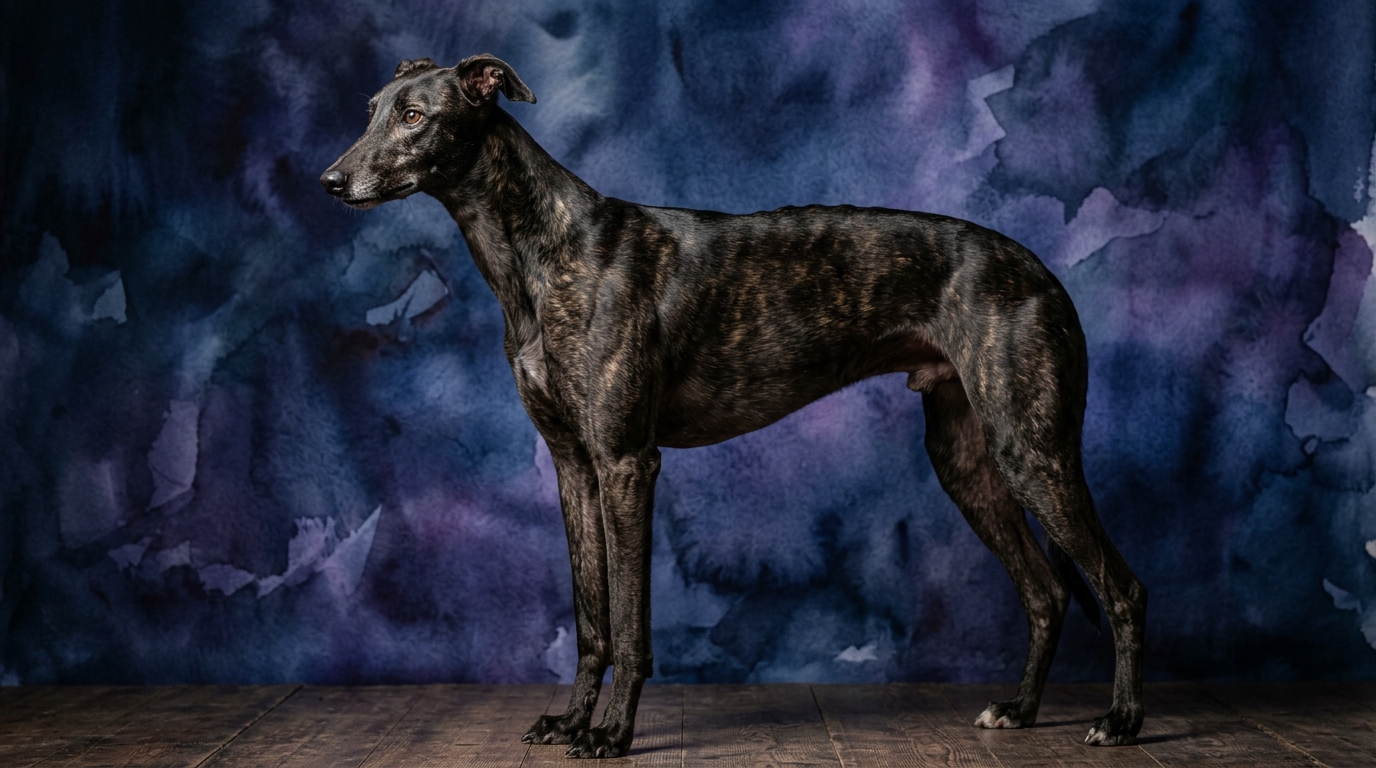
The Greyhound, a breed often celebrated for its athletic prowess, holds a Coren rank of #46, indicating a commendable level of working and obedience intelligence. Its Problem Solving score of 3/5 suggests a moderate capacity for navigating new challenges, particularly those related to its primary drive. Training Speed for the Greyhound is rated at 2/5, meaning it may require more repetition and patience to master new commands, often prioritizing its independent nature over strict adherence. Social Intelligence stands at 3/5, reflecting an ability to understand human cues and interact appropriately within its social sphere, though often with a reserved demeanor. Its Instinctive Drive is a powerful 5/5, an undeniable force rooted in its ancient purpose of pursuit and capture, manifesting as a keen visual hunting instinct. Memory for the Greyhound is a solid 3/5, allowing it to recall routines and learned behaviors effectively.
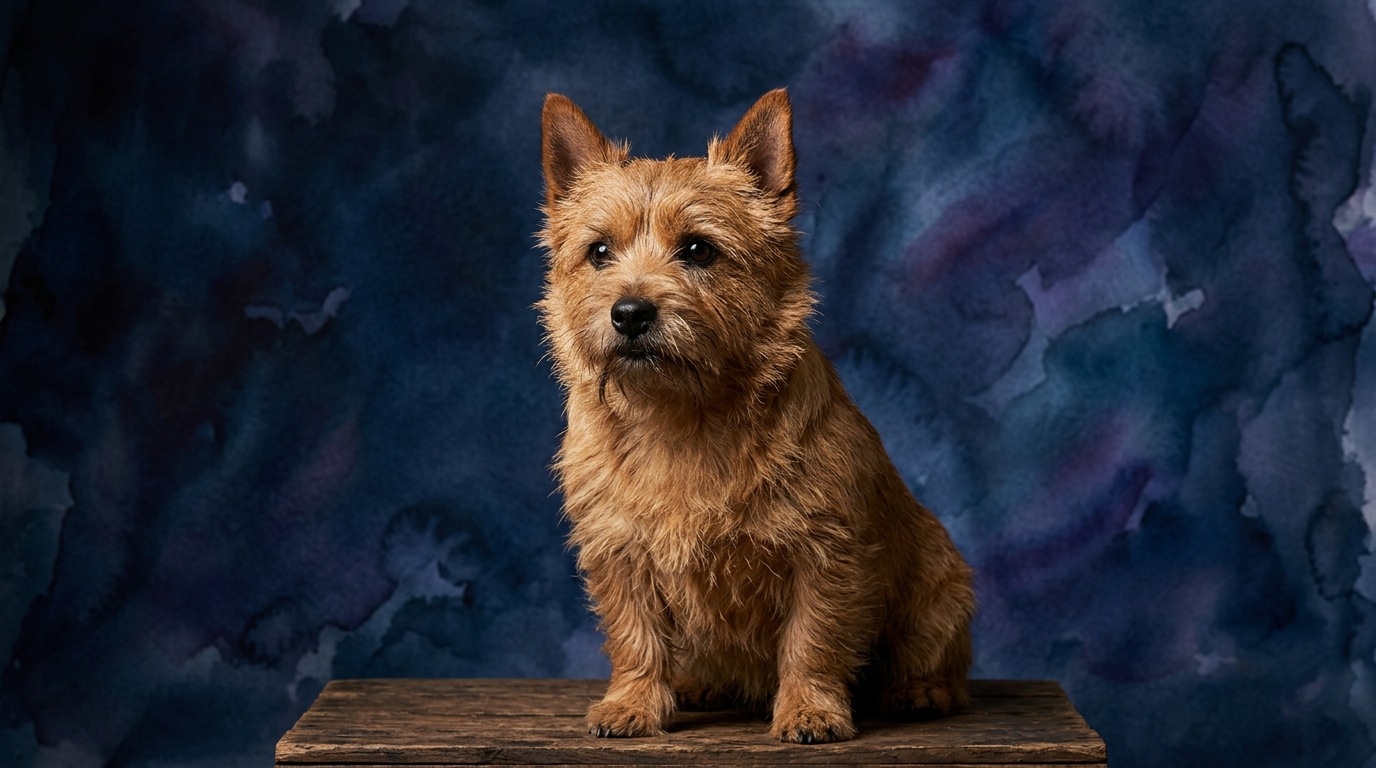
In contrast, the Norwich Terrier, while not Coren-ranked, presents a different but equally compelling cognitive makeup. Its Problem Solving score matches the Greyhound at 3/5, but this often manifests in a terrier's characteristic ingenuity for navigating tight spaces or outsmarting small prey, rather than open-field pursuit. The Norwich Terrier boasts a superior Training Speed of 3/5, indicating a quicker grasp of new commands and a generally more eager-to-please attitude in structured training sessions. Social Intelligence is also 3/5, suggesting a robust capacity for engaging with humans and other animals, often with a bold and outgoing personality. Its Instinctive Drive is rated at 3/5, reflecting a strong but manageable prey drive focused on digging and flushing, rather than the Greyhound's high-speed chase. Memory for the Norwich Terrier is 3/5, enabling it to retain information about its environment and learned tasks efficiently.
Where the Greyhound Excels Cognitively
The Greyhound's cognitive edge lies predominantly in its unparalleled Instinctive Drive, rated at a perfect 5/5. This isn't merely about speed; it encompasses a complex array of visual processing, spatial awareness, and rapid decision-making crucial for high-speed pursuit. A Greyhound can process visual stimuli at an incredible rate, identifying a distant moving object and calculating an intercept course with astonishing precision, often before a human has fully registered the target. This translates to an acute awareness of its surroundings, especially when something in motion catches its eye. Their problem-solving, while moderate overall, shines brilliantly in scenarios that tap into this drive, such as navigating a complex lure course with optimal efficiency to reach the 'prey.' Their capacity for independent action, rooted in their hunting heritage, means they are adept at making quick, solitary judgments in pursuit, a cognitive strength distinct from breeds bred for close human collaboration.
Where the Norwich Terrier Excels Cognitively
The Norwich Terrier's cognitive strengths lean towards a different kind of practical intelligence, particularly evident in its superior Training Speed of 3/5 compared to the Greyhound's 2/5. This indicates a greater readiness and aptitude for learning human-directed tasks and commands, making them generally more responsive to traditional obedience training. While their Problem Solving is also 3/5, it manifests as a terrier's characteristic tenacity and resourcefulness in navigating physical obstacles or outsmarting small creatures, often requiring cunning and persistence over sheer speed. Their social intelligence, also 3/5, is often expressed through their outgoing and adaptable nature, allowing them to integrate smoothly into various family dynamics and social situations. This combination of quicker learning and adaptable social skills gives the Norwich a distinct advantage in environments requiring consistent engagement and rule-following within a human household.
Which is Easier to Train and Why
Based on their respective scores, the Norwich Terrier is generally easier to train than the Greyhound. The Norwich's Training Speed of 3/5 signifies a quicker uptake of new commands and routines, often showing a greater enthusiasm for interactive learning sessions. Their inherent desire to engage with their handler, coupled with a manageable instinctive drive, means they are more readily motivated by praise, treats, and play in a structured training environment. In contrast, the Greyhound's Training Speed of 2/5 suggests a need for more patience and repetition. Greyhounds are independent thinkers, bred to make split-second decisions alone in pursuit, which can sometimes translate to a less immediate responsiveness to human commands when their attention is elsewhere. While capable of learning, their motivation often needs to be more carefully tailored to their sighthound instincts, making them less inclined to perform repetitive tasks purely for human approval compared to the more handler-focused Norwich.
Which Suits Active Owners vs. Relaxed Owners
The choice between these two breeds largely depends on the owner's lifestyle expectations regarding activity and interaction. A Greyhound often suits owners who appreciate bursts of intense activity followed by extended periods of calm relaxation. While they possess a powerful Instinctive Drive (5/5) for running, a secure, spacious area for sprinting a few times a week often suffices, after which they are content to lounge, sometimes earning them the nickname '45 mph couch potatoes.' They thrive with owners who understand their independent nature and respect their need for quiet downtime, rather than constant, high-energy engagement. Owners who enjoy serene companionship and are prepared for their unique exercise needs will find a Greyhound rewarding.
Conversely, the Norwich Terrier is better suited for owners who prefer consistent, moderate activity and a dog that is more consistently engaged. Their 3/5 Instinctive Drive translates into a persistent curiosity and a need for regular mental and physical stimulation through walks, games, and training. They are typically more 'on' throughout the day, requiring owners who are prepared for a dog that wants to be involved in activities and explore its surroundings actively. Owners who enjoy regular interactive play, consistent training, and a bold, inquisitive companion will find the Norwich Terrier a fulfilling match.
The Verdict: When to Choose Each
The Verdict
Choose the Greyhound if you appreciate an independent, calm companion who excels in short bursts of high-speed activity, valuing a reserved nature and a strong prey drive that requires secure environments. This breed thrives with owners who respect its quiet dignity and unique exercise requirements.
Opt for the Norwich Terrier if you seek a consistently engaged, tenacious, and adaptable companion who enjoys regular mental and physical stimulation, responding well to consistent training. This breed is ideal for owners looking for a bold personality in a smaller package, ready for varied adventures.
🧠 Find Your Pet's IQ Score
Our Pet IQ Lab assessment covers 25+ tests across 5 cognitive dimensions — personalized to your breed.
Take the Full IQ Test →Frequently Asked Questions
Do Greyhounds make good apartment dogs despite their speed?
Yes, Greyhounds can adapt well to apartment living because their high-speed exercise needs are typically met with short, intense sprints rather than prolonged endurance. They are often calm indoors, enjoying long naps, provided they get regular, secure opportunities to run.
Are Norwich Terriers prone to excessive barking?
Norwich Terriers can be vocal, especially when alerting to strangers or expressing excitement, a trait common to many terriers. Consistent training and early socialization can help manage this tendency, but their inherent 'watchdog' nature means some barking is to be expected.
How do their social intelligence scores of 3/5 translate differently in each breed?
For Greyhounds, 3/5 social intelligence often means they are reserved but polite, observing rather than directly engaging, and forming deep bonds with their immediate family. For Norwich Terriers, 3/5 typically manifests as an outgoing, confident demeanor, eager to interact and adapt to new social situations with boldness.