Side-by-Side Cognitive Profiles
The Cosmic Pet Pet IQ Lab's five-dimensional framework assesses canine intelligence beyond simple obedience. Let's apply this lens to the Greyhound and Pyrenean Shepherd.
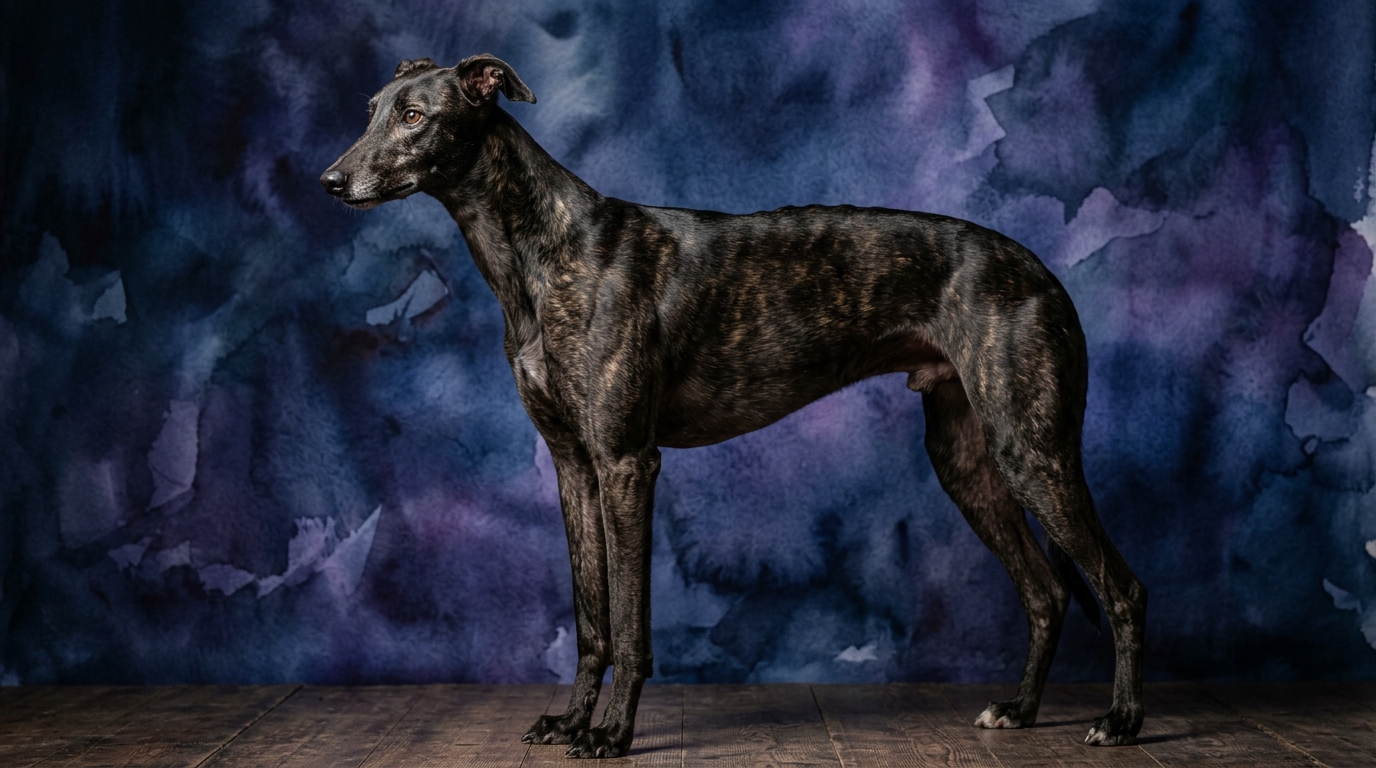
**Greyhound (Hound Group):** This breed, with a Coren rank of #46, showcases a specialized intelligence honed for speed and pursuit. Their Problem Solving (3/5) indicates efficient navigation of physical obstacles, particularly when focused on a target, but less for complex, abstract puzzles. Training Speed (2/5) suggests they learn best with patient, consistent, highly motivating methods, often taking time to generalize commands. Social Intelligence (3/5) means they are quietly observant, forming deep bonds with their core family, understanding human nuances without overtly seeking complex interactions. Their Instinctive Drive is an exceptional 5/5, reflecting an overwhelming desire to chase anything that moves quickly. Memory is 3/5, adequate for retaining routines and positive associations.
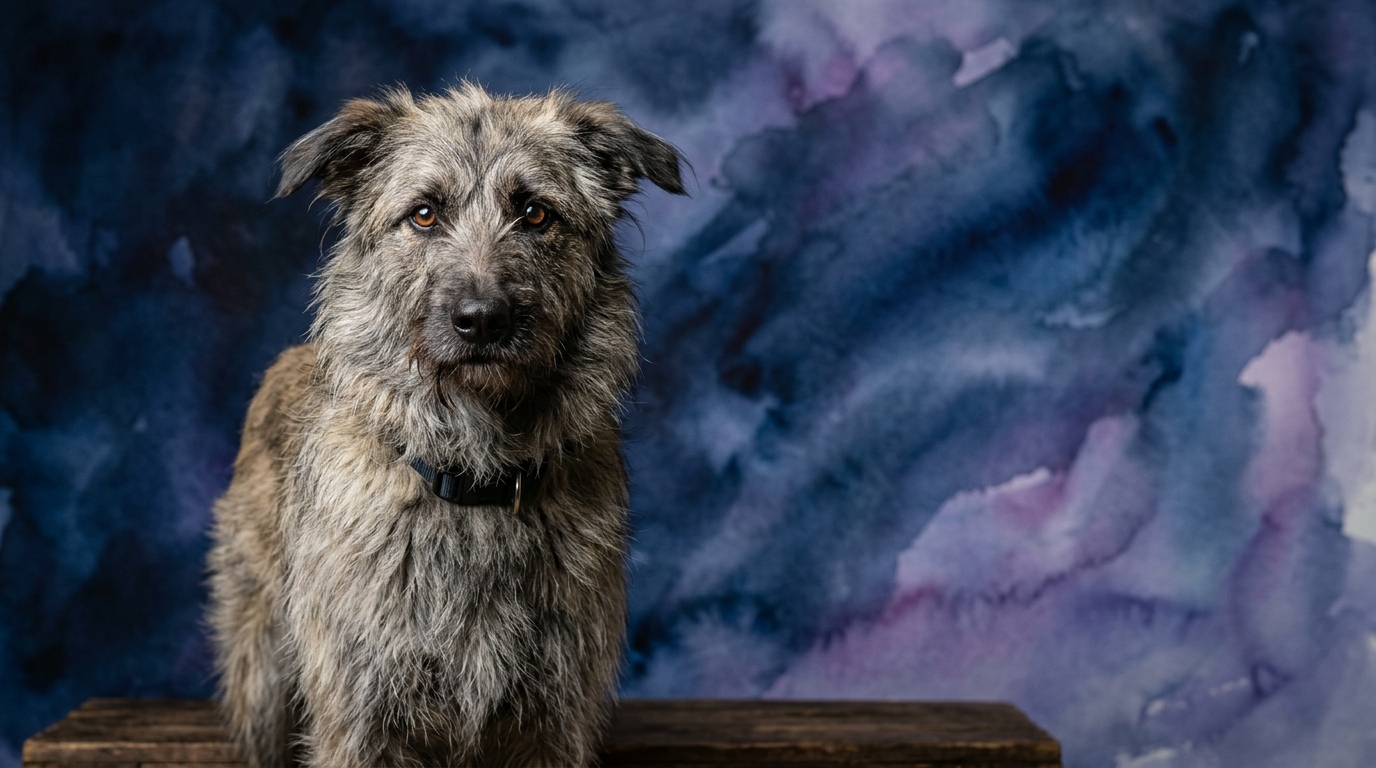
**Pyrenean Shepherd (Herding Group):** Not Coren-ranked, this breed exhibits a working intelligence geared towards management and adaptability. Their Problem Solving (3/5) demonstrates practical ingenuity in dynamic situations, like maneuvering a flock or assessing environmental changes. Training Speed (3/5) indicates a moderate learning pace, often driven by their innate desire to work and engage. Social Intelligence (3/5) means they are perceptive and responsive to their environment and human handlers, displaying keen awareness of social dynamics. Instinctive Drive is 3/5, characterized by a strong herding impulse to gather and control movement, rather than pure pursuit. Memory (3/5) allows them to recall complex tasks, sequences, and individuals within their sphere of influence.
Where the Greyhound Excels Cognitively
The Greyhound's primary cognitive strength lies in its profound Instinctive Drive (5/5), which underpins a remarkable suite of specialized cognitive processes. While often perceived as a physical attribute, the ability to process visual stimuli at incredible speeds and immediately initiate a coordinated chase response is a complex cognitive feat. This involves rapid target acquisition, precise spatial reasoning to anticipate the trajectory of a moving object, and an unwavering focus that can filter out distractions.
Their cognitive processing during a high-speed chase is a masterclass in efficiency, allowing them to make split-second decisions about foot placement, changes in direction, and obstacle avoidance without conscious deliberation. This specialized 'thinking in motion' is highly adapted for their historical role. Furthermore, their capacity for singular, intense focus when a 'prey' item — be it a lure, a squirrel, or a dropped toy — captures their attention showcases a powerful form of cognitive tunneling. This isn't about solving an abstract puzzle, but about executing an ancient, intricate behavioral sequence with unparalleled precision and dedication.
Where the Pyrenean Shepherd Excels Cognitively
The Pyrenean Shepherd's cognitive advantages are rooted in adaptability and practical application, particularly evident in their Problem Solving (3/5) and slightly higher Training Speed (3/5) compared to the Greyhound. Their problem-solving isn't about raw speed, but about nuanced assessment and strategic action in dynamic, living environments. Managing a flock requires anticipating the movements of multiple animals, understanding their collective psychology, and making independent decisions to guide them, often without direct human command. This demonstrates a form of practical intelligence involving foresight and strategic planning.
Their capacity for independent thought in the field, making real-time decisions about positioning and influence, highlights a cognitive flexibility that allows them to adapt learned behaviors to novel situations. This contrasts with the Greyhound's more fixed, reactive pursuit pattern. Furthermore, their social intelligence, while rated similarly to the Greyhound, is applied differently; it involves understanding and influencing a broader social sphere, including livestock and multiple human handlers, using subtle cues and assertive presence. This broader application of social cognition allows them to excel in roles requiring dynamic interaction and control.
Which Is Easier to Train and Why
When considering ease of training, the Pyrenean Shepherd generally presents a more straightforward path for the average owner due to its Training Speed rating of 3/5. This breed possesses an innate desire to work and an eagerness to engage with their human companions, making them receptive to traditional obedience training. Their herding drive, while potent, can be effectively channeled into structured tasks, providing an intrinsic motivation to learn and perform. They often thrive in environments where they are given jobs to do and respond well to consistent, engaging methods that leverage their intelligence and desire for purpose. This makes them good candidates for dog sports and advanced obedience.
The Greyhound, with a Training Speed of 2/5, requires a different approach. Their independence and strong chase drive mean they are not inherently motivated by a desire to please or perform complex obedience. Training Greyhounds necessitates high-value rewards, short, positive sessions, and patience. They learn best when tasks directly benefit them or align with their natural instincts, such as lure coursing or recall training that culminates in a rewarding chase. Overcoming their independent nature and redirecting their powerful chase instinct requires creative methods, often focusing on management and clear boundaries rather than intricate command sequences. They learn, but it often takes more time and a deeper understanding of their unique motivations.
Active Owners vs. Relaxed Owners: A Cognitive Match
For active owners seeking a highly engaged canine partner, the Pyrenean Shepherd is often the more suitable cognitive match. Their intellectual and physical needs are deeply intertwined; they thrive on mental stimulation and activity engaging their working instincts. Owners who enjoy dog sports like agility, herding trials, or advanced obedience will find the Pyrenean Shepherd a willing, intelligent, and capable collaborator. Their keen mind benefits from consistent challenges, and their energy demands outlets allowing them to 'think' and problem-solve.
Conversely, for owners who appreciate a more relaxed home environment, the Greyhound presents a compelling option. Despite their incredible speed, Greyhounds are famously referred to as '45 mph couch potatoes.' While they absolutely require opportunities for intense, short bursts of running in a safe, enclosed area, they are remarkably calm and quiet indoors, content to lounge for much of the day. Their cognitive needs focus less on constant engagement and more on comfort, routine, and peaceful companionship. They suit owners appreciating a tranquil presence, able to provide exhilarating, yet contained, physical outlets without demanding constant mental work.
The Verdict
Choose a Greyhound if you appreciate a calm, independent companion who thrives on intense, short bursts of activity and quiet relaxation, and you are prepared for patient, reward-based training tailored to their chase drive.
Opt for a Pyrenean Shepherd if you seek an engaged, adaptable partner for active pursuits and mental challenges, and you are ready to channel their keen intelligence and working drive into consistent training and activities.
🧠 Find Your Pet's IQ Score
Our Pet IQ Lab assessment covers 25+ tests across 5 cognitive dimensions — personalized to your breed.
Take the Full IQ Test →Frequently Asked Questions
Are Greyhounds difficult to train?
Greyhounds are not inherently difficult, but they require a specific training approach. Their independence and strong chase drive mean training must be highly motivating, positive, and consistent, often focusing on short, engaging sessions rather than prolonged drills.
What kind of mental stimulation does a Pyrenean Shepherd need?
Pyrenean Shepherds thrive on mental challenges that engage their problem-solving and herding instincts. This can include advanced obedience, dog sports like agility or herding trials, puzzle toys, and learning complex tricks or tasks.
How does 'instinctive drive' impact a dog's daily life?
Instinctive drive profoundly shapes a dog's motivations and behaviors. For a Greyhound, a high chase drive means managing their environment to prevent escapes. For a Pyrenean Shepherd, a strong herding drive might manifest as an urge to 'manage' family members or other pets, requiring appropriate outlets and guidance.