Side-by-Side IQ Profile: Hound vs. Toy Brains
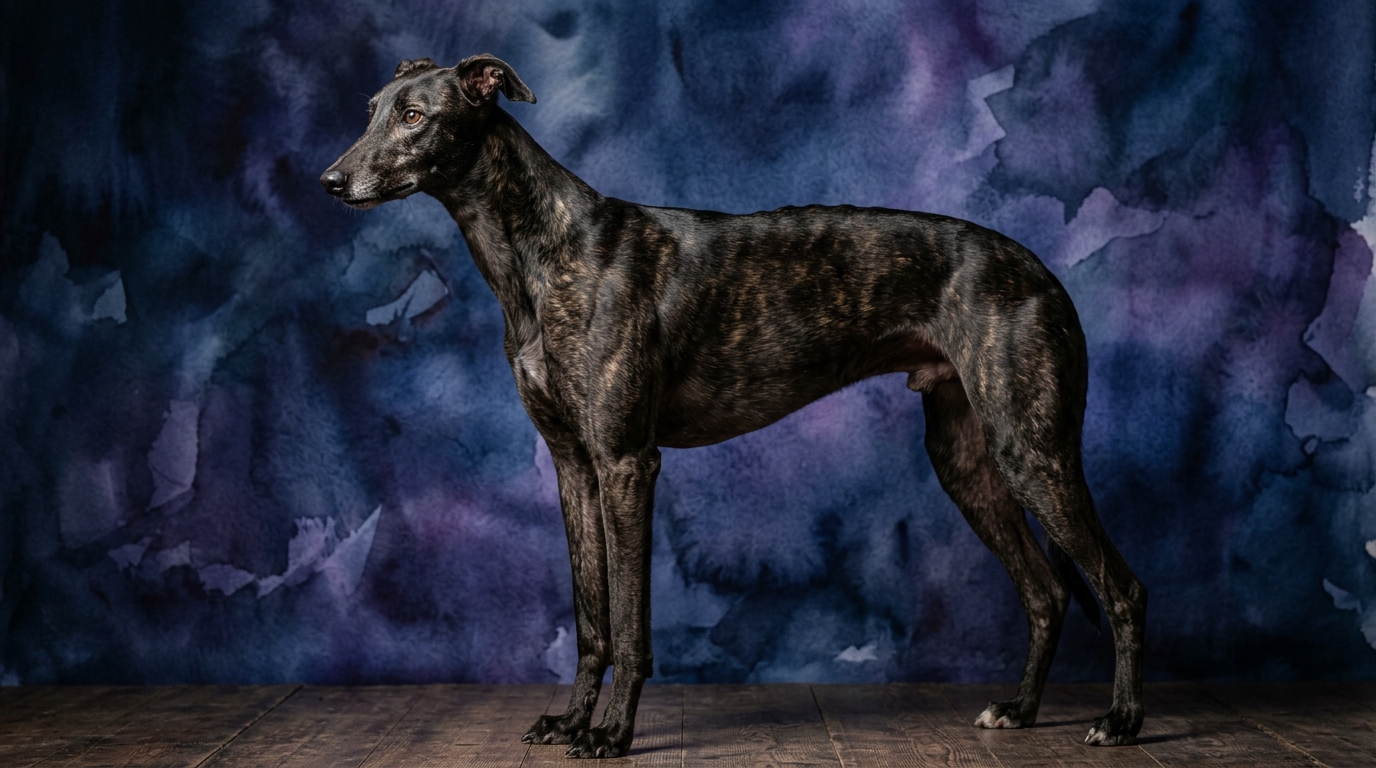
The Greyhound, ranking #46 on the Coren intelligence scale, presents a cognitive profile honed for its sighthound heritage. Its Problem Solving ability is rated 3/5, suggesting a practical intelligence focused on immediate environmental challenges rather than complex abstract puzzles, often linked to navigating terrain during a chase. Training Speed is 2/5, indicating they may require more repetition and patience, as their independent nature often means they choose to respond rather than automatically obey. Social Intelligence stands at 3/5; they understand human cues adequately and form strong bonds, but their interactions might be more reserved. Their Instinctive Drive is a powerful 5/5, reflecting a deeply ingrained urge to chase, track, and react to movement, shaping much of their perception and behavior. Memory is 3/5, meaning they retain information about routines, people, and locations adequately, but perhaps not with extensive recall for specific, detailed events.
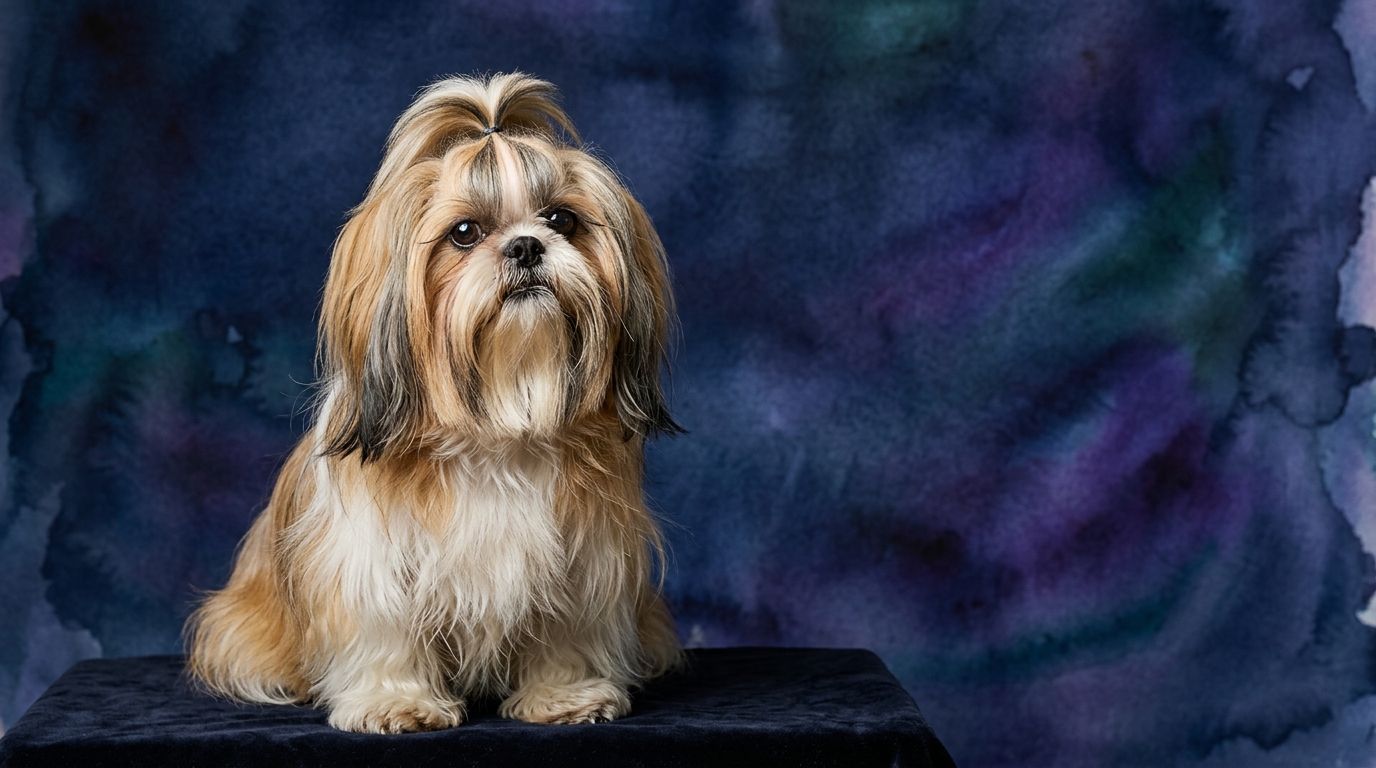
In contrast, the Shih Tzu, with a Coren rank of #70, showcases a mind primarily evolved for companionship. Their Problem Solving ability is 3/5, similar to the Greyhound, tending to be practical and context-specific—like figuring out how to get attention or access a comfortable spot. Training Speed is also 2/5, suggesting a need for consistent, patient methods, as their motivation might be primarily social reward rather than task completion, sometimes exhibiting a 'what's in it for me?' attitude. Here's where they diverge significantly: Social Intelligence is an exceptional 5/5. They are incredibly attuned to human emotions, body language, and desires, excelling at forming deep, intuitive social bonds and often subtly manipulating situations for affection or comfort. Their Instinctive Drive is a much lower 2/5, focusing less on ancient working roles and more on a placid, companion-oriented approach. Memory is 3/5, allowing them to remember people, routines, and preferred comfort spots reliably.
Where the Greyhound Wins Cognitively
The Greyhound's undeniable cognitive strength lies in its profound Instinctive Drive, rated a perfect 5/5. This isn't merely about physical speed, but a highly specialized mental architecture for pursuit. Their brains are wired for rapid detection of movement, acute visual discrimination over long distances, and the spatial reasoning required for high-speed, unpredictable chases. Their problem-solving skills, while not for complex puzzles, are exceptional in real-time, dynamic environments, allowing them to make split-second decisions to navigate obstacles or adjust trajectory during a sprint. This instinctual intelligence is an ancient, refined form of cognition, making them masters of their original purpose: the hunt, even if that 'hunt' today is just a squirrel in the park. Their memory, while 3/5, serves this drive well, helping them recall prime running spots or the layout of a familiar chase ground.
Where the Shih Tzu Wins Cognitively
The Shih Tzu's cognitive triumphs are rooted in their extraordinary Social Intelligence, scoring a top 5/5. These companions possess an intuitive understanding of human social cues, making them adept at reading moods, anticipating desires, and adapting their behavior to elicit specific responses, be it a comforting stroke or a shared snack. Their problem-solving often manifests in social contexts – how to best position themselves for cuddles, or which family member is most likely to yield to their charm. This acute social awareness allows them to integrate seamlessly into human households, becoming deeply empathetic and responsive companions. Their memory, at 3/5, effectively supports this, enabling them to recall which person provides the best lap, the most frequent treats, or the gentlest touch, reinforcing their social strategies.
Which is Easier to Train, and Why?
Interestingly, both breeds share a Training Speed score of 2/5, yet the *experience* of training them can differ significantly due to their other cognitive traits. The Greyhound's high Instinctive Drive can make training challenging, particularly recall, as the sight of a moving object can instantly override learned commands. Their independent nature, often described as 'cat-like,' means they may not always perceive human approval as the highest reward, requiring patient, consistent, and highly motivating positive reinforcement. In contrast, the Shih Tzu's exceptional Social Intelligence means they are often eager to please and highly motivated by praise and connection, which can be an advantage. However, their lower Instinctive Drive might mean they lack a strong innate drive to *perform* tasks beyond social interaction, and their problem-solving can sometimes be applied to figuring out how to *avoid* tedious tasks if the social reward isn't immediate or appealing enough. Both require understanding their intrinsic motivations rather than expecting immediate, robotic obedience.
Suitability for Active vs. Relaxed Owners
The Greyhound's unique energy profile makes them a fascinating match for certain owners. While renowned for their speed, they are often called '45 mph couch potatoes,' requiring intense bursts of activity in a secure, fenced area, followed by long periods of serene lounging. They are not suited for constant, endurance-based activities like long hikes or jogging marathons, but thrive with owners who appreciate their dignified independence and can provide dedicated opportunities for safe, high-speed sprints. They are ideal for owners who enjoy a calm indoor companion but are committed to meeting their specific, albeit short-lived, outdoor exercise requirements. Conversely, the Shih Tzu is the quintessential companion for relaxed owners. Their minimal physical needs are easily met with short walks and indoor play, making them perfect for apartment living or less active lifestyles. They thrive on constant human presence and affection, making them an excellent choice for individuals or families who desire a devoted, low-energy companion to share their daily routines and provide endless cuddles.
The Verdict
Choose a Greyhound if you admire an independent, dignified companion, appreciate bursts of athletic prowess followed by serene calm, and can provide outlets for strong chase instincts in a secure environment.
Opt for a Shih Tzu if you seek an exceptionally affectionate, socially savvy lap companion whose primary joy is human interaction, and whose exercise needs are easily met within a relaxed domestic setting.
🧠 Find Your Pet's IQ Score
Our Pet IQ Lab assessment covers 25+ tests across 5 cognitive dimensions — personalized to your breed.
Take the Full IQ Test →Frequently Asked Questions
Are Greyhounds good with children despite their prey drive?
Many Greyhounds, especially retired racers, are gentle with children, but their strong chase instinct means supervision is crucial, particularly with very young, fast-moving children. Introducing them carefully and teaching both dog and child boundaries is key for a harmonious home.
Do Shih Tzus bark a lot, given their social nature?
Shih Tzus can be prone to barking, particularly if they feel lonely, bored, or are alerting their owners to perceived threats or visitors. Their social intelligence often means they learn quickly what vocalizations get attention, so consistent training to manage this is important.
How do their memory scores of 3/5 impact daily life?
A 3/5 memory means both breeds remember routines, people, and basic commands adequately, but might not recall complex sequences or be as adept at remembering specific training steps over long periods without reinforcement. Consistency in training and daily routine helps reinforce what they know.