Side-by-Side IQ Profiles: Greyhound vs. Smooth Fox Terrier
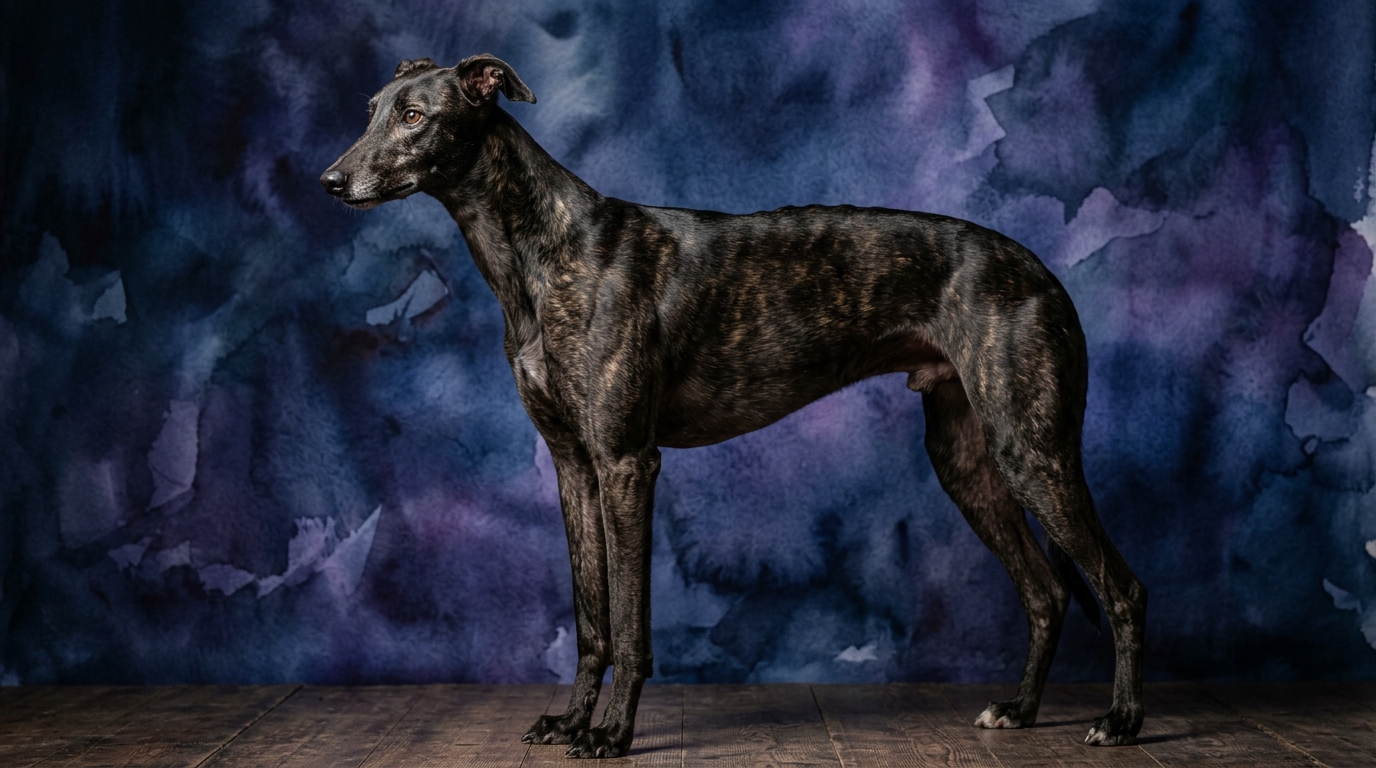
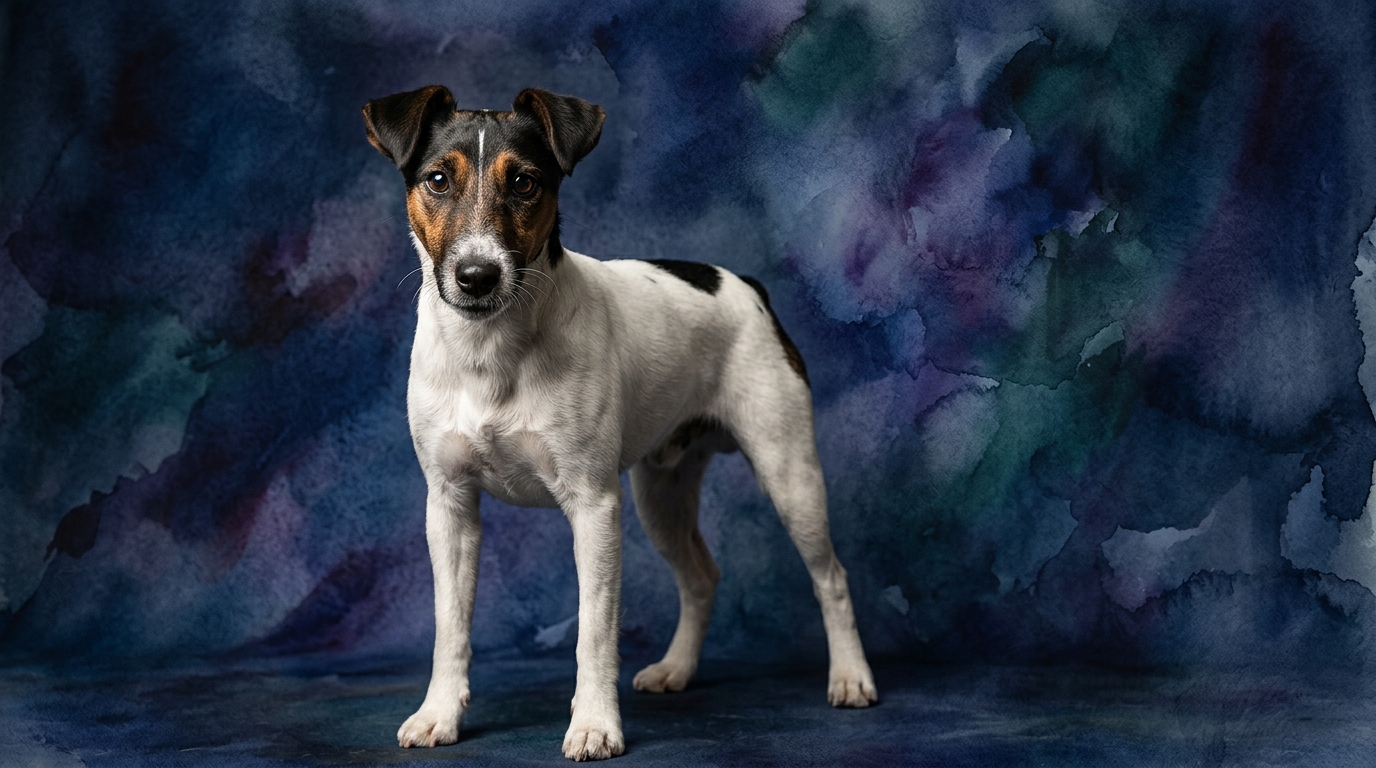
The Cosmic Pet Pet IQ Lab categorizes canine intelligence across five key dimensions, providing a nuanced view of how breeds process information and interact with their world. For the Greyhound, a breed with a Coren rank of #46, its cognitive profile reflects its ancient purpose as a pursuit predator, while the Smooth Fox Terrier, though not Coren-ranked, presents a balanced yet spirited intellectual makeup.
The Greyhound's Problem Solving ability scores a 3/5. While capable of navigating practical challenges, their cognitive approach leans more towards direct action and speed rather than intricate, multi-step problem-solving. Training Speed for the Greyhound is rated 2/5; they can learn commands, but often require more repetition and patience, sometimes displaying an independent streak or a strong focus on environmental stimuli. Social Intelligence sits at 3/5, indicating a good capacity to understand human cues and form strong, if sometimes reserved, bonds. Their Instinctive Drive is a remarkable 5/5, reflecting an exceptionally powerful chase instinct that profoundly shapes their cognitive priorities and behaviors. Finally, their Memory is a solid 3/5, enabling them to recall learned routines and commands effectively.
In contrast, the Smooth Fox Terrier also scores 3/5 for Problem Solving, demonstrating a similar capacity for practical solutions, often fueled by their characteristic terrier tenacity. Their Training Speed is slightly higher at 3/5, suggesting they may pick up new commands with a bit more alacrity, often motivated by engaging interaction and rewards. Like the Greyhound, their Social Intelligence is 3/5, indicating a good understanding of human interaction and an ability to integrate well into a family unit. The Smooth Fox Terrier's Instinctive Drive is 3/5; while possessing a clear prey drive (especially for vermin), it is less singularly dominant than the Greyhound's chase instinct, allowing for a broader focus. Their Memory also registers at 3/5, providing a reliable foundation for retaining learned tasks and social experiences.
Where the Greyhound Shines Cognitively
The Greyhound's unparalleled Instinctive Drive, scoring a perfect 5/5, is its primary cognitive advantage. This isn't just about speed; it's a highly specialized form of intelligence focused on detection, pursuit, and capture. Their minds are wired for visual tracking over vast distances and calculating complex trajectories at high velocity. This manifests as an exceptional ability to react instantaneously to moving targets, a cognitive feat requiring rapid processing of visual information and immediate motor command. While this drive can present training challenges, it represents a peak of specialized predatory cognition, making them masters of the chase, and influencing their overall perception and interaction with the world around them. Their problem-solving, though moderate, often operates within the context of this drive, finding the most efficient path to their perceived 'prey'.
Where the Smooth Fox Terrier Holds the Edge
The Smooth Fox Terrier's cognitive strengths are rooted in its balanced yet persistent nature. Its Training Speed of 3/5, a point higher than the Greyhound, suggests a greater willingness and aptitude for learning and executing commands in a structured environment. This isn't just about rote memorization; it reflects an engagement with the training process that can make them more adaptable to various tasks and situations. Their Instinctive Drive, while still present at 3/5, is more generalized, allowing their problem-solving skills to be applied to a wider array of intellectual puzzles beyond pure pursuit. They possess a keen observational intelligence, often figuring out how to manipulate objects or situations through persistent investigation, a hallmark of their terrier heritage that requires a different kind of mental agility than the Greyhound's specialized chase focus.
Training Dynamics: Which is Easier to Guide?
When it comes to ease of training, the Smooth Fox Terrier generally presents a more straightforward path. Their Training Speed of 3/5 indicates they typically grasp new commands with fewer repetitions than a Greyhound, which scores 2/5. This difference often stems from the Smooth Fox Terrier's inherent desire to engage with their handler and a less overwhelming, singular instinctive drive. They tend to find satisfaction in the collaborative process of learning and performing tasks, making them responsive to positive reinforcement and varied training techniques. Their moderate instinctive drive means they are often less distracted by distant moving objects, allowing for more sustained focus during training sessions.
Greyhounds, conversely, can be more challenging due to their powerful 5/5 Instinctive Drive. This drive means that a squirrel or a plastic bag blowing in the wind can instantly override any command, making off-leash training particularly demanding. While they are capable of learning, their attention is frequently pulled towards their highly developed visual hunting instincts. Their independent nature, combined with a slightly slower Training Speed, means owners must be exceptionally consistent, patient, and find high-value motivators to keep them engaged. Successful Greyhound training often involves managing their environment to minimize distractions and leveraging their social intelligence for strong bond-based cooperation.
Owner Lifestyles: Active vs. Relaxed Companions
The cognitive profiles of these two breeds offer clear insights into which might better suit different owner lifestyles. The Greyhound, despite its legendary speed, often thrives with owners who appreciate a more relaxed indoor companion, punctuated by intense, but often short, bursts of activity. Their 5/5 Instinctive Drive means they require secure, enclosed spaces for running, as their chase instinct is powerful and overrides recall. However, once their exercise needs are met, they are famously calm and enjoy lounging. Owners who prefer quiet evenings but can provide dedicated, safe opportunities for a full-throttle sprint will find a Greyhound to be a perfect fit, understanding that their mental energy is often less about constant engagement and more about specific, high-intensity outlets.
The Smooth Fox Terrier, with its balanced drives and quicker training speed, generally suits more active and consistently engaged owners. Their moderate instinctive drive (3/5) still necessitates regular physical and mental stimulation, but it's typically expressed in more varied ways, such as vigorous walks, interactive play, and puzzle toys. These dogs often enjoy learning new tricks and participating in dog sports, requiring owners who are prepared to integrate consistent mental challenges into their daily routine. An owner looking for a spirited companion eager for varied activities and consistent interaction will find the Smooth Fox Terrier's cognitive makeup aligns well with a dynamic, hands-on lifestyle.
The Verdict
Choose the Greyhound if you appreciate a calm, independent companion who excels in short, intense bursts of activity and you can provide a securely fenced environment for their natural running instincts. Their reserved social intelligence and profound chase drive suit owners who understand and manage these unique traits.
Opt for the Smooth Fox Terrier if you seek an engaging, spirited companion eager for consistent mental and physical challenges, and you are prepared for a more active, hands-on approach to daily life. Their quicker training speed and balanced drives make them adaptable to various activities and family dynamics.
🧠 Find Your Pet's IQ Score
Our Pet IQ Lab assessment covers 25+ tests across 5 cognitive dimensions — personalized to your breed.
Take the Full IQ Test →Frequently Asked Questions
Are Greyhounds difficult to train because of their low training speed score?
While Greyhounds have a Training Speed of 2/5, indicating they may require more repetition, it doesn't mean they are untrainable. Their strong Instinctive Drive (5/5) often competes with commands, so successful training hinges on patience, consistency, and using high-value rewards in distraction-controlled environments.
Does a Smooth Fox Terrier's 'Not Coren-ranked' status mean it's less intelligent?
No, 'Not Coren-ranked' simply means the breed was not included in Stanley Coren's specific study on canine working and obedience intelligence. The Pet IQ Lab provides its own detailed metrics for the Smooth Fox Terrier, showcasing its problem-solving abilities, training speed, and other cognitive strengths independently.
How does the Instinctive Drive difference impact daily life for these breeds?
A Greyhound's 5/5 Instinctive Drive means a powerful, visual chase reflex that requires secure leashing and fenced areas to prevent them from pursuing perceived prey. A Smooth Fox Terrier's 3/5 Instinctive Drive, while still present, is more manageable; they'll benefit from outlets for digging or 'hunting' games but are generally less prone to bolting purely on sight.