Side-by-Side IQ Profile: Deconstructing Canine Cognition
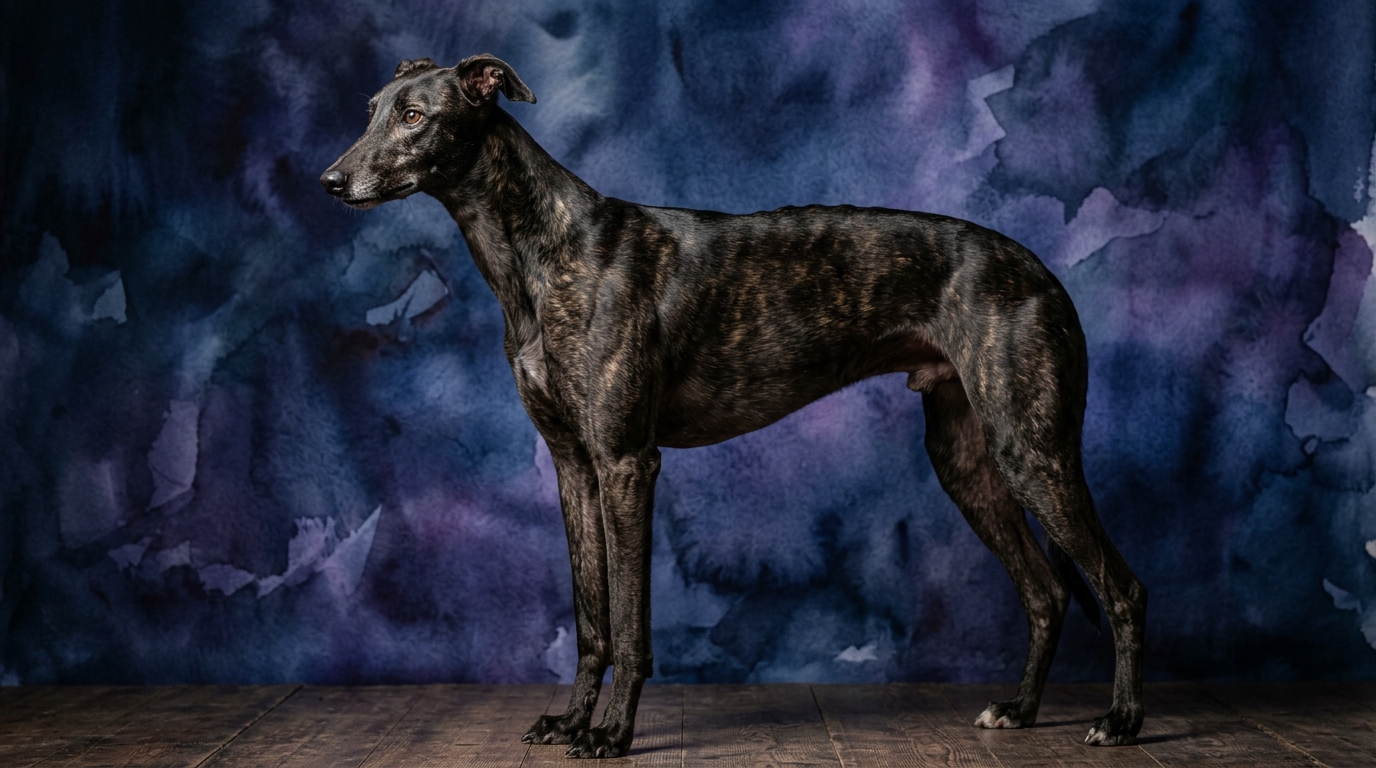
Our analysis at The Cosmic Pet Pet IQ Lab breaks down intelligence into five key dimensions, revealing the specific cognitive makeup of the Greyhound and the Staffordshire Bull Terrier. For the Greyhound, problem Solving registers at 3/5, indicating an efficiency in overcoming obstacles directly related to their primary drive, rather than complex abstract puzzles. Their Training Speed is 2/5, suggesting that while capable of learning, they often require patient, consistent reinforcement and might not generalize commands quickly. Social Intelligence stands at 3/5, reflecting an awareness of human cues and emotions, though often expressed with a quiet independence. Their Instinctive Drive is a formidable 5/5, an unparalleled focus on movement and chase that defines much of their mental processing. Finally, their Memory is 3/5, sufficient for routines and associations, but perhaps not for intricate sequences of commands.
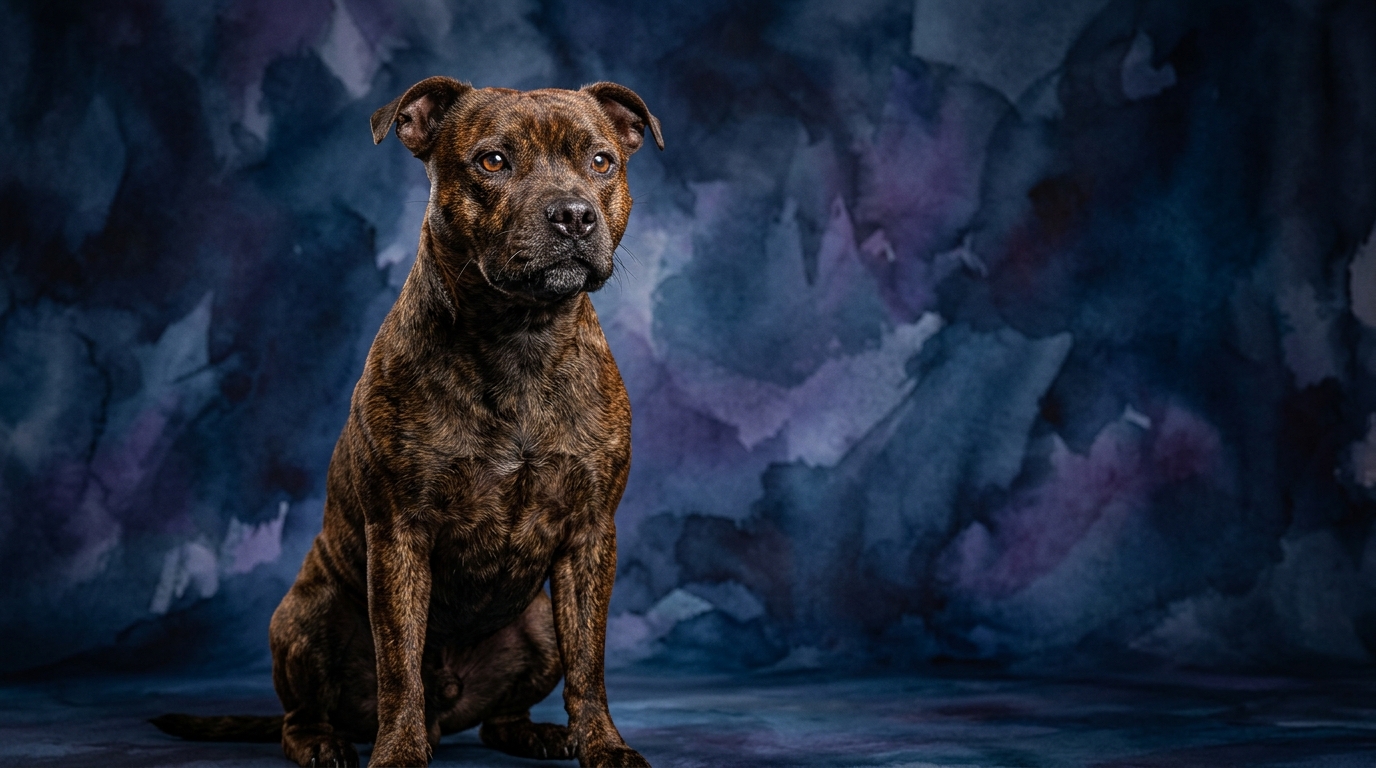
The Staffordshire Bull Terrier presents a slightly different cognitive architecture. Their Problem Solving capability also sits at 3/5, but manifests as a tenacious resourcefulness, often involving clever manipulation of their environment or human companions to achieve a desired outcome. Training Speed is 3/5, indicating a generally good aptitude for learning commands, especially when motivation is clear and engaging. Social Intelligence is a robust 3/5, yet it often translates into an exceptional people-orientation and a deep attunement to social dynamics within their human family. Their Instinctive Drive is rated 3/5, a moderate drive that is often channeled into vigorous play and interaction rather than singular prey focus. Their Memory is also 3/5, providing a solid foundation for retaining commands, routines, and social cues.
Where the Greyhound's Mind Excels
The Greyhound's cognitive zenith lies squarely in its Instinctive Drive, rated a perfect 5/5. This isn't merely a physical attribute; it's a profound cognitive processing system. Their minds are wired for the chase, exhibiting an almost unparalleled ability to rapidly assess, track, and predict the trajectory of moving objects. This translates into exceptional spatial awareness and an acute perception of speed and motion, which are critical for their hunting lineage. When a Greyhound focuses on a target, their problem-solving (3/5) becomes laser-focused on overcoming immediate physical barriers to reach it, demonstrating efficient, practical intelligence within their domain of expertise. Their memory (3/5) serves this drive by remembering favorable hunting grounds or escape routes, and their social intelligence (3/5) allows them to understand human cues when they align with their inherent motivations, such as the anticipation of a run or a quiet cuddle.
This deep-seated drive also contributes to a unique form of 'situational intelligence.' A Greyhound might not excel at complex obedience routines, but given an open field, their cognitive functions—perception, rapid decision-making, and execution—are operating at peak efficiency. They demonstrate a remarkable ability to conserve energy, alternating between intense, short bursts of activity and deep relaxation, a testament to a mind optimized for efficiency in its natural role. This mental economy is a specific cognitive strength, allowing them to remain calm and observant indoors, yet instantly switch to a highly engaged, focused state when the opportunity for a sprint arises.
Where the Staffordshire Bull Terrier's Mind Shines
The Staffordshire Bull Terrier's cognitive strengths are deeply rooted in their social engagement and resilient problem-solving. While their social intelligence is rated 3/5, its application is often more outward-facing and interactive than the Greyhound's. Staffies possess a profound desire to connect and engage with their human companions, making them highly receptive to social learning cues. Their problem-solving (3/5) often manifests as a tenacious effort to figure out how to gain attention, access a favorite toy, or participate in family activities. They are resourceful in navigating their human environment, often demonstrating a cleverness born from persistence and a strong will.
Furthermore, the Staffordshire Bull Terrier's training speed (3/5) edges out the Greyhound's, primarily due to their eagerness to please and their robust motivation for social interaction and play. Their memory (3/5) is solid for remembering commands and routines, especially when reinforced with positive, interactive methods. This combination allows them to adapt well to various home environments and learning scenarios, thriving on consistent engagement and clear communication. Their instinctive drive (3/5), while present, is often more generalized and channeled into enthusiastic play rather than a singular, overwhelming focus on chase, making them more pliable in diverse training contexts.
Training Aptitude: Greyhound vs. Staffy
When it comes to ease of training, the Staffordshire Bull Terrier generally holds an advantage over the Greyhound. The Staffy's training speed of 3/5, coupled with their strong social intelligence and desire to engage, means they are often more eager to learn and respond to commands. Their tenacious problem-solving (3/5) can be channeled effectively into overcoming training challenges, especially with reward-based methods that leverage their love for interaction and play. They tend to be more consistently focused on their handler during training sessions, motivated by praise, treats, and the joy of shared activity.
The Greyhound, with a training speed of 2/5, can present different challenges. While capable of learning, their independent nature and profound instinctive drive (5/5) can sometimes make them less immediately responsive, particularly when environmental distractions are present. Their focus is often external, drawn to movement or potential chase, which can make recall in an unfenced area a significant hurdle. Training a Greyhound often requires immense patience, understanding of their sighthound instincts, and consistent positive reinforcement to build reliable responses. They learn best when training is fun, low-pressure, and respects their inherent nature, rather than demanding rigid obedience.
Lifestyle Match: Active vs. Relaxed Owners
The choice between a Greyhound and a Staffordshire Bull Terrier also hinges on an owner's lifestyle and energy levels. Greyhounds are often mischaracterized as needing constant activity. While their instinctive drive (5/5) demands outlets for vigorous running, these are typically short, intense bursts rather than sustained endurance. They are sprinters, designed for explosive speed, not marathon running. Consequently, Greyhounds often make surprisingly calm and relaxed indoor companions, content to lounge and nap for many hours a day. They suit owners who can provide secure, fenced areas for daily sprints but otherwise appreciate a quiet, independent, and relatively low-energy housemate. Their social intelligence (3/5) allows them to be affectionate, but often on their own terms, fitting well with owners who value a serene presence.
In contrast, the Staffordshire Bull Terrier, while not necessarily requiring vast open spaces, thrives on consistent engagement and interactive activity. Their moderate instinctive drive (3/5) combined with their robust social intelligence (3/5) means they genuinely enjoy being involved in family life, participating in structured walks, playtime, and mental enrichment activities. They are more consistently 'on' than a Greyhound, requiring owners who are prepared for regular, energetic play sessions and who enjoy incorporating their dog into daily routines. Staffies suit active owners who seek a robust, playful, and highly social companion eager for shared adventures and consistent interaction.
The Verdict
Choose a Greyhound if you appreciate a quiet, independent companion indoors, can provide safe, secure environments for their essential sprinting needs, and understand their profound chase instinct.
Opt for a Staffordshire Bull Terrier if you seek an engaging, resilient, and highly social companion who thrives on consistent interaction, playful challenges, and being an integral part of family life.
🧠 Find Your Pet's IQ Score
Our Pet IQ Lab assessment covers 25+ tests across 5 cognitive dimensions — personalized to your breed.
Take the Full IQ Test →Frequently Asked Questions
Are Greyhounds truly lazy dogs?
Not exactly lazy, but Greyhounds are sprinters, not endurance runners. They require intense, short bursts of exercise followed by long periods of rest, making them surprisingly calm housemates who enjoy lounging for much of the day.
Do Staffordshire Bull Terriers get along with other pets?
With proper socialization from a young age, many Staffies can coexist peacefully with other pets. However, their terrier tenacity and strong play drive mean careful introductions and supervision are always prudent, especially with smaller animals.
What's the biggest challenge in training a Greyhound?
The most significant challenge is often their powerful instinctive drive for chase, which can override recall commands in an open environment. Consistent, positive reinforcement in secure areas is crucial to build a reliable response and manage this deeply ingrained behavior.