Side-by-Side IQ Profile: Greyhound vs. Wire Fox Terrier
At The Cosmic Pet Pet IQ Lab, we analyze canine intelligence across five key dimensions to provide a nuanced understanding of each breed's mental landscape. While both the Greyhound and the Wire Fox Terrier demonstrate capabilities across the board, their cognitive strengths and approaches to the world are distinctly tailored by their historical roles and breed type.
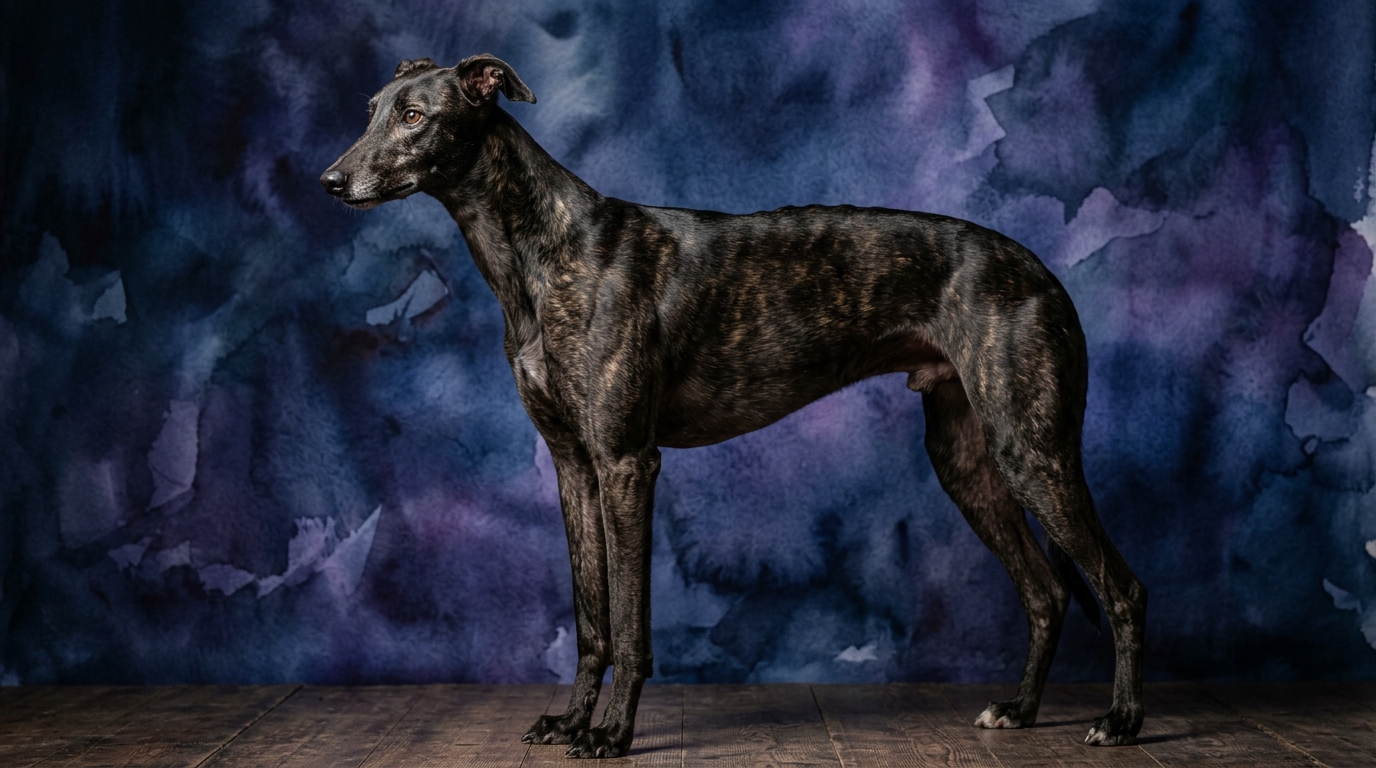
The Greyhound, a Sighthound with a Coren ranking of #46, presents a unique cognitive profile. Their Problem Solving is rated 3/5; they excel at practical, real-time challenges like optimizing pursuit paths but are less inclined towards abstract puzzles. Training Speed stands at 2/5, indicating they can learn but often require patient, incentive-driven methods, as their independent spirit can sometimes overshadow a desire to please. Social Intelligence is 3/5, as they form deep, quiet bonds with their trusted circle and are adept at reading subtle human cues, though often reserved with strangers. Instictive Drive is a powerful 5/5, singularly focused on the chase and visual tracking, which defines much of their mental processing. Their Memory is 3/5, capable of retaining routines and associations, particularly those linked to comfort or chase experiences.
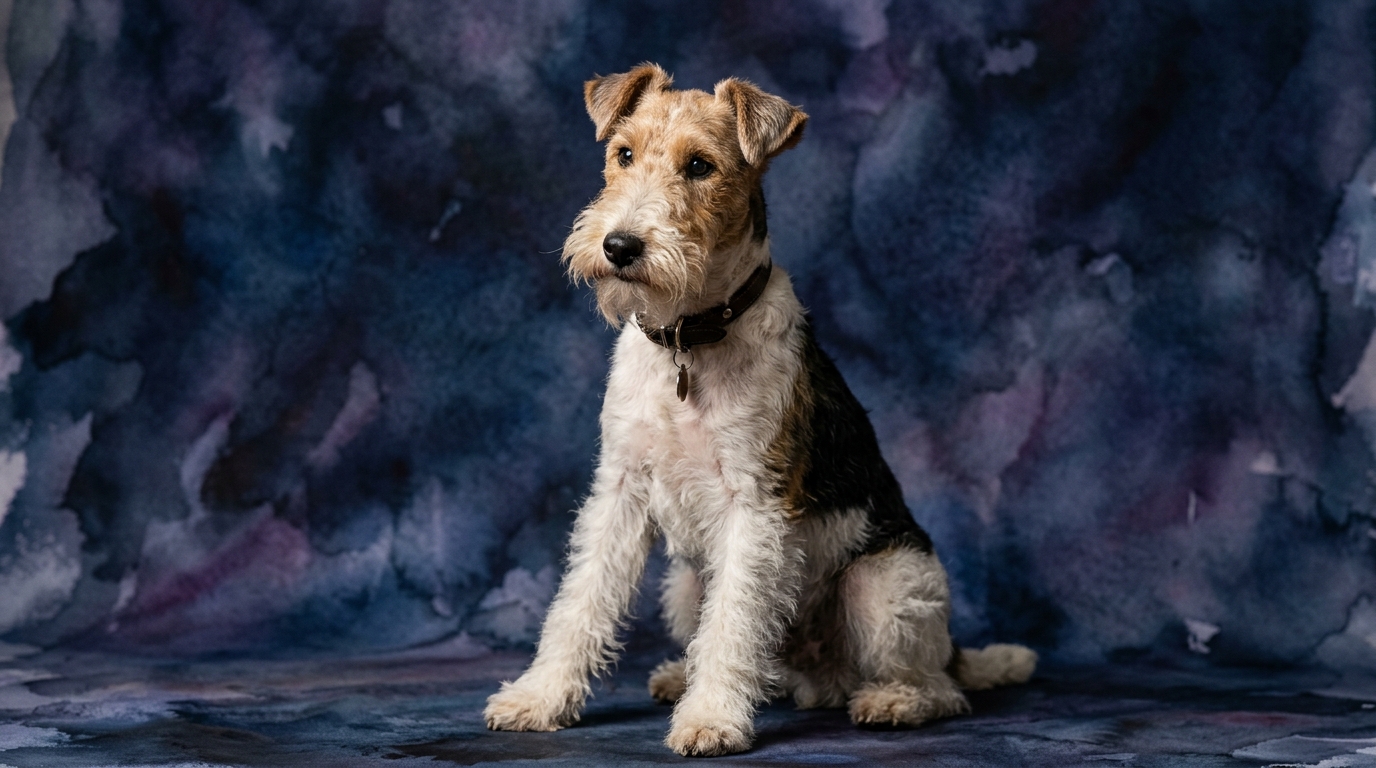
The Wire Fox Terrier, a tenacious Terrier, though not Coren-ranked, shows a different cognitive blueprint. Their Problem Solving is 3/5, characterized by a persistent, hands-on approach to overcoming obstacles, often involving clever manipulation or determined digging to achieve a goal. Training Speed is 3/5; they are generally quick to grasp new commands and enjoy engaging in varied learning activities, though their spirited independence can sometimes manifest as stubbornness. Social Intelligence is 3/5, as they are highly interactive and capable of charming their way into situations, keenly observing and responding to their human companions' moods. Instictive Drive is 3/5, encompassing a strong desire to explore, dig, and chase small prey, a broad and persistent curiosity about their environment. Memory is 3/5, showing good retention for learned behaviors and environmental details, remembering both positive and negative outcomes to inform future actions.
Where the Greyhound Wins Cognitively
The Greyhound's cognitive prowess shines brightest in environments demanding rapid visual processing and exceptional spatial reasoning over vast distances. Their 5/5 instinctive drive for pursuit means their brains are exquisitely wired for scanning horizons, predicting the trajectory of moving objects, and calculating the most efficient intercept course. This isn't just about speed; it's about a highly specialized form of intelligence that integrates visual input with an innate understanding of physics and aerodynamics, allowing them to make split-second decisions in a high-stakes chase.
Beyond the chase, Greyhounds demonstrate a subtle, quiet form of observational intelligence. Their reserved nature allows them to absorb their surroundings with remarkable calm, often noticing changes or patterns that more boisterous breeds might overlook. This manifests as an intuitive understanding of household routines and the emotional states of their human companions, often expressed through gentle nudges or a quiet presence rather than overt displays. Their efficiency extends to energy conservation, making them masters of the '45 mph couch potato' lifestyle, a testament to their ability to switch between intense focus and profound relaxation.
Where the Wire Fox Terrier Wins Cognitively
The Wire Fox Terrier excels in tenacious, multi-sensory problem-solving, particularly when a challenge requires persistence and ingenuity. With a 3/5 problem-solving rating, their minds are geared towards unraveling mysteries and overcoming physical barriers, often employing a combination of digging, pushing, and strategic maneuvering to achieve their goals. Their terrier heritage imbues them with a relentless drive to investigate and conquer, making them adept at tasks that require sustained effort and a willingness to try multiple approaches until success is achieved.
Furthermore, the Wire Fox Terrier's cognitive strengths lie in their adaptability and strategic engagement with their immediate environment. Their instinctive drive, while not as singularly focused as the Greyhound's, is broad and persistent, encouraging constant interaction and exploration. This translates into a resourceful intelligence where they quickly learn which actions yield desired outcomes, whether it's manipulating a puzzle toy, finding a hidden treat, or convincing a human to play. Their vocalizations and expressive body language also demonstrate a sophisticated social intelligence for communicating their desires and needs.
Which is Easier to Train and Why?
When it comes to ease of training, the Wire Fox Terrier generally holds an edge over the Greyhound, primarily due to their higher training speed rating of 3/5 compared to the Greyhound's 2/5. Wire Fox Terriers possess an inherent eagerness to engage and a curiosity that makes them more receptive to varied training techniques and mental stimulation. While they can exhibit a stubborn streak characteristic of their terrier lineage, their desire to participate and their quick grasp of concepts often makes for a more responsive training partner, especially with positive reinforcement and engaging, game-like sessions.
Greyhounds, conversely, often require a more nuanced and patient approach to training. Their lower training speed doesn't imply a lack of capacity, but rather a discerning independence and a strong focus on their innate motivations, particularly their powerful prey drive. They are not typically driven by an overwhelming desire to please in the same way some breeds are, meaning trainers must find strong, consistent motivators that resonate with the Greyhound's specific interests. While they can learn a wide array of commands and behaviors, the process often demands a deeper understanding of their unique personality and a commitment to reward-based methods that make learning intrinsically rewarding for them.
Which Suits Active Owners vs. Relaxed Owners?
For owners seeking a companion for constant, varied activity and mental engagement, the Wire Fox Terrier is the more suitable choice. Their robust energy levels and persistent instinctive drive necessitate regular, stimulating physical exercise, such as long walks, hikes, or participation in dog sports like agility or earthdog trials. They thrive when given tasks to do and puzzles to solve, making them ideal for individuals who enjoy an active lifestyle and are prepared to match their dog's zest for adventure and exploration. A Wire Fox Terrier will appreciate an owner who is as engaged and curious as they are.
The Greyhound, despite its reputation for speed, surprisingly often suits more relaxed owners, particularly those who appreciate calm companionship indoors. While they require access to a secure, enclosed space for exhilarating bursts of running to satisfy their intense instinctive drive, they are famous for their '45 mph couch potato' persona, content to lounge and nap for much of the day. This makes them an excellent fit for owners who enjoy a quiet home life but can commit to providing those essential, high-intensity exercise sessions, rather than constant, moderate activity. They are not typically suited for owners seeking a jogging partner or a dog for sustained, long-duration activities.
The Verdict
Choose the Greyhound if you seek an elegant, quiet companion who thrives on deep, calm bonds and needs intense, short bursts of running, provided you understand their unique prey drive.
Opt for the Wire Fox Terrier if you desire a lively, inquisitive partner for daily adventures, dog sports, and consistent mental engagement, appreciating their bold, tenacious spirit.
🧠 Find Your Pet's IQ Score
Our Pet IQ Lab assessment covers 25+ tests across 5 cognitive dimensions — personalized to your breed.
Take the Full IQ Test →Frequently Asked Questions
Are Greyhounds truly lazy or just calm indoors?
Greyhounds are often calm and enjoy lounging indoors, earning them the '45 mph couch potato' moniker. However, this tranquility is balanced by a profound need for short, intense bursts of running in a safe, enclosed area to satisfy their instinctive drive; they aren't lazy, but rather conserve energy efficiently.
Do Wire Fox Terriers need a lot of mental stimulation?
Absolutely, Wire Fox Terriers thrive on mental challenges and engagement. Their problem-solving acumen and tenacious nature mean they bore easily without consistent training, puzzle toys, and varied activities, which can lead to destructive behaviors if unmet.
How do their social needs differ?
Greyhounds tend to be more reserved, forming deep bonds with their immediate family but often aloof with strangers, requiring gentle introductions. Wire Fox Terriers are generally more outgoing and boisterous, readily engaging with new people and situations, though their strong personalities might require early socialization to prevent bossiness.