Side-by-Side Cognitive Profiles at The Cosmic Pet Pet IQ Lab
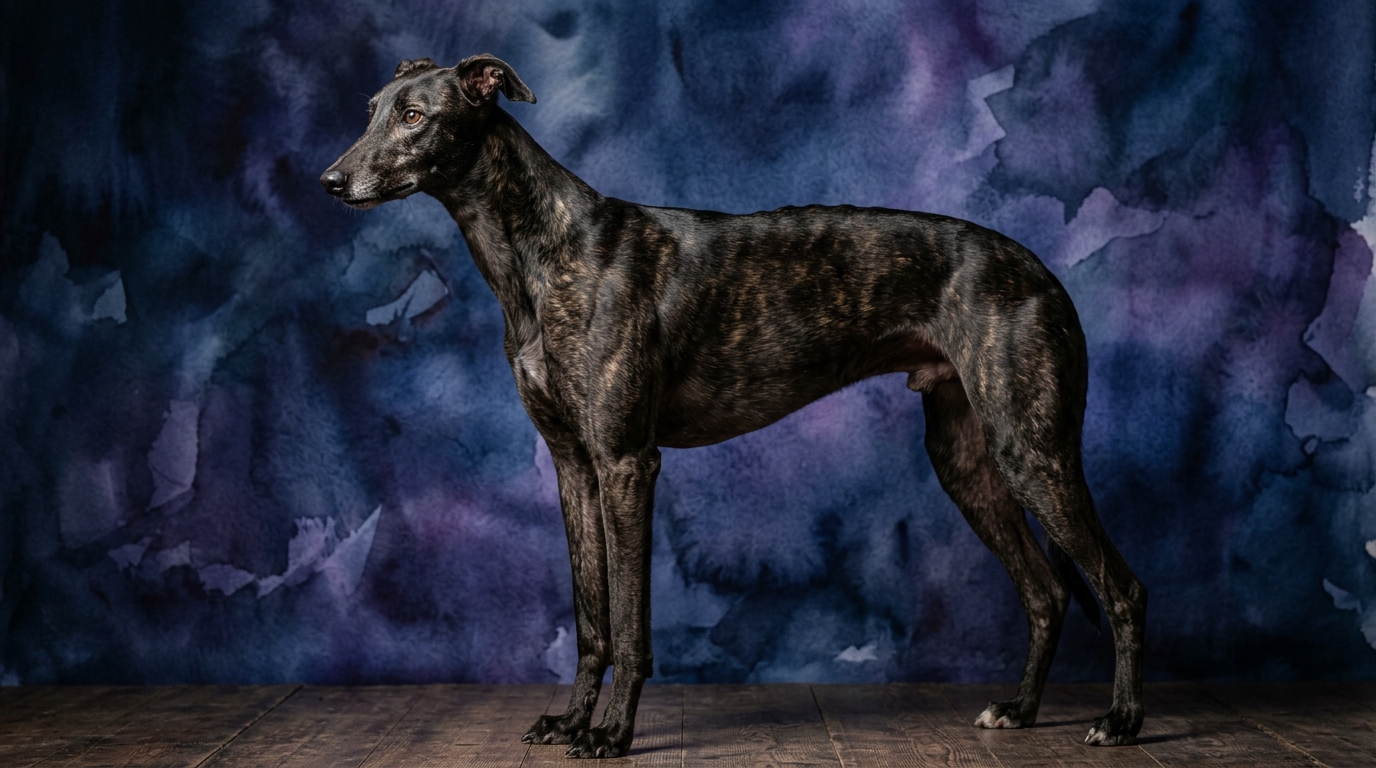
At The Cosmic Pet Pet IQ Lab, we evaluate canine cognition across five key dimensions, offering a nuanced understanding of each breed’s mental landscape. The Greyhound, a breed Coren-ranked at #46, presents a profile honed for speed and visual pursuit. Its Problem Solving is rated 3/5, indicating an ability to navigate physical challenges efficiently, especially those related to securing a visual target. Training Speed, at 2/5, suggests they learn, but often at their own pace, requiring motivation tailored to their natural instincts. Social Intelligence scores 3/5, reflecting an understanding of human cues while maintaining a degree of independence. Their Instinctive Drive is a remarkable 5/5, a testament to their unparalleled drive for the chase, making them masters of visual tracking and rapid acceleration. Memory stands at 3/5, sufficient for routines and recognizing familiar faces and environments.
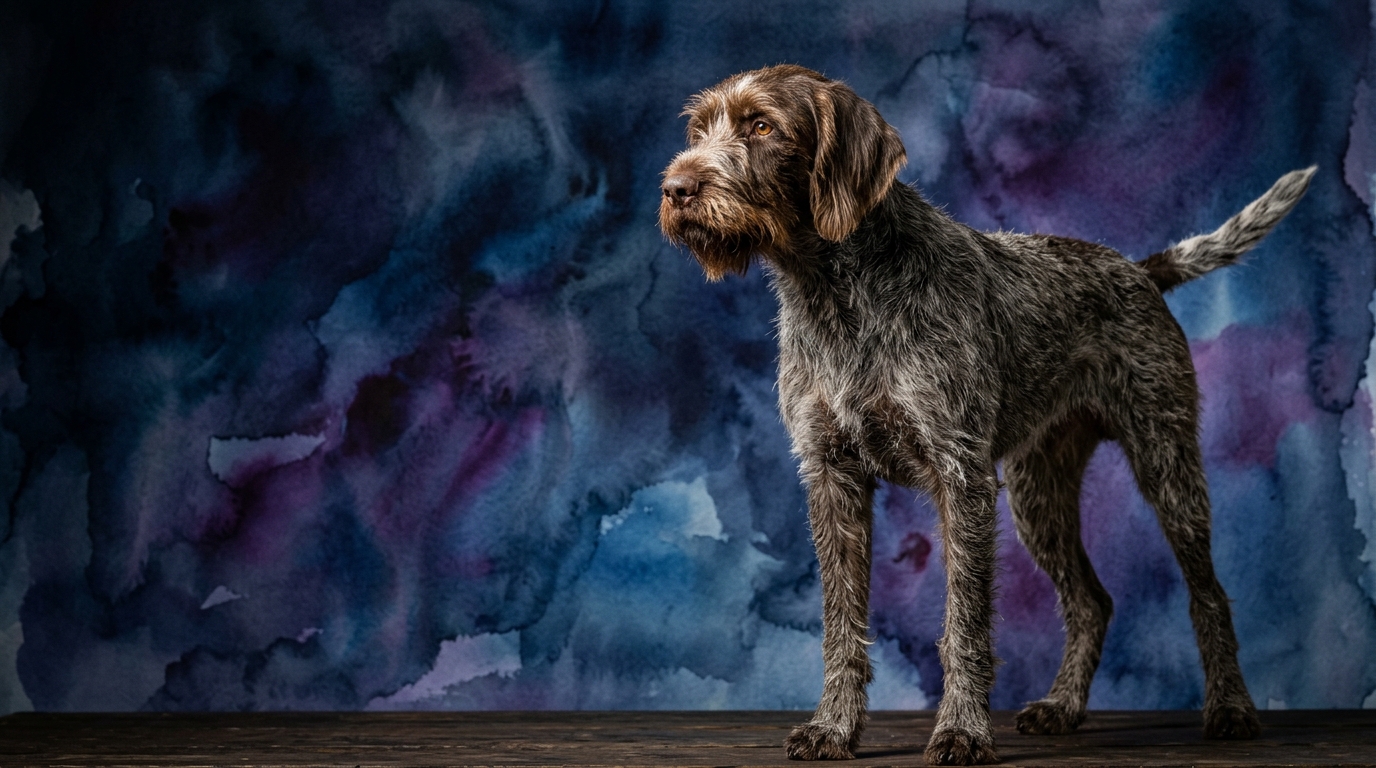
In contrast, the Wirehaired Pointing Griffon (WPG), though not Coren-ranked, showcases a balanced intellect geared towards cooperative hunting. Its Problem Solving is also 3/5, demonstrating aptitude in tasks involving scent work, flushing game, and retrieval, demanding spatial awareness and sequential thinking in varied terrains. The WPG’s Training Speed is 3/5, indicating a generally receptive and willing learner, eager to engage with their handler. Social Intelligence matches the Greyhound at 3/5, reflecting their strong cooperative bond with humans in the field. Their Instinctive Drive is 3/5, a controlled and versatile drive encompassing pointing, flushing, and retrieving, designed for partnership rather than solitary pursuit. Memory for the WPG is also 3/5, allowing them to retain complex field commands and navigate familiar hunting grounds with precision.
Where the Greyhound Excels Cognitively
The Greyhound's cognitive prowess shines brightest in arenas demanding explosive speed and an unyielding pursuit drive. Their Instinctive Drive, rated a perfect 5/5, is not just about physical speed; it’s a deeply integrated cognitive function. This drive translates into an exceptional ability to process visual stimuli at high velocities, making instant, precise decisions about trajectory and obstacle avoidance during a chase. Their Problem Solving (3/5) is uniquely adapted to finding the most efficient, fastest route to a perceived target, whether it's a lure on a track or a squirrel across a field. This isn't about complex puzzle-solving, but rather about dynamic spatial reasoning and predictive movement. They demonstrate a remarkable capacity for 'flow state' cognition, where their entire focus is dedicated to the chase, blocking out distractions and executing a perfectly coordinated physical and mental effort. Their memory (3/5) is strong for the layout of familiar running spaces and the routines associated with their exercise, allowing them to anticipate and prepare for their cherished sprints. This breed's intelligence is a finely tuned instrument for rapid, instinct-driven action, making them unparalleled in their specific niche of visual hunting.
Where the Wirehaired Pointing Griffon Excels Cognitively
The Wirehaired Pointing Griffon's cognitive strengths lie in its balanced, cooperative intelligence, designed for intricate field work. Their Problem Solving (3/5) manifests in a highly versatile manner, enabling them to systematically quarter a field, interpret scent trails, pinpoint game, and retrieve on command. This requires a nuanced understanding of multi-step processes and environmental cues, far beyond simple pursuit. Their superior Training Speed (3/5) compared to the Greyhound is a critical cognitive advantage, allowing them to quickly grasp and reliably execute a wide array of commands essential for hunting, such as 'whoa,' 'fetch,' and 'seek.' This responsiveness isn't merely obedience; it's an active partnership, reflecting their keen Social Intelligence (3/5) where they actively seek to understand and collaborate with their handler. The WPG’s Instinctive Drive (3/5) is less about raw, unbridled chase and more about controlled, purposeful application of their hunting abilities. They excel at integrating various sensory inputs – scent, sight, sound – to achieve a specific, collaborative goal. This makes them adept at adapting to different hunting scenarios and learning complex sequences of tasks, showcasing a robust, adaptable working mind.
Which Breed is Easier to Train and Why
When considering ease of training, the Wirehaired Pointing Griffon generally presents a more straightforward path for the average owner. Their Training Speed of 3/5 reflects a keen willingness to engage and learn from their human companions. WPGs were selectively bred to work closely with hunters, meaning they possess an inherent desire to please and a high degree of biddability. They respond well to positive reinforcement, quickly connecting actions with rewards, and are often eager for the next lesson. Their balanced Instinctive Drive (3/5) is designed to be channeled and directed, making it easier to integrate their natural hunting behaviors into structured commands.
Conversely, the Greyhound, with a Training Speed of 2/5, can be more challenging for those unfamiliar with sighthound motivations. While intelligent, their independence and profound Instinctive Drive (5/5) for chase mean their focus is often on perceived prey rather than human directives. They can learn commands, but their motivation often needs to be rooted in something that appeals to their core instincts, such as a chance to run, or significant food rewards. They are less inherently 'eager to please' in the traditional sense and require patience, consistency, and a deep understanding of their unique behavioral drivers. Training a Greyhound often involves managing their powerful prey drive in real-world scenarios, making recall training particularly critical and demanding.
Which Suits Active Owners vs. Relaxed Owners
The distinction in instinctive drives and training profiles profoundly influences which breed aligns better with different owner lifestyles. The Wirehaired Pointing Griffon, with its balanced Instinctive Drive (3/5) and higher Training Speed (3/5), is an ideal companion for active owners who relish structured outdoor activities and mental engagement. WPGs thrive when given a 'job' – whether it's field training, agility, scent work, or extensive hiking. Their cognitive makeup demands consistent mental stimulation and physical exercise that taps into their working dog heritage. An owner who enjoys teaching new skills, participating in dog sports, or spending extended periods outdoors will find the WPG an enthusiastic and capable partner.
The Greyhound, despite its powerful Instinctive Drive (5/5) for sprinting, often surprises owners with its 'couch potato' demeanor indoors. This breed suits owners who can provide safe, ample opportunities for short, intense bursts of running in a securely fenced area, followed by long periods of rest and quiet companionship. While they need their sprints, they are not typically high-stamina dogs for continuous, long-duration exercise like a WPG. A relaxed owner who appreciates a calm, dignified indoor presence but understands the critical need for a proper outlet for their dog's profound chase instinct will find a Greyhound to be a wonderful fit. They don't demand constant mental puzzles but do require specific physical outlets.
The Verdict
Choose a Greyhound if you admire unparalleled athletic instinct and seek a calm, gentle companion indoors, provided you can safely satisfy their powerful, albeit brief, need for high-speed running.
Opt for a Wirehaired Pointing Griffon if you desire an engaged, versatile partner for outdoor adventures and enjoy consistent training to channel their cooperative working intelligence.
🧠 Find Your Pet's IQ Score
Our Pet IQ Lab assessment covers 25+ tests across 5 cognitive dimensions — personalized to your breed.
Take the Full IQ Test →Frequently Asked Questions
Do Greyhounds and Wirehaired Pointing Griffons get along with other pets?
Greyhounds, due to their strong prey drive, require careful introductions to smaller pets like cats or rabbits, and supervision. Wirehaired Pointing Griffons generally adapt well to other dogs and can coexist with cats if raised together, though their hunting instincts may emerge with small prey.
What kind of mental stimulation do these breeds need?
Greyhounds benefit from mental activities that engage their visual tracking and problem-solving related to movement, like lure coursing. Wirehaired Pointing Griffons thrive on scent work, puzzle toys, and learning new commands that challenge their cooperative problem-solving abilities.
Are Greyhounds or Wirehaired Pointing Griffons better for first-time dog owners?
The Wirehaired Pointing Griffon, with its higher training speed and cooperative nature, is generally more forgiving for a first-time owner willing to commit to regular training and activity. Greyhounds, while gentle, require an owner who understands and can manage their unique prey drive and exercise needs.