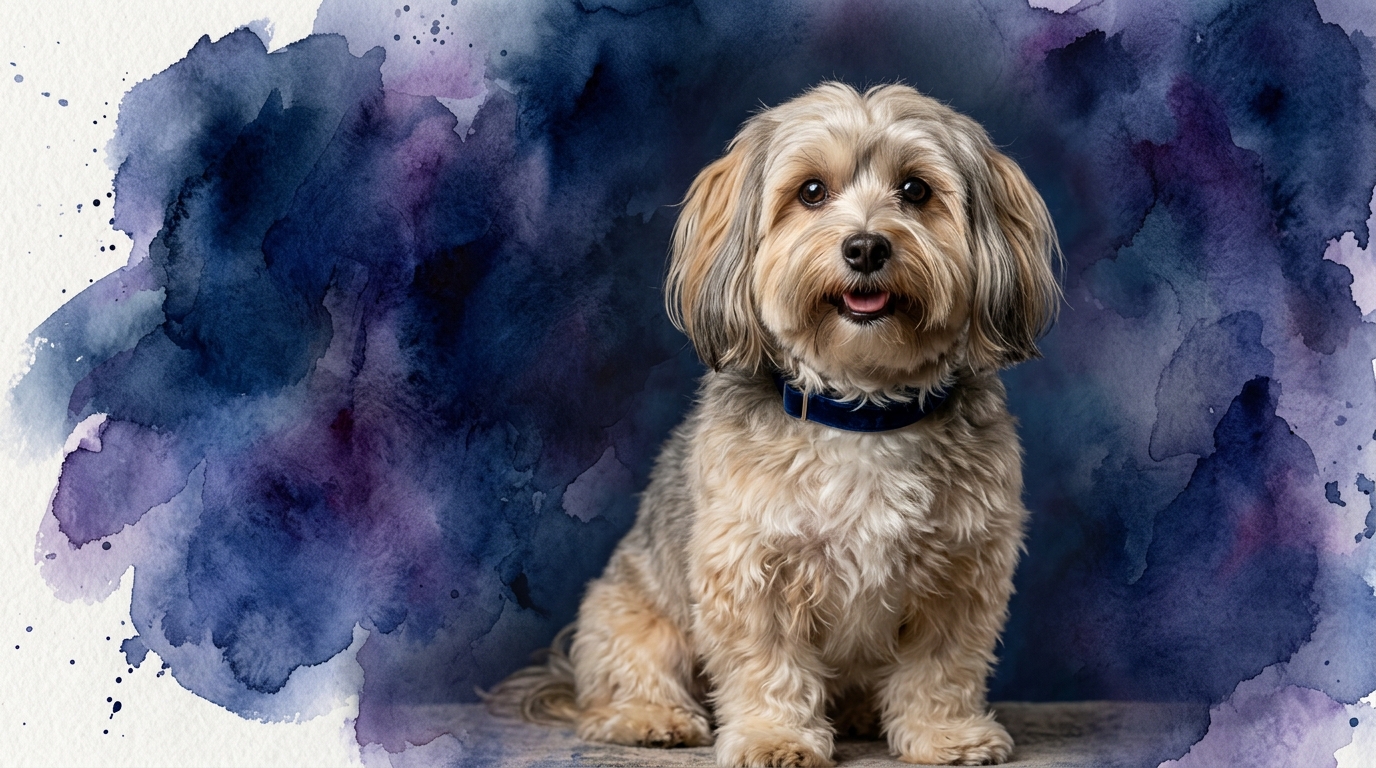
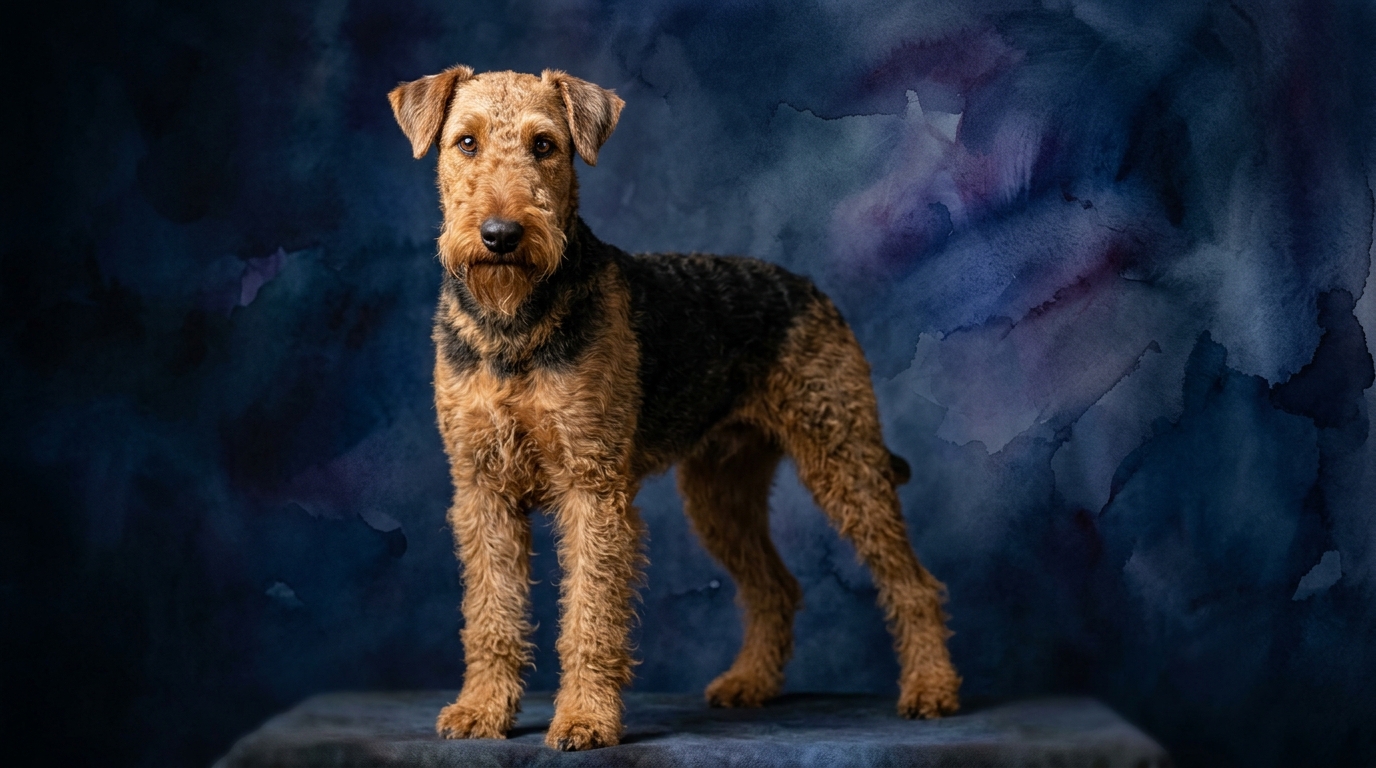
Side-by-Side IQ Profile: Havanese vs. Airedale Terrier
The Cosmic Pet Pet IQ Lab employs five key dimensions to map a breed's cognitive blueprint. For the Havanese, a Toy breed, we observe a nuanced profile: Problem Solving at 3/5, Training Speed at 3/5, Social Intelligence at an outstanding 5/5, Instinctive Drive at 2/5, and Memory at 3/5. This suggests a dog adept at navigating its immediate environment and profoundly connected to its human companions.
In contrast, the Airedale Terrier, a breed from the Terrier group, presents a different set of strengths, reflected in its Coren rank of #29. Its Problem Solving scores 4/5, Training Speed 4/5, Social Intelligence 3/5, Instinctive Drive 3/5, and Memory 4/5. This profile points to a dog with a robust capacity for learning complex tasks and retaining information, coupled with a moderate drive for independent action.
Breaking down the Havanese scores, their 3/5 in Problem Solving indicates a capacity to figure out puzzles or navigate minor obstacles within their domestic sphere, but perhaps less inclination for complex, multi-step challenges. A Training Speed of 3/5 means they learn new cues at a steady, manageable pace, requiring consistent but not overly repetitive effort. Their exceptional 5/5 in Social Intelligence highlights an unparalleled ability to read human emotions, intentions, and social cues, making them deeply empathetic companions. An Instinctive Drive of 2/5 suggests a low propensity for independent hunting or guarding behaviors, preferring close human interaction. Finally, a Memory score of 3/5 means they retain routines and learned behaviors reliably.
For the Airedale Terrier, a 4/5 in Problem Solving signifies a strong aptitude for working through challenges, whether it's figuring out how to open a gate or solving a scent puzzle. Their 4/5 Training Speed indicates they grasp new commands relatively quickly, making them responsive to structured learning. A Social Intelligence of 3/5 suggests they are capable of forming strong bonds and understanding human communication, though perhaps not with the same nuanced emotional attunement as the Havanese; their social interactions are often more partnership-oriented. An Instinctive Drive of 3/5 reflects their terrier heritage, indicating a moderate drive for chasing, digging, or independent exploration. A Memory score of 4/5 means they excel at recalling sequences of commands and past experiences, benefiting from consistent training reinforcement.
Where the Havanese Excels Cognitively
The Havanese truly shines in the realm of social intelligence, scoring a remarkable 5 out of 5. This isn't merely about being friendly; it signifies a profound capacity for emotional perception and nuanced communication with humans. A Havanese can often anticipate a change in mood, offer comfort proactively, or subtly communicate their needs through body language and vocalizations that are easily understood by their family.
This elevated social understanding translates into an exceptional ability to integrate seamlessly into family dynamics. They excel at reading facial expressions, interpreting tone of voice, and adapting their behavior to suit the social context, making them incredibly intuitive companions. While their problem-solving and training speed are moderate, their social acumen allows them to navigate complex human relationships with grace, often appearing to 'know' what their owner needs or feels without explicit instruction. This deep emotional connection and responsive nature are the hallmarks of the Havanese's cognitive superiority in their specific niche.
Where the Airedale Terrier Excels Cognitively
The Airedale Terrier's cognitive strengths lean towards practical application and independent thought, evident in its higher scores for Problem Solving (4/5), Training Speed (4/5), and Memory (4/5). This breed demonstrates a more robust capacity for analytical thinking and strategic action compared to the Havanese. They are adept at figuring out how to achieve a goal, whether it's retrieving a hidden toy or navigating an agility course with minimal guidance.
Their enhanced training speed means they pick up new commands and complex sequences relatively quickly, making them excellent candidates for advanced obedience, dog sports, or specific working roles. The Airedale's memory score of 4/5 complements this, allowing them to retain a vast repertoire of learned behaviors and experiences over time, ensuring consistency in performance. Furthermore, their instinctive drive of 3/5, while not overwhelming, provides a baseline motivation for engaging with tasks and exploring their environment, contributing to their capacity for independent work and persistence in challenges. This combination of attributes positions the Airedale as a capable and adaptable learner, particularly when tasks require a blend of physical and mental engagement.
Training Dynamics: Havanese vs. Airedale Terrier
When considering ease of training, the distinction lies in the *type* of training. The Havanese, with its 5/5 social intelligence and 3/5 training speed, often responds best to positive reinforcement methods deeply rooted in relationship building. They are eager to please and highly motivated by human approval, making them receptive to learning house manners, polite greetings, and emotional support tasks. Their training might feel 'easier' in the sense that they are highly attuned to their handler's desires, even if complex obedience takes a steady pace. However, their lower instinctive drive means they might lack the inherent motivation for repetitive, task-oriented drills unless made into a fun, social interaction.
The Airedale Terrier, with its 4/5 training speed, 4/5 problem-solving, and 4/5 memory, typically excels in more structured and varied training regimens. They grasp complex commands and multi-step tasks efficiently, making them suitable for competitive obedience, agility, or working trials. Their higher instinctive drive (3/5) means they benefit from clear objectives and engaging challenges to channel their energy constructively. While they form strong bonds, their motivation often comes from the task itself and the satisfaction of solving a problem, requiring a trainer who can consistently provide mental stimulation and clear direction to prevent boredom or an independent streak from emerging. Training an Airedale requires a more active, directive approach to harness their working potential effectively.
Ideal Owners: Active vs. Relaxed Lifestyles
The cognitive profiles of these two breeds naturally align with different owner lifestyles. A Havanese, with its superior social intelligence and moderate activity requirements, is an excellent match for owners seeking a deeply connected, emotionally responsive companion. They thrive in environments where they receive ample human interaction, enjoy gentle strolls, and participate in family activities from the comfort of a lap or nearby. Their lower instinctive drive and moderate problem-solving mean they are generally content with a more relaxed pace, making them suitable for individuals or families who prioritize companionship and emotional connection over strenuous physical activity or complex training goals. They are often ideal for owners who enjoy quiet evenings and want a dog that is highly attuned to their emotional state.
Conversely, the Airedale Terrier, with its robust problem-solving, faster training speed, and higher instinctive drive, is better suited for active owners who can provide consistent mental and physical engagement. These dogs flourish with structured training, regular exercise that includes varied activities like hiking or running, and opportunities to engage their problem-solving abilities through puzzles or dog sports. Owners who appreciate a dog with an independent streak and a strong work ethic will find the Airedale a rewarding partner. They require an owner willing to invest time in consistent training and enrichment to channel their cognitive and physical energy effectively, preventing boredom and potential mischief. An Airedale thrives with an owner who enjoys an active, engaged partnership and can provide stimulating outlets for their inherent drive and intelligence.
The Verdict: When to Choose Each Breed
The Verdict
Choose a Havanese if you prioritize an emotionally intuitive, highly social companion who thrives on deep personal connection and offers comfort through their exceptional understanding of human cues.
Opt for an Airedale Terrier if you desire a capable, task-oriented partner who excels in structured training, enjoys physical and mental challenges, and thrives with an active, engaging owner.
🧠 Find Your Pet's IQ Score
Our Pet IQ Lab assessment covers 25+ tests across 5 cognitive dimensions — personalized to your breed.
Take the Full IQ Test →Frequently Asked Questions
Is the Havanese difficult to train due to its Toy breed status?
Not necessarily difficult, but their training style differs. Havanese have a moderate training speed (3/5) and a high social intelligence (5/5), meaning they respond well to positive reinforcement and relationship-based methods, though complex obedience may take steady, patient repetition rather than rapid acquisition.
Does the Airedale Terrier's instinctive drive make it hard to manage?
The Airedale's instinctive drive (3/5) is moderate, reflecting their working heritage. It means they benefit from consistent training and mental stimulation to channel their natural tendencies like chasing or exploring. With proper guidance and engagement, this drive becomes an asset for task-oriented activities, not a management challenge.
Which breed is better for a first-time dog owner?
A Havanese might be more forgiving for a first-time owner due to their high social intelligence and lower instinctive drive, making them generally easier to integrate into a relaxed household. An Airedale requires a more experienced owner prepared to commit to consistent, structured training and provide ample mental and physical stimulation to manage their higher problem-solving and drive.