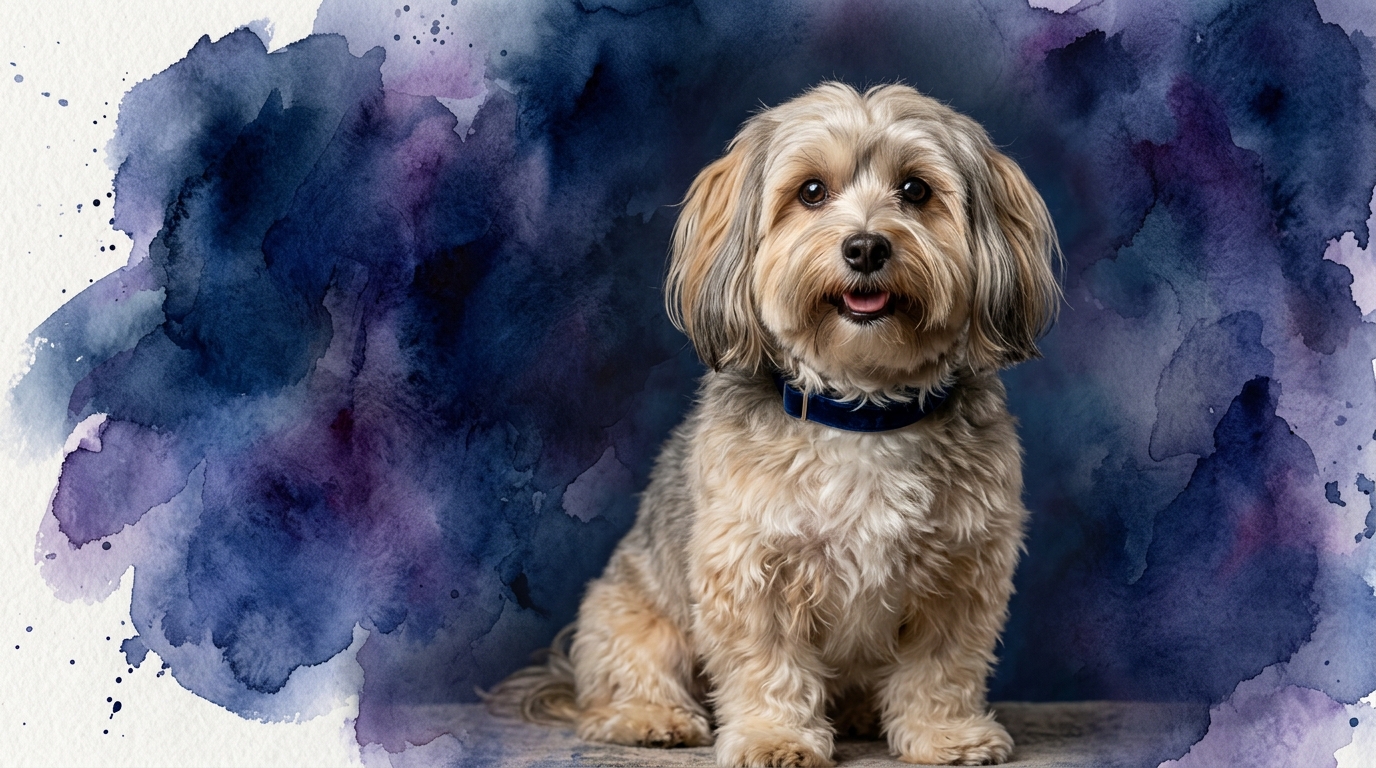
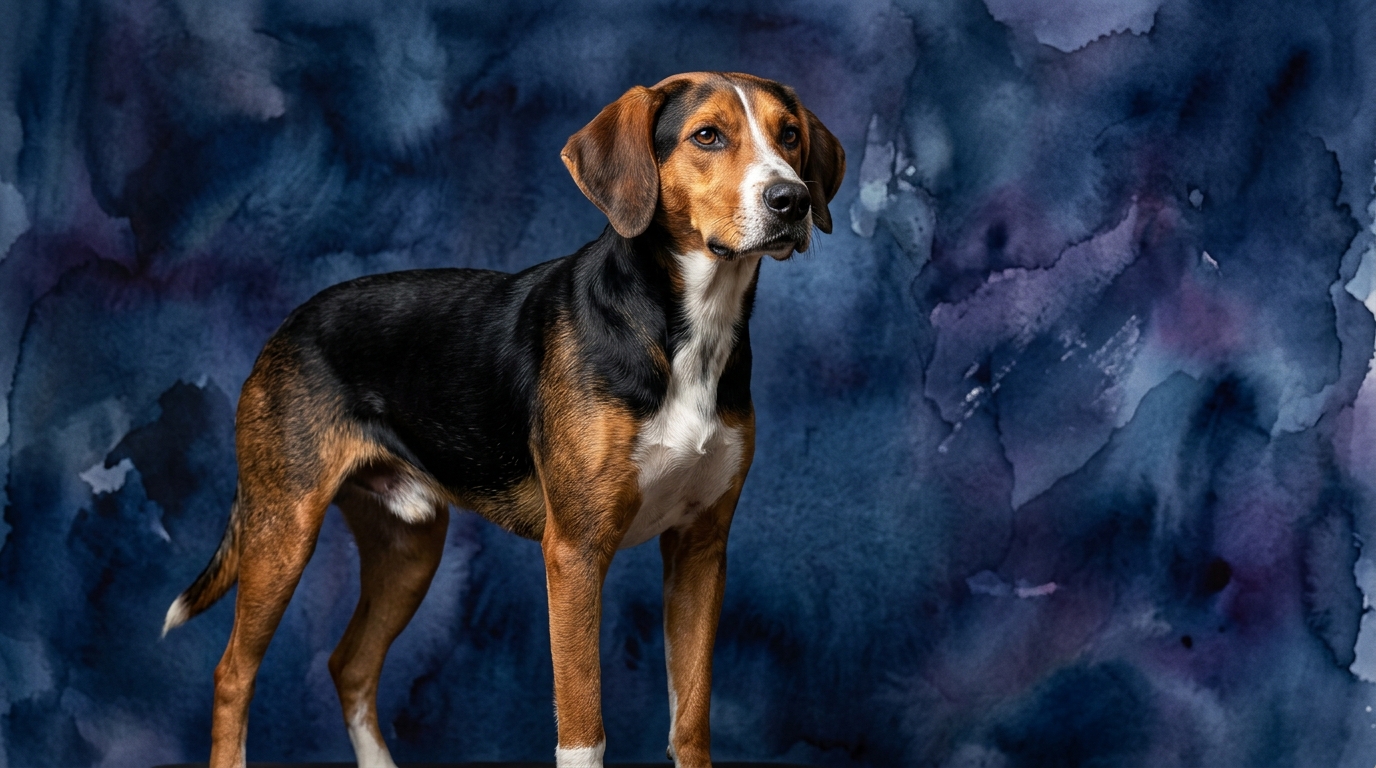
Side-by-Side IQ Profile: Havanese vs. American Foxhound
The Cosmic Pet Pet IQ Lab employs a five-dimensional framework to assess canine intelligence, moving beyond simplistic notions of 'smartness' to evaluate specific cognitive strengths. While both the Havanese and the American Foxhound are not ranked by Coren, our proprietary metrics offer a detailed look into their individual capabilities.
The Havanese, a delightful Toy breed, presents a balanced cognitive profile with an exceptional aptitude for social interaction. Their Problem Solving is rated at 3/5, indicating a moderate capacity to navigate new situations or puzzles, often seeking human assistance. Training Speed also stands at 3/5, suggesting they learn commands at an average pace, responding well to consistent, positive reinforcement. Where the Havanese truly excels is in Social Intelligence, scoring a perfect 5/5; this breed possesses an unparalleled ability to read and respond to human emotions, intentions, and social cues, making them highly attuned companions. Their Instinctive Drive is lower at 2/5, meaning they have less inherent inclination towards independent hunting, herding, or guarding tasks. Finally, their Memory is rated 3/5, indicating an average ability to recall learned behaviors and routines.
In contrast, the American Foxhound, a sturdy Hound breed, displays a profile shaped by its working heritage. Their Problem Solving also registers at 3/5, where their approach often involves following scent trails rather than abstract reasoning to overcome obstacles. Training Speed matches the Havanese at 3/5, but this can be influenced by their independent nature and strong olfactory focus. Social Intelligence for the American Foxhound is 3/5; while capable of forming bonds, they are generally less focused on nuanced human emotional states and more on their environment or the task at hand. Their Instinctive Drive is 3/5, a moderate but significant score reflecting their powerful innate drive for scent tracking and trailing, demanding outlets for this natural behavior. Their Memory, like the Havanese, is 3/5, meaning they possess an average capacity for recall, though their strong instincts can sometimes override learned commands when a compelling scent is present.
Where the Havanese Shines Cognitively
The Havanese demonstrates a clear cognitive advantage in the realm of Social Intelligence, achieving a top score of 5/5 compared to the American Foxhound's 3/5. This isn't merely about being friendly; it reflects a sophisticated ability to interpret human body language, vocal tones, and even subtle shifts in mood. A Havanese can often anticipate their owner's desires or emotional state, offering comfort or seeking attention precisely when needed. This acute social awareness means they are highly adaptable to family dynamics, understanding household routines and individual preferences with remarkable ease. They learn quickly how to 'work' their humans, using their charm and expressive nature to elicit desired responses, which is a testament to their advanced social problem-solving in a human-centric environment. Their ability to form deep, empathetic connections makes them exceptional therapeutic animals and loyal companions, thriving on the intricate dance of human-canine interaction.
Where the American Foxhound Excels Cognitively
While both breeds share identical Problem Solving and Training Speed scores, the American Foxhound's cognitive strengths are profoundly rooted in its Instinctive Drive, which stands at 3/5 compared to the Havanese's 2/5. This higher drive manifests as an unparalleled proficiency in olfactory processing and sustained focus on a task, specifically tracking. Their problem-solving isn't about solving a puzzle box for a treat; it's about methodically unraveling a complex scent trail across varied terrains, overcoming environmental distractions, and demonstrating incredible endurance to achieve a goal. This requires a unique blend of memory for scent profiles, sequential processing of information, and an unwavering persistence that borders on obsession. Their cognitive strength lies in their ability to filter out irrelevant sensory input to concentrate solely on the target scent, exhibiting a single-minded determination that is a hallmark of their breed. This specialized intelligence makes them exceptional working dogs in fields requiring scent detection, showcasing a different yet equally impressive form of cognitive prowess.
Trainability: Havanese vs. American Foxhound
Despite both breeds sharing a Training Speed score of 3/5, the practical experience of training a Havanese versus an American Foxhound can differ significantly, largely due to their disparate social intelligence and instinctive drives. The Havanese, with its superior Social Intelligence (5/5), is naturally more inclined to please its human companions. They are highly attuned to handler feedback, whether it's praise, a disapproving glance, or a shift in tone. This makes them generally more eager participants in training sessions, as they value the positive social interaction and approval. Their lower Instinctive Drive (2/5) also means fewer internal distractions from independent pursuits, allowing them to remain focused on the task at hand, making them relatively responsive to standard obedience commands and trick training.
The American Foxhound, while equally capable of learning at a moderate pace (Training Speed 3/5), presents a different set of challenges. Their Social Intelligence (3/5) is less human-focused; they are often more interested in their environment, particularly scents, than in earning human accolades. Their stronger Instinctive Drive (3/5) means they are inherently independent thinkers, bred to follow a scent trail for miles without human direction. This independence, combined with a powerful olfactory sense, makes them highly susceptible to environmental distractions. A compelling scent can quickly override any learned command, making recall particularly challenging in unfenced areas. Training an American Foxhound requires immense patience, consistency, and high-value rewards to compete with their natural instincts, often feeling more like negotiation than simple instruction. Owners must understand that their 'stubbornness' is often a manifestation of their strong, innate drives rather than a lack of cognitive capacity.
Matching Breeds to Lifestyles: Active vs. Relaxed Owners
The choice between a Havanese and an American Foxhound hinges significantly on an owner's lifestyle and their capacity to meet a breed's specific needs. The Havanese, while enjoying walks and playtime, is generally more adaptable to varied activity levels, making them suitable for both moderately active and more relaxed owners. Their small size and lower instinctive drive mean they can thrive in smaller living spaces, provided they receive consistent mental stimulation and social interaction. They are content with indoor games, short walks, and being a constant, affectionate presence. An owner seeking a devoted, emotionally responsive companion who is happy to curl up on the couch after a gentle stroll will find the Havanese an ideal match.
Conversely, the American Foxhound is undeniably suited for active owners. Their moderate instinctive drive and historical role as a hunting dog mean they possess significant stamina and a deep need for physical and mental engagement. They require extensive daily exercise, often several hours, including long runs, hikes, or dedicated scent work sessions to satisfy their powerful instincts. A relaxed owner who cannot commit to providing ample space and consistent vigorous activity will likely find an American Foxhound restless, vocal, and potentially destructive due to unchanneled energy and intellectual needs. They thrive in homes with large, securely fenced yards or with owners who enjoy outdoor adventures and can incorporate their dog into an active, stimulating routine, ideally involving opportunities for their exceptional nose to work.
The Verdict
Choose the Havanese if you desire an emotionally intelligent, highly adaptable companion who thrives on close human interaction and can fit comfortably into a variety of home environments.
Opt for the American Foxhound if you are an active, outdoor-oriented individual or family prepared to channel a powerful scent hound's instincts into rigorous exercise and engaging mental challenges.
🧠 Find Your Pet's IQ Score
Our Pet IQ Lab assessment covers 25+ tests across 5 cognitive dimensions — personalized to your breed.
Take the Full IQ Test →Frequently Asked Questions
Do Havanese and American Foxhounds learn at the same pace?
Both breeds have a Training Speed score of 3/5, suggesting they learn at a moderate pace. However, the Havanese's higher social intelligence often makes them more eager to please and attuned to human guidance, potentially making training feel smoother. The Foxhound's strong instinctive drive and independence can make them seem more challenging, requiring greater patience and consistent, high-value rewards to compete with their natural distractions.
How does social intelligence differ between these two breeds?
The Havanese boasts a 5/5 in Social Intelligence, indicating an exceptional ability to read human emotions and cues, forming deep, empathetic bonds. The American Foxhound scores 3/5, meaning they are capable of social interaction but are generally more independent and focused on their environment, especially scents, rather than the nuances of human emotional states.
Is one breed more prone to independent thinking than the other?
Yes, the American Foxhound is generally more prone to independent thinking due to its stronger Instinctive Drive (3/5) and historical role as a self-sufficient hunter. They are bred to make decisions on a scent trail without constant human direction. The Havanese, with a lower Instinctive Drive (2/5) and higher Social Intelligence, typically prefers to work collaboratively with humans and seeks guidance.