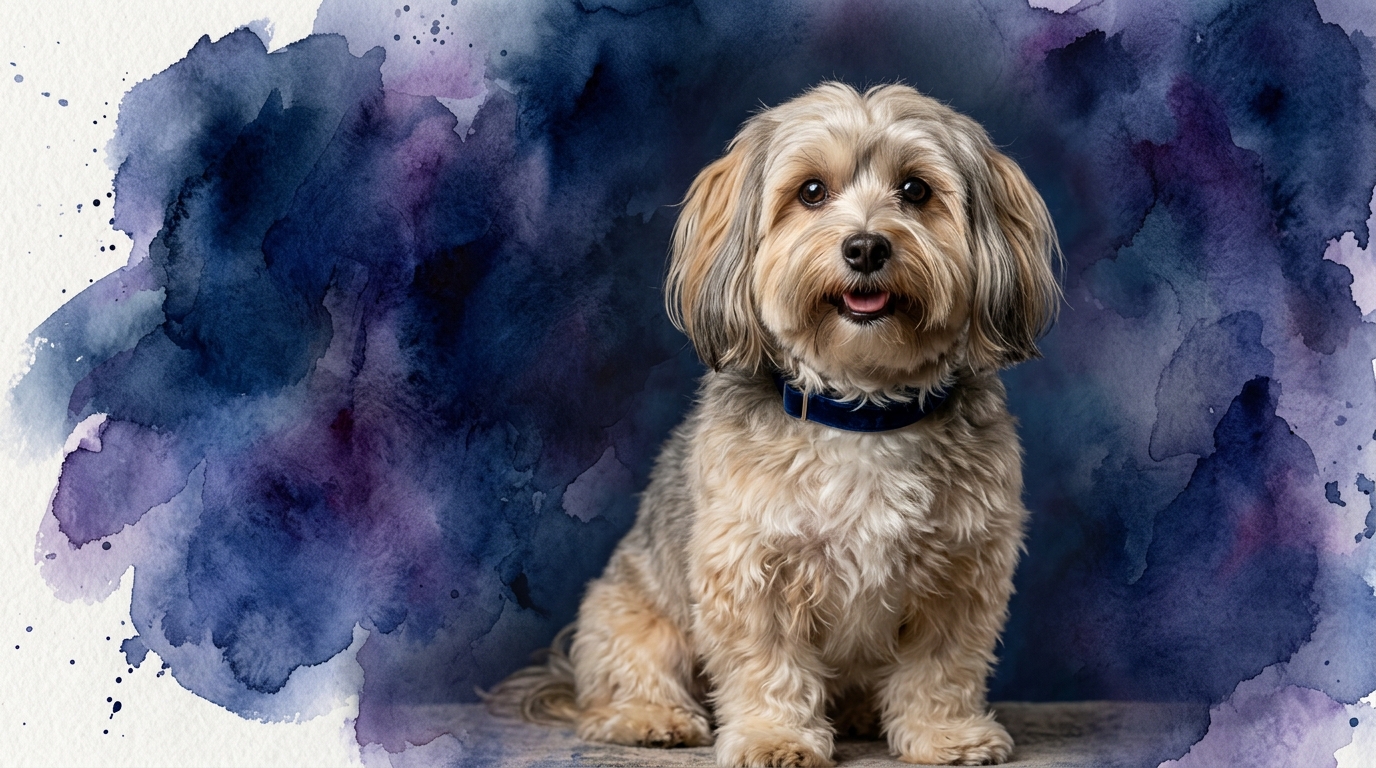
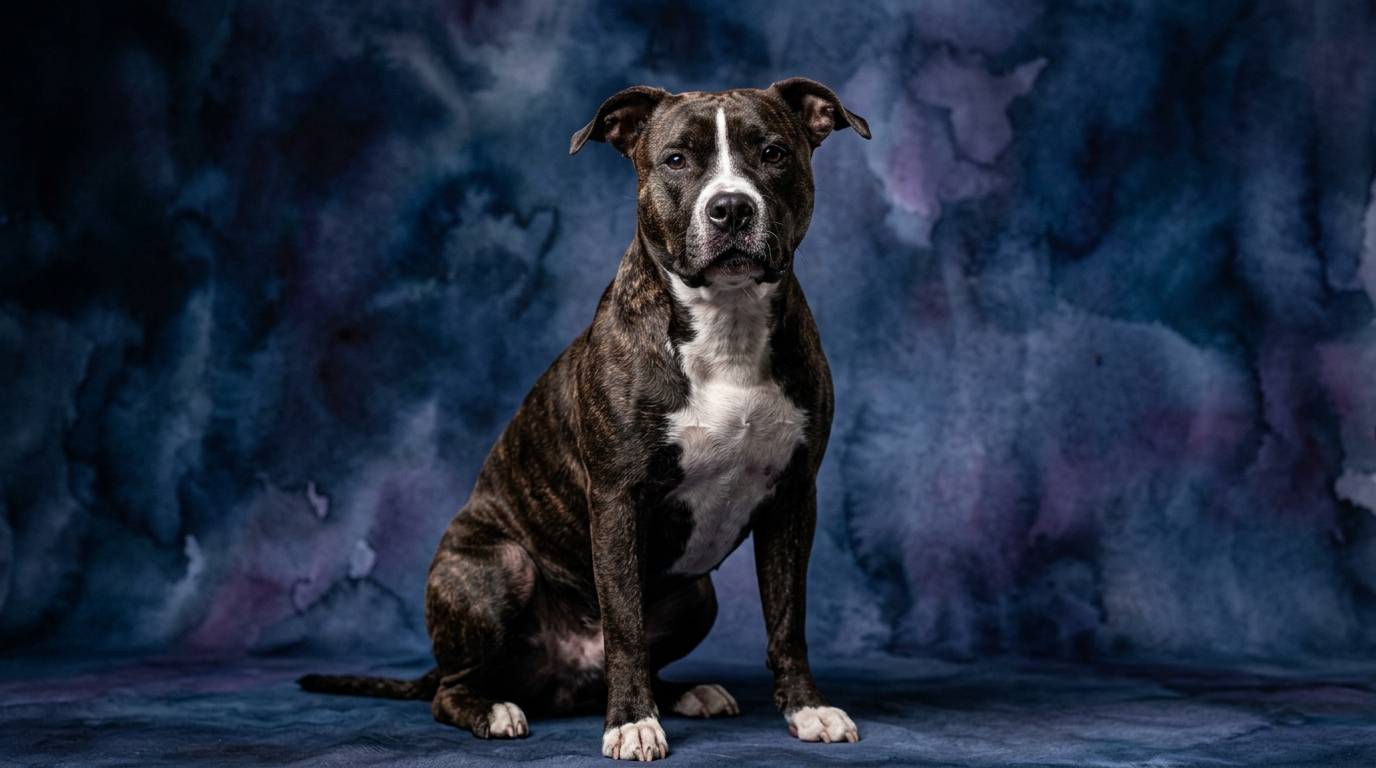
Side-by-Side IQ Profile: Havanese vs. American Staffordshire Terrier
The Havanese, a breed not appearing on the Coren ranking, showcases a balanced cognitive profile with an exceptional aptitude for social interaction. Their Problem Solving score is 3/5, indicating a capacity for navigating moderately complex environmental challenges, such as figuring out how to get a favorite toy from a tight spot or communicating a desire for a walk. Training Speed is also 3/5, meaning they learn new commands and routines at a consistent, steady pace, responding well to patient and positive reinforcement. Where the Havanese truly shines is in Social Intelligence, earning a perfect 5/5, demonstrating an extraordinary ability to read human emotions, understand subtle social cues, and form deep, empathetic bonds. Their Instinctive Drive is 2/5, suggesting a lower inherent motivation for traditional working tasks like hunting or guarding, while their Memory stands at 3/5, allowing them to adequately retain learned information and past experiences.
In contrast, the American Staffordshire Terrier, ranked #48 by Coren, presents a cognitive makeup that reflects its terrier heritage. Like the Havanese, their Problem Solving score is 3/5, indicating a similar capability for understanding and overcoming practical obstacles in their environment. Their Training Speed also rates 3/5, signifying a steady learning curve that requires clear communication and consistent methods. The AmStaff's Social Intelligence is 3/5, demonstrating a solid understanding of social dynamics and intentions, leading to strong attachments, though perhaps not with the same nuanced emotional sensitivity as the Havanese. Their Instinctive Drive is 3/5, a moderate score that suggests an inherent motivation for engaging with tasks and purposeful activities. A key distinction lies in their Memory, which is 4/5, indicating a stronger capacity for retaining complex commands, sequences, and past events with greater fidelity over time.
Where the Havanese Excels Cognitively
The Havanese's standout cognitive strength lies in their remarkable Social Intelligence, scoring an impressive 5/5. This isn't merely about being friendly; it reflects a sophisticated capacity to perceive and interpret human emotions, body language, and vocal tones with exceptional accuracy. A Havanese might intuitively offer comfort when detecting sadness in their owner, or adapt their playfulness based on the mood of the room, showcasing a profound empathetic understanding. This high social acumen makes them incredibly responsive to human interaction and deeply attuned to the nuances of their family's dynamics, fostering an almost intuitive connection that goes beyond basic obedience.
Furthermore, their lower Instinctive Drive (2/5) complements their social intelligence by making them less prone to independent pursuits that might distract from human interaction. Unlike breeds with strong prey drives or territorial instincts, the Havanese is generally more focused on their human companions, making them highly present and engaged in social exchanges. This combination of high social awareness and low distraction from external drives allows them to dedicate their cognitive resources to understanding and interacting within the human social sphere, solidifying their role as profoundly connected companions.
Where the American Staffordshire Terrier Holds the Cognitive Edge
The American Staffordshire Terrier's cognitive advantage is most evident in its Memory, rated at 4/5. This superior recall capability means AmStaffs are adept at retaining more complex sequences of commands, remembering specific rules within a household, and recalling past experiences with greater detail and longevity. This strong memory is a significant asset for advanced training, allowing them to master intricate tricks, multi-step tasks, or sports routines with a higher degree of consistency and less need for constant refreshing compared to breeds with lower memory scores. They can learn and apply intricate patterns of behavior over extended periods.
Additionally, their Instinctive Drive of 3/5 provides a moderate, inherent motivation that, when properly channeled, can be a powerful force in learning and engagement. This drive, rooted in their terrier background, means they possess a natural inclination towards focused activity and purpose. While not as high as some working breeds, this drive, combined with their robust memory, allows them to approach training and tasks with a focused persistence. They are often eager to engage in activities that challenge their minds and bodies, making them excellent candidates for structured training programs, dog sports, or roles requiring consistent application of learned behaviors.
Training Aptitude: Which is Easier and Why?
Both the Havanese and the American Staffordshire Terrier share a Training Speed score of 3/5, suggesting they learn new commands at a similar, steady pace. However, the *ease* of training can feel different due to their distinct cognitive strengths. The Havanese, with its exceptional Social Intelligence (5/5), is often highly motivated by the desire to please its human companions and by positive social interaction. This eagerness to connect emotionally makes them incredibly responsive to an owner's feedback and approval, which can make the training process feel smoother and more rewarding, especially for foundational obedience and manners that rely on understanding human expectations and social cues. Their sensitivity to emotional tone and subtle body language means they pick up on what is desired through intuitive understanding.
Conversely, the American Staffordshire Terrier's stronger Memory (4/5) plays a crucial role in its training effectiveness. While they also respond well to positive reinforcement, their ability to retain complex sequences and commands with greater fidelity means they can master and consistently perform more intricate tasks over time. Their training might be driven more by understanding and remembering the specific 'rules' and associated rewards, rather than solely by social appeasement. Their moderate Instinctive Drive (3/5) also means they can be more persistent in mastering a task once they understand it, and less prone to forgetting the details of a routine, making them capable of excelling in more intricate or sport-oriented training where precise recall is paramount.
Matching Breeds to Lifestyles: Active vs. Relaxed Owners
For relaxed owners, the Havanese is an ideal match. With an Instinctive Drive of 2/5 and a Social Intelligence of 5/5, they thrive on companionship and mental engagement through consistent, gentle interaction rather than intense physical exertion. They are content with moderate daily walks, indoor play, and ample cuddle time, making them adaptable to various living situations, including apartments. Their primary need is to be a central part of family life, receiving plentiful attention and participating in social outings. They are perfectly suited for those who prioritize a deeply connected, empathetic companion who finds joy in simply being with their people.
Active owners will find a highly capable partner in the American Staffordshire Terrier. Their Instinctive Drive of 3/5 and strong Memory (4/5) indicate a need for more structured engagement and consistent physical activity. These dogs benefit from owners who can provide regular, challenging activities such as brisk jogs, focused training sessions, dog sports like agility or obedience, and interactive games that channel both their physical energy and cognitive abilities. While affectionate, their mental and physical needs are more demanding, making them a better fit for individuals or families who enjoy an active lifestyle and are prepared to engage their dog in purposeful activities beyond simple companionship, ensuring their minds and bodies are adequately stimulated.
The Verdict: When to Choose Each Breed
The Verdict
Choose the Havanese if your priority is a companion with exceptional social intuition and a profound capacity for emotional connection, thriving on companionship and gentle interaction rather than intense physical demands.
Choose the American Staffordshire Terrier if you seek a robust partner capable of retaining complex training, possessing a moderate drive for engaging activities, and flourishing with consistent mental and physical challenges.
🧠 Find Your Pet's IQ Score
Our Pet IQ Lab assessment covers 25+ tests across 5 cognitive dimensions — personalized to your breed.
Take the Full IQ Test →Frequently Asked Questions
Does Coren ranking apply to both breeds?
The American Staffordshire Terrier is Coren-ranked at #48, reflecting its capabilities in obedience and working intelligence. The Havanese is not Coren-ranked, which is common for many companion or toy breeds, and doesn't diminish its unique cognitive strengths, particularly in social understanding.
How does 'instinctive drive' impact daily life for these breeds?
For the Havanese (2/5), lower instinctive drive means they are generally less prone to independent pursuits like hunting or digging, preferring to be close to their people. The AmStaff (3/5) has a moderate drive, suggesting a potential for engaging in activities that require focus and persistence, like structured play or dog sports, if properly channeled.
Can a Havanese be trained for complex tasks despite its lower memory score?
While the Havanese has a memory score of 3/5 compared to the AmStaff's 4/5, they are certainly capable of learning complex tasks. Their high social intelligence often makes them eager to please and responsive to cues, meaning they can master many commands through consistent, positive reinforcement, even if they might require slightly more repetition to solidify the memory.