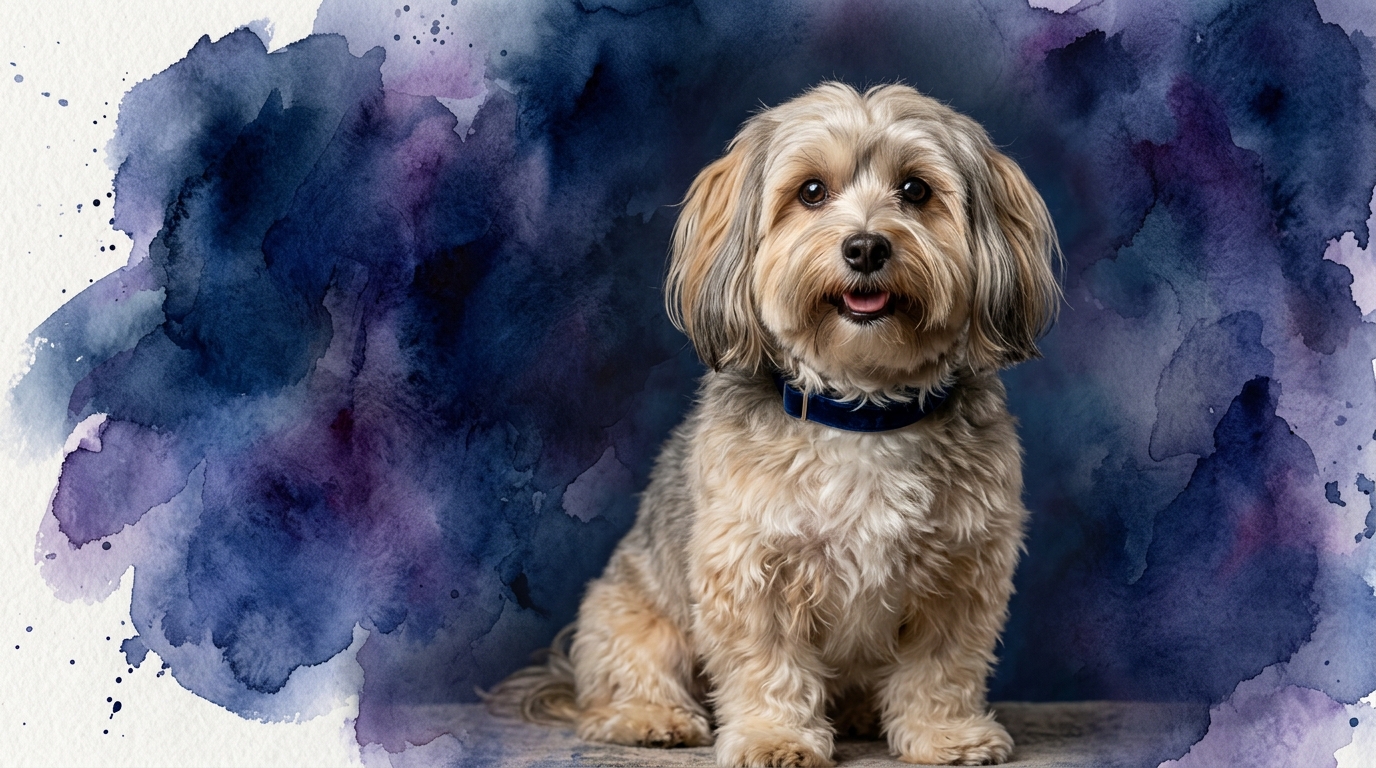
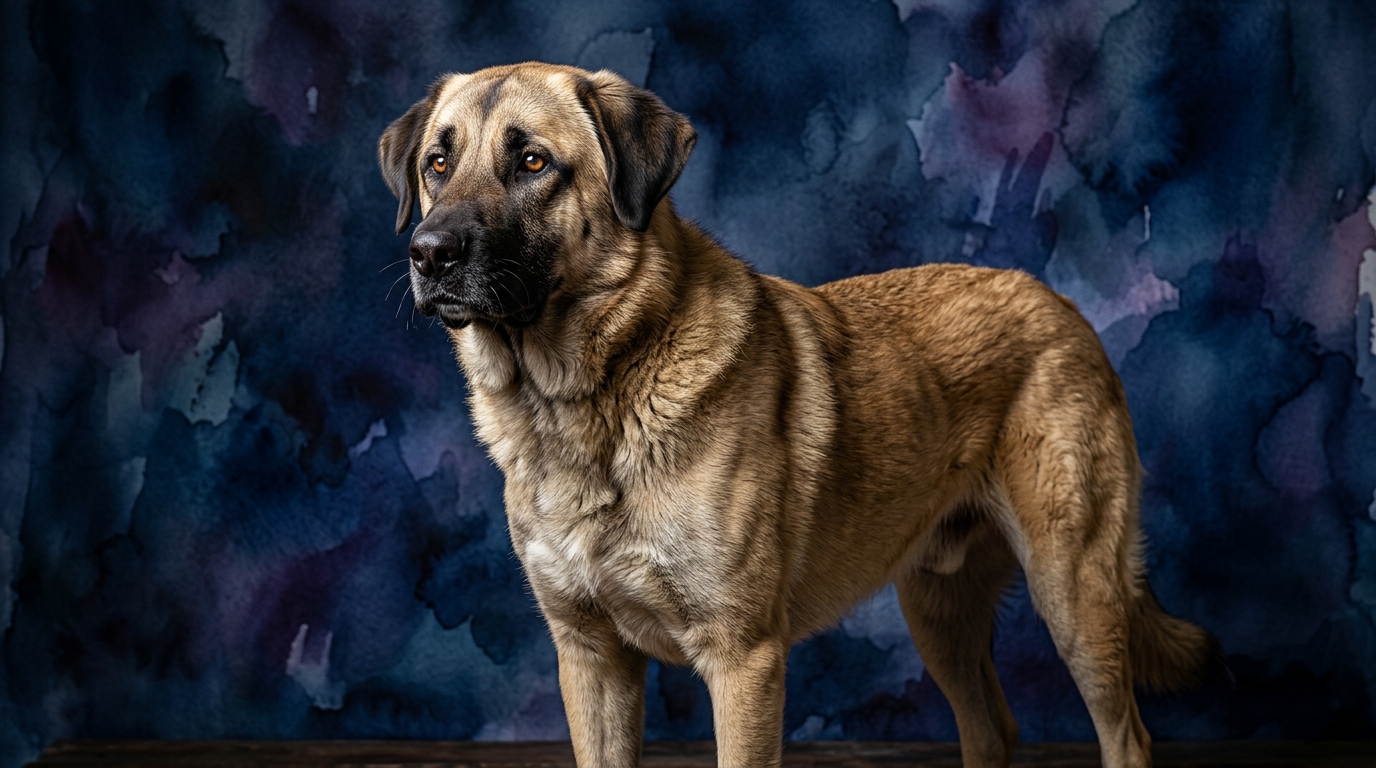
Side-by-Side Cognitive Profile: Havanese vs. Anatolian Shepherd Dog
The Cosmic Pet Pet IQ Lab categorizes canine intelligence across five key dimensions, offering a nuanced view beyond simple obedience. For the Havanese, a Toy breed, and the Anatolian Shepherd Dog, a Working breed, these metrics illuminate their inherent aptitudes and behavioral tendencies.
The Havanese possesses a Problem Solving score of 3/5, indicating an ability to navigate typical household challenges, figure out how to gain attention, or open a tricky cabinet. Their Training Speed is also 3/5, meaning they learn new commands at a moderate but consistent pace, particularly when motivated by positive interaction. Where the Havanese truly shines is in Social Intelligence, earning a perfect 5/5. This reflects an exceptional capacity to read human emotions, understand social cues, and adapt their behavior to foster deep connections. Their Instinctive Drive is 2/5, indicating minimal prey drive or guarding tendencies, aligning with their role as a companion. Finally, their Memory is rated 3/5, allowing them to reliably recall routines, commands, and past experiences.
In contrast, the Anatolian Shepherd Dog, though also not Coren-ranked, presents a profile geared towards its ancient guardian role. Their Problem Solving capability is 3/5, demonstrating practical intelligence in assessing environmental threats and strategizing to protect livestock or territory. Training Speed for the Anatolian is also 3/5; they are capable learners, but their independent nature means training often requires clear purpose and consistency rather than eager compliance. Their Social Intelligence scores 3/5, reflecting an ability to discern friend from foe and understand hierarchical structures within their 'flock,' human or animal, but less emphasis on nuanced emotional rapport with humans. Instinctive Drive is a defining characteristic for this breed, scoring 3/5, highlighting their strong territorial and protective instincts crucial for their work. Their Memory is rated 3/5, essential for remembering boundaries, perceived threats, and the individuals under their care.
Where the Havanese Excels Cognitively
The Havanese’s standout cognitive strength lies in its remarkable Social Intelligence, scoring a full 5/5 compared to the Anatolian's 3/5. This isn't just about being friendly; it's a sophisticated ability to interpret subtle human gestures, vocal tones, and emotional states, allowing them to tailor their responses with exquisite precision. A Havanese can often anticipate a family member's mood or needs, offering comfort or initiating play at just the right moment. This exceptional social acumen makes them incredibly responsive and adaptable to family dynamics, fostering a profound communicative bond. Their cognitive wiring prioritizes harmonious interaction and emotional connection, making them masters of companion communication.
Furthermore, the Havanese's lower Instinctive Drive (2/5) can be a cognitive advantage in a typical companion setting. While the Anatolian's drive is essential for its work, the Havanese's reduced inclination towards independent guarding or hunting behaviors means their cognitive resources are less occupied by these primal urges. This allows them to be more present and focused on social engagement within a domestic environment, reducing potential conflicts with other pets or unfamiliar people. Their cognitive landscape is less cluttered by territorial imperatives, making them inherently more flexible and generally easier to integrate into diverse social situations without constant management of strong, task-oriented drives.
Where the Anatolian Shepherd Dog Excels Cognitively
The Anatolian Shepherd Dog’s cognitive strengths are deeply rooted in its ancient purpose. While both breeds score 3/5 in Problem Solving, the *nature* of that problem-solving differs significantly. The Anatolian excels at environmental problem-solving and strategic assessment, particularly concerning threats to its charge. This involves complex decision-making in real-time, often without direct human command, such as identifying a predator, assessing the safest approach, or deterring intruders. Their cognitive process in these scenarios is less about solving a puzzle for a treat and more about autonomous, life-preserving strategy.
The Anatolian's Instinctive Drive, rated 3/5, is a specialized cognitive asset. This isn't just an urge; it's a complex set of hardwired behaviors and motivations that enable them to perform their guardian duties with unwavering dedication. This drive fuels their vigilance, their territorial awareness, and their capacity for independent judgment in protective situations. Unlike the Havanese, whose drives are oriented towards companionship, the Anatolian's drives are cognitively channeled into observation, deterrence, and defense. This means they are constantly processing environmental cues related to safety and threat, making them acutely aware of their surroundings in a way a typical companion breed is not. Their memory (3/5) is also crucial here, allowing them to retain detailed knowledge of their territory, the individuals they protect, and any past threats, which is vital for their ongoing vigilance.
Training Dynamics: Havanese vs. Anatolian Shepherd Dog
Both the Havanese and the Anatolian Shepherd Dog share a Training Speed score of 3/5, suggesting they are equally capable of learning new commands. However, the *experience* of training these two breeds can feel vastly different due to their underlying cognitive motivations. The Havanese, with its superior Social Intelligence (5/5), is often eager to please and thrives on positive reinforcement and direct interaction with its human companions. They are highly attuned to their owner's reactions and will often work for praise, affection, and the sheer joy of shared activity. Their desire for connection makes them generally more compliant and responsive in a typical obedience setting, often making the training process feel more fluid and rewarding for an owner seeking a highly interactive partner.
The Anatolian Shepherd Dog, conversely, approaches training with a different cognitive framework. While they learn at a similar pace, their strong independent nature and ingrained guardian instincts mean they are less inherently motivated by 'pleasing' in the companion sense. They are intelligent, but their compliance is often predicated on whether they perceive a command as logical, purposeful, or beneficial to their role or the safety of their 'flock.' Training an Anatolian requires immense consistency, patience, and a deep understanding of their inherent drives. Owners need to build a relationship based on mutual respect and clear communication, demonstrating that they are competent leaders. An Anatolian might learn a command quickly but choose not to execute it if they don't see the immediate relevance or if it conflicts with their protective instincts. Their problem-solving (3/5) is often applied to their perceived duties, not necessarily to solving obedience tasks just for the sake of it, making training a more deliberate and often challenging endeavor.
Lifestyle Match: Active vs. Relaxed Owners
The Havanese is an incredibly adaptable breed, fitting well into various lifestyles, from moderately active to more relaxed. Their physical exercise needs are manageable, typically satisfied with daily walks and indoor play. Their true demand is for consistent social interaction and mental engagement, thriving on being an integrated part of family life. They suit owners who enjoy close companionship, can provide plenty of one-on-one attention, and appreciate a dog that is emotionally responsive and eager to participate in daily activities, whether it's a stroll in the park or cuddling on the couch. Their low instinctive drives make them less prone to independent wandering or destructive behaviors stemming from unfulfilled primal urges, making them excellent companions for those seeking a devoted, indoor-oriented pet.
The Anatolian Shepherd Dog, however, demands a very specific type of owner—one who is active in a nuanced sense, deeply understanding of the breed's working heritage. While they don't necessarily require constant high-intensity physical exertion, they need ample space to patrol, a sense of purpose, and consistent mental stimulation related to their guarding instincts. They are not suited for truly relaxed or hands-off ownership. An Anatolian owner must be prepared for a dog with strong territorial drives, a desire for independence, and a need for extensive socialization from a young age to channel their protective nature appropriately. They excel with owners who can provide a 'job,' whether it's guarding property, livestock, or simply being a vigilant family protector within a well-defined territory, and who are committed to ongoing training and responsible management of their formidable presence.
The Verdict
Choose a Havanese if you seek a devoted, emotionally intelligent companion who thrives on close social connection and seamlessly integrates into a family-oriented, often indoor-centric lifestyle.
Opt for an Anatolian Shepherd Dog if you require a vigilant, independent guardian with a clear purpose, ample space, and an owner committed to understanding and responsibly managing their powerful protective instincts.
🧠 Find Your Pet's IQ Score
Our Pet IQ Lab assessment covers 25+ tests across 5 cognitive dimensions — personalized to your breed.
Take the Full IQ Test →Frequently Asked Questions
Is the Havanese prone to separation anxiety?
Due to their exceptional social intelligence and strong desire for companionship, Havanese can be prone to separation anxiety if left alone for extended periods. They thrive on being with their family and may become distressed without sufficient human interaction.
Are Anatolian Shepherd Dogs good with children?
Anatolian Shepherd Dogs can be good with children, especially those raised with them, as their protective instincts extend to their 'flock.' However, their large size and independent nature require careful supervision and early socialization to ensure safe interactions.
Do Anatolian Shepherd Dogs bark excessively?
Anatolian Shepherd Dogs are known to be vocal, using their bark as a deterrent for perceived threats or to alert their owners. While not necessarily 'excessive,' their barking can be significant, particularly when on guard duty or if not properly trained and socialized.