Side-by-Side IQ Profile
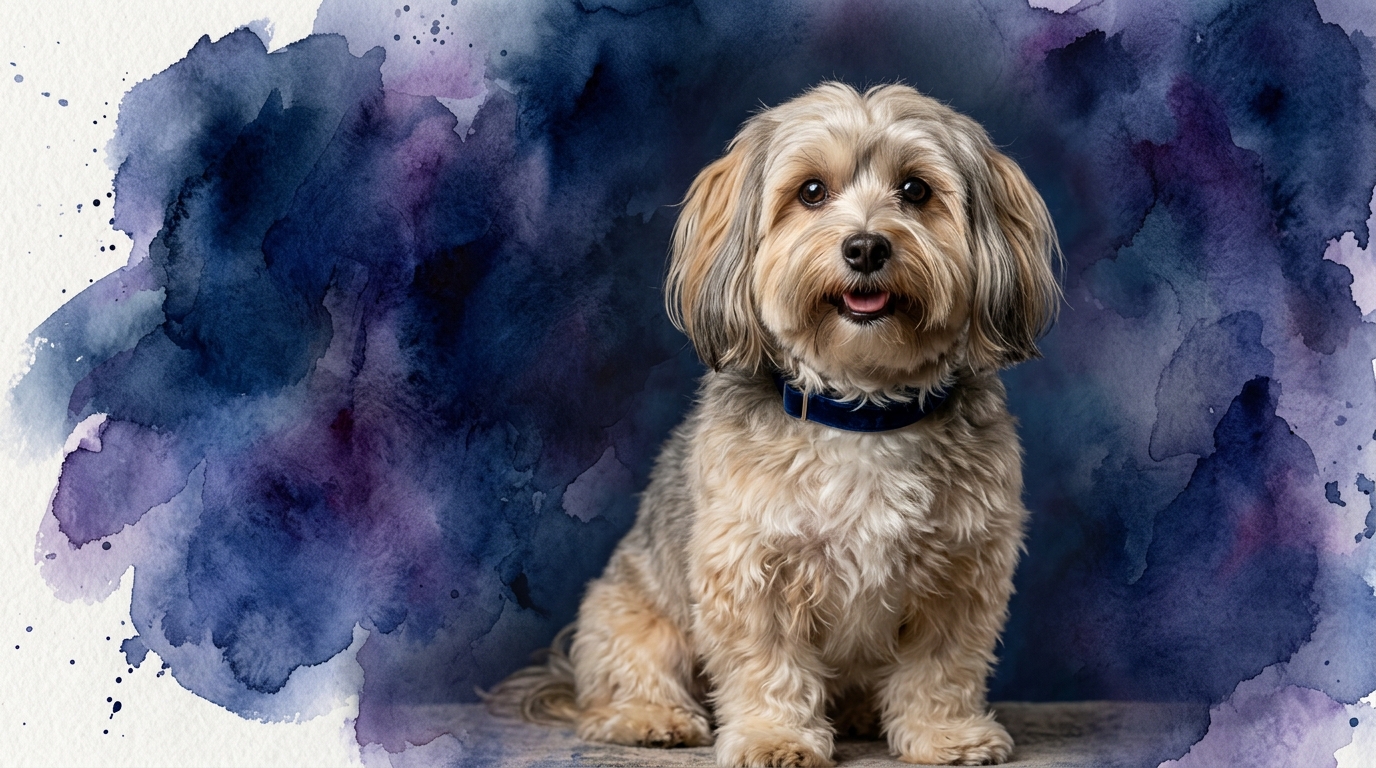
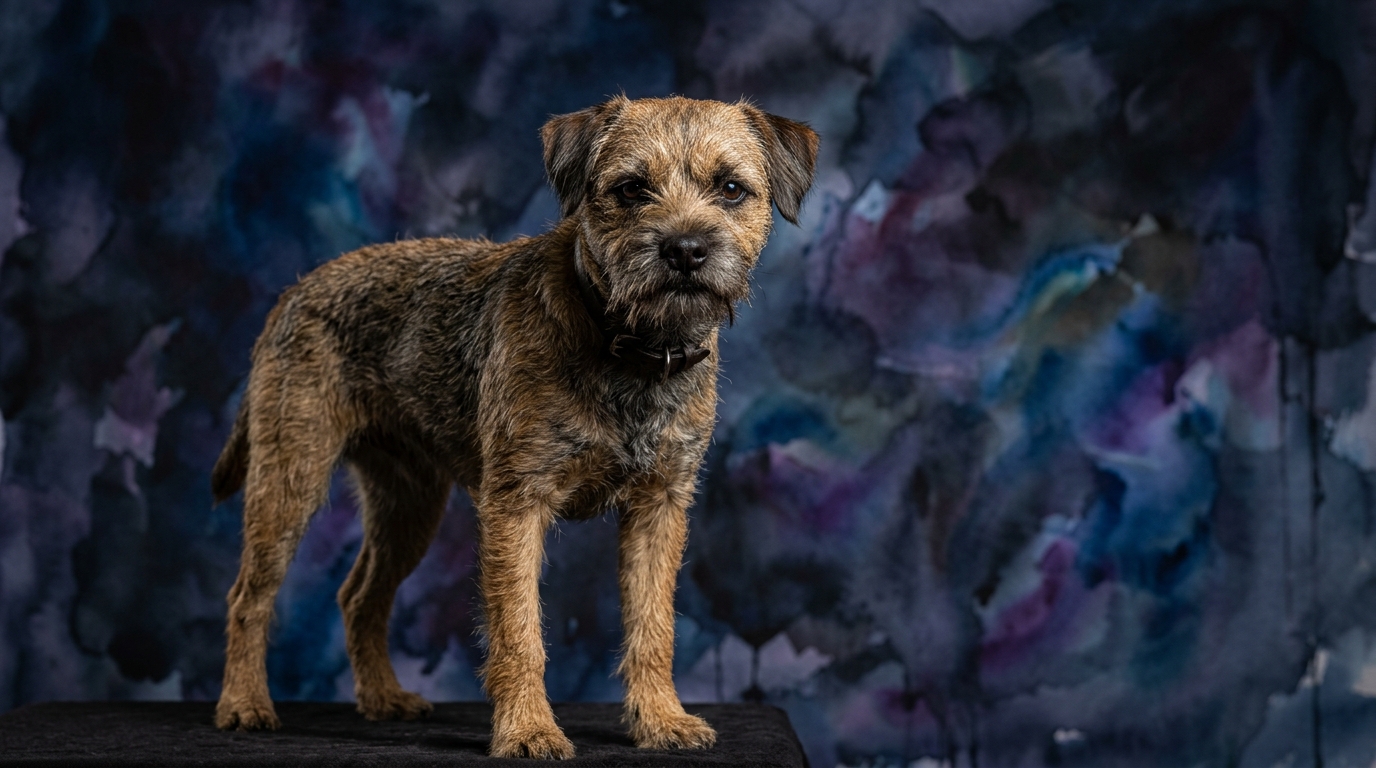
The Cosmic Pet Pet IQ Lab employs a five-dimensional framework to assess canine intelligence, providing a nuanced understanding beyond simple obedience. For the Havanese, a Toy group dog not ranked by Coren, and the Border Terrier, a Terrier group dog ranked #30, their profiles illuminate distinct cognitive architectures.
The Havanese demonstrates a moderate Problem Solving ability (3/5), capable of navigating simple puzzles and learning through observation, though they might not independently devise complex solutions to abstract challenges. Their Training Speed is also moderate (3/5); they grasp concepts but thrive with consistent, engaging methods, sometimes distracted by their profound desire for interaction. Where the Havanese truly excels is in Social Intelligence (5/5), exhibiting exceptional awareness of human emotions and social cues, making them remarkably empathetic companions. Their Instinctive Drive is relatively low (2/5), showing minimal inclination for traditional working tasks beyond companionship. Finally, their Memory (3/5) is solid for retaining learned behaviors and routines, though less intricate sequences might require occasional refreshers.
In contrast, the Border Terrier displays strong Problem Solving capabilities (4/5), often approaching new obstacles with determination and cleverness, reflecting their heritage as independent working dogs. Their Training Speed is notably higher (4/5), learning new commands and tasks relatively quickly, eager to engage in mental challenges. Border Terriers exhibit a solid level of Social Intelligence (3/5); they understand human intentions and respond to cues, but their focus is more utilitarian, centered on cooperation within a partnership rather than profound emotional attunement. Possessing a moderate Instinctive Drive (3/5), particularly for hunting and chasing small prey, they have a persistent motivation rooted in their working history. Their Memory is robust (4/5), retaining learned commands, routines, and experiences over long periods, contributing to their effectiveness in various dog sports.
Where Havanese Wins Cognitively
The Havanese’s standout cognitive strength lies unequivocally in their exceptional Social Intelligence, scoring a perfect 5/5. This breed possesses an innate, profound ability to read and respond to human emotions, body language, and vocal nuances with remarkable accuracy. They are deeply empathetic, often anticipating their owner's needs for comfort or play, making them unparalleled emotional anchors within a household. This level of attunement fosters a unique communicative bond, allowing for subtle interactions that transcend simple command-and-response, creating a truly reciprocal relationship based on mutual understanding and emotional resonance.
Where Border Terrier Wins Cognitively
The Border Terrier demonstrates a superior cognitive profile across several dimensions compared to the Havanese, particularly in areas reflecting independent action and learning efficiency. Their Problem Solving ability (4/5) is notably higher, reflecting a breed that independently assesses and overcomes challenges, a trait honed by their historical role in vermin control. This translates into a dog that can more readily navigate complex environments or figure out how to retrieve a toy from an intricate spot, showcasing an active, investigative mind.
Furthermore, their Training Speed (4/5) and Memory (4/5) are both a step above, indicating a quicker grasp of new commands and a more enduring recall of learned behaviors. This efficiency in learning, combined with a moderate Instinctive Drive (3/5) that provides a consistent motivation for engagement, positions the Border Terrier as a highly capable and adaptable learner for structured tasks, complex obedience, and various dog sports.
Which Is Easier to Train and Why
When evaluating ease of training, the Border Terrier generally edges out the Havanese, primarily due to its higher Training Speed (4/5) and more robust Memory (4/5). Border Terriers tend to pick up new commands and behaviors with greater efficiency, often showing a keen interest in engaging with their handler for structured learning. Their moderate Instinctive Drive (3/5), while requiring management for prey drive, can also be positively channeled into focused training activities, providing a consistent motivation for work and mental engagement.
In contrast, the Havanese's Training Speed (3/5) and Memory (3/5) are solid but not as rapid. While they are eager to please their beloved family members, their training can sometimes be influenced by their strong social focus, leading to distractions if they perceive an opportunity for affection over a command. Consistency and patience, coupled with highly rewarding positive reinforcement, are crucial for the Havanese to maintain engagement and solidify learned behaviors, making their training experience more about patient relationship-building.
Which Suits Active Owners vs. Relaxed Owners
For active owners seeking a canine partner for adventures and structured activities, the Border Terrier is often a more fitting choice. Their higher Problem Solving (4/5) and Instinctive Drive (3/5) mean they thrive on mental and physical stimulation, excelling in dog sports like agility, earthdog trials, or advanced obedience. They possess the stamina and independent spirit to explore, making them excellent companions for hiking or long walks, and require consistent engagement to prevent boredom and channel their innate drive.
Conversely, the Havanese, with its lower Instinctive Drive (2/5) and exceptional Social Intelligence (5/5), typically suits more relaxed owners who prioritize companionship and emotional connection. While they enjoy play and short walks, their primary need is to be close to their human family, participating in daily life as a cherished member. Their cognitive profile lends itself to a quieter, more intimate lifestyle, where their empathetic nature can flourish without the constant demand for high-intensity physical or mental tasks, making them ideal for a less strenuous pace of life.
The Verdict
Choose the Havanese if your priority is an emotionally attuned companion who thrives on deep social connection and offers unparalleled empathy, fitting seamlessly into a relaxed, family-centric lifestyle.
Opt for the Border Terrier if you seek an intelligent, tenacious, and capable partner for active pursuits and enjoy engaging in structured training or dog sports with a dog that relishes independent problem-solving.
🧠 Find Your Pet's IQ Score
Our Pet IQ Lab assessment covers 25+ tests across 5 cognitive dimensions — personalized to your breed.
Take the Full IQ Test →Frequently Asked Questions
Are Havanese good at learning tricks?
Yes, Havanese are quite capable of learning a variety of tricks, thanks to their moderate training speed and eagerness to please their family. Consistency and positive reinforcement with treats or praise will motivate them to master new skills, often delighting in the attention it brings.
How does the Border Terrier's instinctive drive affect its behavior?
The Border Terrier's moderate instinctive drive, particularly for chasing and hunting, means they possess a strong prey drive that can lead them to pursue small animals or dig. This requires secure fencing and consistent leash training, but can also be channeled positively into activities like scent work or earthdog sports.
Which breed is better for first-time dog owners?
Both breeds can be suitable for first-time owners, but their needs differ. The Havanese's high social intelligence and lower instinctive drive make them generally adaptable to various home environments, while the Border Terrier's higher training speed and problem-solving skills require an owner committed to consistent training and providing ample mental and physical stimulation.