Side-by-Side IQ Profile: Unpacking Canine Cognition
At The Cosmic Pet Pet IQ Lab, we evaluate canine intelligence across five key dimensions, providing a granular view beyond typical perceptions. For both the Havanese and the Borzoi, our data reveals intriguing overlaps and stark contrasts that illuminate their natural aptitudes and challenges.
Starting with **Problem Solving**, both breeds register a 3 out of 5. This indicates a moderate capacity for navigating novel situations and figuring out solutions without direct human intervention. Neither breed is typically celebrated for complex, abstract problem-solving, but they possess a functional ability to adapt to their environments and overcome simple obstacles.
In **Training Speed**, both breeds also score a 3 out of 5. This suggests that while they are capable of learning new commands and routines, they aren't necessarily rapid learners who pick up new cues in just a few repetitions. Consistent, patient training methods are beneficial for both, though their motivations for engaging in training may differ significantly.
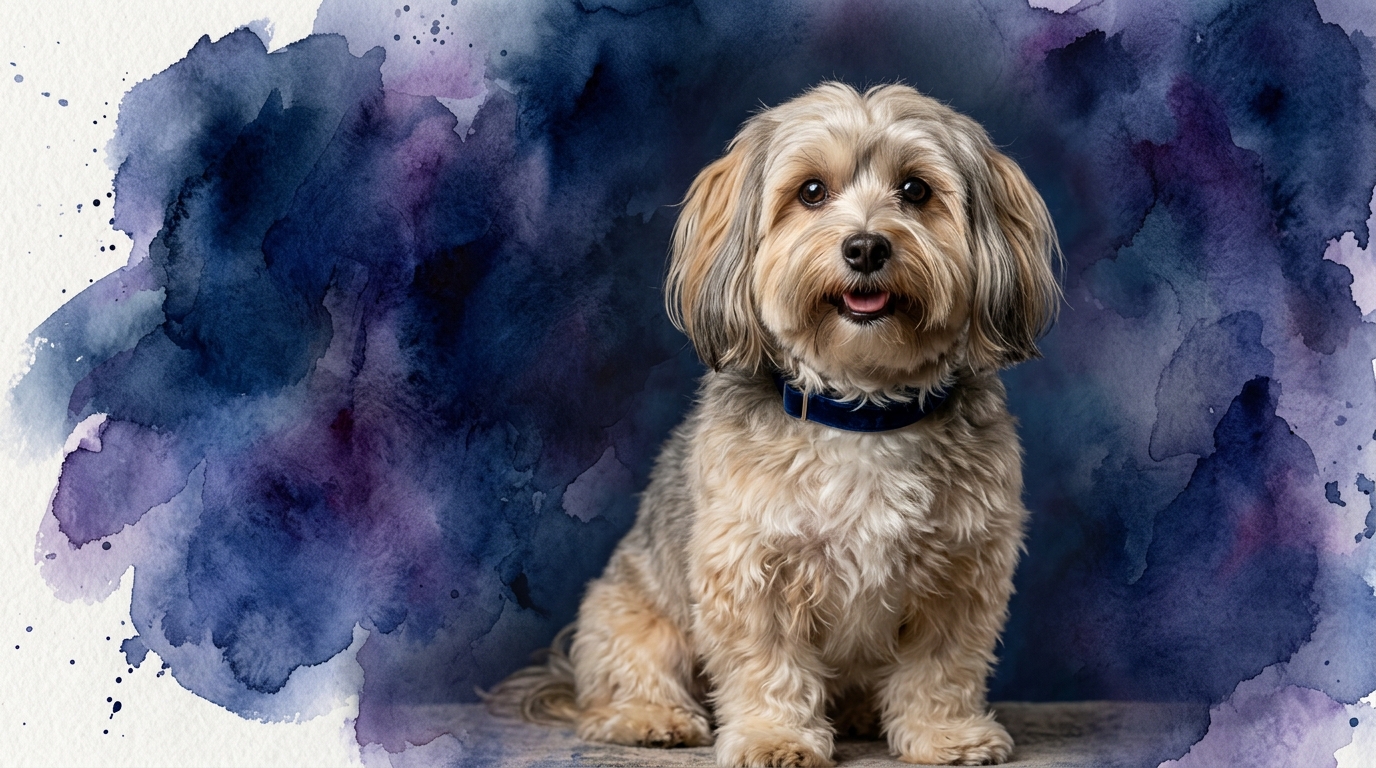
The most significant divergence appears in **Social Intelligence**. The Havanese shines with a perfect 5 out of 5, indicating an exceptional ability to read human emotions, understand social cues, and form deep, reciprocal bonds. They are highly attuned to their human companions' moods and social dynamics, thriving on interaction and connection. Conversely, the Borzoi scores a 3 out of 5, reflecting a more independent and less overtly people-focused social disposition. While capable of forming bonds, they typically exhibit a more reserved and self-contained demeanor, not constantly seeking human interaction or validation.
**Instinctive Drive** also presents a telling contrast. The Havanese scores a 2 out of 5, meaning their behavior is less influenced by primal urges like hunting, guarding, or herding. This lower drive makes them highly adaptable to domestic life and less prone to behaviors stemming from strong inherent instincts. The Borzoi, as a sighthound, registers a 3 out of 5. This score reflects a distinct, yet managed, instinctive drive, primarily for chasing fast-moving objects. While not as pervasive as some working breeds, this drive is a defining characteristic and influences their behavior in specific environments. Their memory score for both breeds is 3 out of 5, suggesting a solid, average capacity for retaining learned information and experiences, neither exceptional nor poor.
Where the Havanese Excels Cognitively
The Havanese truly distinguishes itself through its exceptional social intelligence. A 5 out of 5 score signifies a profound capacity for emotional resonance and understanding of human social structures. This isn't merely about being friendly; it's a sophisticated ability to interpret subtle cues, anticipate human needs, and actively participate in the emotional fabric of a family. They excel at building strong, empathetic connections, making them remarkably intuitive companions.
Their lower instinctive drive (2/5) further supports their cognitive strengths in a domestic setting. With fewer internal conflicts driven by primal urges, Havanese are often more focused on human interaction and less distracted by the environment. This means they are generally easier to redirect, less prone to independent pursuits like chasing small animals, and more inclined to seek guidance and companionship from their owners. Their cognitive energy is largely directed towards social engagement and learning within a human context.
Where the Borzoi Shows Its Cognitive Strengths
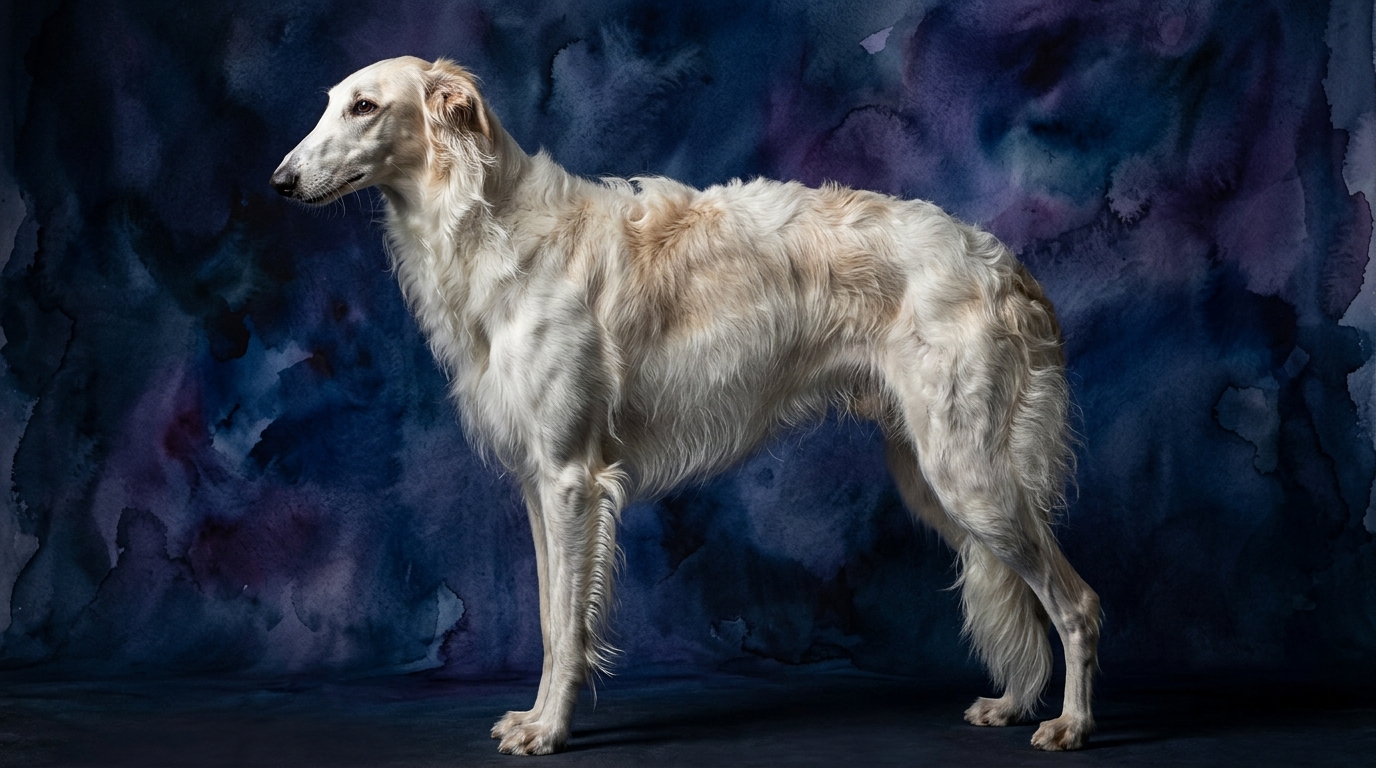
The Borzoi's cognitive strengths lie in its independent problem-solving and the precise application of its instinctive drive. While their Problem Solving and Training Speed scores mirror the Havanese at 3/5, the context of these abilities is different. The Borzoi's historical role as a sighthound demanded a capacity for independent thought and decision-making during a chase, often operating at a distance from human direction. This means they possess a practical intelligence geared towards specific tasks, even if it doesn't translate to a constant desire for human approval in training.
Their Instinctive Drive (3/5), while not as low as the Havanese, is a specialized cognitive asset. This drive is focused on visual pursuit and the thrill of the chase, making them exceptionally adept at activities like lure coursing. This specific cognitive wiring allows them to process visual stimuli rapidly and react with incredible speed and precision, a testament to their unique form of intelligence. Their independent social intelligence (3/5) also means they are content with their own company, a cognitive trait that makes them less prone to separation anxiety and more self-sufficient.
Training Dynamics: Havanese vs. Borzoi
When considering ease of training, the Havanese generally presents a more straightforward experience for most owners, despite both breeds having a 3/5 Training Speed. The Havanese's exceptional social intelligence (5/5) is the game-changer here. They are intrinsically motivated to please their people and thrive on positive reinforcement that strengthens their bond. Their high responsiveness to human social cues means they often try harder to understand what's being asked and are more cooperative in learning new behaviors. Their low instinctive drive also means fewer internal distractions, allowing them to focus more intensely on lessons.
The Borzoi, while equally capable of learning (3/5 Training Speed), presents a different training challenge due to its more independent social intelligence (3/5) and specific instinctive drive (3/5). They are not inherently driven by the same intense desire to please as the Havanese. Training a Borzoi often requires more patience, understanding of their sighthound nature, and finding motivations that appeal to their independent spirit, such as food rewards or the opportunity for a controlled chase. They can learn commands quickly but might choose not to perform them if they don't see the immediate benefit or if a more compelling instinct (like spotting a squirrel) takes precedence. Consistency and making training fun and rewarding are crucial for success with a Borzoi, as they are less likely to respond to pressure or repetitive drills without engagement.
Matching Breeds to Lifestyles: Active vs. Relaxed Owners
The Havanese is an excellent fit for owners seeking a highly interactive and emotionally perceptive companion, making them suitable for a range of lifestyles from moderately active to more relaxed. While they enjoy walks and playtime, their primary need is for companionship and mental stimulation through interaction. Their adaptability and low instinctive drive mean they are generally content with indoor games, short strolls, and being a constant presence by their owner's side. They thrive in environments where they are included in daily activities and receive ample social engagement, making them ideal for individuals or families who want a dog deeply integrated into their social lives.
The Borzoi, on the other hand, suits owners who appreciate a more independent canine presence and can accommodate their specific exercise needs. Despite their calm indoor demeanor, they require regular opportunities for vigorous, high-speed running in a securely fenced area. These bursts of intense activity satisfy their instinctive drive and physical requirements. Owners who understand and respect the sighthound's need for space to stretch their legs, coupled with a generally relaxed attitude indoors, will find a compatible companion. They are not typically suited for owners who desire a constantly 'on' playmate or who cannot provide a safe outlet for their impressive speed, but they are perfect for those who enjoy a graceful, quiet companion that comes alive during specific outdoor excursions.
The Verdict
Choose a Havanese if you prioritize a highly socially intelligent, emotionally attuned companion who thrives on close interaction and is generally adaptable to various home environments.
Choose a Borzoi if you appreciate an independent, calm, and graceful companion who requires specific outlets for bursts of intense physical activity and is less overtly demanding of constant human attention.
🧠 Find Your Pet's IQ Score
Our Pet IQ Lab assessment covers 25+ tests across 5 cognitive dimensions — personalized to your breed.
Take the Full IQ Test →Frequently Asked Questions
Is the Borzoi's independence a sign of low intelligence?
Not at all; the Borzoi's independence is a distinct cognitive style shaped by its history as a sighthound, requiring autonomous decision-making in pursuit. This reflects a practical intelligence, rather than a lack of capacity to learn or bond.
Do Havanese need a lot of exercise despite their small size?
Havanese have moderate exercise needs; they enjoy walks and playtime, but their primary requirement is for social interaction and mental engagement. They are adaptable and can thrive with indoor activities and companionship.
How do their social needs differ in a family setting?
Havanese typically seek constant involvement and emotional connection, thriving as an active participant in family life. Borzoi, while affectionate with their family, are generally more reserved and content to observe, requiring less constant interaction.