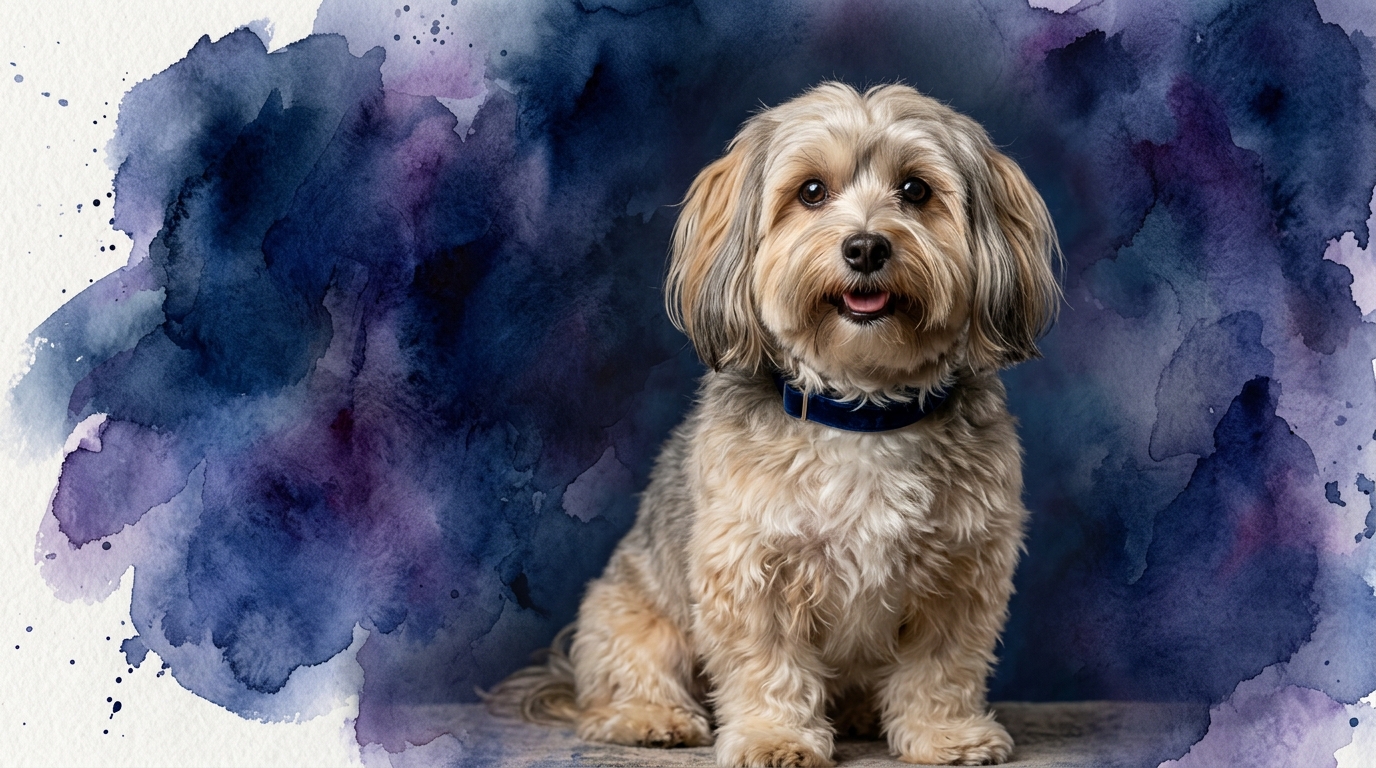
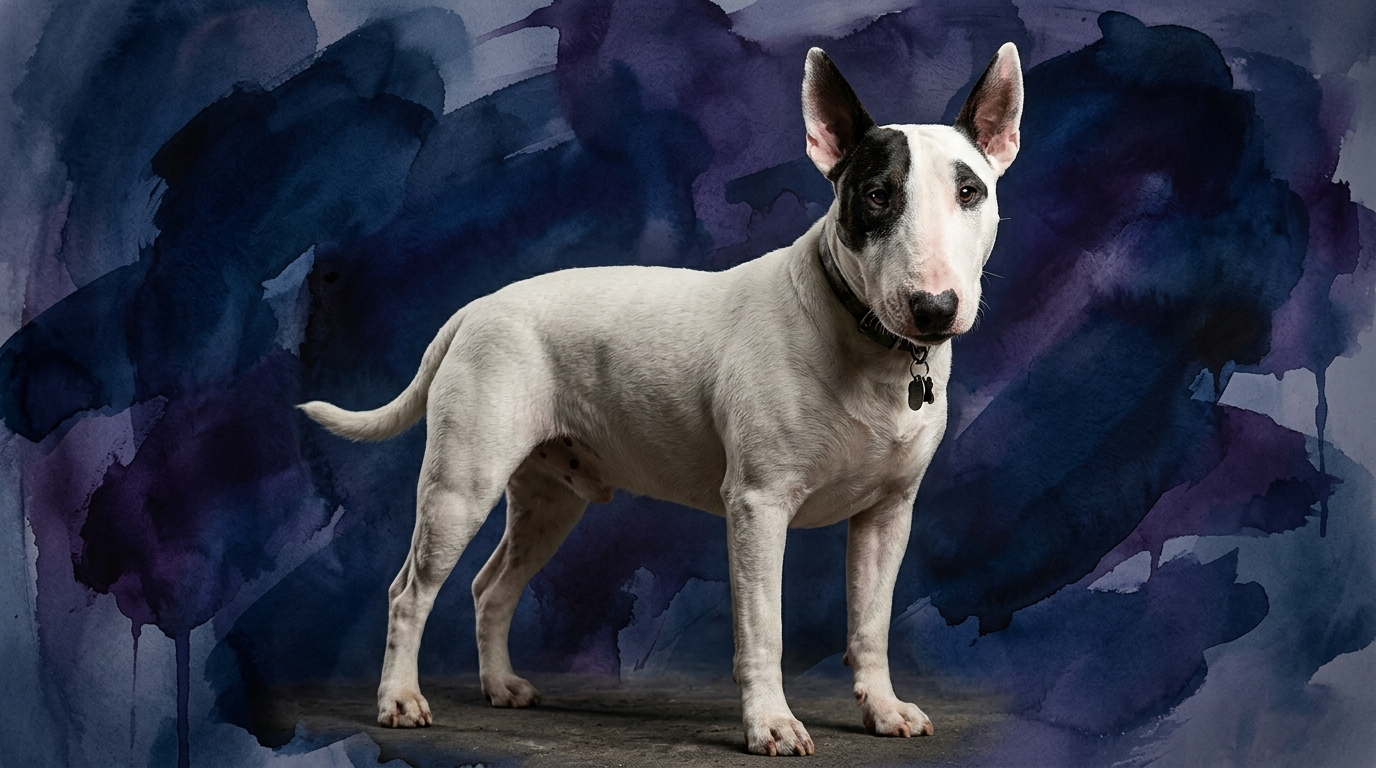
Side-by-Side Cognitive Profiles: Havanese vs. Bull Terrier
At The Cosmic Pet Pet IQ Lab, we assess canine intelligence across five distinct dimensions, offering a granular view of each breed's cognitive strengths. For the Havanese, a charming Toy group dog, its profile shows a Problem Solving score of 3/5, indicating a capacity for understanding routines and moderate environmental challenges, but not necessarily complex strategic thinking. Its Training Speed is also 3/5, meaning it picks up new commands at an average pace, responsive to consistent, positive reinforcement. Where the Havanese truly shines is in Social Intelligence, earning a perfect 5/5; this breed possesses an exceptional ability to read human emotions, adapt to social cues, and form profound, empathetic bonds. Its Instinctive Drive registers at a low 2/5, suggesting minimal inclination for independent hunting, chasing, or guarding behaviors. Finally, its Memory is a solid 3/5, allowing it to retain learned information and experiences reliably over time.
The Bull Terrier, a robust member of the Terrier group, presents a more uniformly balanced, albeit less specialized, cognitive profile according to our Pet IQ Lab scores. It matches the Havanese with a Problem Solving score of 3/5, demonstrating a similar aptitude for navigating everyday challenges and learning established sequences. Its Training Speed is also 3/5, indicating a consistent learning pace, though its application of learned behaviors might be influenced by its independent streak. The Bull Terrier's Social Intelligence stands at 3/5, meaning it understands social dynamics and human interactions sufficiently, but it may not exhibit the same nuanced empathy or attunement to subtle emotional shifts as the Havanese. Its Instinctive Drive is a moderate 3/5, reflecting a typical terrier's tenacity and a manageable level of prey drive that can be channeled through appropriate activities. Like the Havanese, its Memory score is 3/5, ensuring it retains training and past experiences effectively.
Where the Havanese's Cognition Excels
The Havanese demonstrates a clear cognitive advantage in the realm of social interaction, scoring an unparalleled 5/5 in Social Intelligence. This isn't just about being friendly; it speaks to a deep capacity for emotional attunement, making them incredibly perceptive companions. A Havanese can often anticipate an owner's mood, respond to subtle shifts in tone or body language, and seamlessly integrate into diverse social settings. This high social acumen means they are exceptionally motivated by human approval and connection, making them highly responsive to praise and affection as primary motivators in learning contexts. Their ability to read and react to human cues creates a profound bond, making them naturally adept at companion roles.
Furthermore, the Havanese's lower Instinctive Drive of 2/5, in contrast to the Bull Terrier's 3/5, plays into its cognitive strengths for a domestic setting. This reduced independent drive means the Havanese is less likely to be distracted by external stimuli like small animals or intriguing scents, allowing for greater focus on human interaction and domestic routines. While not a direct 'intelligence' score, this characteristic reduces cognitive 'noise' from independent pursuits, enabling their social intelligence to take center stage and contributing to their reputation as adaptable, focused family members who prioritize their human connections above all else.
Where the Bull Terrier's Cognition Shines
While the Bull Terrier doesn't exhibit the Havanese's peak in social intelligence, its cognitive profile shines through its balanced, robust, and uniformly applied intellect across several domains. With consistent 3/5 scores in Problem Solving, Training Speed, and Memory, coupled with a 3/5 Instinctive Drive, the Bull Terrier presents a pragmatic and dependable cognitive makeup. This evenness suggests a dog capable of engaging with a variety of tasks that require a steady application of mental effort and a degree of independent thought, without being overly reliant on constant human direction for motivation. Their moderate instinctive drive, for instance, means they possess enough tenacity and persistence to engage in activities like scent work or agility challenges where a certain level of independent exploration and drive is beneficial, unlike the Havanese's lower drive.
The Bull Terrier's inclusion in Stanley Coren's ranking (#66) also offers a different perspective on its cognitive application, indicating a breed that has demonstrated a measurable capacity for obedience and working intelligence under specific experimental conditions. While the Havanese was not included in this particular ranking, the Bull Terrier's position suggests a consistent ability to learn and perform commands with a reasonable number of repetitions and a good success rate. This particular type of cognitive consistency, inherent in its breed history as a dog bred for specific tasks, highlights a practical, resilient intelligence that can be channeled into structured activities and disciplined training, offering a different kind of cognitive engagement compared to the Havanese's social specialization.
Training Dynamics: Which Breed is Easier to Nurture?
When considering ease of training, both the Havanese and Bull Terrier share a Training Speed score of 3/5, suggesting they absorb new commands at a similar, moderate pace. However, the practical experience of training these two breeds can differ significantly due to their other cognitive attributes. The Havanese's exceptional 5/5 Social Intelligence means they are often highly motivated by pleasing their owner and are incredibly responsive to verbal praise and affectionate gestures. They excel at picking up subtle cues from their trainer and are eager to cooperate, often making the training process feel more fluid and rewarding. Their lower Instinctive Drive (2/5) further assists, as they are less prone to independent distractions, allowing them to focus more intently on the task at hand.
The Bull Terrier, while equally capable of learning new commands at a 3/5 Training Speed, might present more of a nuanced challenge. Their 3/5 Social Intelligence means they understand human interaction, but they may not possess the same inherent drive to 'please' as the Havanese. Combined with their moderate 3/5 Instinctive Drive, Bull Terriers can exhibit a streak of independent thought or 'terrier stubbornness' that requires a trainer to be consistent, creative, and firm. They respond well to clear, fair leadership and positive reinforcement, but their motivation might need to be more varied, perhaps incorporating toys or high-value treats to maintain engagement. While they learn, their application of commands can be more selective if they perceive a task as less engaging, requiring thoughtful management to channel their inherent tenacity effectively.
Matching Cognition to Lifestyles: Active vs. Relaxed Owners
The distinct cognitive profiles of the Havanese and Bull Terrier lend themselves to different owner lifestyles. For relaxed owners who prioritize companionship, emotional connection, and predominantly indoor activities, the Havanese is an ideal match. Their superior social intelligence means they thrive on constant human interaction and are content with moderate exercise, making them perfect lap dogs and indoor companions. They are less driven by independent exploration or intense physical demands, fitting seamlessly into quieter homes. Owners who appreciate a dog that is deeply attuned to their emotional state and happy to participate in the ebb and flow of daily family life, rather than constantly seeking an outlet for intense physical or working drives, will find the Havanese profoundly rewarding.
Conversely, the Bull Terrier's balanced cognitive abilities and moderate instinctive drive make it a better fit for active owners who enjoy engaging in structured activities and consistent training. While not requiring extreme athleticism, Bull Terriers benefit from regular mental and physical stimulation to prevent boredom and channel their inherent tenacity constructively. Owners prepared to offer consistent training, participate in walks, hikes, or even dog sports will find a loyal and engaged companion. Their cognitive profile suits individuals or families who appreciate a dog with a robust personality, a degree of independent spirit, and the capacity for a wide range of activities, providing they receive the necessary guidance and outlets for their energy and intellect.
The Verdict: When to Choose Each Breed
The Verdict
Choose a Havanese if you seek an emotionally attuned companion who thrives on social interaction and indoor living, offering profound emotional connection and minimal independent drive for external pursuits.
Opt for a Bull Terrier if you appreciate a dog with balanced cognitive abilities, a degree of independent spirit, and are prepared for consistent engagement in training and activity to channel their moderate drives effectively.
🧠 Find Your Pet's IQ Score
Our Pet IQ Lab assessment covers 25+ tests across 5 cognitive dimensions — personalized to your breed.
Take the Full IQ Test →Frequently Asked Questions
Do Havanese and Bull Terriers learn tricks at the same rate?
While both breeds score 3/5 in training speed, the Havanese's superior social intelligence often translates to a more eager and responsive learner, as they are highly motivated by human interaction. Bull Terriers learn effectively but might require more varied motivational strategies due to their independent streak.
Which breed is better at understanding human emotions?
The Havanese, with a 5/5 social intelligence score, significantly surpasses the Bull Terrier's 3/5 in this domain. Havanese dogs are exceptionally adept at reading subtle human cues and emotions, making them deeply empathetic companions.
How does instinctive drive impact daily life for these breeds?
The Havanese's lower instinctive drive (2/5) means they are generally less prone to chasing small animals or exploring independently, making them content indoors. The Bull Terrier's moderate drive (3/5) implies a greater need for structured outlets for their energy and potential for more independent or persistent behaviors requiring management.