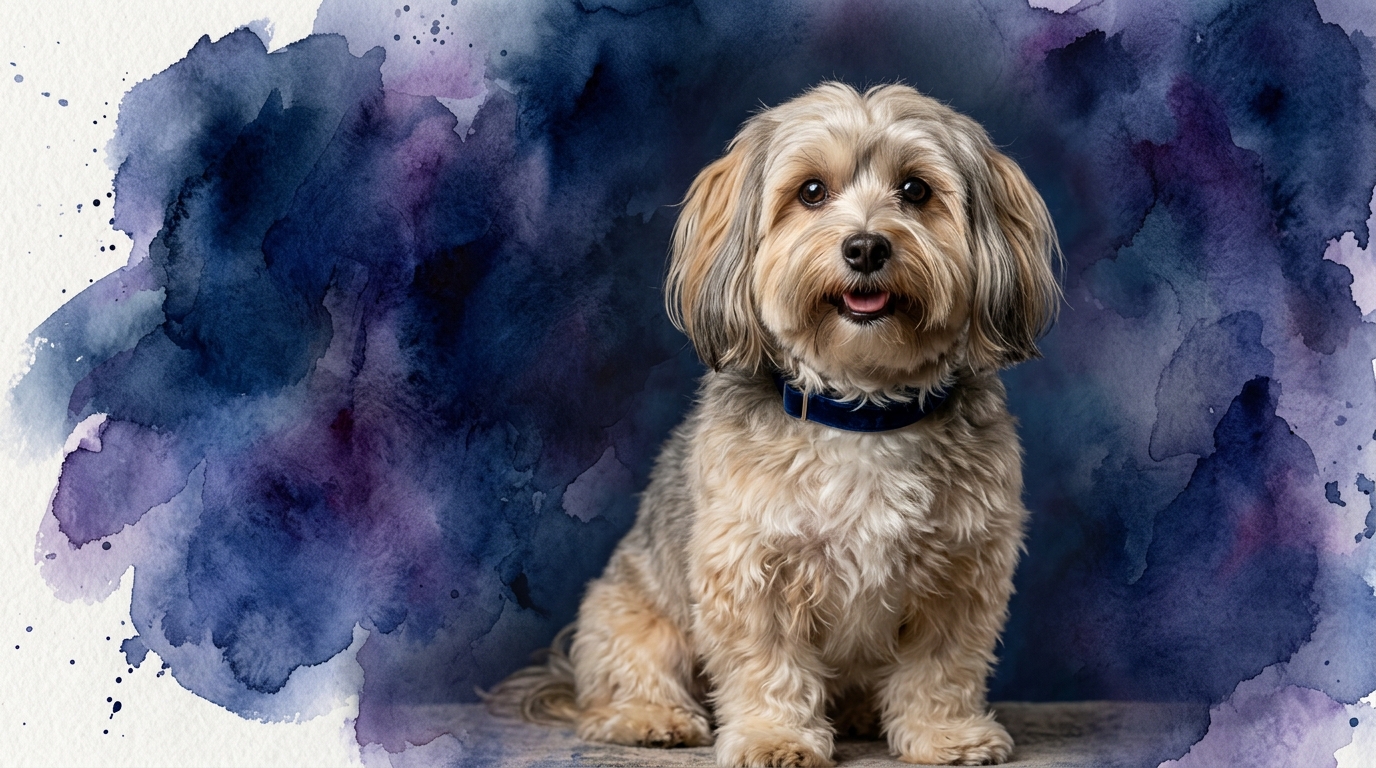
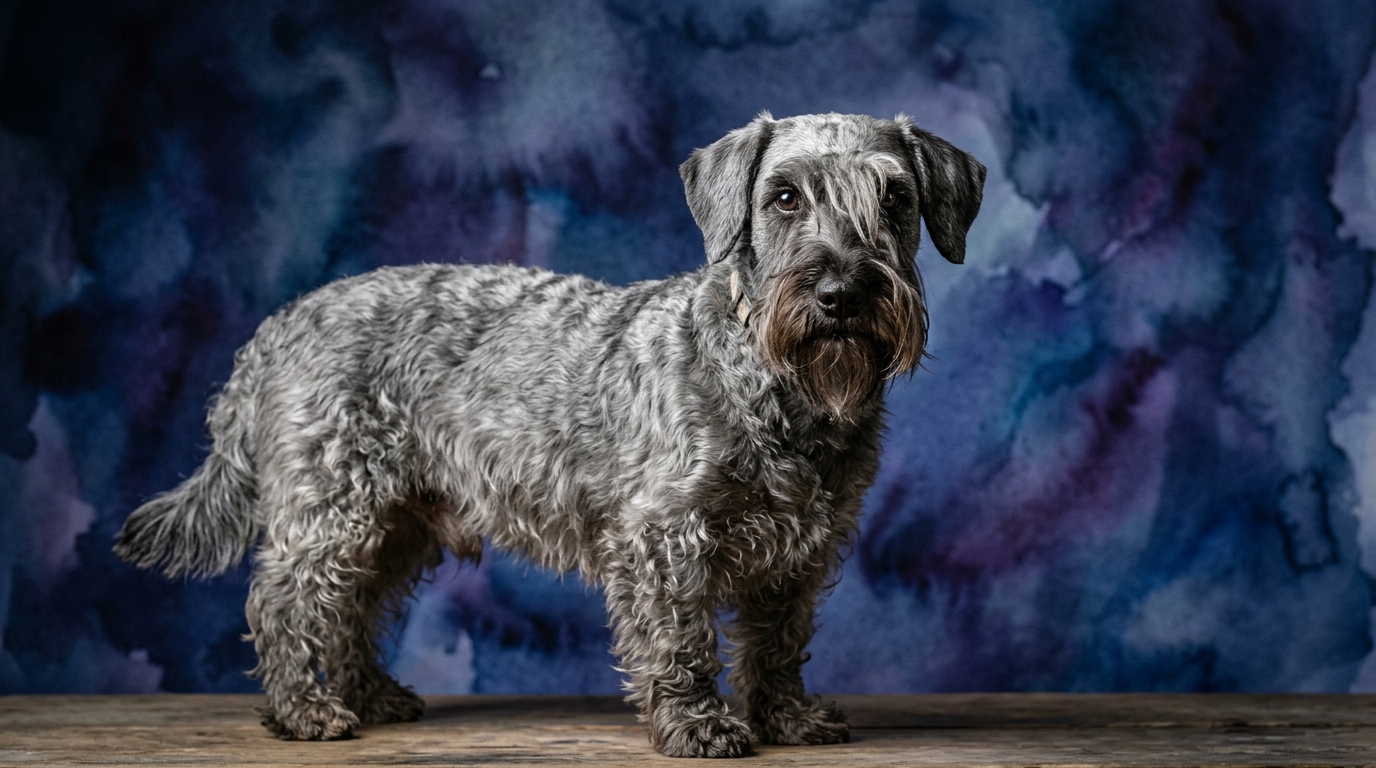
Side-by-Side IQ Profile: Havanese vs. Cesky Terrier
The Havanese, a Toy breed, presents a distinct cognitive profile. Their Problem Solving is rated 3/5, indicating a moderate capacity for independent thought and navigating novel situations. They learn through observation and trial-and-error, especially within a social context. Training Speed, also 3/5, suggests they are receptive to learning commands but benefit from consistent repetition and positive reinforcement to solidify behaviors. Their standout trait is Social Intelligence, a perfect 5/5, signifying exceptional sensitivity to human cues, emotions, and social dynamics. They excel at understanding intentions and forming strong, empathetic bonds. Instinctive Drive is low at 2/5, meaning natural behaviors like chasing or digging are mild and easily redirected. Memory is 3/5, indicating reasonable retention of learned information and experiences with consistent reinforcement.
The Cesky Terrier, a Terrier breed, offers a different set of cognitive leanings. Their Problem Solving, like the Havanese, is 3/5, showing a moderate ability to tackle new challenges, often driven by terrier persistence. Training Speed is also 3/5; they are capable learners, but their independent terrier nature may require patience and creative methods. Social Intelligence is 3/5, meaning they understand human social cues and form bonds, but perhaps with less immediate adaptability or "people-pleasing" inclination than the Havanese. Instinctive Drive is 3/5, a moderate score indicating that natural terrier behaviors like scenting, digging, and a prey drive are present and will influence their behavior, requiring appropriate outlets. Memory is 3/5, allowing for sufficient recall of training and routines with consistent reinforcement.
Where the Havanese Wins Cognitively
The Havanese truly shines in the realm of social intelligence, scoring a perfect 5/5 compared to the Cesky Terrier's 3/5. This significant difference means the Havanese possesses an exceptional ability to read and respond to human emotions and social cues. They are profoundly attuned to their family's moods, often anticipating needs or offering comfort without explicit prompts. This heightened social awareness translates into a companion who instinctively understands unspoken communication, adapting their behavior to maintain harmony within the household. A Havanese is more likely to notice a quiet moment and settle beside a person needing solace, or adjust their play intensity based on a child's energy levels, demonstrating a nuanced understanding of social context. Their capacity for empathy and connection is a defining cognitive advantage, making them exceptionally responsive and intuitive partners in interaction.
Where the Cesky Terrier Wins Cognitively
While both breeds share similar scores in problem-solving, training speed, and memory, the Cesky Terrier exhibits a stronger instinctive drive, scoring 3/5 compared to the Havanese's 2/5. This isn't a "win" in the sense of superiority, but rather a distinct cognitive strength rooted in their terrier heritage. The Cesky's moderate instinctive drive means they possess a more pronounced inclination towards natural dog behaviors such as scenting, exploring, and a focused persistence in pursuing a perceived "task." This drive provides them with a robust internal motivation for engagement with their environment, making them more inclined to explore, investigate, and follow their nose. For owners seeking a dog with a clear purpose and a natural zest for certain activities like scent work or moderate "hunt" games, the Cesky's inherent drive offers a more pronounced engagement in these areas.
Which is Easier to Train and Why
Both the Havanese and Cesky Terrier share a training speed score of 3/5, suggesting they learn at a moderate pace. However, their distinct social intelligence and instinctive drive scores lead to different training experiences. The Havanese, with its superior social intelligence (5/5), often appears easier to train for obedience and household manners, particularly when the training involves close interaction and positive reinforcement. Their strong desire to please and their sensitivity to human cues mean they are highly motivated by praise and social connection, eager to comply to maintain that harmonious bond. They pick up on subtle body language and vocal tones, making them responsive to nuanced guidance. Conversely, the Cesky Terrier, with its moderate social intelligence (3/5) and stronger instinctive drive (3/5), can present different training considerations. While equally capable of learning, their inherent terrier independence and focus on instinctual pursuits mean they might require more creative and engaging methods to maintain attention. They may be less inclined to perform simply to "please" and more motivated by the intrinsic reward of the task itself or a high-value treat. Training a Cesky often involves channeling their natural drives rather than suppressing them, such as incorporating scent games into recall practice. Therefore, while both learn, the Havanese might be perceived as more "biddable" due to social motivation, while the Cesky requires a trainer who understands and respects their independent, driven nature.
Which Suits Active Owners vs. Relaxed Owners
The choice between a Havanese and a Cesky Terrier significantly depends on an owner's lifestyle and preferred activity level. The Havanese, with its lower instinctive drive (2/5) and high social intelligence (5/5), generally suits more relaxed owners who prioritize companionship and indoor activities. They thrive on close interaction, cuddling, and gentle play, making them excellent companions for apartment living or families seeking a less demanding exercise routine. While they enjoy walks and playtime, their needs are largely met through social engagement and moderate physical activity. Their cognitive profile leans towards an interest in social harmony over vigorous exploration. In contrast, the Cesky Terrier, with its moderate instinctive drive (3/5) and moderate social intelligence (3/5), is better suited for owners who enjoy a more active lifestyle and are prepared to engage with a dog's natural instincts. While not requiring extreme athleticism, Ceskys benefit from regular outdoor exploration, scent games, and activities that challenge their problem-solving skills and allow them to express their terrier drives. They appreciate structured walks, opportunities to sniff and investigate, and may even enjoy moderate hiking or agility. Owners who find joy in channeling a dog's natural curiosity and persistent spirit will likely find the Cesky a rewarding companion, whereas those seeking a purely sedentary lap dog might find their terrier tendencies a bit much.
The Verdict
Choose the Havanese if you desire a deeply empathetic, socially attuned companion who thrives on close interaction and easily adapts to a home environment with less pronounced instinctual drives.
Opt for the Cesky Terrier if you appreciate a dog with a robust, independent spirit, a moderate drive for exploration, and are prepared to engage their natural instincts with consistent, stimulating activities.
🧠 Find Your Pet's IQ Score
Our Pet IQ Lab assessment covers 25+ tests across 5 cognitive dimensions — personalized to your breed.
Take the Full IQ Test →Frequently Asked Questions
Do Havanese and Cesky Terriers need a lot of mental stimulation?
Both breeds benefit from mental engagement, but their needs differ. Havanese thrive on social interaction and gentle puzzle toys, while Cesky Terriers enjoy activities that tap into their moderate instinctive drive, like scent work or structured exploration.
Are Havanese or Cesky Terriers better with children?
Havanese, with their high social intelligence, often adapt well to families with children, displaying patience and sensitivity if properly socialized. Cesky Terriers can be good with respectful children, but their independent terrier nature means interactions should always be supervised.
How do their problem-solving skills manifest differently in daily life?
Both score 3/5, but Havanese might use their problem-solving to figure out how to get closer to their humans or open a treat jar. Cesky Terriers might apply theirs to finding a hidden toy or figuring out how to access an interesting scent in the yard, driven more by curiosity and instinct.