
Side-by-Side IQ Profile: Havanese vs. Chinese Crested
The Cosmic Pet Pet IQ Lab employs a five-dimensional framework to assess canine intelligence, offering a granular view beyond simple 'smart or not smart' labels. For the Havanese, our analysis shows a Problem Solving score of 3 out of 5, indicating a moderate capacity to independently figure out novel situations and adapt to new challenges. Their Training Speed also stands at 3 out of 5, suggesting they absorb new commands and behaviors at an average pace, requiring consistent but not overly protracted training sessions to solidify learning. Where the Havanese truly shines is in Social Intelligence, earning a perfect 5 out of 5. This dimension reflects an exceptional ability to interpret human cues, understand complex social dynamics, and adjust their behavior to foster harmony and connection within their human family. Their Instinctive Drive is a modest 2 out of 5, signifying a low inherent inclination for traditional working tasks like hunting, herding, or guarding, aligning with their primary role as companions. Finally, their Memory is rated 3 out of 5, meaning they retain learned information and past experiences with moderate reliability.
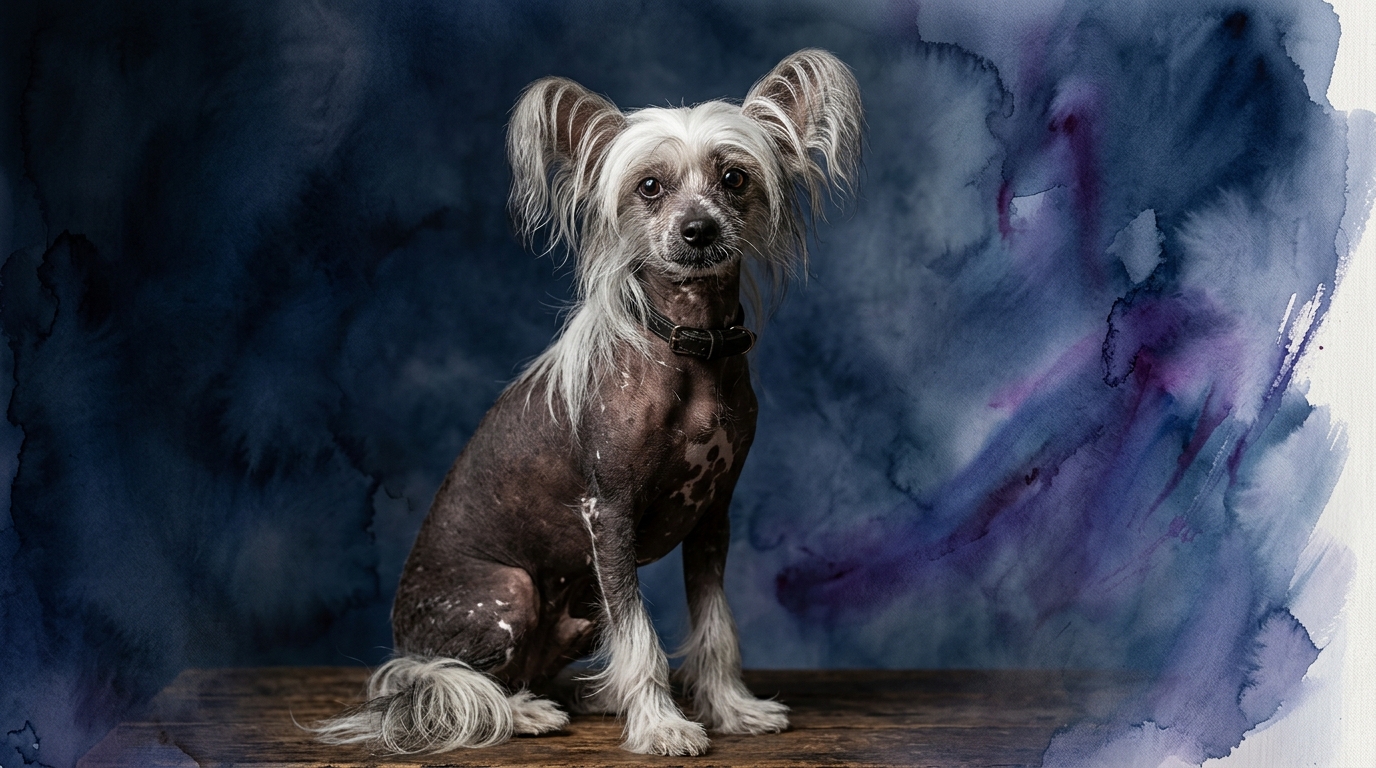
In contrast, the Chinese Crested presents a subtly different yet equally engaging cognitive makeup. Their Problem Solving capability mirrors that of the Havanese, also scoring 3 out of 5. This indicates a similar moderate aptitude for navigating new environments or solving simple puzzles, demonstrating a thoughtful approach without being overtly independent in their solutions. Their Training Speed, too, aligns with the Havanese at 3 out of 5, implying a comparable average learning curve for new commands and routines, benefiting from clear, positive reinforcement. The notable divergence appears in Social Intelligence, where the Chinese Crested scores 3 out of 5. While capable of forming strong bonds and reading basic human emotions, they may exhibit a slightly less intense attunement to subtle social cues or complex emotional states compared to their Havanese counterparts. Their Instinctive Drive is rated 3 out of 5, a notch higher than the Havanese. This suggests a slightly more pronounced natural curiosity or perhaps a greater inclination for independent exploration or engagement with their environment. Like the Havanese, their Memory is also rated 3 out of 5, reflecting an average capacity for recalling past events and learned behaviors.
Where the Havanese Wins Cognitively
The Havanese's undisputed cognitive advantage lies in its remarkable Social Intelligence, scoring a rare perfect 5 out of 5. This isn't merely about enjoying human company; it's about an profound capacity to interpret, understand, and respond to the nuances of human emotion and communication. A Havanese can often seem to anticipate their owner's moods, offering comfort during sadness or engaging in playful antics when sensing joy. This exceptional social acumen allows them to quickly grasp complex social rules within the household, understand unspoken expectations, and adapt their behavior to maintain harmony. They are masters at reading body language, vocal tones, and even subtle facial expressions, using this information to forge incredibly deep, empathetic connections. This cognitive strength makes them extraordinarily responsive to human feedback, highly motivated by pleasing their people, and inherently tuned into the family dynamic, often acting as emotional barometers for their households. Their high social intelligence makes them stellar candidates for roles requiring sensitivity, such as therapy or emotional support animals, where understanding and responding to human needs is paramount.
Where the Chinese Crested Wins Cognitively
While both breeds exhibit similar scores in problem-solving and training speed, the Chinese Crested edges out the Havanese in Instinctive Drive, scoring 3 out of 5 compared to the Havanese's 2 out of 5. This subtle difference translates into a slightly more independent and self-directed cognitive approach. A Crested may display a greater natural curiosity about their surroundings, showing more initiative in exploring new scents or investigating novel objects without constant human prompting. This isn't to say they are aloof, but rather that they possess a slightly stronger internal compass for engaging with their environment. This moderate instinctive drive can manifest as a greater willingness to engage in independent play, pursuing a toy on their own or investigating a new corner of the yard with less direct encouragement. For owners, this might mean a companion who is still affectionate but also capable of finding their own entertainment for short periods, relying less exclusively on human interaction for all forms of stimulation. It suggests a dog who might enjoy scent games or simple "find it" activities with a touch more natural enthusiasm, leveraging that innate drive.
Which is Easier to Train and Why
When evaluating ease of training, both Havanese and Chinese Crested share a Training Speed score of 3 out of 5, indicating they learn at a comparable average pace. This means neither breed is inherently difficult to train, but both benefit immensely from consistent, positive reinforcement methods. However, the Havanese gains a significant advantage in overall trainability due to its superior Social Intelligence (5/5). This exceptional ability to read and respond to human cues, coupled with an inherent desire to please, makes them incredibly receptive students. A Havanese often seems to understand not just what is being asked, but also why it's important to their human, making them highly motivated to comply. Their strong social bond means they are more likely to maintain focus on their trainer and less prone to distraction by external stimuli when a human is engaging them. This translates to potentially smoother house-training, more reliable recall, and a greater willingness to perform tricks or follow commands in varied social settings. The Chinese Crested, with its 3/5 social intelligence, is certainly trainable but might require more explicit motivation and less reliance on subtle social rewards. They learn, but perhaps with a slightly more detached approach, needing clear incentives rather than solely relying on the joy of pleasing their person.
Suiting Active Owners vs. Relaxed Owners
Understanding these cognitive profiles helps align each breed with suitable lifestyles. The Havanese, with its exceptional social intelligence and moderate problem-solving and training speeds, is an ideal match for owners who are present, engaged, and seek a constant, emotionally attuned companion. They thrive on consistent interaction, mental engagement through learning new tricks, and being an integral part of family activities. While their instinctive drive is low, meaning they don't demand intense physical exertion, their high social needs mean they prefer owners who are home frequently and willing to invest time in gentle play, cuddles, and ongoing communication. They are perfect for individuals or families who want a "Velcro dog" that is always by their side, offering and receiving affection. Their very low instinctive drive means they are generally content with indoor living and short, leisurely walks, making them excellent companions for more relaxed households, provided those households offer abundant social and mental stimulation.
The Chinese Crested, on the other hand, with its moderate social intelligence and slightly higher instinctive drive, offers a different dynamic. While affectionate and loyal, they tend to possess a touch more self-sufficiency and may be content with slightly more independent periods, perhaps exploring a new toy or napping quietly nearby rather than constantly seeking direct engagement. Their moderate problem-solving ability means they still enjoy mental challenges, but their slightly higher instinctive drive allows them to engage with their environment in a more self-directed manner, perhaps enjoying a bit more independent sniffing or light exploration during walks. They suit owners who appreciate a loving companion but might not be able to dedicate every waking moment to direct interaction. They are adaptable to both active and relaxed homes, as long as their delicate physical needs (especially for the hairless variety regarding temperature and skin care) are met. They can enjoy a mix of cuddles and quiet time, making them suitable for owners who value companionship but also appreciate a dog that can entertain itself for periods, without the constant need for human-directed activity.
The Verdict
Choose a Havanese if you prioritize an exceptionally socially intelligent companion who thrives on deep emotional connection and responds keenly to your every cue, making them ideal for consistent interaction and gentle training.
Opt for a Chinese Crested if you appreciate a charming companion with a slightly more independent streak, capable of entertaining themselves while still enjoying affectionate social interactions and moderate mental stimulation.
🧠 Find Your Pet's IQ Score
Our Pet IQ Lab assessment covers 25+ tests across 5 cognitive dimensions — personalized to your breed.
Take the Full IQ Test →Frequently Asked Questions
Are Havanese good for first-time dog owners?
Yes, their exceptional social intelligence and eagerness to please can make them highly responsive to training and understanding human expectations, which simplifies the learning curve for new owners. They thrive on consistent positive reinforcement and clear communication.
Do Chinese Crested dogs require a lot of mental stimulation?
Chinese Crested dogs benefit from moderate mental stimulation to keep their minds engaged. Activities like puzzle toys, short training sessions, and exploring new environments can prevent boredom and satisfy their moderate problem-solving and instinctive drives.
Which breed is more prone to separation anxiety based on their IQ profile?
Given the Havanese's superior social intelligence (5/5), they are more likely to develop separation anxiety if left alone for extended periods, as their cognitive makeup prioritizes constant human connection. Chinese Crested (3/5 social intelligence) may cope with solitude a bit better, though neither breed should be left alone excessively.