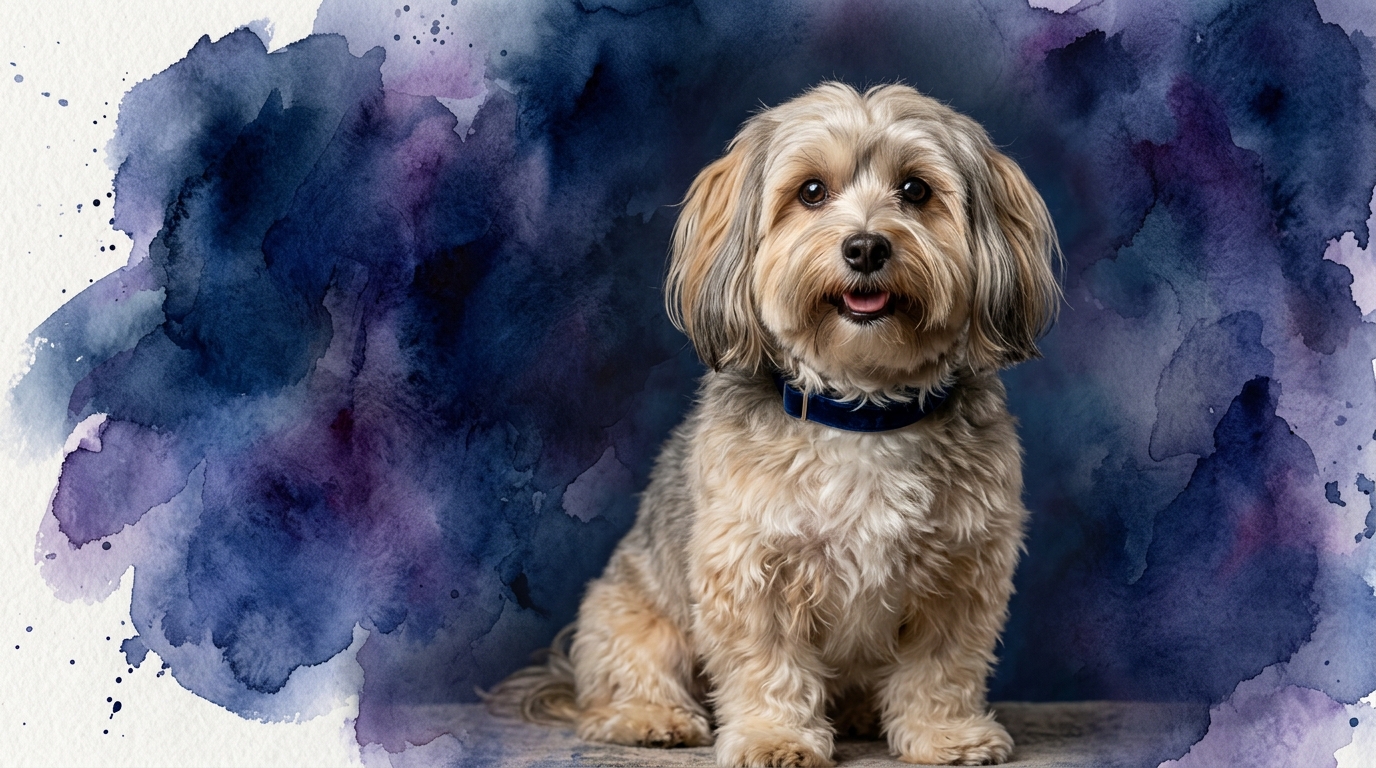

Side-by-Side IQ Profile: Havanese vs. Chinook
Problem Solving (Havanese 3/5, Chinook 3/5): Both the Havanese and Chinook exhibit a moderate capacity for navigating novel challenges, scoring 3 out of 5. While neither breed typically demonstrates complex strategic thinking, they possess practical intelligence for their respective environments. The Havanese might apply its ingenuity to gaining attention or navigating household dynamics, whereas the Chinook focuses problem-solving on practical tasks like exploring new trails or retrieving objects.
Training Speed (Havanese 3/5, Chinook 3/5): Both breeds share a moderate 3 out of 5 rating for training speed, indicating they are responsive but require consistent, clear instruction. The Havanese often thrives on positive reinforcement that emphasizes connection and social reward. The Chinook, rooted in its working heritage, responds well to structured training that offers clear objectives and opportunities for engaging its physical and mental energy.
Social Intelligence (Havanese 5/5, Chinook 3/5): Here, the Havanese clearly distinguishes itself with an exceptional 5 out of 5, while the Chinook scores a solid 3 out of 5. The Havanese displays a profound ability to read human emotions and social cues, often anticipating family needs with remarkable empathy and attunement. The Chinook possesses a functional social intelligence, forming strong bonds and working cooperatively, but it does not exhibit the same nuanced emotional mirroring or intense focus on social interaction as the Havanese.
Instinctive Drive (Havanese 2/5, Chinook 3/5): The Havanese typically exhibits a lower instinctive drive at 2 out of 5, with minimal impulses for traditional working tasks; its motivations largely revolve around companionship and gentle exploration. The Chinook, conversely, carries a moderate instinctive drive of 3 out of 5, stemming from its sled dog lineage. This manifests as a desire for purposeful activity, sustained exploration, and physical engagement, contributing to its adventurous spirit.
Memory (Havanese 3/5, Chinook 3/5): Both breeds share a moderate memory capacity, rated 3 out of 5, demonstrating reliable recall for learned behaviors, routines, and familiar experiences. They are capable of retaining commands over time and recognizing familiar people or places. Consistent reinforcement benefits both, as neither breed is noted for unusually rapid forgetfulness or an extraordinary photographic memory.
Where the Havanese Wins Cognitively
The Havanese’s paramount cognitive strength lies in its exceptional social intelligence, scoring a perfect 5 out of 5. This breed exhibits an uncanny ability to interpret human emotions and social cues, often sensing shifts in mood or anticipating a family member's desire for comfort or play. This high social acumen allows them to integrate deeply into family life, acting as intuitive companions who navigate household dynamics with remarkable sensitivity and empathy. Their cognitive efforts are heavily invested in understanding and nurturing human-canine bonds.
Where the Chinook Wins Cognitively
The Chinook's cognitive edge is rooted in its balanced instinctive drive (3/5) and practical application of problem-solving. While sharing similar problem-solving scores, the Chinook applies its intelligence within a framework of purposeful activity and sustained effort, a direct reflection of its working heritage. This manifests as a practical acumen for navigating varied outdoor environments, understanding spatial relationships during exploration, and maintaining focus on directed tasks for extended periods, a less prominent cognitive inclination in the Havanese. Their mental faculties are geared towards functional engagement.
Which Is Easier to Train and Why
Both Havanese and Chinook share a similar training speed rating of 3 out of 5, implying neither is inherently faster at learning commands, but their distinct cognitive profiles dictate different training approaches. The Havanese, with its superior social intelligence, is highly motivated by human connection and praise, making positive reinforcement that strengthens the bond particularly effective. They are generally less distracted by external stimuli related to intense outdoor drives, allowing for focused indoor training sessions where social reward is paramount.
The Chinook, while responsive, benefits from training that taps into its moderate instinctive drive and desire for purpose. They thrive with structured, task-oriented activities that incorporate physical engagement or problem-solving elements. Their training might need to account for a greater propensity to follow scents or explore, requiring more consistent redirection in open environments compared to the Havanese. Therefore, while both learn at a moderate pace, the Havanese might feel "easier" for owners prioritizing social motivation, whereas the Chinook excels with owners who leverage its natural working inclinations.
Which Suits Active Owners vs. Relaxed Owners
For relaxed owners seeking a constant, intuitive presence, the Havanese is an ideal choice. Their exceptional social intelligence means they thrive on close human interaction, content with indoor activities, gentle play, and short walks, placing companionship above intense physical demands. They seamlessly become an emotionally responsive part of a quieter home. The Chinook, conversely, is perfectly suited for active owners who enjoy outdoor adventures and can provide consistent mental and physical engagement. Its moderate instinctive drive and robust build necessitate regular exercise like hiking or dog sports, as they possess a practical intelligence that enjoys being put to purposeful use beyond mere companionship.
The Verdict
Opt for the Havanese if you prioritize an emotionally attuned companion who excels in social interaction, thrives on close family bonds, and requires moderate activity, fitting seamlessly into a relaxed home life.
Select the Chinook if you're an active owner seeking a capable, adventurous partner for outdoor pursuits, valuing a balanced working drive and a dog that thrives on purposeful activity and consistent engagement.
🧠 Find Your Pet's IQ Score
Our Pet IQ Lab assessment covers 25+ tests across 5 cognitive dimensions — personalized to your breed.
Take the Full IQ Test →Frequently Asked Questions
Is the Havanese easily bored due to its lower instinctive drive?
While the Havanese has a lower instinctive drive for traditional working tasks, its high social intelligence means it's primarily stimulated by human interaction and companionship. They are generally not prone to boredom if they receive ample attention, play, and mental enrichment through social engagement and gentle training.
Does the Chinook require extensive training due to its working background?
The Chinook benefits from consistent, structured training that channels its moderate instinctive drive and desire for purpose. While not excessively demanding, they thrive with regular mental and physical challenges, which helps prevent boredom and promotes good behavior, making training an enjoyable bonding activity.
How do their memory capacities compare in daily life?
Both breeds share a moderate memory capacity, meaning they can recall routines, commands, and familiar people or places reliably. In daily life, this translates to both being able to learn and retain household rules and training cues with consistent reinforcement, neither significantly outperforming the other in this dimension.