A Side-by-Side Look at Cognitive Profiles
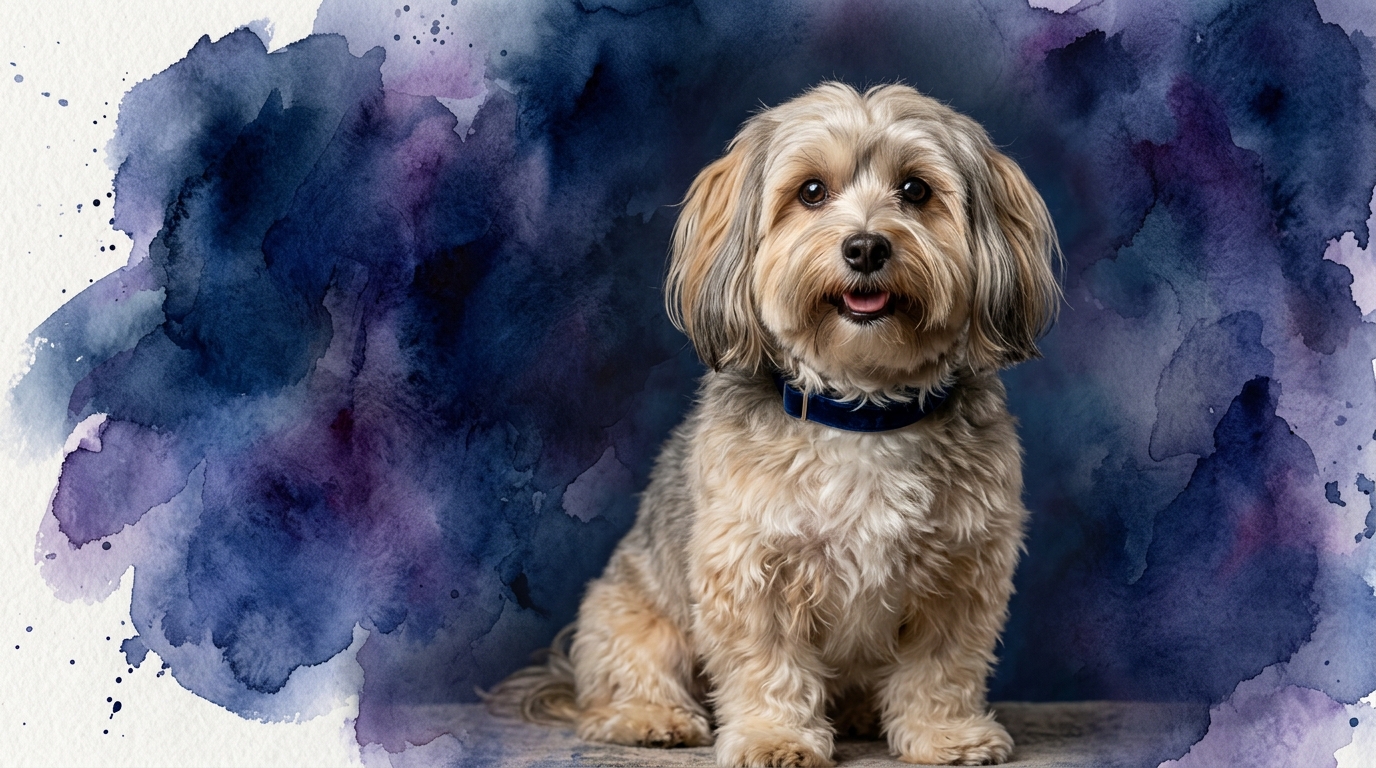
The Cosmic Pet Pet IQ Lab employs a multi-dimensional approach to assess canine intelligence, moving beyond simplistic notions to explore specific cognitive strengths. For the Havanese, a charming Toy breed, we observe a nuanced profile: Problem Solving at 3/5, Training Speed at 3/5, Social Intelligence at an impressive 5/5, Instinctive Drive at 2/5, and Memory at 3/5. This suggests a dog deeply attuned to human interaction, though not necessarily driven by complex independent tasks.
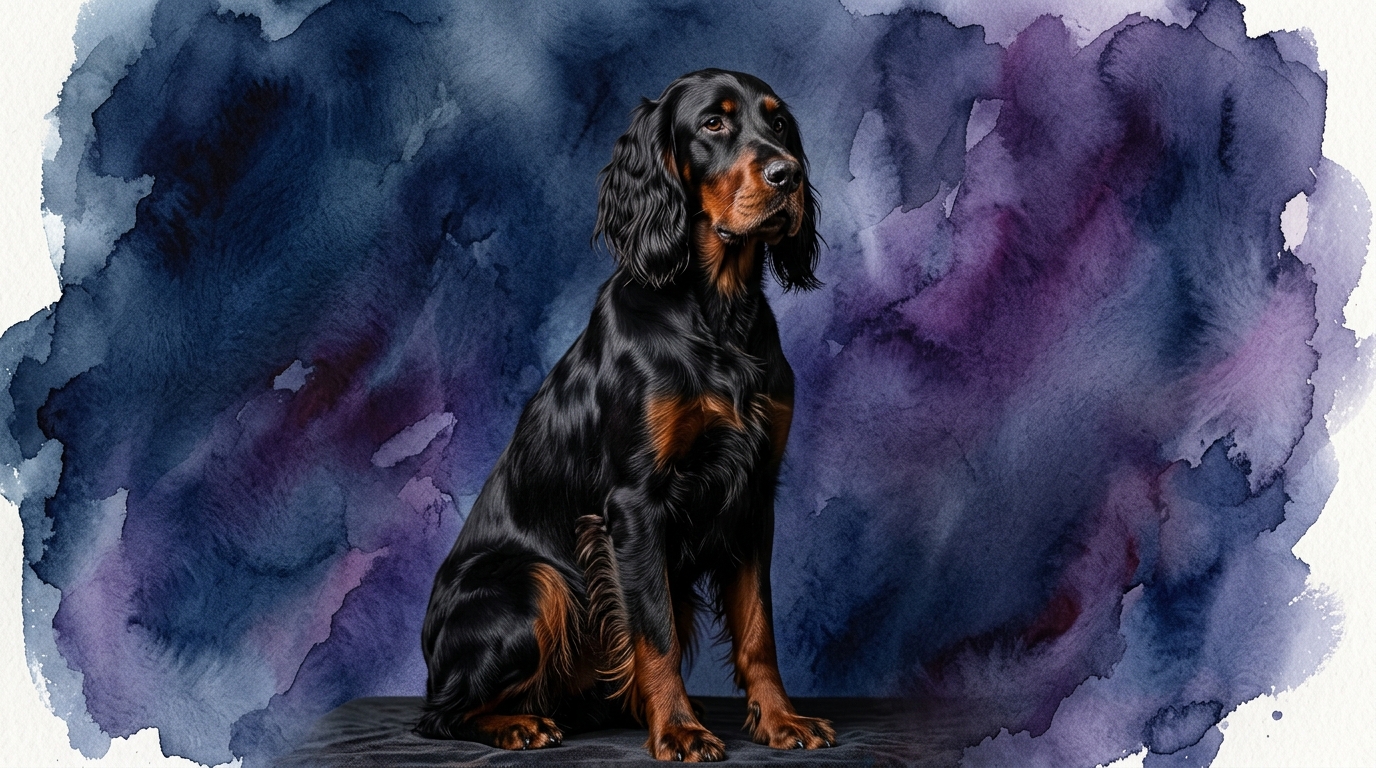
In contrast, the Gordon Setter, a Sporting breed with a Coren ranking of #39, presents a different cognitive blueprint. Their Problem Solving rates at 4/5, Training Speed at 4/5, Social Intelligence at 3/5, Instinctive Drive at 3/5, and Memory at 4/5. This profile speaks to a canine built for purpose, capable of learning and retaining complex sequences, with a moderate drive to act on their innate predispositions.
Where the Havanese Shines Cognitively
The Havanese truly distinguishes itself in the realm of social intelligence, earning a perfect 5/5. This exceptional capacity for understanding and responding to human emotional cues and social contexts means they are profoundly empathetic companions. They excel at reading moods, adapting their behavior to family dynamics, and forming deep, intuitive bonds with their people. This isn't merely about affection; it’s a sophisticated cognitive ability to interpret subtle human signals and integrate seamlessly into the social fabric of a household.
Furthermore, their lower instinctive drive (2/5) can be seen as a cognitive advantage for certain living situations. While a Gordon Setter might be driven by the scent of game or the urge to retrieve, a Havanese is less likely to be sidetracked by external stimuli, preferring to remain engaged with their human companions. This makes them highly adaptable to indoor living and focused on interaction, rather than being constantly compelled by a strong prey drive or territorial instinct. Their cognitive energy is largely directed towards social engagement and companionship.
Where the Gordon Setter Holds the Cognitive Edge
The Gordon Setter’s cognitive strengths lie in areas traditionally valued for working dogs. Their Problem Solving score of 4/5 indicates a superior ability to navigate new situations, figure out how to achieve a goal, or overcome obstacles. This isn't just about simple learned responses; it reflects an capacity for strategic thinking and independent decision-making when faced with novel challenges. This aptitude is crucial for their historical role in hunting, where they needed to make judgments in dynamic environments.
Coupled with their higher Training Speed (4/5) and Memory (4/5), Gordon Setters demonstrate a robust capacity for acquiring and retaining a wide array of commands and complex tasks efficiently. They are often quicker to grasp new concepts and perform multi-step sequences with reliability, a trait that makes them formidable candidates for advanced obedience, field trials, or other performance activities. Their moderate instinctive drive (3/5), while lower than some other sporting breeds, provides a persistent, yet manageable, internal motivation that can be channeled effectively through structured training and activity.
Ease of Training: Behavioral Differences Unpacked
When considering ease of training, the Gordon Setter generally presents a more straightforward path for formal command acquisition due to their superior Training Speed and Memory. They tend to pick up new cues and routines with fewer repetitions and retain them over longer periods. Their higher problem-solving ability also means they can generalize learned behaviors to new situations more readily, making them adaptable to varied training scenarios. This translates to a dog that can progress through obedience levels at a quicker pace, provided their moderate instinctive drive is appropriately engaged.
The Havanese, with a 3/5 in Training Speed and Memory, might take a bit longer to solidify new commands. However, their exceptional social intelligence plays a significant role in their trainability. They are deeply motivated by human approval and connection, making positive reinforcement highly effective. While they might not learn a complex agility course as quickly as a Gordon Setter, their eagerness to please and strong bond with their owner can make them very responsive to training focused on companionship and good manners within a family setting. Their lower instinctive drive means fewer distractions from external stimuli, allowing them to focus on their handler in a social context.
Suitability for Active vs. Relaxed Lifestyles
For owners seeking an active companion, the Gordon Setter is a clear choice. Their background as a sporting dog means they thrive on regular, vigorous exercise and mental challenges. Their higher problem-solving ability and moderate instinctive drive demand outlets like long hikes, retrieving games, or participation in dog sports such as scent work, agility, or field trials. An owner who can provide consistent engagement and channel their natural drive will find a highly fulfilled and cooperative partner, as their cognitive strengths are best utilized in dynamic, goal-oriented activities.
Conversely, the Havanese is an ideal match for more relaxed owners who prioritize companionship and indoor activities. Their lower instinctive drive and moderate energy levels mean they are content with shorter walks, indoor play, and extensive social interaction. While they still benefit from mental stimulation, this often comes in the form of puzzle toys, learning parlor tricks, or simply being an integral part of family life. Their supreme social intelligence means their cognitive needs are largely met through consistent, affectionate human interaction, making them superb companions for those with a less demanding activity schedule.
The Verdict
Choose the Havanese if your primary desire is a deeply empathetic, highly social companion who thrives on close human connection and a more relaxed home environment.
Opt for the Gordon Setter if you lead an active lifestyle, appreciate a dog capable of complex learning and problem-solving, and are prepared to engage their moderate working drive with consistent activity.
🧠 Find Your Pet's IQ Score
Our Pet IQ Lab assessment covers 25+ tests across 5 cognitive dimensions — personalized to your breed.
Take the Full IQ Test →Frequently Asked Questions
Which breed is better for a first-time dog owner?
The Havanese is generally more forgiving for a first-time owner due to their lower instinctive drive and intense focus on social connection, making them adaptable and eager to please in a home setting. Gordon Setters, while trainable, require a more experienced hand to manage their higher energy and working drive effectively.
Do Gordon Setters require more mental stimulation than Havanese?
Yes, Gordon Setters typically require more structured mental stimulation. Their higher problem-solving and memory scores, combined with their moderate instinctive drive, mean they thrive on activities like advanced obedience, puzzle toys, and engaging in sports or simulated hunting scenarios to keep their minds occupied. Havanese also benefit from mental engagement, but often find it sufficiently in social interaction and learning simple tricks.
Which breed is more prone to separation anxiety?
The Havanese, with their exceptionally high social intelligence and deep reliance on human companionship, can be more prone to separation anxiety if not properly acclimated to being alone. Gordon Setters, while forming strong bonds, generally possess a more independent cognitive makeup and moderate social intelligence, potentially making them less susceptible to severe separation distress if their physical and mental needs are met.