Side-by-Side: Unpacking Their IQ Profiles
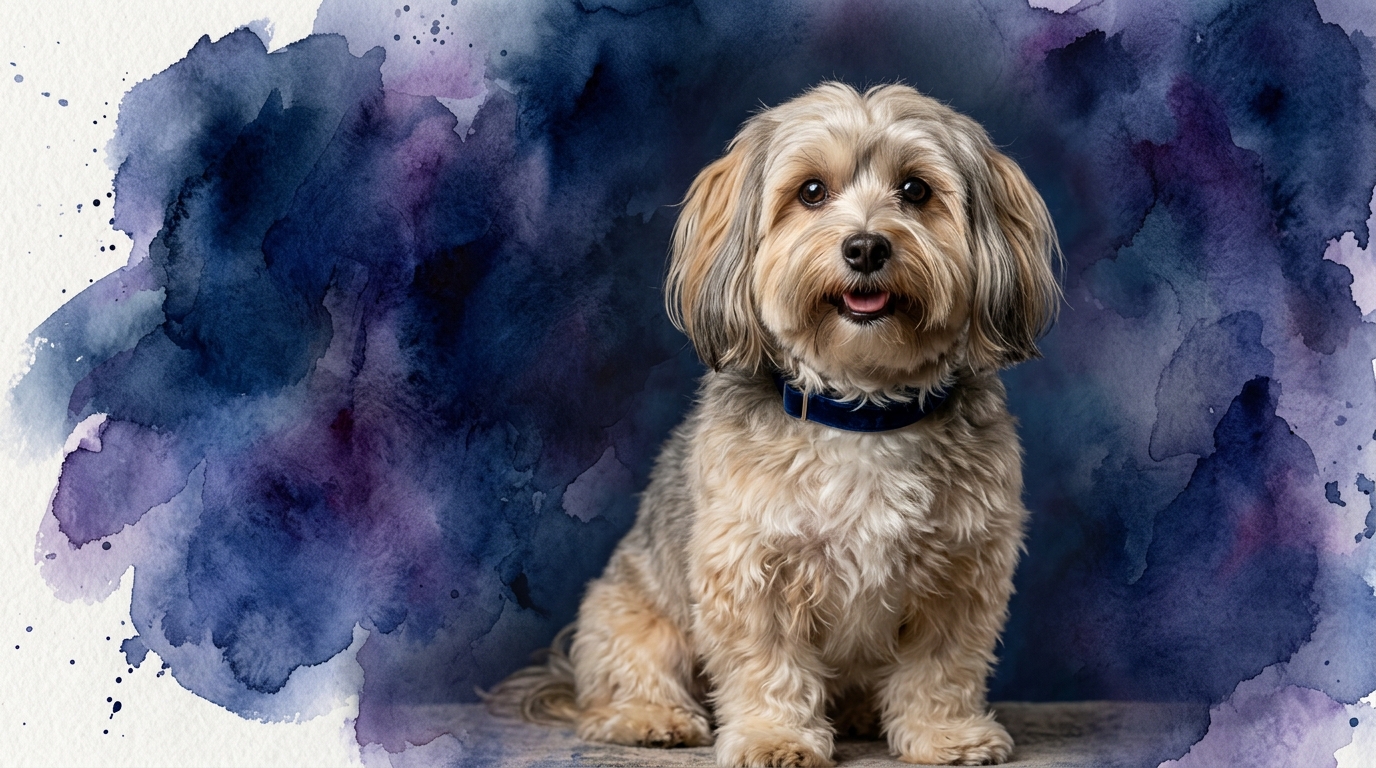
The Cosmic Pet Pet IQ Lab assesses canine cognitive abilities across five critical dimensions, providing a nuanced understanding beyond simple 'smart' or 'not smart' labels. For the Havanese, a toy breed, their profile reveals a problem-solving capacity of 3/5, indicating an average ability to navigate novel challenges or manipulate objects to achieve goals. Their training speed, also 3/5, suggests they learn new commands at a moderate pace, requiring consistent but not overly repetitive instruction. Where the Havanese truly distinguishes itself is in social intelligence, scoring an exceptional 5/5, reflecting a profound aptitude for understanding human cues, emotions, and social structures. Their instinctive drive is low at 2/5, meaning they possess fewer strong innate urges for activities like hunting or guarding, while their memory stands at a solid 3/5, allowing them to retain learned information effectively.
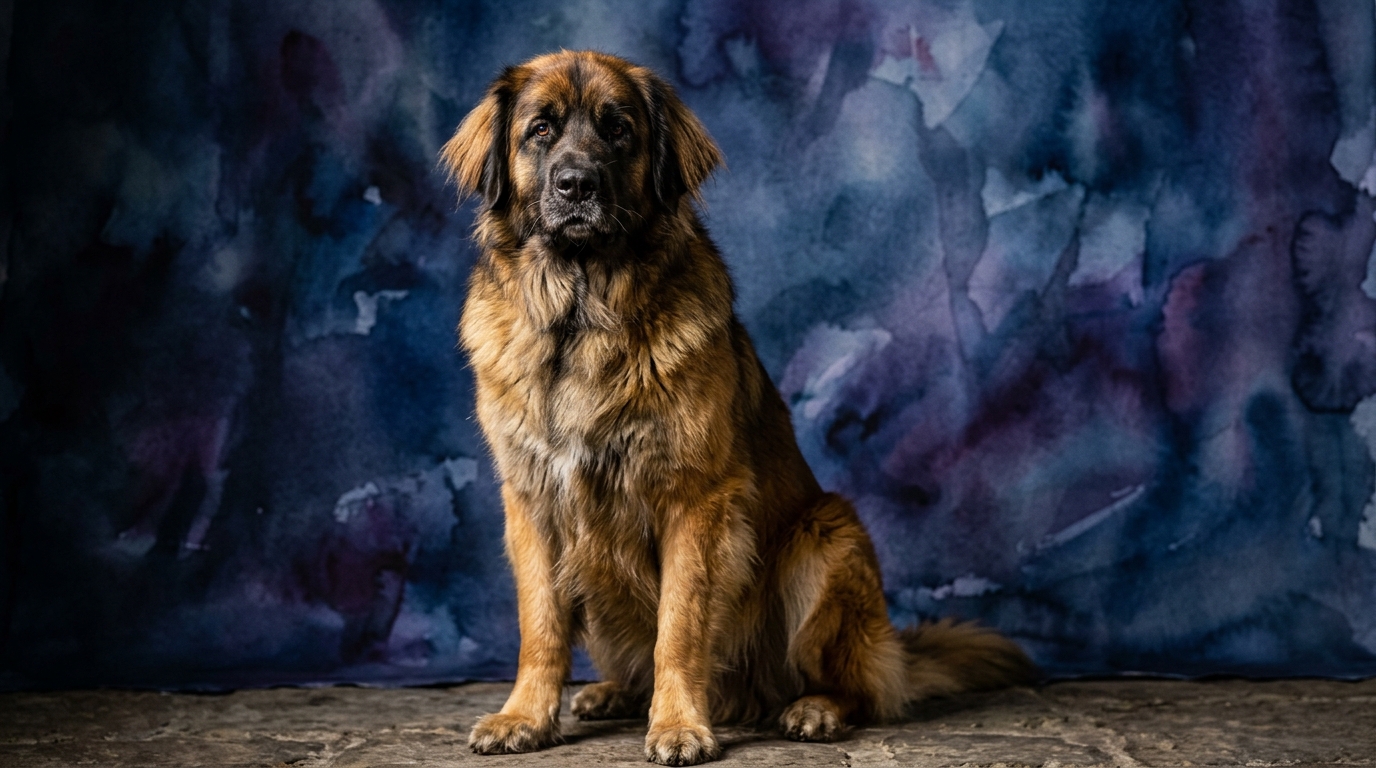
Conversely, the Leonberger, a working breed, presents a remarkably balanced cognitive profile. Their problem-solving ability is rated 3/5, mirroring the Havanese in their capacity to figure out puzzles or work through obstacles. Similarly, their training speed is 3/5, suggesting they absorb new lessons at a comparable rate, valuing clear and consistent communication. The Leonberger's social intelligence is rated 3/5, indicating a good, but not exceptional, ability to interact with and understand human beings and other animals in social contexts. Their instinctive drive is 3/5, reflecting a moderate level of innate urges often associated with their working heritage, such as protective instincts or a desire to 'work.' Finally, their memory also scores 3/5, ensuring they can recall past experiences and learned behaviors reliably. This side-by-side view immediately highlights the Havanese's specialized social acumen against the Leonberger's broad, adaptable intellect.
Where the Havanese Shines Cognitively
The Havanese truly excels in the realm of social intelligence, boasting a perfect 5/5 score. This isn't merely about being 'friendly'; it signifies an advanced capacity to interpret subtle human gestures, vocal inflections, and emotional states. A Havanese can often anticipate an owner's mood or intentions, making them exceptionally attuned companions. This cognitive strength translates into a remarkable ability to integrate seamlessly into family dynamics, adapting quickly to household routines and even offering comfort when a human is distressed. Their low instinctive drive (2/5) further enhances this social prowess, as they are less distracted by primal urges like chasing small animals or territorial guarding. Instead, their cognitive resources are predominantly channeled into understanding and engaging with their human family, making them masters of interpersonal communication within a domestic setting. This allows them to thrive in environments where close human interaction is paramount, often becoming an intuitive emotional barometer for their owners. Their keen observation of human behavior, driven by this high social intelligence, means they can quickly learn what behaviors elicit positive responses, further solidifying their role as cherished family members.
Furthermore, their average problem-solving (3/5) and training speed (3/5), when coupled with their social intelligence, means they often learn through observation and by understanding what pleases their human companions. While they might not be devising complex escape routes, they are adept at solving 'social puzzles' – understanding how to get attention, when to be quiet, or how to subtly prompt an interaction. This makes them highly responsive to positive reinforcement that leverages their desire for social connection, rather than relying solely on repetitive drills. Their memory (3/5) ensures these social lessons and learned responses are retained, building a robust behavioral repertoire centered around harmonious coexistence with people.
Where the Leonberger Demonstrates its Cognitive Strengths
The Leonberger's cognitive strengths lie in its balanced and robust intellectual profile, particularly its consistent 3/5 across problem-solving, training speed, social intelligence, instinctive drive, and memory. This 'jack-of-all-trades' intellect allows the Leonberger to be highly adaptable and reliable in a variety of roles, a hallmark of its working breed origins. Their 3/5 problem-solving capability, while not groundbreaking, is practical and consistent, enabling them to navigate their environment effectively and learn to overcome moderate obstacles. This manifests in their ability to learn complex multi-step tasks or adapt to changing situations without becoming easily flustered. Unlike breeds with extremely specialized cognitive profiles, the Leonberger possesses a broad mental toolkit, making them capable learners across different domains.
Their 3/5 instinctive drive is another key cognitive advantage. It means they possess enough innate motivation for tasks such as guarding, companionship, or even carting, without being overwhelmed by an unmanageable prey drive or excessive territoriality. This moderate drive allows them to channel their natural inclinations into productive and controlled behaviors, making them dependable in their traditional roles as farm dogs or family protectors. Their 3/5 social intelligence, while not as acutely focused on human emotion as the Havanese, provides a stable foundation for respectful and appropriate interactions with family members, strangers, and other animals. This balanced social understanding contributes to their reputation as 'gentle giants' – capable of discerning social cues to maintain peace and order, rather than reacting impulsively. This overall cognitive equilibrium means a Leonberger is often a calm, thoughtful presence, able to process information and respond in a considered manner, making them suitable for environments requiring a steady and predictable temperament.
Training: Havanese vs. Leonberger
When considering ease of training, the Havanese and Leonberger present different pathways. The Havanese, with its exceptional 5/5 social intelligence, is often highly motivated by praise, attention, and the desire to please its human companions. This means they are often eager to engage in training sessions, viewing them as opportunities for bonding and positive interaction. Their 3/5 training speed suggests they absorb new commands at a moderate pace, but their high social attunement often makes them quick to understand what is expected of them, especially when training methods leverage their desire for connection. They are adept at reading their trainer's body language and vocal cues, which can accelerate the learning process despite an average training speed score. However, their low instinctive drive (2/5) means they might not be as naturally inclined towards independent tasks or complex obedience work that doesn't directly involve human interaction; they thrive on being part of the 'pack' and often learn best when directly engaged with their owner.
The Leonberger, on the other hand, with its balanced 3/5 scores across the board, requires a more structured and consistent approach. Their 3/5 training speed means they learn at a steady pace, but their moderate social intelligence (3/5) implies they might not be as inherently driven by the sheer desire to please as a Havanese. Instead, Leonbergers often respond well to clear, fair, and consistent leadership, understanding the 'rules' and expectations. Their 3/5 instinctive drive can be leveraged in training, as they possess a natural desire for purpose and can be motivated by tasks that tap into their working heritage. For instance, teaching a Leonberger to carry a basket or pull a small cart might appeal to their inherent drives more than simply learning 'sit' for a treat. Given their substantial size, early and consistent training is not just beneficial but crucial for a Leonberger, ensuring they learn appropriate behaviors before they become too large to manage easily. While both breeds have a 3/5 memory, the Havanese's social intelligence makes them better at 'reading the room' during training, while the Leonberger's balanced drive makes them more amenable to structured, task-oriented learning.
Matching Breeds to Lifestyles: Active vs. Relaxed Owners
When considering which breed aligns with an active versus a relaxed owner, their cognitive profiles offer clear guidance. The Havanese, characterized by its high social intelligence (5/5) and lower instinctive drive (2/5), is an ideal companion for more relaxed owners or those seeking a highly interactive, indoor-oriented pet. Their cognitive focus is primarily on human connection and social harmony, making them content with moderate daily walks and ample indoor playtime that involves their family. They thrive on being included in daily activities, whether it's lounging on the sofa or accompanying their owner on errands, as long as they are close to their people. Their intelligence shines brightest in social contexts, making them less suited for owners who expect a dog to independently entertain itself or participate in strenuous, task-driven outdoor activities. A relaxed owner who values cuddles, conversation, and a constant, intuitive companion will find the Havanese's cognitive makeup perfectly suited to their lifestyle, as their mental energy is largely invested in monitoring and engaging with their human environment.
Conversely, the Leonberger, with its balanced 3/5 scores across all cognitive dimensions, including a moderate instinctive drive, is better suited for owners who can provide a degree of structure and moderate activity. While not hyperactive, Leonbergers appreciate having a 'job' or purpose, even if it's just a consistent routine of walks, supervised play, or carrying a backpack. Their problem-solving and training speed, combined with their instinctive drive, mean they benefit from engaging activities that stimulate both their body and mind, such as obedience training, scent work, or even just long, exploratory walks. An active owner, or one prepared to incorporate regular, purposeful engagement into their dog's life, will find the Leonberger’s cognitive balance rewarding. They are not designed to be purely decorative; their intelligence thrives on interaction that goes beyond mere companionship, requiring mental and physical stimulation to prevent boredom and channel their moderate drives constructively. Owners who appreciate a calm, yet capable, presence and are willing to invest in consistent training and moderate exercise will find the Leonberger a fulfilling match.
The Verdict
Choose the Havanese if you prioritize a deeply socially intelligent companion who thrives on close human interaction and adapts seamlessly to a family-centric, indoor lifestyle. Their cognitive strengths are rooted in emotional connection and intuitive understanding of human dynamics.
Choose the Leonberger if you seek a balanced, adaptable giant with a moderate drive for purpose and a calm, protective presence, suitable for owners who can provide consistent training and moderate, engaging activities. Their intelligence supports reliability and a thoughtful demeanor.
🧠 Find Your Pet's IQ Score
Our Pet IQ Lab assessment covers 25+ tests across 5 cognitive dimensions — personalized to your breed.
Take the Full IQ Test →Frequently Asked Questions
Is the Havanese a good choice for first-time dog owners?
Yes, the Havanese's high social intelligence and desire to please often make them responsive to training and eager to bond, which can be very encouraging for new owners. Their moderate exercise needs are also manageable for those new to dog ownership.
Do Leonbergers require a lot of exercise?
Leonbergers benefit from moderate, consistent exercise rather than intense bursts. Their balanced instinctive drive means they appreciate purposeful activities like long walks, swimming, or carrying light loads, which help stimulate their minds and bodies without being overly demanding.
How do their memory scores impact their trainability?
Both breeds have a 3/5 memory score, indicating they retain information reliably. This means that once a command or behavior is learned, it is likely to stick, provided training is consistent. The difference in their social intelligence and instinctive drive will influence *how* they best learn and what motivates them to recall those memories.