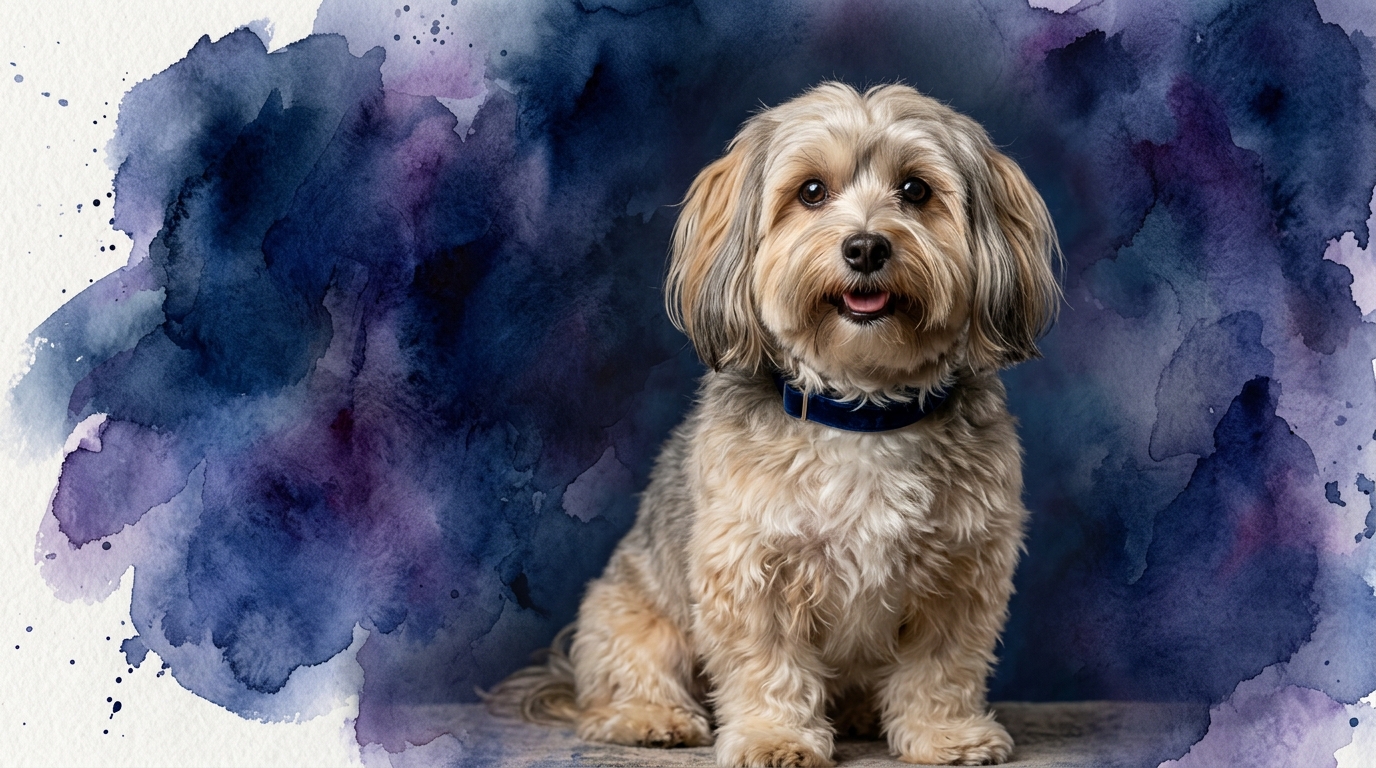
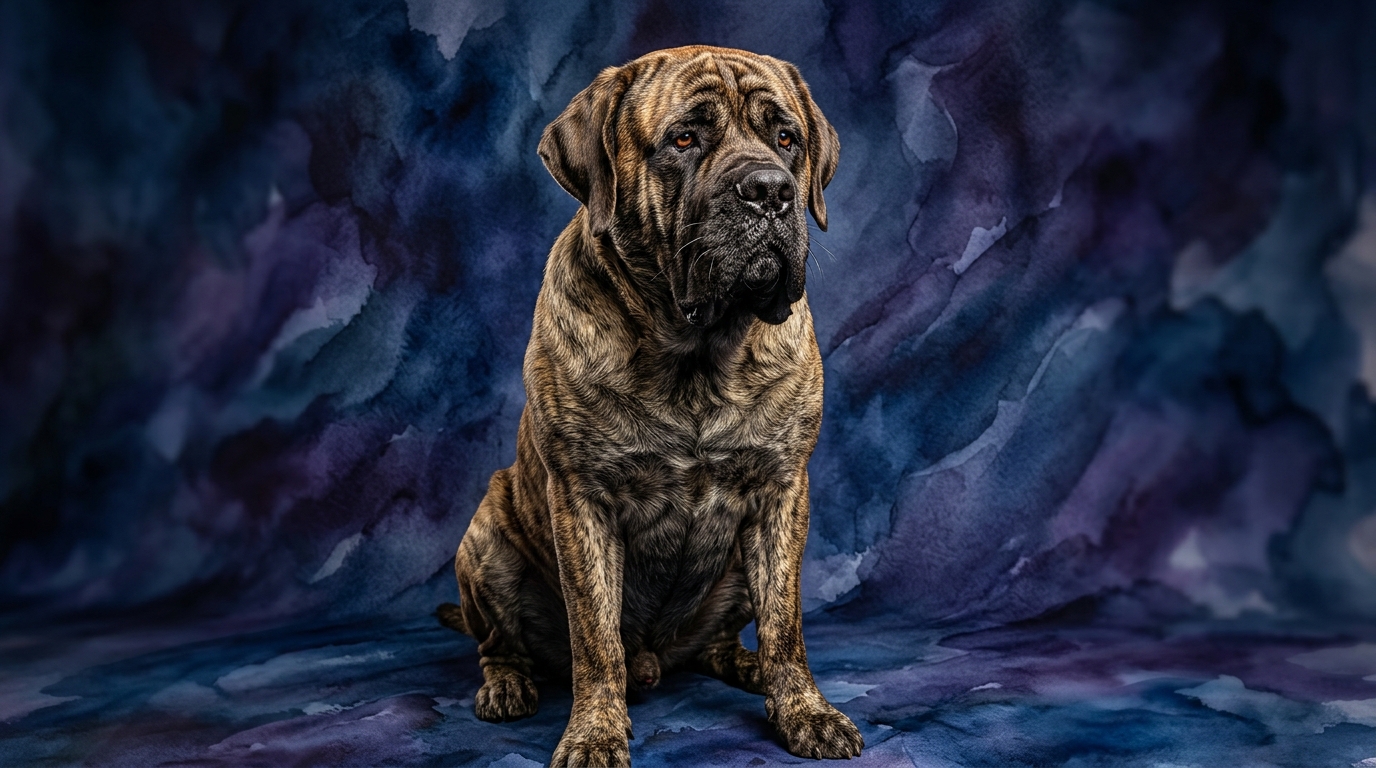
Side-by-Side IQ Profile: Havanese vs. Mastiff
Delving into the cognitive profiles of the Havanese and the Mastiff, we uncover specific strengths and areas where their mental faculties align or diverge. Our Cosmic Pet Pet IQ Lab assesses five crucial dimensions of canine intelligence, providing a nuanced understanding beyond general perceptions.
For Problem Solving, both breeds score a moderate 3/5. This indicates that neither is a prodigy at navigating complex new scenarios or puzzles, nor are they particularly stumped by them. They possess a reasonable capacity to figure things out, applying learned behaviors or trial-and-error to overcome obstacles, though perhaps not with lightning speed or innovative flair. This moderate score suggests they can adapt to new routines and minor challenges in their environment without excessive frustration.
Training Speed also sees both breeds at a 3/5. This metric reflects the pace at which a dog acquires new commands or behaviors. A score of 3/5 implies a steady, average learning curve. They aren't the quickest studies, requiring consistent repetition and patience from their trainers, but they are far from stubborn or slow to grasp concepts. Success with both breeds relies on clear communication and positive reinforcement over time.
Social Intelligence is where the most significant difference emerges. The Havanese shines with a perfect 5/5, while the Mastiff registers a moderate 3/5. The Havanese possesses an exceptional ability to read and respond to human emotions, cues, and social dynamics. They are highly attuned to their family's moods and interactions, often anticipating needs or reacting empathetically. The Mastiff, while capable of forming strong bonds, does not exhibit the same nuanced understanding of complex social situations, often relying on more direct communication and a less intricate interpretation of human behavior.
Instinctive Drive presents another contrast, with the Havanese at 2/5 and the Mastiff at 3/5. The Havanese, a companion breed, exhibits a lower drive for primal behaviors such as hunting, herding, or guarding. This makes them highly adaptable to a purely domestic existence, with less inclination to follow strong inherent urges. The Mastiff, originating as a working guardian breed, retains a moderate level of instinctive drive, particularly concerning protection and territoriality. This drive, while not overwhelming, forms a core part of their cognitive makeup, influencing their awareness of their surroundings and their family's safety.
Finally, Memory for both breeds sits at a 3/5. This indicates a moderate capacity to recall learned commands, past experiences, and routines. Neither breed is prone to forgetting what they've learned overnight, but neither possesses an eidetic recall either. Consistent reinforcement and practice are beneficial for both to solidify training and maintain good habits over the long term. This moderate memory score means they will benefit from regular refreshers of commands and boundaries.
Where the Havanese Excels Cognitively
The Havanese's cognitive strengths are profoundly rooted in their exceptional Social Intelligence, scoring a rare 5/5. This isn't merely about being friendly; it's a sophisticated capacity to interpret the subtle nuances of human interaction. A Havanese can often read a change in your facial expression or tone of voice, understanding whether you're pleased, stressed, or needing comfort. This high social IQ allows them to form incredibly deep, empathetic bonds, making them intuitive companions who often seem to anticipate their human's emotional state. They thrive on being part of the family's daily life, actively observing and engaging with the social dynamics around them.
Furthermore, their social acumen translates into remarkable adaptability in varied social settings. Whether it's a bustling family gathering or a quiet evening at home, a Havanese can adjust their behavior to fit the mood, often charming their way into the center of attention or quietly offering companionship. This skill set is invaluable for owners seeking a dog that integrates seamlessly into a socially active household, capable of navigating complex human relationships with grace and understanding. Their ability to subtly communicate their own needs and desires through body language and vocalizations is a testament to this profound social awareness, often making them feel like a true confidante rather than just a pet.
Where the Mastiff Shows Cognitive Prowess
The Mastiff's cognitive strengths, while less overtly social than the Havanese, are deeply connected to their historical role and moderate Instinctive Drive of 3/5. Their intelligence shines in their capacity for quiet vigilance and their inherent understanding of protection. This isn't just a reactive instinct; it's a cognitive awareness of their territory and their family's safety. They possess an innate sense of responsibility, often discerning legitimate threats from harmless occurrences with a calm, measured assessment. This discerning nature requires a specific type of environmental problem-solving, where they evaluate situations based on subtle cues and their internal guarding blueprint, rather than solely reacting to immediate stimuli.
Their moderate instinctive drive, particularly for territoriality, translates into a profound environmental awareness. A Mastiff is often acutely aware of who is approaching the home, what sounds are out of place, or any changes in their familiar surroundings. This vigilance is a cognitive strength, enabling them to act as a steadfast guardian. Their memory (3/5) plays a crucial role here, allowing them to recall familiar faces and distinguish them from strangers, reinforcing their protective role with a solid foundation of recognition and learned boundaries. This makes them excellent at their historical purpose, providing a sense of security through their steady, observant presence.
Training Dynamics: Havanese vs. Mastiff
Both the Havanese and the Mastiff share a Training Speed score of 3/5, suggesting neither is inherently faster or slower at learning commands. However, the underlying behavioral differences stemming from their other IQ dimensions significantly impact the training experience.
For the Havanese, their stellar Social Intelligence (5/5) is a powerful motivator. They thrive on human interaction and approval, making positive reinforcement highly effective. They genuinely want to please their people, which transforms training into a collaborative, engaging activity. While they might learn at a moderate pace, their eagerness to connect and engage with their trainer can make the process feel smoother and more rewarding for both parties. They are less likely to display stubbornness if their social needs are consistently met through praise, play, and attention. The challenge might arise in channeling their lower Instinctive Drive (2/5) into tasks that don't inherently appeal to their companion nature, requiring creativity to make training feel like a fun, social game.
The Mastiff, with a moderate Social Intelligence (3/5), approaches training with a different mindset. While they form deep bonds, they are often less overtly eager to please in the same effusive way as a Havanese. They respond best to clear, consistent, and confident leadership, respecting a calm and firm approach. Their moderate Instinctive Drive (3/5), particularly for protection, can be channeled into specific tasks, but it also means they possess a stronger independent streak. Training a Mastiff requires significant patience, a physically present and authoritative demeanor, and a focus on building mutual respect. Their sheer size dictates that early and consistent training in obedience and leash manners is not just beneficial, but critical for managing such a powerful animal safely in various environments. While they learn at an average speed, their motivation is often rooted in routine and established hierarchy rather than constant social affirmation.
Matching Breeds to Lifestyles: Active vs. Relaxed Owners
When considering a Havanese or a Mastiff, the owner's lifestyle significantly impacts the suitability of each breed, particularly concerning their activity levels and innate drives.
The Havanese is an excellent match for more relaxed owners or those living in smaller spaces. Their lower Instinctive Drive (2/5) means they don't possess a burning need for extensive outdoor work or strenuous physical activity. While playful and enjoying short bursts of activity, they are primarily companion dogs who thrive on indoor interaction and being close to their family. Their high social intelligence means they are content to observe and participate in daily household life, making them ideal for apartment dwellers, seniors, or individuals whose lifestyle is less physically demanding but rich in companionship. They are adaptable to various domestic routines, finding contentment in simply being near their people, whether on the couch or a short stroll around the block.
The Mastiff, despite its imposing size, is often described as a 'gentle giant' and is generally calm indoors, making them suitable for owners who appreciate a relaxed home environment. However, their moderate Instinctive Drive (3/5) and sheer physical presence mean 'relaxed' comes with specific responsibilities. They require regular, moderate exercise to maintain their health and prevent boredom, but they are not high-energy dogs needing constant, intense activity. The critical caveat for Mastiff owners is their protective instinct. Owners must be prepared for the lifelong commitment of managing a large, powerful dog with a guardian's mindset. This involves consistent training, extensive socialization from a young age, and the ability to physically handle such a large animal. Therefore, while their daily physical activity may be moderate, the cognitive and managerial demands on the owner are substantial, making them suited for calm but responsible and experienced individuals who understand the nuances of a working breed's temperament.
The Verdict
Choose the Havanese if you desire an exceptionally socially intelligent, empathetic companion who thrives on close interaction and adapts beautifully to a less physically demanding lifestyle, making them perfect for apartment dwellers or those seeking a devoted, charming shadow.
Choose the Mastiff if you seek a calm, steadfast, and protective guardian with a strong sense of family loyalty, are prepared for the significant responsibilities of a large breed, and appreciate a dog whose intelligence manifests in quiet vigilance and a steady, reassuring presence rather than effusive social theatrics.
🧠 Find Your Pet's IQ Score
Our Pet IQ Lab assessment covers 25+ tests across 5 cognitive dimensions — personalized to your breed.
Take the Full IQ Test →Frequently Asked Questions
Are Havanese easy to housetrain?
Havanese, with their moderate memory and high social intelligence, can be housetrained effectively with consistent positive reinforcement and a reliable schedule. They want to please their people, which aids in learning appropriate bathroom habits quickly, though their smaller bladders necessitate frequent opportunities.
Do Mastiffs need a lot of mental stimulation?
Mastiffs benefit from moderate mental stimulation to prevent boredom, which can manifest in undesirable behaviors. While not requiring constant complex puzzles, engaging their moderate problem-solving and instinctive drives through scent work, chew toys, and consistent training keeps their minds active and satisfied.
Which breed is better with children, Havanese or Mastiff?
Havanese, with their exceptional social intelligence, are generally gentle and adaptable companions for children, often enjoying interactive play. Mastiffs can be wonderful, patient family guardians due to their calm demeanor, but their sheer size and moderate protective instincts necessitate careful supervision with very young children to prevent accidental bumps or misunderstandings.