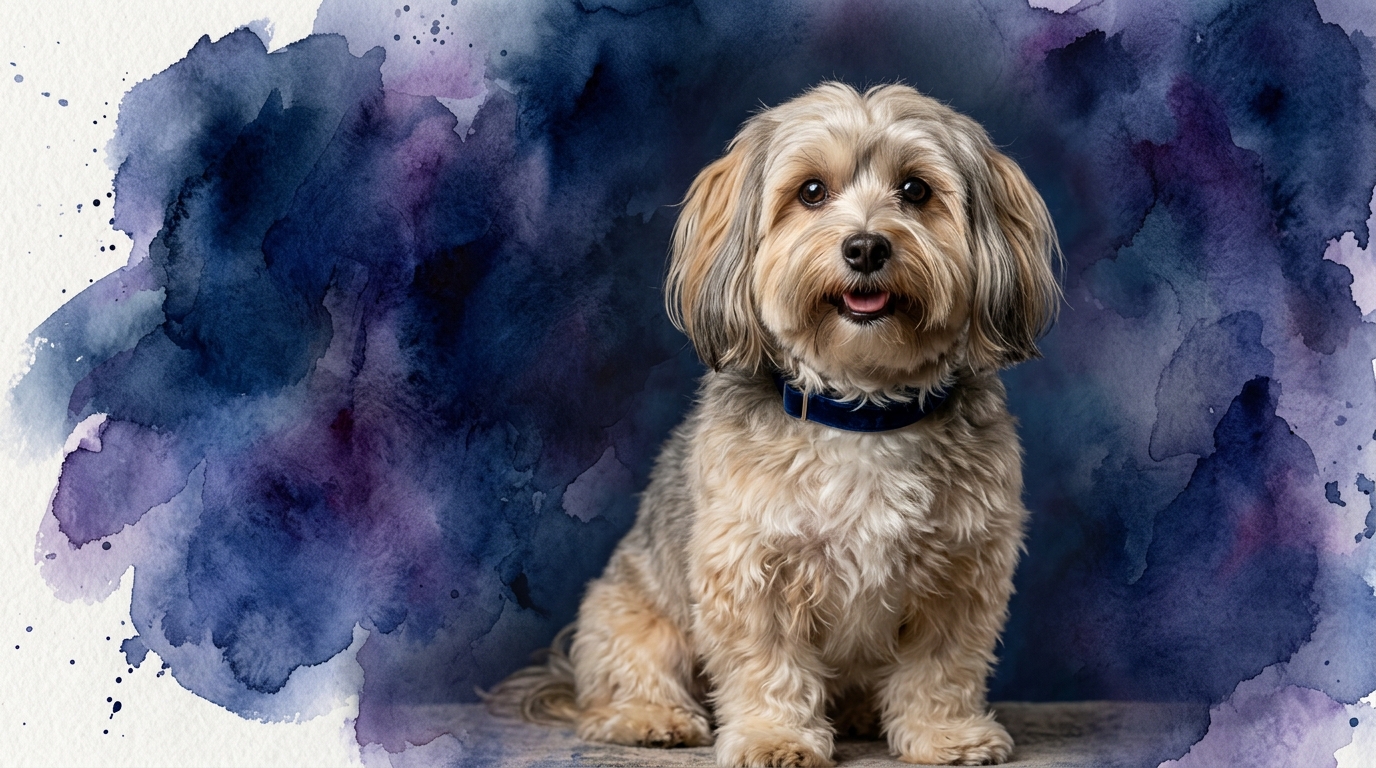
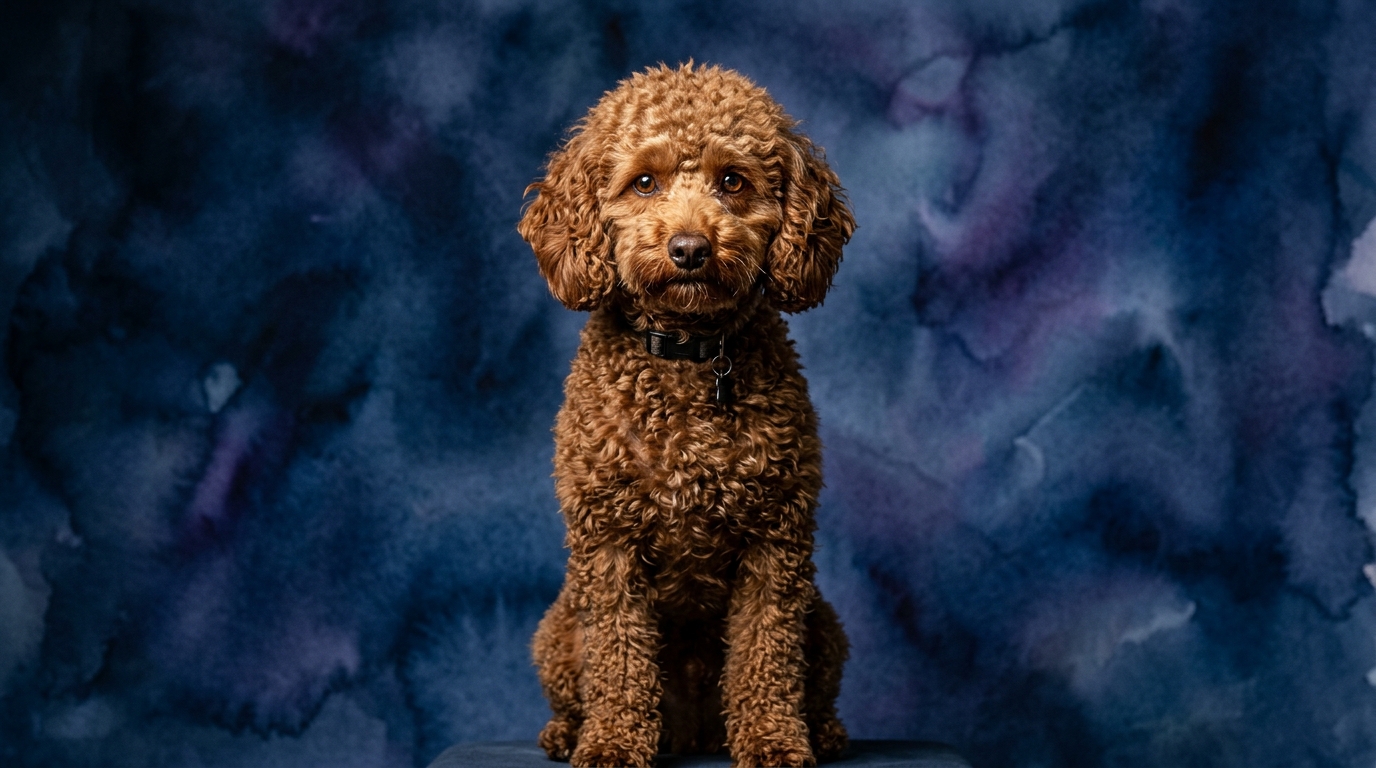
Side-by-Side Cognitive Profiles: Havanese vs. Miniature Poodle
The Cosmic Pet Pet IQ Lab assesses canine cognition across five vital dimensions, painting a nuanced picture of each breed's mental aptitude. For the Havanese, a Toy group dog, we observe a Problem Solving score of 3/5, indicating a moderate capacity for independent thought and creative solutions to novel challenges. Its Training Speed is also 3/5, suggesting a steady learning pace that requires consistent, positive reinforcement. However, the Havanese truly shines in Social Intelligence, earning a perfect 5/5, reflecting an exceptional ability to understand and respond to human emotions and social cues. Its Instinctive Drive, rated at 2/5, points to a lower inclination for primal behaviors like hunting or guarding, making it less prone to independent pursuits. Memory for the Havanese stands at 3/5, implying a decent retention of learned commands and experiences over time.
In contrast, the Miniature Poodle, a Non-Sporting group dog with a Coren rank of #2, presents a different cognitive profile. It achieves a remarkable 5/5 in Problem Solving, showcasing a robust capacity for analytical thought and effective strategy formulation. Its Training Speed mirrors this at 5/5, signifying a rapid assimilation of new information and commands, often requiring fewer repetitions. The Miniature Poodle's Social Intelligence is rated 3/5, indicating a solid understanding of human interactions but perhaps not the same profound emotional attunement as the Havanese. Its Instinctive Drive is 3/5, a moderate score suggesting some inherent drive for activity or purpose, often channeled into structured tasks. Finally, its Memory is outstanding at 5/5, demonstrating an impressive ability to recall a vast repertoire of learned behaviors and complex sequences over extended periods.
Where the Havanese Wins Cognitively
The Havanese truly excels in the realm of social cognition, an area where its 5/5 score in Social Intelligence sets it apart. This superior aptitude means Havanese dogs are exceptionally adept at reading subtle human body language, vocal inflections, and emotional states. They possess a profound capacity for empathy, often seeming to anticipate their owner's moods and reacting with appropriate comfort or playful engagement. This makes them unparalleled companions for individuals seeking a deeply connected and emotionally responsive canine partner. Their lower Instinctive Drive (2/5) further enhances this companionability, as their focus is less on independent exploration or prey drive and more on maintaining close proximity and interaction with their human family. This cognitive predisposition allows them to integrate seamlessly into family life, often becoming the emotional barometer of the household.
Where the Miniature Poodle Wins Cognitively
The Miniature Poodle demonstrates a clear cognitive advantage in areas demanding intellect and retention, scoring 5/5 in Problem Solving, Training Speed, and Memory. Their exceptional Problem Solving ability means they are quick to grasp complex concepts, figure out puzzles, and adapt strategies in novel situations, often displaying ingenuity in navigating their environment or achieving desired outcomes. This is beautifully complemented by their 5/5 Training Speed, allowing them to acquire new commands and intricate routines with remarkable efficiency and minimal repetition. Furthermore, their 5/5 Memory ensures that once a skill or behavior is learned, it is retained for extended periods, building a vast repertoire of knowledge. This robust combination makes the Miniature Poodle an astute learner, capable of mastering advanced obedience, complex tricks, and even specialized tasks with precision and reliability. Their moderate Instinctive Drive (3/5) provides a good foundation for channeling their mental energy into constructive activities.
Which is Easier to Train and Why?
When comparing ease of training, the Miniature Poodle holds a distinct advantage due to its superior cognitive attributes in Training Speed and Memory. With a 5/5 in Training Speed, Miniature Poodles absorb new commands and routines remarkably quickly, often requiring only a few repetitions before grasping a concept. Their 5/5 Memory ensures these lessons are retained for the long term, making proofing behaviors across different environments more straightforward. For instance, a Miniature Poodle can learn a multi-step agility sequence or a complex service task with fewer training sessions and greater consistency. The Havanese, with its 3/5 Training Speed and 3/5 Memory, is certainly trainable, but owners might find the process requires more patience and a greater number of repetitions to solidify new behaviors. While Havanese are eager to please and socially motivated, their cognitive processing speed for new commands is not as rapid. An owner might need to break down tasks into smaller steps for a Havanese, whereas a Miniature Poodle might grasp the entire sequence more readily.
Cognitive Alignment: Active vs. Relaxed Owners
The distinct cognitive profiles of these two breeds naturally align them with different owner lifestyles. The Miniature Poodle, with its 5/5 Problem Solving and 5/5 Training Speed, thrives with active owners who enjoy engaging in structured activities, advanced training, or canine sports like agility, obedience, or rally. They possess the mental stamina and desire for purpose that makes them excellent partners for challenging tasks and regular mental stimulation. An owner who enjoys teaching complex sequences or problem-solving games will find the Miniature Poodle an enthusiastic and capable participant. Conversely, the Havanese, with its 5/5 Social Intelligence and lower 2/5 Instinctive Drive, is an ideal match for more relaxed owners seeking a deeply connected and emotionally attuned companion. Their primary motivation is social interaction and close companionship rather than performing complex tasks or independent work. They are content with gentle play, cuddling, and being an integral, observant part of daily family life, making them perfect for those who prioritize emotional connection over competitive pursuits or demanding physical challenges.
The Verdict
Choose the Havanese if you prioritize a deeply empathetic and emotionally responsive companion who thrives on close social connection and gentle interaction.
Opt for the Miniature Poodle if you seek an astute learner eager for structured training, complex tasks, and consistent mental engagement in various activities.
🧠 Find Your Pet's IQ Score
Our Pet IQ Lab assessment covers 25+ tests across 5 cognitive dimensions — personalized to your breed.
Take the Full IQ Test →Frequently Asked Questions
Do Havanese need less mental stimulation than Miniature Poodles?
Havanese prioritize social engagement and emotional connection, thriving on interaction with their family. While they don't require the same level of complex problem-solving tasks as Miniature Poodles, consistent social interaction and gentle play are crucial for their cognitive well-being.
Can a Havanese excel in dog sports like agility?
While Havanese possess moderate Problem Solving and Training Speed, their primary cognitive strength lies in Social Intelligence. They can certainly participate in dog sports, but a Miniature Poodle's superior Problem Solving, Training Speed, and Memory might make it a more naturally adept and consistent competitor in activities requiring intricate sequences and rapid learning.
How does a Miniature Poodle's social intelligence compare to a Havanese?
A Miniature Poodle scores 3/5 in Social Intelligence, meaning they are capable of understanding human cues and forming bonds. However, the Havanese, at 5/5, demonstrates a more profound emotional attunement and a greater capacity for empathetic interaction, often appearing more sensitive to subtle human emotional shifts.