Side-by-Side IQ Profile
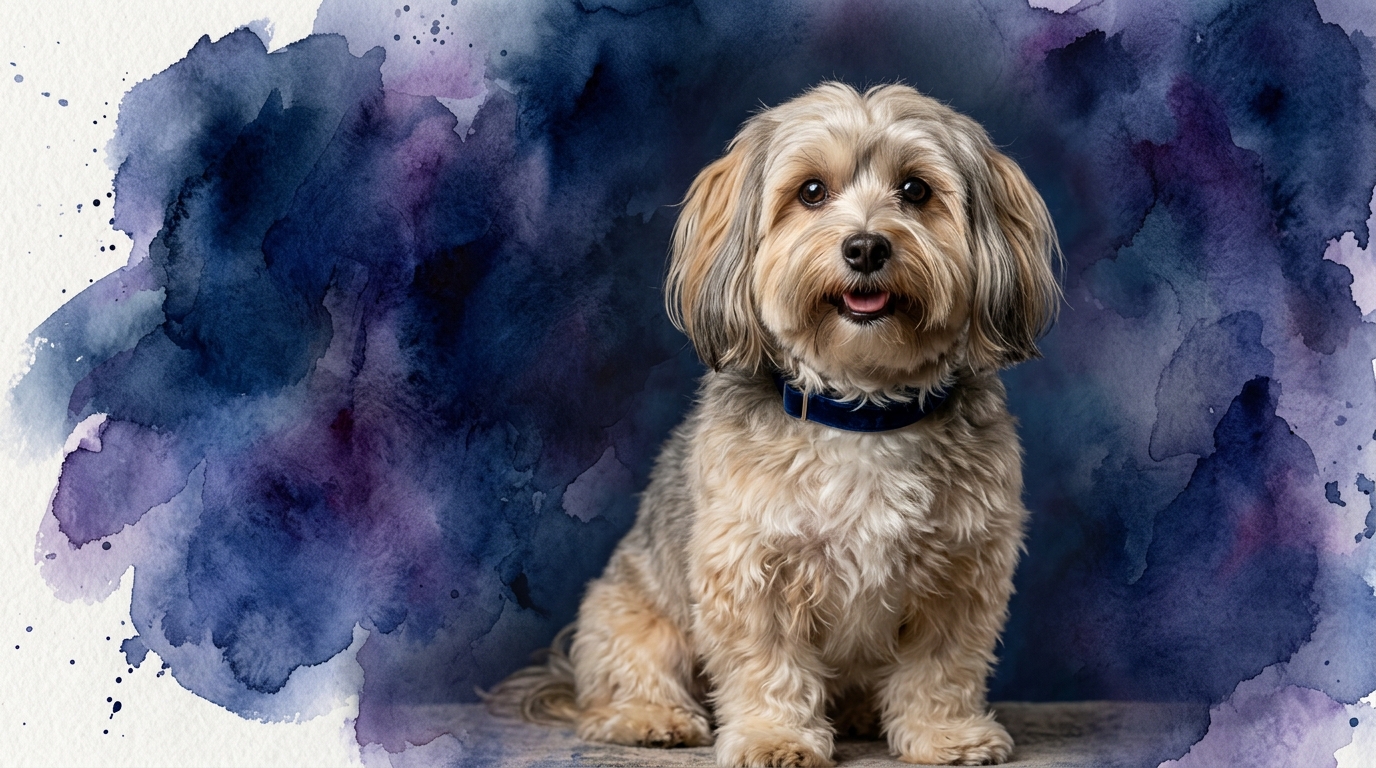
The Cosmic Pet Pet IQ Lab evaluates canine intelligence across five key dimensions, offering a nuanced view of how different breeds think and learn. For the Havanese, a member of the Toy group, their profile highlights a balanced cognitive approach with a standout social aptitude. Their Problem Solving is rated 3/5, indicating an adequate capacity to navigate moderately complex challenges, such as figuring out how to access a favorite toy or solving simple treat puzzles. Training Speed also registers at 3/5, meaning they typically pick up new commands and routines at a steady, manageable pace, responding well to consistent, positive reinforcement. Where the Havanese truly shines is in Social Intelligence, earning a perfect 5/5; this reflects an exceptional ability to read human emotions, adapt to social cues, and form strong, empathetic bonds, often anticipating their family's moods and needs. Their Instinctive Drive is a modest 2/5, suggesting a relatively low prey drive or guarding instinct, with their primary motivations centered on companionship and interaction. Finally, their Memory is 3/5, allowing them to retain learned behaviors and experiences adequately, recalling past training or daily routines with consistency.
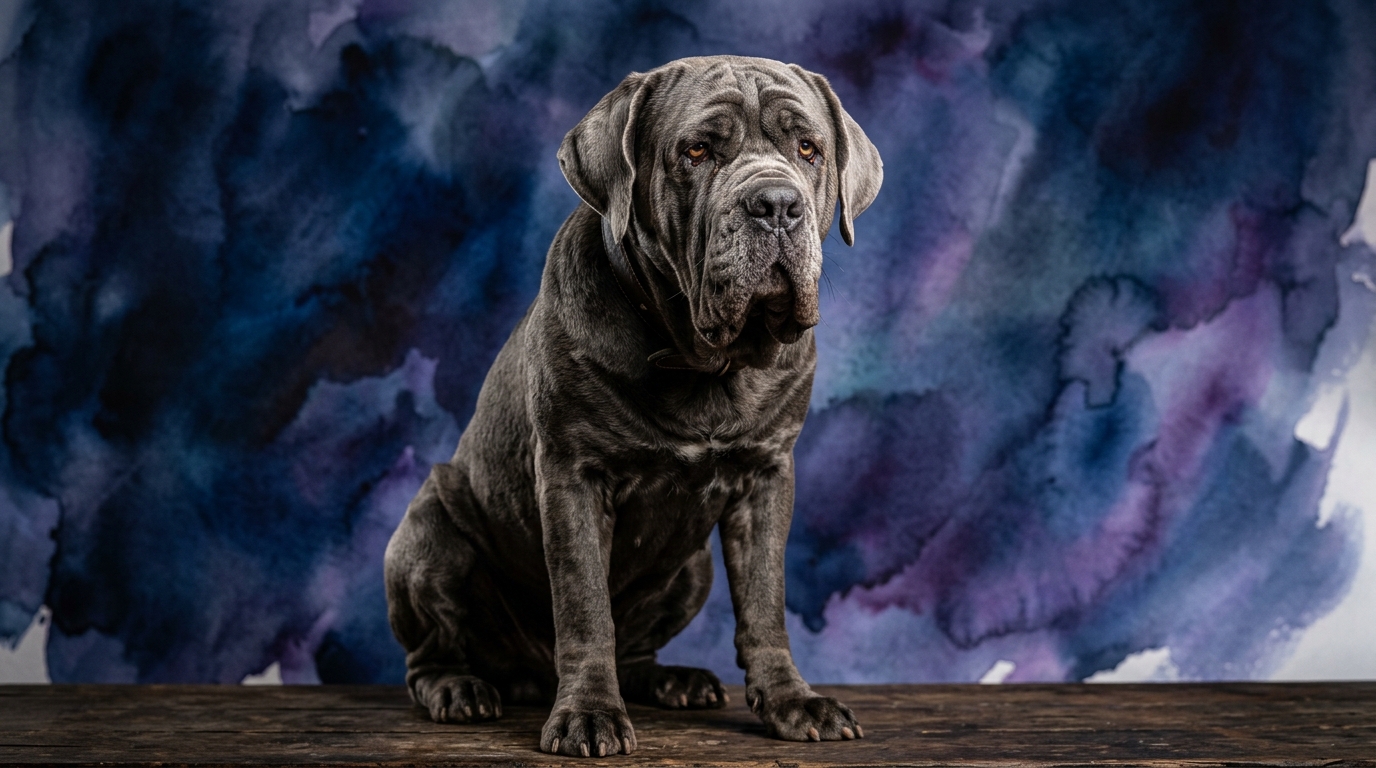
In stark contrast, the Neapolitan Mastiff, a member of the Working group, presents a cognitive profile shaped by its ancient lineage as a protector and guardian. Like the Havanese, their Problem Solving is also rated 3/5, though their application of this skill often leans towards practical, real-world scenarios like assessing environmental changes or finding secure vantage points within their territory. Their Training Speed mirrors the Havanese at 3/5, indicating a moderate learning pace that requires patience and a deep understanding of their independent, often thoughtful nature. The Neapolitan Mastiff's Social Intelligence is rated 3/5; while they form profoundly loyal and protective bonds with their immediate family, their expression of social awareness is less outwardly effusive than the Havanese, focusing more on discerning friend from potential threat. Their Instinctive Drive is 3/5, reflecting a natural and pronounced guarding instinct and territorial awareness, driven by a deep desire to protect their home and loved ones. Their Memory, like the Havanese, is 3/5, enabling them to reliably recall routines, people, and past experiences, which is crucial for their role as a consistent guardian.
Where Havanese Wins Cognitively
The Havanese demonstrates a clear cognitive advantage in the realm of social intelligence, scoring a remarkable 5/5 compared to the Neapolitan Mastiff's 3/5. This isn't merely about being friendly; it signifies a profound capacity for emotional attunement and complex social navigation. A Havanese is exceptionally adept at reading subtle human cues, such as shifts in tone of voice, body language, or even unspoken emotional states, allowing them to respond with uncanny empathy. This heightened social awareness enables them to seamlessly integrate into family dynamics, often acting as intuitive emotional support animals who instinctively know when to offer comfort or solicit interaction. Their superior social intelligence also contributes to their adaptability in diverse social settings, making them less prone to anxiety in new environments if properly socialized, as they are quick to understand and respond to the prevailing social norms. They excel at fostering deep, reciprocal bonds, often anticipating their owner's next move or desire through observation and social learning, making them highly responsive companions.
Where Neapolitan Mastiff Wins Cognitively
While both breeds share a 3/5 rating in problem-solving and memory, the Neapolitan Mastiff's distinct cognitive strengths emerge when these capabilities are combined with its higher Instinctive Drive (3/5 vs. Havanese's 2/5). This breed's problem-solving often manifests in practical, security-oriented ways. For instance, a Neapolitan Mastiff might meticulously patrol its territory, identifying vulnerable points in a fence or assessing unfamiliar sounds, rather than impulsively reacting. Their memory, coupled with this drive, makes them exceptionally reliable guardians who precisely recall who belongs and who doesn't, remembering the scent, appearance, and typical routines of trusted individuals. This isn't just about simple recall; it's about applying memory to a complex, evolving situation to maintain safety and order. Their cognitive processes, while perhaps slower and more deliberate than some breeds, are geared towards thoughtful assessment and strategic protection, allowing them to make nuanced judgments about potential threats and respond with measured, rather than frantic, action.
Which is Easier to Train and Why
Both the Havanese and the Neapolitan Mastiff share a 3/5 rating for Training Speed, suggesting they learn new commands at a moderate pace. However, the practical experience of training them can differ significantly due to their other cognitive dimensions. The Havanese's exceptional Social Intelligence (5/5) means they are often inherently more motivated to please their human companions and are highly attuned to feedback, making cooperative training sessions generally smoother and more rewarding. Their eagerness to engage and their ability to quickly grasp human intentions often translates into a more enthusiastic participant in training. Furthermore, their lower Instinctive Drive (2/5) means they are less likely to be distracted by strong innate urges like hunting or territorial guarding, allowing them to focus more readily on the task at hand.
In contrast, while the Neapolitan Mastiff also learns at a moderate speed, their training requires a different approach. Their Social Intelligence of 3/5, coupled with a more independent and sometimes stubborn demeanor, means they may not always be as overtly eager to please as a Havanese. They require a patient, consistent, and confident trainer who understands how to motivate a thoughtful, often self-assured breed. Their higher Instinctive Drive (3/5) means that early and consistent socialization and training are crucial to channel their natural guarding tendencies appropriately, ensuring they discern real threats from everyday occurrences. Without proper guidance, their innate drives could lead to behaviors that are challenging to manage given their formidable size. Therefore, while both learn at a similar rate, the Havanese's inherent social nature often makes the training process feel easier and more collaborative for the average owner.
Which Suits Active Owners vs. Relaxed Owners
When considering owner lifestyles, both breeds present unique considerations that challenge simple categorizations of "active" or "relaxed." The Havanese, despite being a Toy breed, thrives on mental engagement and consistent human interaction, driven by their superior Social Intelligence. An owner who enjoys puzzle toys, trick training, and regular companionship, whether active outdoors or relaxed indoors, would find a Havanese a delightful fit. They are adaptable to apartment living or larger homes, provided their core need for social connection and mental stimulation is met. A "relaxed" owner who is consistently present, engaging, and willing to provide daily mental enrichment and gentle walks would suit a Havanese perfectly. Their physical exercise needs are moderate, but their need for social interaction is paramount.
The Neapolitan Mastiff, on the other hand, is a large breed with surprisingly moderate physical exercise requirements, often content with a daily leisurely walk and a secure yard for patrolling. This might suggest suitability for "relaxed" owners in terms of physical activity. However, their strong Instinctive Drive and thoughtful nature demand an owner who is "active" in a different sense: actively committed to consistent, early, and ongoing socialization, firm training, and understanding breed-specific needs. They are not a breed for a truly hands-off or physically intense owner. Their protective instincts require diligent management and a confident leader. Therefore, they suit owners who are calm, patient, and prepared for a significant long-term commitment to guiding a powerful, loyal companion, rather than someone seeking a jogging partner or a low-maintenance pet.
The Verdict
Choose the Havanese if you prioritize a highly empathetic, socially attuned companion eager to engage intimately in family life, offering consistent emotional support and lively, adaptable companionship in various settings. They are ideal for individuals or families seeking a responsive, sensitive dog that thrives on connection and mental games over intense physical exertion.
Opt for the Neapolitan Mastiff if you seek a loyal, protective presence with a thoughtful, discerning demeanor, and are prepared to dedicate significant time and effort to patient, consistent guidance, ensuring a well-adjusted and formidable guardian. They are best for experienced owners who appreciate a calm, watchful giant and understand the commitment required for responsible ownership of a large, protective breed.
🧠 Find Your Pet's IQ Score
Our Pet IQ Lab assessment covers 25+ tests across 5 cognitive dimensions — personalized to your breed.
Take the Full IQ Test →Frequently Asked Questions
Is the Havanese a good choice for first-time dog owners?
Yes, their high social intelligence and eagerness to please often make them responsive to training and adaptable to new environments, which can be beneficial for novices. Their relatively low instinctive drives also simplify management compared to breeds with stronger innate urges, making them a more forgiving companion.
How much exercise does a Neapolitan Mastiff require?
Despite their imposing size, Neapolitan Mastiffs have moderate exercise needs, typically satisfied with a daily leisurely walk and some secure yard time for patrolling. Over-exercising them, especially when young, can be detrimental to their developing joints and overall health, so controlled activity is key.
Do Neapolitan Mastiffs make good family pets?
With proper socialization from a young age, Neapolitan Mastiffs can be exceptionally devoted and gentle family members, especially with children they've grown up with. Their protective instincts mean they need clear boundaries and consistent training to ensure they appropriately discern threats and integrate harmoniously into the household.