Side-by-Side Cognitive Profiles
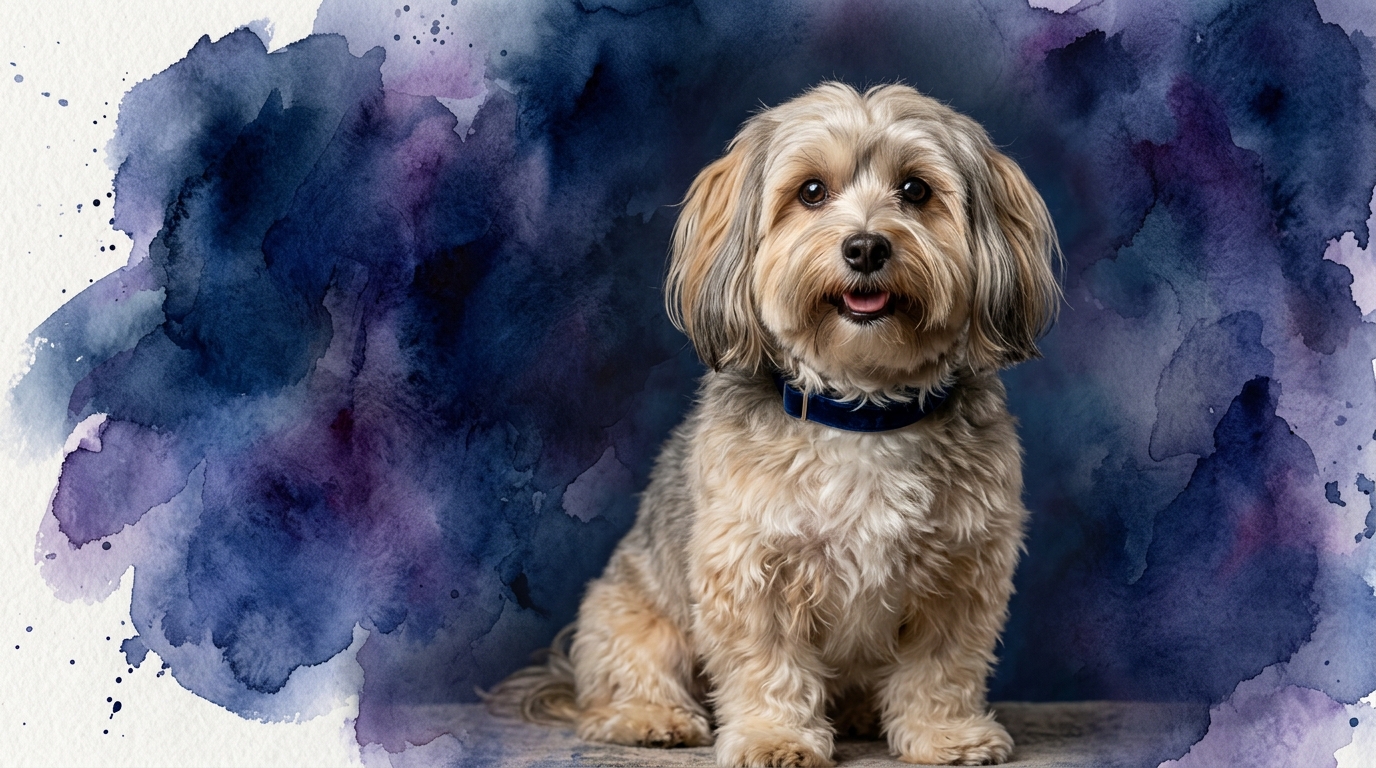
The Havanese, a charming Toy breed, showcases a distinctive cognitive makeup according to The Cosmic Pet Pet IQ Lab. Their Problem Solving and Training Speed both rate at 3/5, indicating a practical cleverness in navigating their environment and a moderate pace for learning new commands, often driven by their strong desire for human connection. However, their Social Intelligence is an exceptional 5/5, reflecting an unparalleled capacity to read human emotions and social cues, making them profoundly empathetic companions. With a modest Instinctive Drive of 2/5, their focus remains primarily on human interaction rather than traditional working tasks. Their Memory, at 3/5, allows them to retain routines and recall learned behaviors effectively.
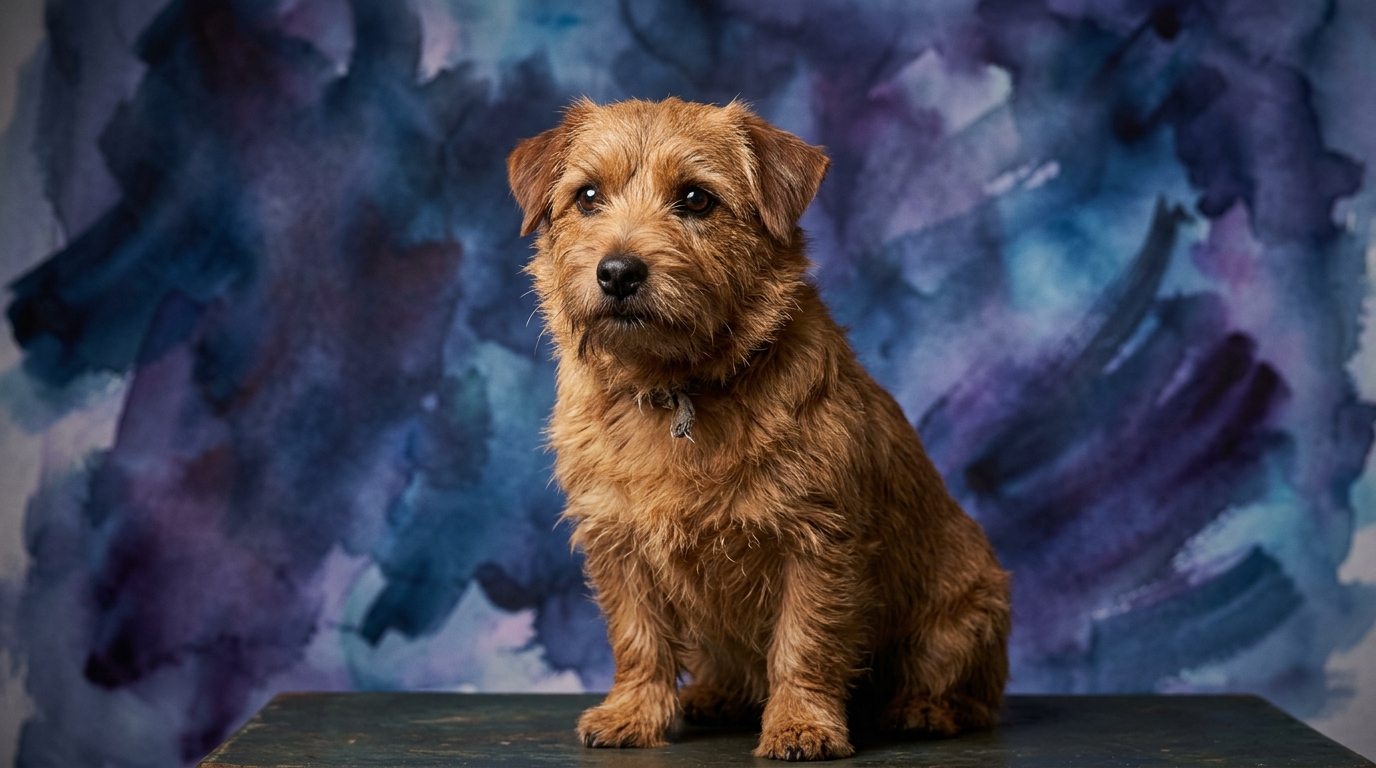
The robust Norfolk Terrier, a spirited member of the Terrier group, presents a contrasting cognitive profile. Their Problem Solving and Training Speed also score 3/5, yet their problem-solving often manifests with a terrier's characteristic resourcefulness and determination, while training requires consistent, engaging methods due to their independent spirit. Their Social Intelligence is 3/5, indicating they are friendly and sociable, but perhaps less attuned to subtle human emotional shifts than the Havanese. A more pronounced Instinctive Drive of 3/5 reflects their heritage, fueling their natural inclination for digging, chasing, and exploration. Their Memory, like the Havanese, is 3/5, ensuring recall of stimulating experiences and learned tasks.
Where the Havanese Excels Cognitively
The Havanese undeniably takes the lead in the realm of Social Intelligence, boasting a perfect 5/5 score compared to the Norfolk Terrier's 3/5. This isn't merely about friendliness; it signifies a profound capacity for emotional understanding and connection. A Havanese can often anticipate their owner's mood, offering comfort during sadness or engaging in playful antics to lift spirits, demonstrating an acute awareness of human emotional states. They are masters of non-verbal communication, using subtle body language and gazes to convey their needs and desires, and they respond with remarkable sensitivity to human vocal tones and facial expressions. This exceptional social acumen translates into a companion that feels deeply connected and responsive, often seeming to 'understand' their human counterparts on an intuitive level. Their motivation often stems from maintaining harmony and closeness within their human family, making them highly attuned to social dynamics and eager to participate in shared experiences.
Where the Norfolk Terrier Shines Cognitively
While both breeds share a 3/5 score in Problem Solving, the Norfolk Terrier's cognitive strengths are markedly influenced by its higher Instinctive Drive, rated at 3/5 compared to the Havanese's 2/5. This stronger intrinsic motivation for natural behaviors, rooted in their terrier heritage, often translates into a more tenacious and self-directed approach to problem-solving in the real world. A Norfolk Terrier might exhibit greater persistence in figuring out how to access a hidden treat or navigate a complex outdoor environment, driven by scent or the thrill of the chase. Their problem-solving isn't always about pleasing a human; it's often about achieving a self-rewarding goal, whether that's digging in the garden or outsmarting a squirrel. This drive also fuels their curiosity and adventurous spirit, making them resourceful explorers who are less dependent on human guidance for initiating engagement with their surroundings. They demonstrate a practical, hands-on intelligence, where their cognitive efforts are often directed towards satisfying their natural urges for investigation and pursuit.
Training Dynamics: Havanese vs. Norfolk Terrier
Both the Havanese and Norfolk Terrier share a Training Speed score of 3/5, suggesting a moderate learning pace, yet the *experience* of training them can differ significantly due to their distinct social and instinctive profiles. The Havanese, with its superior Social Intelligence (5/5) and strong desire for companionship, is often perceived as 'easier' to train for general household manners and basic obedience. They are highly motivated by human approval and positive reinforcement, eager to please their beloved family members and maintain close social bonds. Their low instinctive drive means fewer distractions from environmental scents or the urge to chase, allowing them to focus more intently on their handler during training sessions. However, their sensitivity means harsh corrections are counterproductive, requiring gentle, consistent, and reward-based methods. Conversely, while Norfolk Terriers also learn quickly (3/5 Training Speed), their independent terrier spirit and higher Instinctive Drive (3/5) can present unique challenges. They might be more inclined to follow a compelling scent or dig a fascinating hole than to execute a 'sit' command if the environment offers more stimulating alternatives. Training a Norfolk requires creativity, consistency, and a deep understanding of their innate drives, often needing to be framed as a rewarding 'game' rather than a command. While they are capable learners, their self-directed nature means owners must work harder to maintain their focus and ensure compliance, especially in distracting outdoor settings.
Lifestyle Fit: Active vs. Relaxed Owners
The Havanese typically thrives in a more relaxed home environment, making them an excellent choice for owners whose lifestyle leans towards moderate activity. While playful and enjoying walks, their exercise needs are generally satisfied with indoor games, short strolls, and consistent human interaction. Their profound Social Intelligence means their primary requirement is companionship and being an integrated part of family life, rather than extensive physical exertion. They are content with being close to their people, observing household activities, and engaging in gentle play, making them suitable for apartment living or owners who prefer a less strenuous daily routine. Conversely, the Norfolk Terrier, with its more pronounced Instinctive Drive and spirited nature, is better suited for active owners. These tenacious terriers require regular physical activity and mental stimulation to prevent boredom and channel their natural urges. They enjoy brisk walks, active play sessions, and opportunities to explore safely fenced outdoor spaces. Owners who enjoy hiking, agility, or engaging in scent work will find a willing and enthusiastic partner in a Norfolk. Their independent problem-solving and zest for life mean they benefit from structured activities that allow them to use their brains and bodies, making them a vibrant fit for owners who embrace an active, engaging lifestyle.
The Verdict
If your ideal companion is a deeply empathetic, socially attuned presence that thrives on close human interaction and offers unparalleled emotional support, the Havanese is likely your perfect match.
If you prefer a spirited, independent, and resourceful companion who embraces adventure with tenacity and requires engaging physical and mental outlets, the Norfolk Terrier will be a wonderfully rewarding partner.
🧠 Find Your Pet's IQ Score
Our Pet IQ Lab assessment covers 25+ tests across 5 cognitive dimensions — personalized to your breed.
Take the Full IQ Test →Frequently Asked Questions
Are Havanese prone to separation anxiety?
Due to their exceptional social intelligence and strong bond with their owners, Havanese can be prone to separation anxiety if not properly socialized and trained to be comfortable alone. Early positive reinforcement for independent time is crucial.
Do Norfolk Terriers shed a lot?
Norfolk Terriers have a wiry double coat that sheds minimally, making them a relatively low-shedding breed. Regular brushing and hand-stripping are recommended to maintain their coat health and texture.
Which breed is generally better with other pets?
The Havanese, with its high social intelligence and lower instinctive drive, generally adapts well to living with other well-socialized pets, including cats and other dogs. Norfolk Terriers can also get along well, but their terrier instincts might require more careful introductions and supervision with smaller, chase-able pets due to their moderate prey drive.