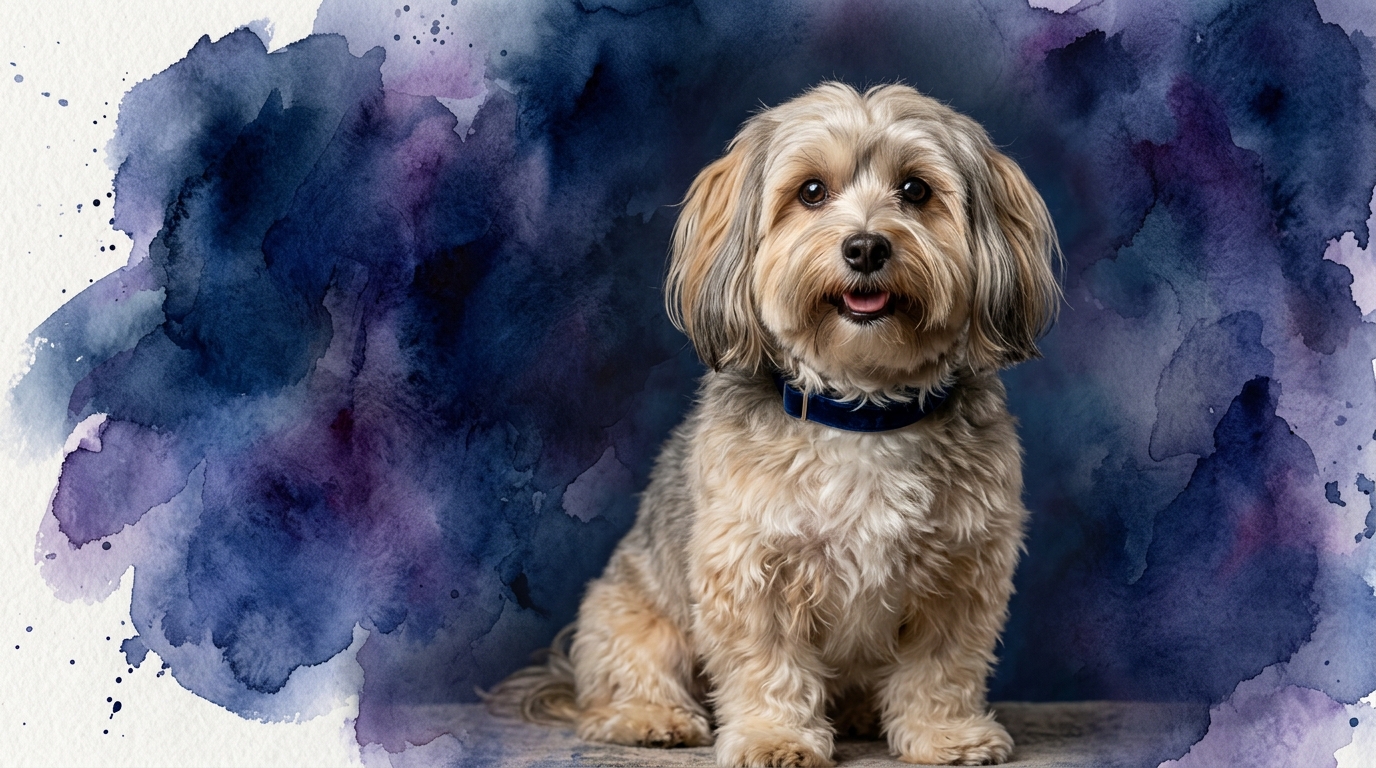
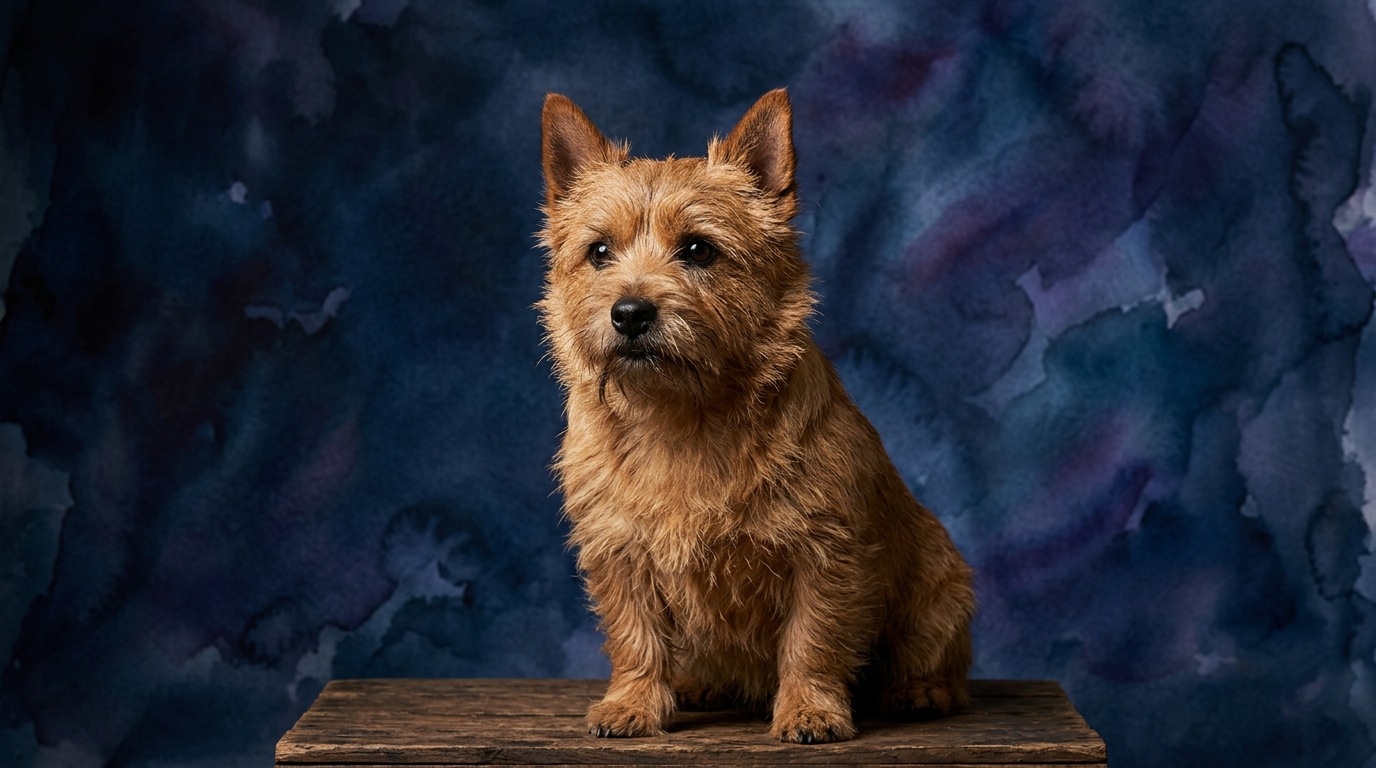
Side-by-Side Cognitive Profiles: Havanese vs. Norwich Terrier
The Havanese, a delightful Toy breed, showcases a fascinating cognitive makeup, particularly excelling in interpersonal understanding. Their problem-solving ability is rated at 3/5, indicating a moderate capacity to navigate new challenges and figure out solutions with some guidance and persistence. Training speed also stands at 3/5, meaning they learn new commands and routines at an average pace, benefiting from consistent, positive reinforcement. Where the Havanese truly shines is in social intelligence, scoring an exceptional 5/5; they are profoundly attuned to human emotions and social dynamics, often anticipating needs and reacting empathetically. Their instinctive drive is lower at 2/5, suggesting less inclination for independent hunting or guarding behaviors, making them less prone to chasing small animals or digging. Memory is rated at 3/5, allowing them to retain learned behaviors and routines effectively over time.
In contrast, the Norwich Terrier, a robust Terrier breed, presents a cognitive profile with a slightly more independent edge. Their problem-solving capability mirrors the Havanese at 3/5, demonstrating a similar moderate ability to tackle environmental puzzles or novel situations. Training speed is also rated 3/5, indicating they learn at a comparable pace, thriving on clear, engaging training sessions. Social intelligence for the Norwich Terrier is 3/5; while they understand human cues well and are affectionate, they exhibit a more self-sufficient disposition compared to the Havanese, less driven by constant human approval. Their instinctive drive is a moderate 3/5, reflecting a classic terrier inclination for exploration, scent tracking, and engaging with their surroundings, which can sometimes manifest as a desire to dig or pursue small moving objects. Memory is consistent at 3/5, enabling them to recall past experiences and training effectively.
Where the Havanese Shines Cognitively
The Havanese's outstanding social intelligence (5/5) is its most distinguishing cognitive asset, setting it apart significantly from the Norwich Terrier. This superior capacity means they process and interpret human emotional states and intentions with remarkable accuracy, often reacting empathetically or proactively seeking to connect. For instance, a Havanese might notice a subtle shift in its owner's mood and respond by gently nudging, resting its head on a lap, or bringing a toy, demonstrating a deep understanding of social cues beyond mere observation. This isn't simply a desire for attention; it's a sophisticated cognitive processing of interpersonal dynamics, making them exceptional at forming strong, reciprocal emotional bonds. Their high social attunement translates into an innate ability to integrate seamlessly into family life, often becoming the emotional barometer of the household and thriving on intricate social interactions.
Furthermore, this heightened social awareness means Havanese dogs often excel in environments where nuanced communication and companionship are highly valued. They pick up on subtle vocal inflections and body language, making them incredibly responsive companions in daily life. This cognitive strength allows them to adapt quickly to new people and social situations, often making friends easily due to their perceptive and responsive nature. Their lower instinctive drive (2/5) further supports their social inclinations, as they are less distracted by environmental stimuli like prey scents, allowing them to remain more focused on human interaction and social engagement.
Where the Norwich Terrier Excels Cognitively
The Norwich Terrier's cognitive strengths lean into a more independent and robust engagement with their physical environment, largely driven by their moderate instinctive drive (3/5) coupled with solid problem-solving (3/5) and social intelligence (3/5) scores. While their social intelligence is not as high as the Havanese, their 3/5 rating indicates a functional understanding of human cues without the same level of emotional dependency. This allows them to be more self-reliant and less prone to separation anxiety, capable of entertaining themselves for periods. For example, a Norwich might be content to explore a new yard, engaging with scents and textures, rather than constantly seeking human interaction.
Their slightly higher instinctive drive (3/5) compared to the Havanese (2/5) means they possess a more pronounced curiosity and tenacity for physical exploration. This manifests as a greater inclination to investigate interesting smells, navigate varied terrain, or engage in activities that require a degree of self-directed effort, such as digging in appropriate areas or pursuing a rolling ball with focused determination. This drive, when channeled appropriately, makes them resilient and persistent in tasks, reflecting a cognitive preference for active engagement with their surroundings. They demonstrate a spirited independence, making them adept at navigating their environment with a confident, self-assured approach that requires less constant human direction than their Havanese counterparts.
Training Dynamics: Havanese vs. Norwich Terrier
Both the Havanese and Norwich Terrier share a 3/5 rating for training speed, suggesting they learn new commands at a comparable, moderate pace. However, the *approach* to training and their *motivation* differ significantly due to their other cognitive dimensions. The Havanese, with its exceptional social intelligence (5/5), is often highly motivated by pleasing its human companion and receiving social praise and affection. They thrive on positive reinforcement that emphasizes connection and approval, making them eager to cooperate and respond well to gentle guidance. Behavioral differences might include a Havanese becoming withdrawn or less responsive if they perceive inconsistency or emotional distance, as their social wiring makes them sensitive to the trainer's mood.
Conversely, the Norwich Terrier's training experience is shaped by its moderate social intelligence (3/5) and higher instinctive drive (3/5). While they are responsive to their owners, they are less inherently driven by the sole desire to please. Training a Norwich often requires making the activity itself engaging and rewarding, tapping into their natural curiosity and drive. They might respond better to training methods that incorporate games, scent work, or agility, which appeal to their terrier instincts. A Norwich Terrier might be more prone to becoming distracted by an interesting smell or a moving object, requiring a trainer to maintain focus and make sessions dynamic and stimulating to keep their attention. Consistency, clear boundaries, and immediate, high-value rewards are crucial for the Norwich, as their independence means they need a compelling reason beyond mere approval to comply.
Suitability for Active vs. Relaxed Owners
The Havanese is an ideal companion for relaxed owners who cherish constant companionship and reciprocal emotional engagement. Their high social intelligence means they thrive in environments where they are consistently included in family activities and receive ample interaction. They are generally content with moderate daily exercise, such as short walks and indoor play, but their primary need is for social stimulation and being close to their people. Owners who enjoy a dog that is deeply attuned to their moods, enjoys lap time, and participates in all aspects of home life will find the Havanese's cognitive profile perfectly suited to their lifestyle. They adapt well to apartment living, provided their significant social needs are met through regular human presence and interaction.
The Norwich Terrier, with its moderate instinctive drive and balanced social intelligence, is better suited for owners who appreciate a dog with a spirited, slightly more independent nature and a moderate need for both physical and mental activity. They enjoy regular outings that allow them to explore and engage their senses, such as brisk walks in varied environments or safe outdoor adventures. While affectionate, they are not as constantly 'velcro' as the Havanese and can entertain themselves for periods, making them suitable for owners who might be out of the house for short intervals but still commit to daily, engaging activity. Owners who enjoy structured play, perhaps dabbling in dog sports, and appreciate a dog that is both a loving companion and an enthusiastic explorer will find the Norwich Terrier a fulfilling match.
The Verdict
Choose the Havanese if you desire a deeply bonded, emotionally responsive companion who thrives on constant social interaction and offers profound emotional support, excelling at understanding and mirroring human social dynamics.
Opt for the Norwich Terrier if you seek a resilient, spirited companion with a moderate drive for exploration and a slightly more independent nature, perfect for owners who appreciate a dog that is both affectionate and capable of self-amusement.
🧠 Find Your Pet's IQ Score
Our Pet IQ Lab assessment covers 25+ tests across 5 cognitive dimensions — personalized to your breed.
Take the Full IQ Test →Frequently Asked Questions
Do Havanese dogs require extensive exercise?
Havanese dogs do not require extensive exercise; their primary need is for consistent social interaction and companionship. Daily short walks and indoor play are typically sufficient, as their cognitive strengths lie in social engagement rather than high physical exertion.
Are Norwich Terriers good for first-time dog owners?
Norwich Terriers can be suitable for first-time dog owners who are committed to consistent training and providing adequate mental and physical stimulation. Their moderate independence and instinctive drive mean they benefit from clear boundaries and engaging activities.
Which breed is more prone to separation anxiety?
Due to their exceptional social intelligence and strong desire for companionship, Havanese dogs are generally more prone to developing separation anxiety if left alone for extended periods. Norwich Terriers, with their slightly more independent nature, may tolerate solitude better but still require regular interaction.